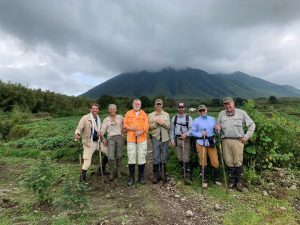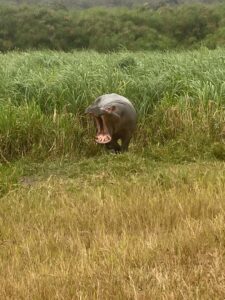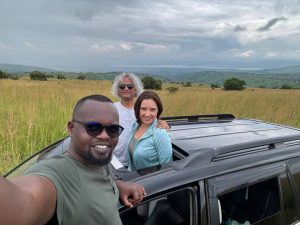
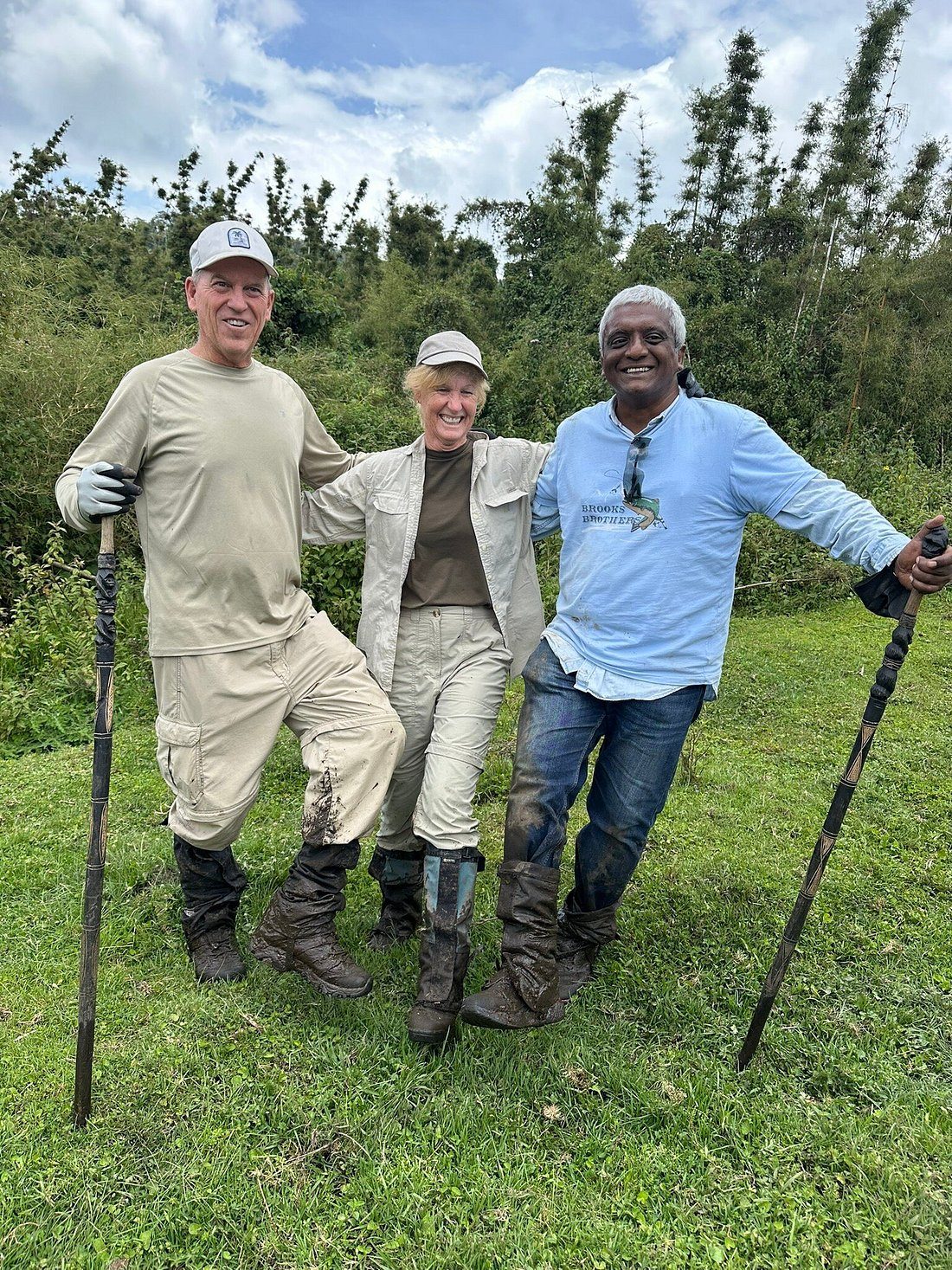
Gorilla Trekking and Conservation in Rwanda is more than a travel experience; it is a global conservation success story that demonstrates how responsible tourism can protect endangered wildlife while uplifting local communities. In the mist-covered slopes of the Virunga Mountains, Rwanda has built one of Africa’s most effective wildlife protection models, where every gorilla trekking permit directly contributes to conservation funding, anti-poaching operations, habitat restoration, veterinary care, and community development projects.
Today, mountain gorillas are one of the rarest primates on Earth. Decades ago, their survival was uncertain due to poaching, civil unrest, habitat loss, and human encroachment. However, Rwanda’s commitment to conservation-driven tourism has helped reverse that trend. Through strict regulations, limited daily permits, and high-value eco-tourism strategies, the country has created a sustainable system that protects gorillas while offering travelers an extraordinary wildlife safari experience.
When visitors book a gorilla trekking safari in Rwanda, they are not just purchasing a permit; they are investing in conservation. The revenue supports park rangers, trackers, conservation researchers, and community initiatives that reduce human-wildlife conflict. This unique model of Gorilla Trekking and Conservation in Rwanda is now studied worldwide as a benchmark for sustainable wildlife tourism.
The History of Mountain Gorilla Conservation in Rwanda
The conservation journey in Rwanda began long before gorilla trekking became a global bucket-list adventure. The protection of mountain gorillas gained international attention through the work of Dian Fossey, whose research at the Karisoke Research Center in the 1960s highlighted the urgent need for protection. At that time, poaching and habitat destruction were rampant, and gorilla numbers were critically low.
Rwanda responded by strengthening conservation policies and safeguarding the habitats within Volcanoes National Park, part of the larger Virunga Massif ecosystem shared with Uganda and the Democratic Republic of Congo. Over time, gorilla trekking permits were introduced as a conservation funding tool. Instead of exploiting wildlife, Rwanda developed a premium tourism model where limited permits ensured minimal disturbance while maximizing conservation revenue.
The result is one of Africa’s most inspiring wildlife recovery stories. The mountain gorilla population has gradually increased due to sustained conservation efforts supported by tourism.
How Gorilla Trekking and Conservation in Rwanda Work Together
Controlled Gorilla Trekking Permits Protect Gorillas
One of the strongest pillars of Gorilla Trekking and Conservation in Rwanda is the strict limitation on daily permits. Only a limited number of visitors are allowed to trek each day. Each gorilla family can be visited by a small group of tourists for a maximum of one hour.
This controlled approach reduces stress on the gorillas, minimizes disease transmission risk, and ensures that their natural behavior remains undisturbed. The structured system also allows conservationists to monitor gorilla families closely and track their health and population growth.
Tourism Revenue Funds Conservation Operations
The cost of a gorilla trekking permit in Rwanda is intentionally set at a premium level. This strategy ensures that conservation funding remains strong while visitor numbers stay manageable. A significant portion of the permit fee goes directly into conservation programs, including:
-
Anti-poaching patrols
-
Ranger salaries and training
-
Habitat protection
-
Veterinary services
-
Research and monitoring
-
Community revenue sharing programs
Without tourism income, maintaining these conservation systems would be extremely challenging.
Volcanoes National Park: The Heart of Gorilla Trekking and Conservation in Rwanda
Volcanoes National Park is the epicenter of Gorilla Trekking and Conservation in Rwanda. Covering lush rainforest and volcanic terrain, the park is home to several habituated gorilla families available for trekking.
The park management enforces strict rules:
-
No trekking if sick
-
Minimum distance maintained from gorillas
-
No flash photography
-
Mask wearing when required
-
One-hour visitation limit
These measures ensure that tourism supports conservation rather than threatens it.
Community Involvement in Gorilla Trekking and Conservation in Rwanda
Revenue Sharing with Local Communities
One of the most transformative aspects of Gorilla Trekking and Conservation in Rwanda is the community revenue-sharing program. A percentage of park revenues is allocated to local villages surrounding Volcanoes National Park. These funds support:
-
Schools
-
Health centers
-
Clean water projects
-
Road improvements
-
Community businesses
By ensuring local communities benefit financially, Rwanda reduces reliance on activities like poaching and illegal logging.
Job Creation Through Tourism
Gorilla trekking generates employment opportunities for:
-
Park rangers
-
Gorilla trackers
-
Porters
-
Safari guides
-
Lodge staff
-
Drivers
-
Cultural performers
Tourism has transformed former poachers into conservation advocates. Many individuals who once depended on forest resources now earn sustainable incomes from eco-tourism.
Anti-Poaching Efforts Strengthened by Tourism
Anti-poaching patrols are a daily operation inside Volcanoes National Park. Rangers conduct regular forest sweeps to remove snares and monitor wildlife. Tourism funding provides:
-
Modern surveillance equipment
-
Training programs
-
Communication systems
-
Protective gear
The success of Gorilla Trekking and Conservation in Rwanda depends heavily on these anti-poaching operations.
Veterinary Care and Gorilla Health Monitoring
Mountain gorillas are highly susceptible to human diseases. Tourism revenue funds veterinary teams that monitor gorilla health, treat injuries, and intervene in life-threatening situations.
Health protocols include:
-
Pre-trek briefings
-
Mandatory distancing
-
Health screening of tourists
-
Monitoring gorilla families after visits
This medical support is a critical component of Gorilla Trekking and Conservation in Rwanda.
Sustainable Tourism Model: High Value, Low Impact
Rwanda has adopted a high-value, low-impact tourism model. Rather than attracting mass tourism, the country prioritizes quality over quantity. Luxury eco-lodges near Volcanoes National Park follow strict sustainability standards, including:
-
Renewable energy use
-
Waste management systems
-
Water conservation practices
-
Community sourcing
This ensures that Gorilla Trekking and Conservation in Rwanda remains environmentally responsible.
Research and Scientific Contributions
Conservation research funded by tourism helps scientists understand gorilla behavior, family dynamics, breeding patterns, and habitat requirements. Long-term monitoring allows conservationists to track population growth trends and identify potential threats early.
Scientific data collected through Rwanda’s conservation programs contributes to global wildlife research efforts.
The Global Impact of Gorilla Trekking and Conservation in Rwanda
The conservation success in Rwanda has inspired other countries to adopt similar eco-tourism models. Rwanda’s system demonstrates that wildlife tourism, when properly managed, can protect endangered species while generating national revenue.
Mountain gorilla populations in the Virunga region have shown positive growth trends, proving that Gorilla Trekking and Conservation in Rwanda is working effectively.
Why Travelers Should Support Gorilla Trekking and Conservation in Rwanda
Booking a gorilla trekking safari in Rwanda means:
-
Supporting endangered species protection
-
Contributing to local community development
-
Promoting sustainable tourism
-
Investing in long-term conservation
Travelers become partners in conservation simply by choosing Rwanda for their safari.
The Future of Gorilla Trekking and Conservation in Rwanda
The future of Gorilla Trekking and Conservation in Rwanda depends on continued responsible tourism, climate resilience planning, habitat protection, and community partnerships. Rwanda continues to strengthen conservation policies and expand protected areas.
As global awareness grows, Rwanda remains committed to protecting mountain gorillas for future generations.
Plan Your Gorilla Trekking Safari in Rwanda
Experience firsthand how Gorilla Trekking and Conservation in Rwanda work together to create one of Africa’s greatest wildlife success stories. Explore the breathtaking landscapes of Volcanoes National Park and witness mountain gorillas in their natural habitat while directly contributing to their protection.
For bookings and inquiries:
Universal Ventures Rwanda
Email: info@universalventuresrwanda.com
Phone/WhatsApp: +250 781441853
Website: www.universalventuresrwanda.com
Final Thoughts
Gorilla Trekking and Conservation in Rwanda represents a rare example where tourism directly fuels wildlife protection. Through strict regulations, premium permit systems, community engagement, and scientific research, Rwanda has created a sustainable conservation model admired worldwide.
Choosing to trek gorillas in Rwanda is more than a safari adventure—it is a commitment to conservation, community empowerment, and the preservation of one of the planet’s most magnificent species.