Understanding the Rwanda Safari Costs Breakdown is one of the most important steps when planning a trip to East Africa. Rwanda is often described as a premium safari destination, and while that is true, the value you receive is exceptional. Clean cities, safe travel conditions, short driving distances, and world-class conservation experiences all contribute to the overall cost.
For many international travelers, the biggest question is not just how much does a Rwanda safari cost, but what exactly am I paying for? This detailed Rwanda Safari Costs Breakdown explains every major expense, from gorilla permits to accommodation, transportation, and hidden costs that travelers often overlook.
Gorilla Trekking Permit – The Core of Rwanda Safari Costs Breakdown
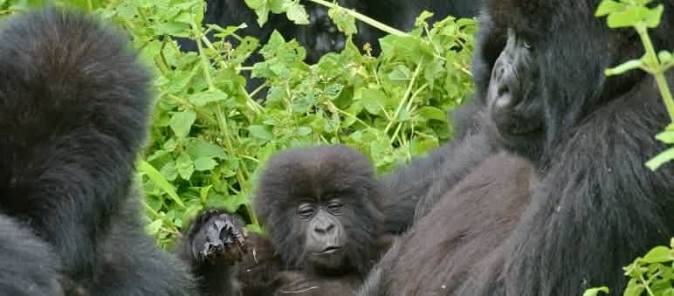
The most significant component in any Rwanda Safari Costs Breakdown is the gorilla trekking permit. This permit allows you to visit one of the habituated gorilla families in Volcanoes National Park.
The cost of a gorilla permit is currently $1,500 per person for one trek. This fee may seem high, but it directly supports conservation, anti-poaching efforts, and local communities. It also ensures a controlled and exclusive experience, with only a limited number of visitors allowed each day.
For most travelers, this single cost accounts for a large portion of the total Rwanda Safari Costs Breakdown, sometimes up to 40–60% of the entire trip budget.
Accommodation Costs – Rwanda Safari Costs Breakdown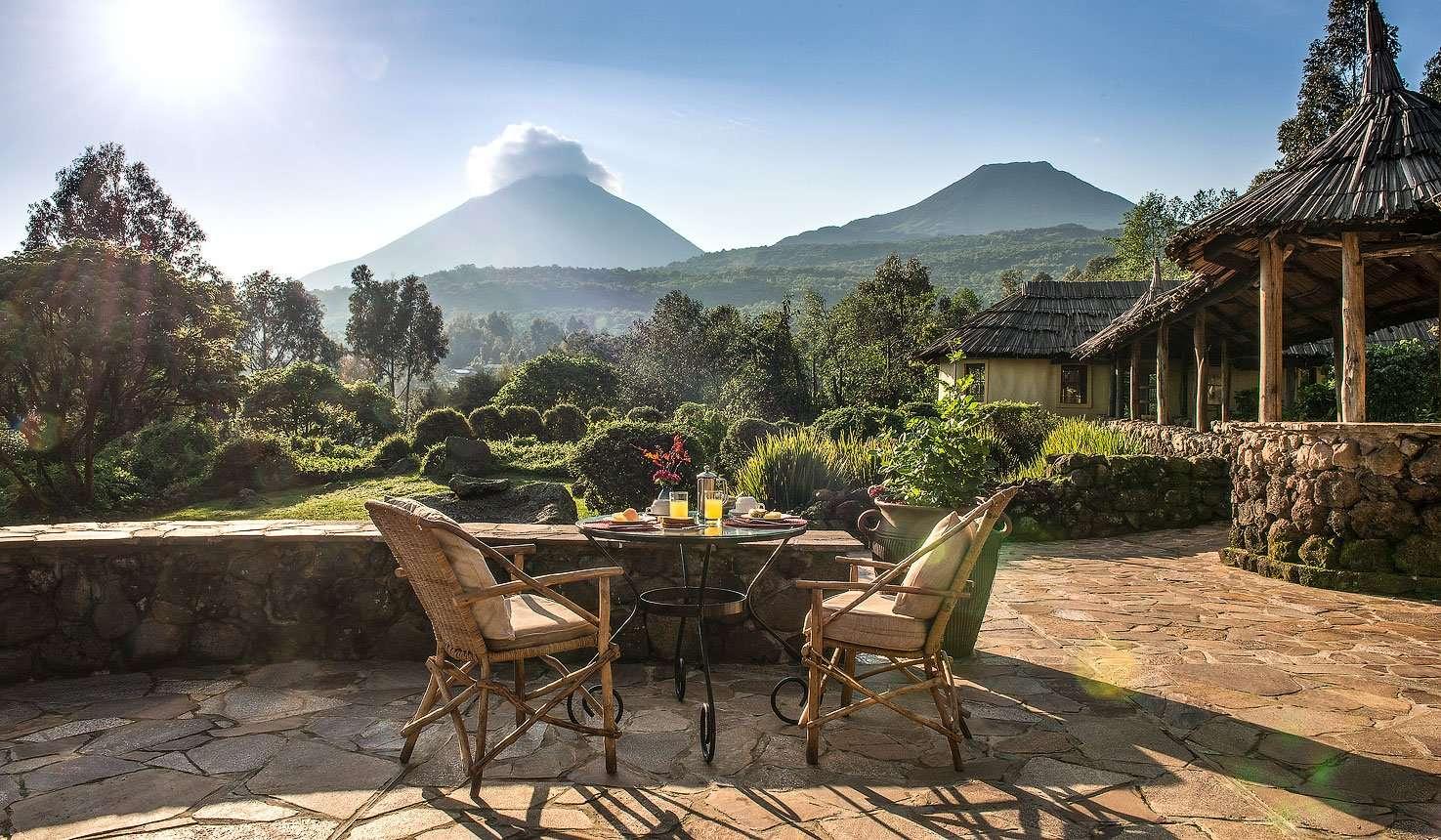
Accommodation is another major factor in the Rwanda Safari Costs Breakdown, and prices vary widely depending on your travel style.
Budget options typically range from $50 to $150 per night, though they are limited near national parks. Mid-range lodges usually cost between $200 and $500 per night, offering comfort, good service, and proximity to key attractions. Luxury lodges, especially around Volcanoes National Park, can range from $600 to over $2,000 per night, often including full-board meals and premium services.
For international travelers, accommodation costs are often the second-largest expense after gorilla permits in the overall Rwanda Safari Costs Breakdown.
Transportation Costs – Rwanda Safari Costs Breakdown
Transportation plays a crucial role in the Rwanda Safari Costs Breakdown, especially for travelers moving between multiple parks.
Most visitors begin their journey in Kigali, which serves as the main entry point. From there, travelers can hire private safari vehicles, join guided tours, or opt for self-drive options.
A private 4×4 safari vehicle with a driver typically costs $150 to $250 per day, excluding fuel. Fuel costs can add another $50 to $100 per day, depending on the distance. For example, a trip from Kigali to Volcanoes National Park takes about 2–3 hours, while traveling to Nyungwe Forest National Park can take 5–6 hours.
Transportation is essential in any Rwanda Safari Costs Breakdown, and choosing the right option can significantly impact your budget and comfort.
Park Entry Fees and Activities – Rwanda Safari Costs Breakdown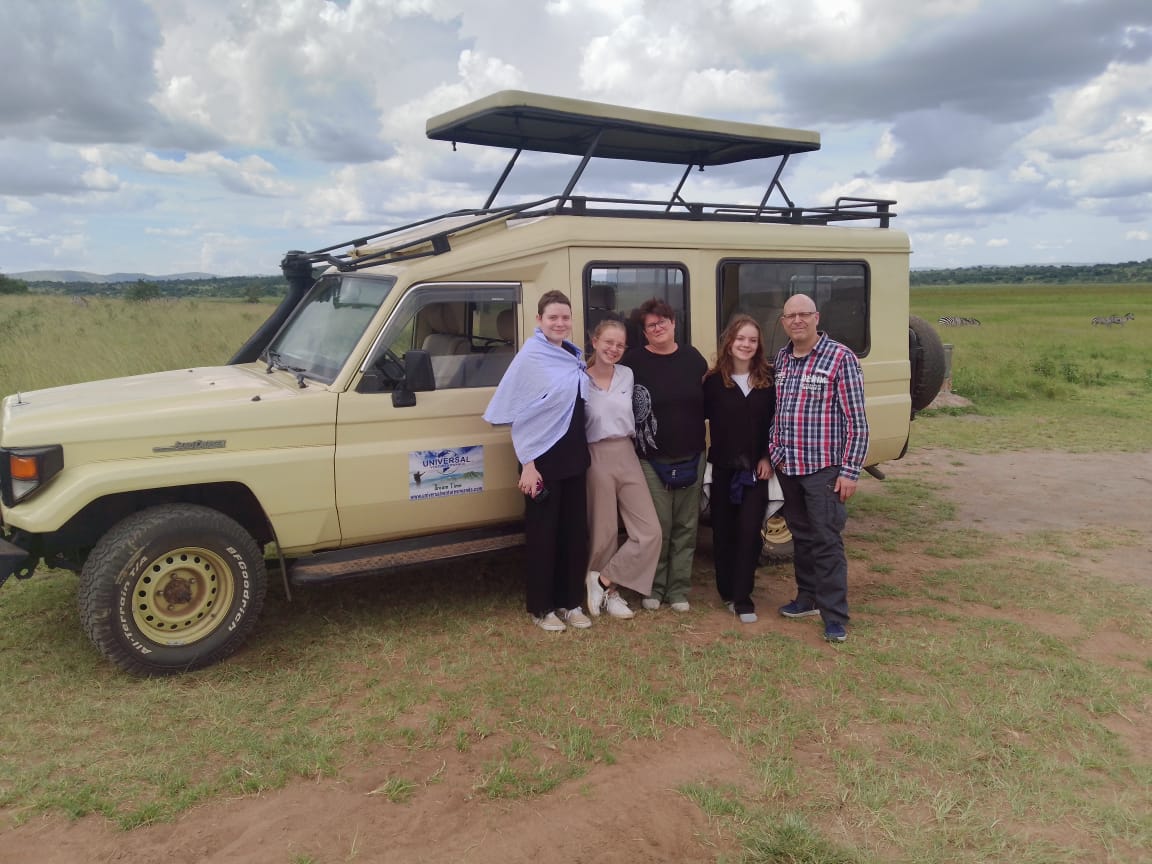
Beyond gorilla trekking, Rwanda offers a variety of activities that contribute to the overall Rwanda Safari Costs Breakdown.
In Akagera National Park, park entry fees are approximately $100 per person per day for international visitors. Game drives, boat safaris, and guided tours may come at an additional cost.
In Nyungwe Forest, chimpanzee trekking permits cost around $150 per person, while canopy walk experiences cost approximately $60 per person. Golden monkey trekking in Volcanoes National Park costs about $100 per person.
These activities enhance your safari experience but should be carefully planned within your Rwanda Safari Costs Breakdown to avoid overspending.
Meals and Daily Expenses – Rwanda Safari Costs Breakdown
Meals are often included in mid-range and luxury safari packages, especially on a full-board basis (breakfast, lunch, and dinner). However, for travelers booking accommodations separately, meal costs can range from $20 to $50 per day.
In cities like Kigali, dining options vary widely, from local restaurants to high-end international cuisine. Including food expenses in your Rwanda Safari Costs Breakdown ensures that you maintain a realistic budget.
Visa, Insurance, and Flights – Rwanda Safari Costs Breakdown
International flights are usually the largest external cost and are not included in most safari packages. Prices vary depending on your departure location but typically range from $700 to $1,500+.
Rwanda offers visa-on-arrival for many travelers at around $50, or you can opt for the East Africa Tourist Visa at $100, which covers Rwanda, Uganda, and Kenya.
Travel insurance is highly recommended and usually costs between $50 and $150, depending on coverage. These elements are often overlooked but are essential parts of a complete Rwanda Safari Costs Breakdown.
Hidden Costs – Rwanda Safari
One of the most important sections of this Rwanda Safari Costs Breakdown involves hidden or unexpected expenses.
Tips for guides and drivers can range from $10 to $20 per day. Porter fees during gorilla trekking are about $10 to $20, and they are highly recommended. Souvenirs, cultural experiences, and optional excursions can also add to your total cost.
Additionally, last-minute bookings during peak seasons can increase prices significantly. Planning ahead is key to managing your Rwanda Safari Costs Breakdown effectively.
Sample Budget – Rwanda Safari
A realistic example helps put the Rwanda Safari Costs Breakdown into perspective:
A 7-day mid-range safari might include one gorilla trek, accommodation, transportation, and additional activities. The total cost per person typically ranges between $3,500 and $6,000.
Luxury safaris can exceed $10,000, while budget options may fall between $2,500 and $3,500, depending on choices and compromises.
How to Save Money – Rwanda Safari
Saving money on a Rwanda safari is possible with strategic planning. Traveling during the low season, booking in advance, and choosing mid-range accommodations can significantly reduce costs.
Sharing transportation and selecting fewer premium activities can also help. However, cutting costs on key experiences like gorilla trekking may reduce the overall value of your trip.
A smart approach to the Rwanda Safari Costs Breakdown ensures you get the best experience without unnecessary expenses.
Final Thoughts – Rwanda Safari Costs Breakdown
The Rwanda Safari Costs Breakdown reveals that while Rwanda is not the cheapest safari destination, it offers unmatched quality, safety, and unique wildlife experiences. Every dollar spent contributes to conservation and community development, making your trip both meaningful and impactful.
By understanding exactly what you are paying for, you can plan confidently and create a safari experience that matches your expectations and budget.