Gorilla Trekking in Rwanda During the Rainy Season is often misunderstood by travelers planning an African safari. Many visitors automatically assume that rain equals discomfort, difficult hiking conditions, and limited wildlife visibility. However, the truth is far more interesting. The rainy season in Rwanda transforms the landscape into a lush, emerald paradise, offering a dramatically different but equally powerful gorilla trekking experience in Volcanoes National Park.
If you are considering gorilla trekking in Rwanda during the rainy season, this comprehensive guide will help you understand what to expect, the advantages, the challenges, permit availability, photography conditions, accommodation rates, and why many experienced travelers actually prefer trekking during these months.
Rwanda’s rainy seasons typically occur from March to May (long rains) and October to November (short rains). During these periods, the Virunga mountains become mist-covered, dramatic, and beautifully atmospheric. While trails may be muddy, the overall experience can be more intimate, less crowded, and surprisingly rewarding.
Let us explore everything in detail.
Understanding the Rainy Season in Rwanda
When discussing gorilla trekking in Rwanda during the rainy season, it is important to understand Rwanda’s climate. Rwanda lies near the equator but at high altitude, especially around Volcanoes National Park, which sits between 2,400 and 4,500 meters above sea level.
What Happens During the Rainy Season?
-
Frequent afternoon showers
-
Misty mornings in the Virunga Mountains
-
Lush vegetation growth
-
Cooler trekking temperatures
-
Occasional slippery hiking trails
Unlike tropical storms in other regions, rainfall in Rwanda is rarely continuous all day. It often comes in bursts, meaning trekking activities usually proceed as planned.
Because gorilla trekking happens in dense montane forest, rain is always a possibility even during the dry season. Therefore, choosing gorilla trekking in Rwanda during the rainy season is less about avoiding rain entirely and more about preparing properly.
Why Gorilla Trekking in Rwanda During the Rainy Season Can Be Worth It
1. Fewer Tourists, More Exclusive Experience
One of the biggest advantages of gorilla trekking in Rwanda during the rainy season is reduced visitor numbers. During peak dry months (June–September and December–February), permits often sell out weeks in advance. In contrast, rainy season trekking provides more flexibility and availability.
Smaller visitor numbers mean:
-
A quieter park environment
-
More personal lodge service
-
Less crowded briefing sessions
-
Greater booking flexibility
For travelers seeking exclusivity and intimacy, this season can be ideal.
2. Stunning Photography Conditions
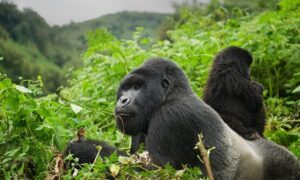
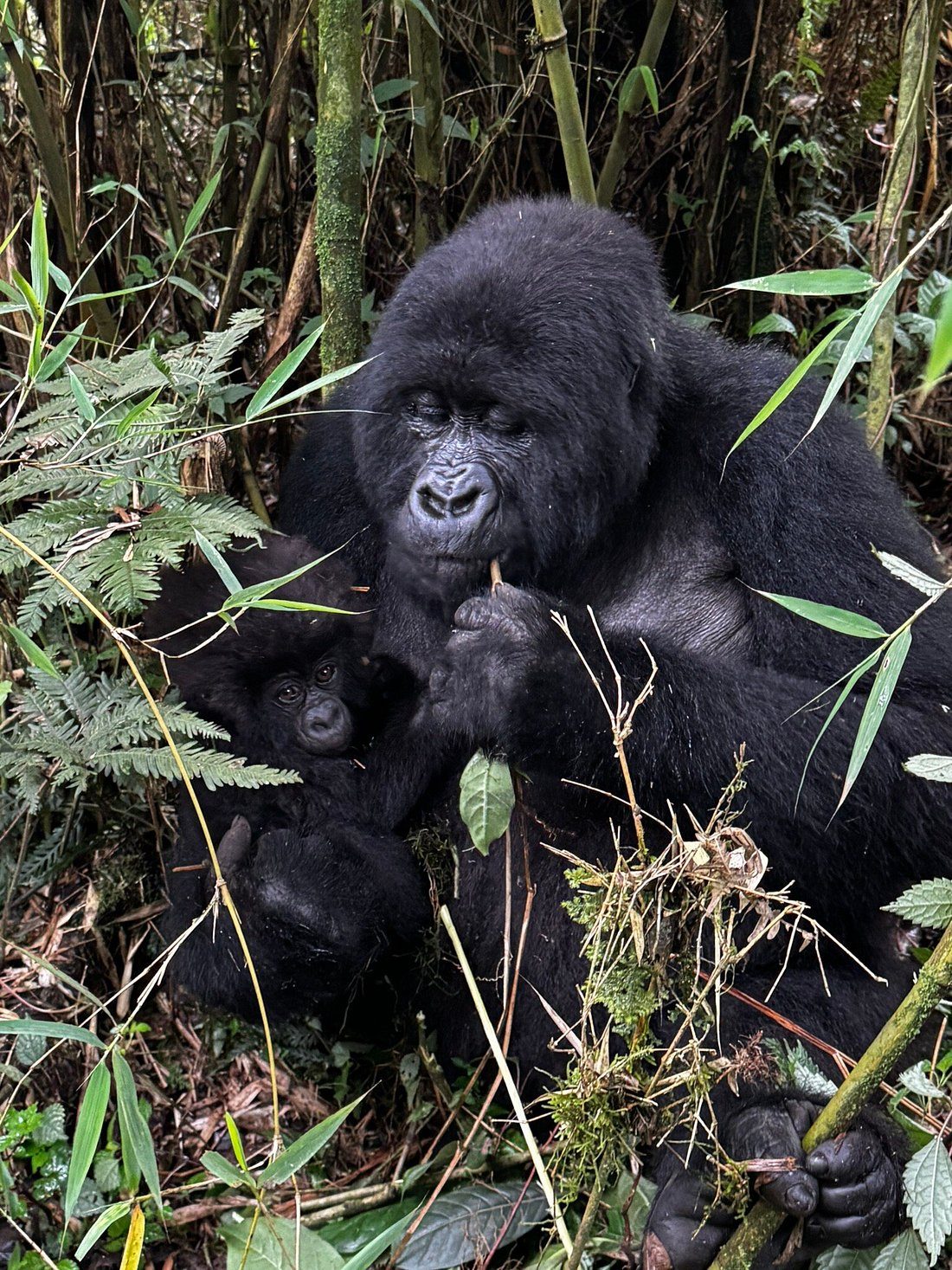
Rainy season light creates dramatic scenery. Mist drifting across the bamboo forest adds atmosphere to photographs. The lush vegetation enhances contrast and color, making gorilla portraits especially vivid.
Photographers often find gorilla trekking in Rwanda during the rainy season uniquely rewarding because:
-
Cloud cover creates soft, even lighting
-
Mist adds depth and mood
-
Gorillas’ dark fur contrasts beautifully against bright green foliage
With waterproof camera protection, the results can be extraordinary.
3. Potentially Shorter Treks
During rainy months, gorillas tend to stay at lower altitudes where food is abundant. Fresh vegetation growth means gorillas do not always travel far. While trekking duration can never be guaranteed, some groups may be located sooner compared to dry season hikes when gorillas move deeper into the forest.
Therefore, gorilla trekking in Rwanda during the rainy season may sometimes involve shorter hiking distances.
Challenges of Gorilla Trekking in Rwanda During the Rainy Season
While rewarding, it is important to understand the realities.
1. Muddy and Slippery Trails
Trails become muddy and can be physically demanding. Waterproof hiking boots with good grip are essential. Trekking poles are highly recommended.
2. Wet Clothing and Gear
Even with rain jackets, humidity levels remain high. Quick-dry trekking clothes are important.
3. Insects and Dense Vegetation
Rain increases plant growth, making paths narrower. Long-sleeved clothing helps protect against scratches and insects.
However, with proper preparation, these challenges are manageable. Many travelers who experience gorilla trekking in Rwanda during the rainy season report that the magical atmosphere outweighs the inconvenience.
Cost Considerations During the Rainy Season
The gorilla trekking permit in Rwanda remains $1,500 per person year-round. However, accommodation rates sometimes offer discounts during low season.
Luxury lodges near Volcanoes National Park may provide:
-
Special rainy season packages
-
Discounted midweek rates
-
Complimentary services
Therefore, gorilla trekking in Rwanda during the rainy season can sometimes reduce overall safari costs compared to peak months.
What to Pack for Gorilla Trekking in Rwanda During the Rainy Season
Proper packing is critical for comfort and safety.
Essential Items:
-
Waterproof hiking boots
-
Gaiters
-
Lightweight rain jacket
-
Waterproof backpack cover
-
Trekking gloves
-
Quick-dry trousers
-
Extra socks
-
Waterproof camera protection
Preparation transforms gorilla trekking in Rwanda during the rainy season from challenging to enjoyable.
The Emotional Experience: Rain, Mist & Mountain Gorillas
There is something profoundly moving about encountering mountain gorillas in mist-covered forest. The sound of light rain falling through bamboo leaves, the smell of wet earth, and the sudden appearance of a silverback emerging from fog creates a cinematic experience unlike any other.
In many ways, gorilla trekking in Rwanda during the rainy season feels more authentic and wild. The atmosphere reflects the true character of the Virunga ecosystem.
Conservation Impact During Rainy Season
Gorilla tourism supports conservation efforts year-round. Even during wet months:
-
Rangers monitor gorilla families daily
-
Veterinary teams provide medical support
-
Local communities benefit from tourism revenue
Choosing gorilla trekking in Rwanda during the rainy season directly supports conservation sustainability during lower visitor periods.
Comparing Rainy Season vs Dry Season
| Aspect | Rainy Season | Dry Season |
|---|---|---|
| Scenery | Lush, green, misty | Clear, bright |
| Crowd Levels | Lower | High |
| Trail Condition | Muddy | Drier |
| Photography | Dramatic light | Brighter light |
| Permit Availability | Easier to secure | Limited |
Both seasons offer exceptional experiences, but gorilla trekking in Rwanda during the rainy season offers uniqueness and tranquility.
Is Gorilla Trekking in Rwanda During the Rainy Season Worth It?
Absolutely — if you:
-
Are prepared for rain
-
Prefer fewer crowds
-
Enjoy dramatic scenery
-
Seek flexible booking
-
Want potential lodge discounts
If you prioritize dry trails and clear skies above all else, dry season may be better. However, many seasoned travelers describe gorilla trekking in Rwanda during the rainy season as surprisingly magical.
Final Thoughts
Gorilla Trekking in Rwanda During the Rainy Season is not a compromise — it is simply a different style of adventure. The rain nourishes the forest, deepens the colors, softens the light, and enhances the wilderness atmosphere. While the trails may test your endurance, the reward of standing just meters away from a mountain gorilla family remains unchanged.
For travelers who appreciate nature in its most authentic state, gorilla trekking in Rwanda during the rainy season can be one of Africa’s most unforgettable wildlife experiences.
Plan Your Rainy Season Gorilla Safari
If you are ready to experience gorilla trekking in Rwanda during the rainy season, we are here to help you plan every detail — permits, transfers, accommodation, and professional guides.
Universal Ventures Rwanda
Email: info@universalventuresrwanda.com
WhatsApp: +250 781441853