
Gorilla Trekking in Rwanda and Uganda
Gorilla Trekking in Rwanda and Uganda: Which Safari Destination Is Better?
Comparing Gorilla Trekking in Rwanda and Uganda is one of the most extraordinary wildlife experiences available anywhere in Africa. Few safari activities compare with walking through misty mountain forests, following experienced trackers, and finally meeting a habituated family of mountain gorillas in its natural habitat. Rwanda and Uganda are the two leading destinations for international travelers planning a mountain gorilla safari, and both countries offer exceptional experiences. However, they differ significantly in permit prices, accessibility, trekking environments, accommodation options, safari combinations, and overall travel style. For that reason, choosing between gorilla trekking in Rwanda and gorilla trekking in Uganda should be based on your budget, available time, preferred level of comfort, physical ability, and what you would like to experience beyond the gorilla trek itself.
For travelers searching for a short, convenient, and premium Rwanda primate safari, Rwanda is often the preferred destination because Volcanoes National Park is easily reached from Kigali. Uganda, on the other hand, attracts travelers looking for a lower-cost gorilla permit, a deeper rainforest adventure, and a longer safari combining gorillas with chimpanzees, wildlife viewing, boat cruises, and cultural experiences. Both countries protect populations of endangered mountain gorillas, and neither destination offers a fundamentally “better” gorilla species or a guaranteed better sighting. Instead, the difference lies in the style of the journey. This guide provides an in-depth comparison of Gorilla Trekking in Rwanda and Uganda and explains how to choose the right destination for your African safari.
Gorilla Trekking in Rwanda and Uganda: A Quick Comparison

When comparing Gorilla Trekking in Rwanda and Uganda, Rwanda is generally stronger in accessibility, short safari itineraries, luxury accommodation, and smooth transportation from an international airport. Uganda is generally stronger in permit affordability, extensive rainforest trekking, varied gorilla trekking sectors, long wildlife circuits, and opportunities to combine gorilla trekking with a wider range of national parks. Travelers who arrive at Kigali International Airport can reach Volcanoes National Park within a few hours, which makes Rwanda extremely practical for one-day, two-day, and three-day gorilla trekking safaris. Uganda’s best-known gorilla destination, Bwindi Impenetrable National Park, requires more travel from Entebbe or Kampala, although visitors can also access southwestern Uganda through Kigali.
The cost difference is another major factor. Rwanda’s standard international gorilla permit is USD 1,500 per person, while Uganda’s standard foreign non-resident gorilla trekking permit is USD 800 per person. This means Uganda can provide substantial savings for couples, families, and larger groups. However, travelers should compare the total safari cost rather than focusing only on the permit because transportation, accommodation, domestic flights, border crossings, meals, and additional activities can all affect the final price. Rwanda may sometimes provide better logistical efficiency for a short safari, while Uganda usually provides stronger overall value for a longer multi-day itinerary.
What Makes Gorilla Trekking in Rwanda and Uganda Special?
The attraction of Gorilla Trekking in Rwanda and Uganda goes far beyond seeing a rare animal. Mountain gorillas live in highly protected forest ecosystems where tourism is carefully controlled. Visitors trek in small groups under the supervision of professional rangers and trackers who understand the movements, behavior, and territories of habituated gorilla families. Depending on the location of the gorillas, the trek may take a relatively short time or several hours. Once the gorilla family is located, visitors on a standard trek normally spend up to one hour observing the animals.
During that hour, travelers may witness a silverback resting among vegetation, mothers carrying young infants, juvenile gorillas playing, family members grooming each other, or younger animals climbing trees. The encounter is powerful because visitors are not looking at animals through a fence or from inside a vehicle. Instead, they are standing quietly inside the gorillas’ natural forest home. This close but carefully managed encounter is one of the primary reasons travelers consider mountain gorilla trekking a once-in-a-lifetime African experience.
Where Does Gorilla Trekking Take Place in Rwanda?
In Rwanda, all mountain gorilla trekking takes place in Volcanoes National Park, located in the country’s northwest near Musanze and Kinigi. The park forms part of the greater Virunga landscape, an extraordinary chain of volcanic mountains stretching across Rwanda, Uganda, and the Democratic Republic of Congo. Volcanoes National Park features bamboo forest, montane vegetation, dramatic volcanic slopes, and beautiful views of peaks including Karisimbi, Bisoke, Sabyinyo, Muhabura, and Gahinga. The region is also historically associated with mountain gorilla conservation and the work of Dian Fossey.
One of Rwanda’s strongest advantages is its accessibility. Travelers can arrive at Kigali International Airport, stay overnight in Kigali if necessary, and transfer by road to the Volcanoes National Park region in roughly two and a half to three hours depending on traffic and the location of the lodge. This relatively short transfer allows visitors to include Rwanda gorilla trekking even when they have only a few days available. It also makes Rwanda highly attractive for travelers combining the trek with business trips, conferences, Kenya safaris, Tanzania safaris, Zanzibar holidays, or other East African journeys.
Gorilla Trekking in Uganda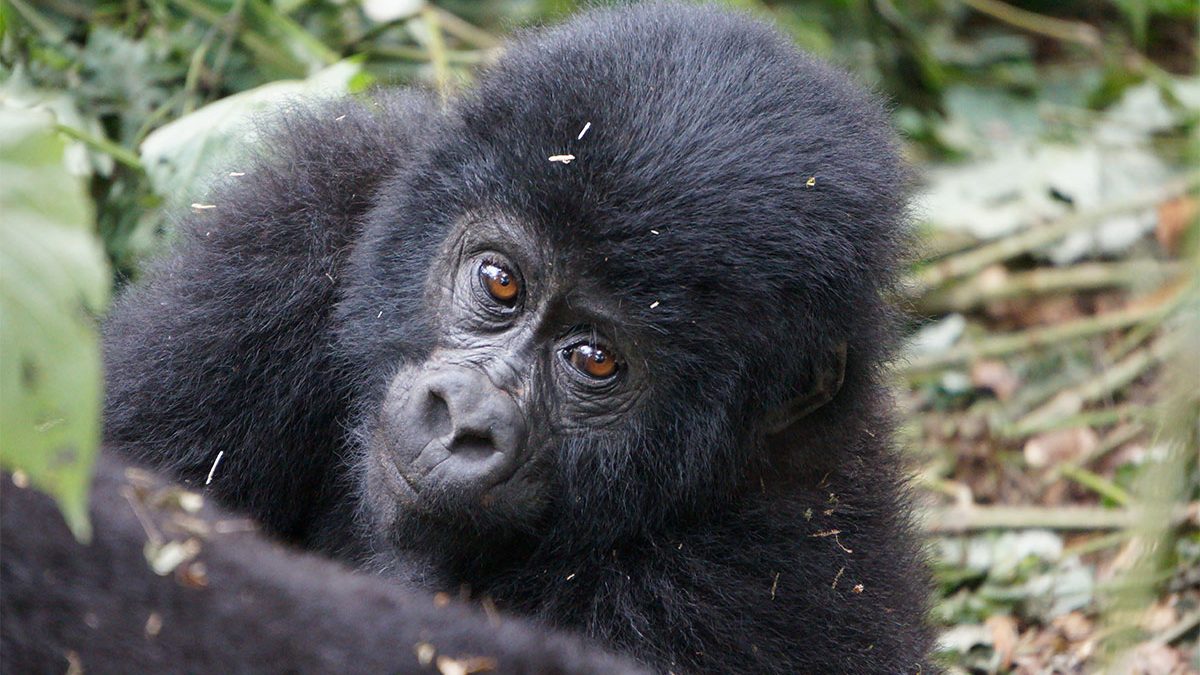
Uganda offers mountain gorilla trekking in two protected areas: Bwindi Impenetrable National Park and Mgahinga Gorilla National Park. Bwindi is the country’s principal gorilla destination and contains several trekking sectors, including Buhoma, Ruhija, Rushaga, and Nkuringo. Each sector has different habituated gorilla groups, accommodation choices, terrain, and road access. Choosing the correct trekking sector is extremely important because Bwindi is geographically large and traveling from one sector to another may require several hours.
Mgahinga Gorilla National Park is smaller and lies within Uganda’s section of the Virunga Mountains. It offers a different environment from Bwindi and can be particularly convenient for travelers entering Uganda from Rwanda. Uganda’s gorilla trekking experience is often described as more adventurous because Bwindi’s dense rainforest, steep ridges, valleys, tangled vegetation, and sometimes muddy trails can create demanding trekking conditions. However, many travelers consider this rugged environment one of the main attractions of a Uganda gorilla safari.
Gorilla Trekking in Rwanda and Uganda Permit Prices
Permit prices are one of the biggest differences between Gorilla Trekking in Rwanda and Uganda. Rwanda’s standard international gorilla permit costs USD 1,500 per person, while Uganda’s standard foreign non-resident permit costs USD 800 per person. For two travelers, Rwanda’s permits therefore cost USD 3,000 while Uganda’s cost USD 1,600, creating a difference of USD 1,400. For four travelers, that difference increases considerably and may influence the total safari budget.
However, travelers should avoid treating permit cost as the only factor. A Rwanda safari may require fewer transportation days because of the shorter distance between Kigali and Volcanoes National Park. Uganda may involve longer road transfers or optional domestic flights, especially when starting from Entebbe. For travelers planning only a short gorilla trek, Rwanda’s higher permit fee may be balanced by easier logistics. For travelers planning a longer safari, Uganda’s permit savings can free up money for additional destinations such as Kibale National Park, Queen Elizabeth National Park, Murchison Falls National Park, or Lake Mburo National Park.
Why Choose Rwanda for Gorilla Trekking?
Rwanda is particularly attractive for travelers who value convenience, efficient logistics, good roads, premium accommodation, and short travel times. The country is compact, which makes it possible to combine Kigali, Volcanoes National Park, Akagera National Park, Lake Kivu, and Nyungwe National Park within a relatively manageable itinerary. For travelers with limited time, Rwanda can deliver a high-quality African wildlife and primate experience without requiring many long days on the road.
Rwanda is also one of the strongest destinations for luxury gorilla safaris. The Volcanoes region has a wide selection of high-end properties offering private villas, sophisticated dining, wellness facilities, fireplaces, personalized service, and magnificent mountain views. Nevertheless, Rwanda is not exclusively a luxury destination. Midrange and more affordable accommodation is available in Musanze, Kinigi, and surrounding areas, allowing travelers to design different levels of safari comfort while using the same gorilla trekking permit.
Why Choose Uganda for Gorilla Trekking?
Uganda is ideal for travelers wanting a more extensive adventure at a lower permit cost. Bwindi’s rainforest environment creates an immersive trekking experience, while the country’s larger safari circuit allows visitors to combine gorillas with chimpanzees, big game, boat safaris, birdwatching, cultural encounters, and diverse landscapes. Uganda is often a particularly strong choice for travelers spending seven to fourteen days in East Africa because gorilla trekking can be incorporated naturally into a broader wildlife journey.
Another important advantage is flexibility. Uganda provides a wide variety of accommodation ranging from simple lodges to highly luxurious properties. Travelers can therefore design a budget, midrange, upper-midrange, or luxury gorilla itinerary. Uganda is especially appealing to travelers who want to spend more time exploring rather than flying in specifically for one short gorilla trek.
Rwanda vs Uganda Gorilla Trekking Difficulty
The difficulty of Gorilla Trekking in Rwanda and Uganda varies every day because gorillas move continuously through their natural habitat. A gorilla family that is relatively close to the trailhead today may move much farther away tomorrow. Weather, altitude, vegetation, mud, fitness level, and the location of the assigned gorilla family all influence trekking difficulty.
Volcanoes National Park in Rwanda includes bamboo forest, volcanic terrain, thick vegetation, and mountain slopes. Some treks can be comparatively manageable, while others require longer climbs. Bwindi in Uganda is often considered more physically demanding because of its dense jungle, steep ridges, valleys, streams, and slippery forest paths. However, difficulty cannot be guaranteed in advance in either country. Travelers concerned about fitness should communicate with their tour operator and park officials, and hiring a porter is highly recommended. Porters carry bags and camera equipment and can provide valuable physical support on difficult sections.
Gorilla Trekking for Senior Travelers
Senior travelers can successfully enjoy Gorilla Trekking in Rwanda and Uganda, provided they select an itinerary suited to their physical ability. Rwanda is frequently preferred by older travelers because of the shorter road journey from Kigali and the efficient tourism infrastructure surrounding Volcanoes National Park. Nevertheless, fit and active seniors also trek successfully in Bwindi.
Age itself is less important than mobility, balance, knee strength, cardiovascular fitness, and previous hiking experience. Travelers with concerns should discuss them before booking. Porters can significantly improve comfort, and taking time to train with walking, hiking, and moderate uphill exercise before the safari can make the experience more enjoyable.
Rwanda or Uganda for Luxury Gorilla Safaris?
For premium travelers, Rwanda has built an exceptionally strong reputation. The Volcanoes National Park region contains several world-class lodges designed specifically for luxury gorilla tourism. Visitors can combine a high-end Kigali hotel with premium accommodation near the park and continue to luxury properties around Akagera, Lake Kivu, or Nyungwe. This makes Rwanda particularly suitable for honeymooners, anniversary trips, VIP travelers, private families, and high-end wildlife photographers.
Uganda also provides outstanding luxury gorilla lodges, particularly around Bwindi. However, Uganda tends to offer a wider range of price categories, meaning travelers can combine a luxury gorilla lodge with more affordable accommodation elsewhere in the country. Therefore, Rwanda is particularly strong for concentrated premium travel, while Uganda offers greater flexibility across different budget levels.
Uganda Gorilla Habituation Experience
One of Uganda’s most distinctive advantages is the Gorilla Habituation Experience. Unlike a standard trek, where visitors normally spend up to one hour with a fully habituated gorilla family after locating it, the habituation experience allows considerably more time with gorillas undergoing the process of becoming accustomed to controlled human presence. The experience is particularly attractive to serious wildlife enthusiasts and photographers who want more observation time.
Rwanda does not currently offer an equivalent standard tourist gorilla habituation program. For travelers who want an extended gorilla encounter rather than a normal one-hour visit, Uganda therefore has a clear advantage.
Gorilla Photography in Rwanda and Uganda
Both countries are outstanding for gorilla photography, but they provide different visual environments. Rwanda’s Volcanoes National Park often features bamboo vegetation, volcanic slopes, mist, and dramatic mountain scenery. In certain areas, the vegetation can be more open, potentially providing cleaner compositions and clearer views of gorillas. The combination of gorillas and the volcanic landscape also makes Rwanda particularly attractive for destination photography.
Bwindi offers a denser, deeper rainforest atmosphere. Photographers encounter moss-covered trees, thick undergrowth, vines, dramatic shadows, and intense green vegetation. The setting can create striking images, although lower light and dense foliage may make photography technically challenging. A camera capable of handling higher ISO values, sufficient memory cards, extra batteries, and weather protection are valuable in either country.
Best Time for Gorilla Trekking in Rwanda and Uganda
Gorilla Trekking in Rwanda and Uganda is available throughout the year. Mountain gorillas remain in their natural habitats regardless of the season, and park authorities organize treks every day except where exceptional circumstances prevent access. Nevertheless, many travelers prefer the relatively drier periods from June to September and December to February because trails may be less muddy and easier to navigate.
The wetter months can also be rewarding. Forest vegetation becomes especially green, photography can be dramatic, and visitor numbers may be lower during certain periods. Rain can occur at any time because both gorilla habitats are tropical mountain environments. Therefore, travelers should always carry rain protection regardless of the month they visit.
What Happens During a Gorilla Trek?
A gorilla trekking day normally begins early. Guests leave their lodge and travel to the designated park reception or briefing point. Rangers explain safety rules, gorilla behavior, photography guidelines, forest etiquette, and health requirements. Visitors are then organized into trekking groups and assigned a habituated gorilla family. Trackers usually enter the forest before visitors to establish the gorillas’ approximate location.
The trek then begins under the leadership of professional guides and armed park rangers. The route may pass through farmland, bamboo zones, dense forest, mountain slopes, or muddy trails depending on the destination and gorilla location. Once the family is located, the official viewing period begins. Visitors normally remain quiet, follow ranger instructions, maintain the required distance whenever possible, and avoid sudden movements.
Meeting a Silverback Gorilla
For many travelers, seeing a silverback is the defining moment of Gorilla Trekking in Rwanda and Uganda. A mature silverback can appear extremely powerful, yet habituated families are accustomed to carefully controlled human visits. The dominant male may sit quietly while younger gorillas play nearby, or he may move through the group as mothers feed and juveniles climb vegetation.
Observing these interactions reveals the complex social structure of mountain gorillas. Instead of simply seeing an animal, visitors witness relationships, communication, leadership, parenting, curiosity, and play. This emotional and behavioral depth is one reason gorilla trekking often becomes the most memorable experience of an East African safari.
Can Visitors Touch Mountain Gorillas?
Visitors must never intentionally touch mountain gorillas. Gorilla trekking rules are designed to protect both visitors and the animals. Mountain gorillas are genetically close to humans and can be vulnerable to human illnesses. Travelers who are unwell should inform their guide before trekking, and park authorities may prevent participation when there is a serious risk of disease transmission.
Visitors must also follow ranger instructions regarding distance, movement, noise, food, flash photography, and other safety guidelines. Gorillas occasionally move closer than the recommended distance on their own, but travelers should remain calm and allow the rangers to manage the situation.
How Long Do You Spend With the Gorillas?
During a standard trek in both Rwanda and Uganda, visitors usually spend up to one hour with the gorilla family after locating it. Although one hour may sound short, it provides enough time to observe several interactions, take photographs, and appreciate the behavior of different family members.
Travelers often make the mistake of spending the entire hour behind a camera or phone. Taking photographs is important, but putting the camera down occasionally creates a stronger personal memory. Listening to the forest, watching the silverback, observing young gorillas play, and simply experiencing the environment can be just as meaningful as returning home with hundreds of photographs.
Gorilla Trekking in Rwanda and Uganda for Families
Families traveling with children old enough to meet gorilla trekking requirements can enjoy either destination. Rwanda is especially convenient for families who want to minimize long road journeys. A compact itinerary can combine Kigali, Volcanoes National Park, Akagera National Park, and Lake Kivu without excessive driving. This is particularly helpful for families who want wildlife variety but do not have two weeks available.
Uganda works well for families wanting a longer, more adventurous trip. Gorilla trekking can be combined with chimpanzees in Kibale, wildlife viewing in Queen Elizabeth National Park, boat cruises, cultural experiences, and other activities. Because permits represent a major expense for families, Uganda’s lower standard permit price can produce substantial savings.
Gorilla Trekking for Honeymooners
Both Rwanda and Uganda are excellent honeymoon destinations, but they appeal to slightly different travel styles. Rwanda suits couples wanting a refined and efficient journey with beautiful lodges, private vehicles, mountain scenery, and short transfers. A honeymoon can combine gorillas with golden monkeys, Lake Kivu, Akagera wildlife, Kigali dining, and luxury accommodation.
Uganda suits couples seeking a stronger sense of wilderness and adventure. A honeymoon can include Bwindi’s ancient rainforest, chimpanzee trekking, game drives, boat cruises, scenic crater lakes, and remote lodges. Couples with more time may find Uganda particularly rewarding because of the diversity of experiences available within one itinerary.
Gorilla Trekking for Budget Travelers
Uganda generally has the advantage for travelers watching their budget. The lower standard foreign non-resident gorilla permit means travelers can save hundreds of dollars per person before accommodation and transportation are considered. Uganda also has a large selection of budget and midrange lodges around its gorilla regions.
However, the cheapest permit does not automatically create the cheapest total safari. Long transfers from Entebbe, extra hotel nights, or domestic flights can add to the cost. Travelers focusing primarily on Bwindi can sometimes reduce transfer times by arriving through Kigali and crossing into Uganda by road. A professional tour operator can compare different routing options before the final itinerary is confirmed.
Which Is Better for a Short Gorilla Safari?
Rwanda is generally the strongest option for a very short gorilla safari because of the easy road connection between Kigali and Volcanoes National Park. Travelers can complete a one-day gorilla trek from Kigali with a very early departure, although staying overnight near the park is usually more comfortable. A two-day safari provides a relaxed transfer on the first day, gorilla trekking on the second day, and a return to Kigali afterward.
A three-day itinerary offers even greater flexibility, allowing travelers to add golden monkey trekking, the Ellen DeGeneres Campus of the Dian Fossey Gorilla Fund, cultural experiences, or sightseeing around Musanze. This makes Rwanda particularly attractive as an extension to another African trip.
Which Destination Is Better for a Long Safari?
Uganda becomes exceptionally attractive when travelers have seven days or more. A longer itinerary can combine Bwindi gorilla trekking with Queen Elizabeth National Park, Kibale National Park, Lake Mburo, Murchison Falls, or other destinations. This enables visitors to see mountain gorillas, chimpanzees, elephants, lions, hippos, buffaloes, antelopes, and numerous bird species within a single country.
Rwanda can also support longer itineraries by combining Volcanoes National Park with Akagera, Nyungwe, Lake Kivu, and Kigali. However, Uganda’s larger geography and extensive network of wildlife parks make it particularly strong for travelers who want a classic overland safari combined with primate trekking.
Combining Gorilla Trekking With Chimpanzee Trekking
Travelers interested in primates can combine gorilla and chimpanzee trekking in both countries. In Rwanda, Volcanoes National Park can be paired with chimpanzee trekking in Nyungwe National Park. A typical itinerary may travel from Kigali to Volcanoes, continue toward Lake Kivu, and then proceed to Nyungwe before returning to Kigali.
In Uganda, Bwindi combines naturally with Kibale National Park, one of Africa’s best-known chimpanzee trekking destinations. Travelers often include Queen Elizabeth National Park between the two areas, creating a diverse safari featuring gorillas, chimpanzees, savannah wildlife, and boat trips.
Combining Gorilla Trekking With a Wildlife Safari
Rwanda travelers can combine their gorilla trek with Akagera National Park. Akagera offers traditional savannah scenery, game drives, boat trips, and opportunities to see iconic African wildlife. Because Rwanda is relatively compact, visitors can experience gorillas and a conventional safari within a short itinerary.
Uganda provides even more extensive safari combinations. Queen Elizabeth National Park, Murchison Falls National Park, and Lake Mburo National Park all fit well into longer gorilla itineraries. This makes Uganda especially suitable for visitors who want to experience both primates and traditional big-game safari destinations.
Golden Monkey Trekking in Rwanda and Uganda
Golden monkey trekking is another excellent activity to combine with Gorilla Trekking in Rwanda and Uganda. Rwanda’s Volcanoes National Park makes it especially easy to schedule gorillas one morning and golden monkeys the following day. This provides travelers with two very different primate encounters in the same region.
Uganda also offers golden monkey experiences in Mgahinga Gorilla National Park. Therefore, visitors can create specialized primate itineraries focused on mountain gorillas, golden monkeys, chimpanzees, and other species.
Cultural Experiences Around Gorilla Parks
Travelers can enrich their gorilla safari by including community and cultural experiences. Around Volcanoes National Park, visitors can explore local villages, traditional cultural programs, craft centers, and conservation-focused attractions. Around Bwindi and Mgahinga, community tourism and Batwa-related experiences can introduce travelers to local history and traditions.
Responsible tourism is important. Travelers should choose operators and activities that respect communities, provide fair economic benefits, and avoid turning local culture into an exploitative attraction.
Rwanda vs Uganda Road Access
Rwanda’s road network and compact geography are major advantages. The route from Kigali toward Musanze is paved, scenic, and relatively straightforward. Many hotels and tourism attractions are conveniently connected, making Rwanda suitable even for visitors who do not enjoy long road journeys.
Uganda’s main highways are good in many areas, but southwestern routes can involve long distances and rougher final sections. A comfortable 4×4 vehicle is highly recommended, especially during wetter months. Despite the longer journeys, driving through Uganda provides beautiful views of villages, lakes, farmland, hills, and changing landscapes.
Accommodation for Gorilla Trekking in Rwanda and Uganda
Accommodation is available across many budget categories in both countries. Rwanda has built a particularly impressive high-end lodge sector around Volcanoes National Park, while still offering midrange and simpler options around Musanze and Kinigi. Travelers seeking exceptional service and exclusive settings can choose luxury lodges, while value-conscious visitors can stay in comfortable locally operated properties.
Uganda’s accommodation market is especially diverse. Bwindi has budget lodges, midrange cottages, upscale properties, and high-end forest retreats. Choosing accommodation close to the correct trekking sector is essential because staying in the wrong area can create difficult early-morning transfers.
Rwanda or Uganda for First-Time Visitors to Africa?
Rwanda is often an excellent choice for first-time visitors because of its compact layout and relatively easy logistics. Travelers can land in Kigali, use private transportation, and reach major destinations without complicated domestic connections. The ability to combine gorilla trekking with city experiences, cultural activities, and other parks also makes itinerary planning straightforward.
Uganda is equally rewarding for first-time visitors who want a longer safari. With transportation, permits, accommodation, and park activities professionally organized, the country is easy to explore despite greater travel distances. The final decision should depend on the type of experience rather than whether someone has previously visited Africa.
Solo Gorilla Trekking Safaris
Solo travelers can enjoy Gorilla Trekking in Rwanda and Uganda safely with proper organization. Rwanda is particularly convenient because of the short road transfer between Kigali and Volcanoes National Park. A solo traveler can book a private vehicle, join the allocated trekking group at the park, and return to Kigali without needing a long circuit.
Uganda may offer better permit value, although private road transport over longer distances can raise costs. Solo travelers can sometimes reduce expenses by joining suitable scheduled departures or sharing selected transportation arrangements.
Can You Trek Gorillas in Rwanda and Uganda on One Safari?
Yes. Combining both countries can be one of the best ways to experience mountain gorillas. Travelers can trek in Rwanda’s Volcanoes National Park before crossing into Uganda for another trek in Bwindi or Mgahinga. Although both experiences involve the same species, the environments are different enough to make each trek feel unique.
A combined itinerary can also include golden monkeys, Kigali, cultural experiences, Lake Kivu, and other attractions. Travelers who are passionate about primates or wildlife photography often find that trekking twice provides a deeper appreciation of gorilla behavior and the different conservation landscapes.
Example Rwanda and Uganda Gorilla Safari
A combined journey might begin with arrival in Kigali and a city tour before transferring to Volcanoes National Park. The following morning can be dedicated to gorilla trekking in Rwanda, followed by golden monkey trekking or another activity. The itinerary can then cross into Uganda for an overnight near Bwindi, followed by a second gorilla trek. Afterward, travelers may return to Kigali or continue deeper into Uganda for chimpanzees and wildlife.
This type of cross-border safari is ideal for travelers who want to compare Gorilla Trekking in Rwanda and Uganda rather than choosing only one destination.
What to Pack for Gorilla Trekking in Rwanda and Uganda
Proper clothing makes the trek much more comfortable. Waterproof hiking boots with good grip are among the most important items because trails can become muddy and slippery. Long trousers and long-sleeved shirts protect against vegetation, insects, and scratches. Gardening-style gloves can help when grabbing branches for balance, while a lightweight rain jacket is important because weather can change quickly.
Travelers should also carry drinking water, sunscreen, insect repellent, a small backpack, camera protection, spare batteries, and sufficient memory cards. Gaiters are useful in muddy conditions. Packing lightly is recommended, and hiring a porter makes the trek easier while also supporting local employment.
Responsible Gorilla Tourism
Responsible travel is central to Gorilla Trekking in Rwanda and Uganda. Gorilla tourism contributes to national park management, conservation programs, ranger employment, community development, and tourism-related livelihoods. Tourists support drivers, trackers, porters, lodge staff, craftspeople, farmers, guides, and many other local workers.
Travelers can strengthen this positive impact by choosing reputable operators, respecting gorilla trekking regulations, supporting community-based activities, reducing unnecessary waste, and treating local people and environments responsibly.
Common Gorilla Trekking Mistakes to Avoid
A frequent mistake is choosing a destination purely according to the permit price. Uganda’s permit is cheaper, but travelers need to calculate the complete cost of transportation, hotels, meals, flights, and additional activities. Another mistake is assuming that paying more in Rwanda guarantees a superior gorilla encounter. Both countries protect wild mountain gorillas, and sightings depend on the animals’ natural behavior.
Travelers visiting Bwindi should also avoid booking accommodation without confirming the trekking sector. Another common error is waiting too long to book permits, particularly during popular travel periods. Permit availability is limited, and larger groups may struggle to secure enough permits on the same date if they book late.
How Early Should You Book Gorilla Trekking?
Booking several months ahead is recommended, especially for travel during popular months. Early planning increases the chances of securing permits for the desired date and accessing preferred accommodation. Families, private groups, and travelers requiring several permits should book even earlier.
High-end lodges can also sell out in advance. Therefore, securing the gorilla permits and key accommodation is usually the first priority before finalizing secondary activities.
Is Gorilla Trekking Worth It?
For travelers passionate about wildlife, nature, photography, and unique experiences, gorilla trekking is widely regarded as worth the investment. The permit cost is significant, but the experience is intentionally limited to protect sensitive gorilla populations. Unlike a normal game drive, gorilla trekking places visitors inside a rare mountain ecosystem where they can observe one of humanity’s closest animal relatives at remarkably close range.
The combination of physical effort, anticipation, rainforest scenery, expert tracking, and the final encounter makes the experience difficult to compare with any other safari activity.
Gorilla Trekking in Rwanda and Uganda: Which Destination Is Better?
There is no universal winner because the best destination depends on the traveler. Rwanda is generally better for short trips, convenient access, premium accommodation, smooth logistics, and travelers arriving through Kigali. Uganda is generally better for lower permit costs, extensive trekking options, longer safari circuits, and travelers seeking a more adventurous rainforest experience.
Choose Rwanda if you want to spend only a few days on your gorilla safari and want to minimize long road transfers. Choose Uganda if you want to combine the gorilla trek with a wider wildlife circuit and reduce permit costs. Choose both if you want the fullest possible East African mountain gorilla experience.
Why Rwanda May Be Better for You
Rwanda should be high on your list if you value efficient transfers, excellent roads, short distances, premium accommodation, and easy access from Kigali. It is particularly strong for one-day, two-day, three-day, and luxury gorilla safaris.
Why Uganda May Be Better for You
Uganda is especially suitable if you value lower permit prices, dense forest trekking, wildlife diversity, extensive itineraries, chimpanzee trekking, and the possibility of a Gorilla Habituation Experience. It provides exceptional value for travelers with enough time to explore several regions.
Final Verdict on Gorilla Trekking in Rwanda and Uganda
Ultimately, Gorilla Trekking in Rwanda and Uganda should not be viewed as a competition in which one destination must defeat the other. Rwanda and Uganda provide different versions of an equally remarkable mountain gorilla experience. Rwanda is compact, accessible, refined, and particularly effective for short and luxury journeys. Uganda is adventurous, diverse, cost-effective at permit level, and ideal for longer safaris.
Travelers with enough time and budget can combine both destinations and experience the volcanic landscapes of Rwanda alongside the deep rainforest of Bwindi. For many wildlife enthusiasts, this is the ultimate option because it allows two gorilla treks, two different environments, and a much deeper appreciation of East Africa’s mountain gorillas.