Planning a gorilla safari is exciting, but good preparation makes the experience even better. This Gorilla Trekking Travel Checklist for International Visitors will help you prepare for one of Africa’s most unforgettable wildlife adventures. Whether you are trekking mountain gorillas in Rwanda or Uganda, packing the right gear and understanding the travel requirements will help you enjoy every moment.
Gorilla trekking takes place in tropical rainforests where the weather changes quickly. Trails can be muddy, steep, and sometimes slippery. Therefore, visitors should pack suitable clothing, comfortable hiking gear, and important travel documents before arriving. A little preparation goes a long way and allows you to focus on the incredible experience of meeting wild mountain gorillas.
Secure Your Gorilla Trekking Permit Early
The first item on every Gorilla Trekking Travel Checklist for International Visitors is a gorilla permit. Every visitor must have a valid permit before entering the national park. Permit numbers are limited each day to protect the endangered mountain gorillas and their habitat.
Rwanda offers gorilla trekking in Volcanoes National Park, while Uganda provides trekking in Bwindi Impenetrable National Park and Mgahinga Gorilla National Park. During the high season, permits often sell out several months in advance. Booking early guarantees your preferred travel dates and avoids disappointment.
Carry the Right Travel Documents
International visitors should ensure that all travel documents are valid before departure. Your passport should have at least six months of validity beyond your travel dates. Depending on your nationality, you may also need a visa to enter Rwanda or Uganda.
Keep digital and printed copies of your passport, travel insurance, gorilla permit, hotel confirmations, and flight tickets. Having backup copies is helpful in case of emergencies.
Travel insurance is highly recommended. It should cover medical expenses, trip cancellations, delays, and emergency evacuation if necessary.
Pack Comfortable Trekking Clothing
Choosing the right clothing is essential for a successful gorilla trek. Wear lightweight long-sleeved shirts and long trousers to protect yourself from insects, branches, and stinging plants. Neutral colors such as green, brown, or grey blend well with the forest environment.
A waterproof jacket is important because rain can fall at any time, even during the dry season. Layered clothing also helps you adjust to changing temperatures throughout the day.
Avoid bright colors and heavy cotton clothing that takes a long time to dry.
Wear Proper Hiking Boots
A strong pair of waterproof hiking boots is one of the most important items on your Gorilla Trekking Travel Checklist for International Visitors. Forest trails are often muddy, uneven, and steep. Boots with good ankle support reduce the risk of slipping and provide comfort during long walks.
Wear your hiking boots before your trip to make sure they are comfortable. New boots should be broken in to avoid blisters during the trek.
Essential Gear to Pack
Besides clothing, several accessories will make your trek more comfortable. A small backpack is useful for carrying water, snacks, sunscreen, insect repellent, gloves, and your camera.
Gardening gloves are surprisingly useful because they protect your hands when holding branches or climbing steep sections of the trail. A reusable water bottle helps you stay hydrated throughout the hike.
Binoculars are also recommended if you enjoy birdwatching or spotting other wildlife in the forest.
Camera and Photography Tips
Meeting mountain gorillas is a once-in-a-lifetime experience, so most visitors want great photographs. Bring a good camera with enough memory cards and fully charged batteries.
Flash photography is not allowed because it may disturb the gorillas. A camera with good low-light performance works best in the rainforest, where sunlight is often limited by the thick forest canopy.
Remember to spend time enjoying the experience rather than looking through your camera the entire time.
Stay Healthy Before Your Trek
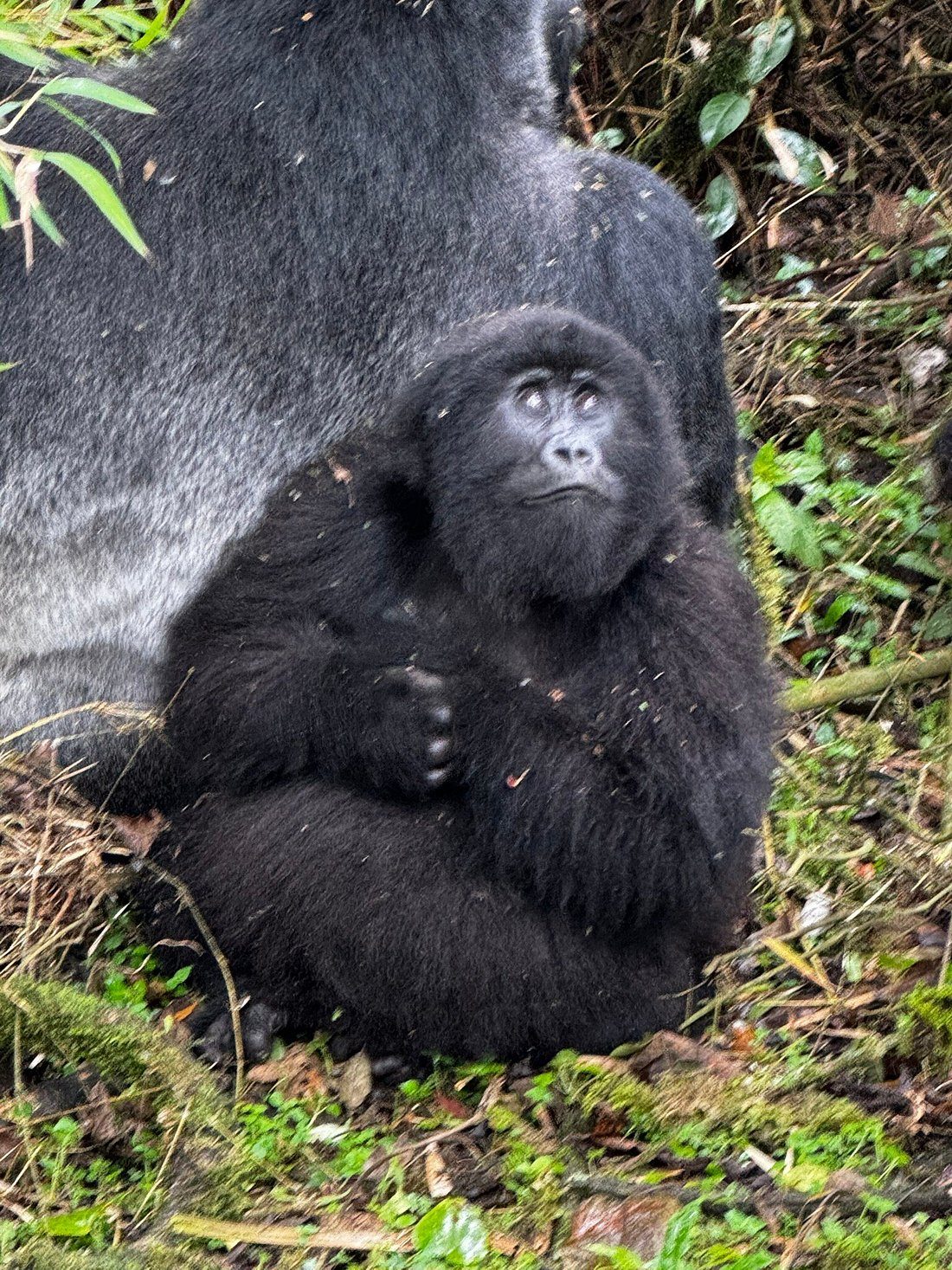
Mountain gorillas share almost 98 percent of their DNA with humans. As a result, they can catch many human illnesses.
If you feel sick before your trek, inform your tour operator or park authorities immediately. Visitors with contagious illnesses may not be allowed to participate in order to protect the gorillas.
Carry any personal medication you may need during your safari. It is also wise to pack hand sanitizer, basic first aid supplies, and insect repellent.
Understand Gorilla Trekking Rules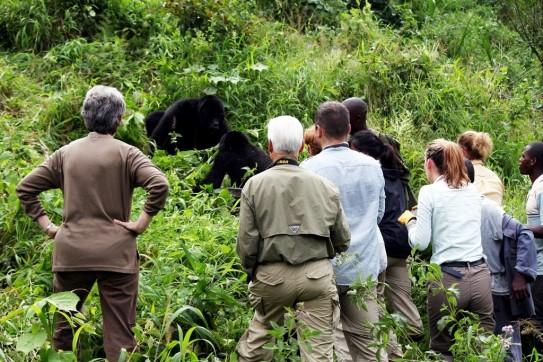
Every visitor receives a briefing before entering the forest. Rangers explain the safety rules and conservation guidelines that protect both visitors and gorillas.
Always keep a distance of at least seven meters from the gorillas whenever possible. Speak quietly and avoid sudden movements. Never feed the animals or leave litter inside the park.
You are allowed to spend one hour with the gorilla family after they are located. This rule helps minimize stress on the animals while giving every visitor an unforgettable experience.
Best Time for Gorilla Trekking
Gorilla trekking is available throughout the year. However, many international visitors prefer the dry seasons from June to September and December to February because hiking conditions are generally easier.
The rainy seasons offer greener landscapes, fewer tourists, and excellent photography opportunities. Although trails become muddier, gorilla sightings remain excellent throughout the year because the gorillas do not migrate.
Each season offers a different but equally rewarding experience.
Combine Gorilla Trekking with Other Safari Experiences
Many travelers combine gorilla trekking with other adventures to create a complete East African holiday. Rwanda offers chimpanzee trekking in Nyungwe National Park, Big Five safaris in Akagera National Park, cultural tours in Kigali, and relaxing stays on Lake Kivu.
Uganda offers chimpanzee tracking in Kibale National Park, wildlife viewing in Queen Elizabeth National Park, boat cruises, birdwatching, and scenic drives through beautiful countryside.
Combining these destinations allows visitors to experience the best of East Africa in one unforgettable journey.
Why Travel with Universal Ventures Rwanda?
Universal Ventures Rwanda specializes in personalized gorilla trekking tours and luxury wildlife safaris across Rwanda and Uganda. Our experienced local guides handle every detail, including gorilla permits, accommodation, transportation, and safari planning.
We design tailor-made itineraries for solo travelers, couples, families, photographers, honeymooners, and private groups. Our goal is to provide safe, comfortable, and unforgettable travel experiences while supporting wildlife conservation and local communities.
Final Thoughts
Following this Gorilla Trekking Travel Checklist for International Visitors helps you prepare for one of Africa’s greatest wildlife experiences. Packing the right gear, booking permits early, understanding park rules, and choosing a trusted tour operator will make your adventure smooth and enjoyable.
Whether you dream of trekking gorillas in Rwanda’s Volcanoes National Park or Uganda’s Bwindi Impenetrable National Park, careful planning ensures that your safari becomes a lifetime memory.
Contact Universal Ventures Rwanda
Universal Ventures Rwanda
📍 Address: KK 15 Rd, Kigali, Rwanda
📞 Phone / WhatsApp: +250 781 441 853
📧 Email: info@universalventuresrwanda.com
🌍 Website: www.universalventuresrwanda.com
Plan your gorilla trekking adventure with Universal Ventures Rwanda and experience expertly guided safaris, personalized itineraries, premium accommodation, and unforgettable encounters with the endangered mountain gorillas of Rwanda and Uganda.