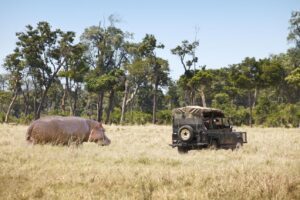
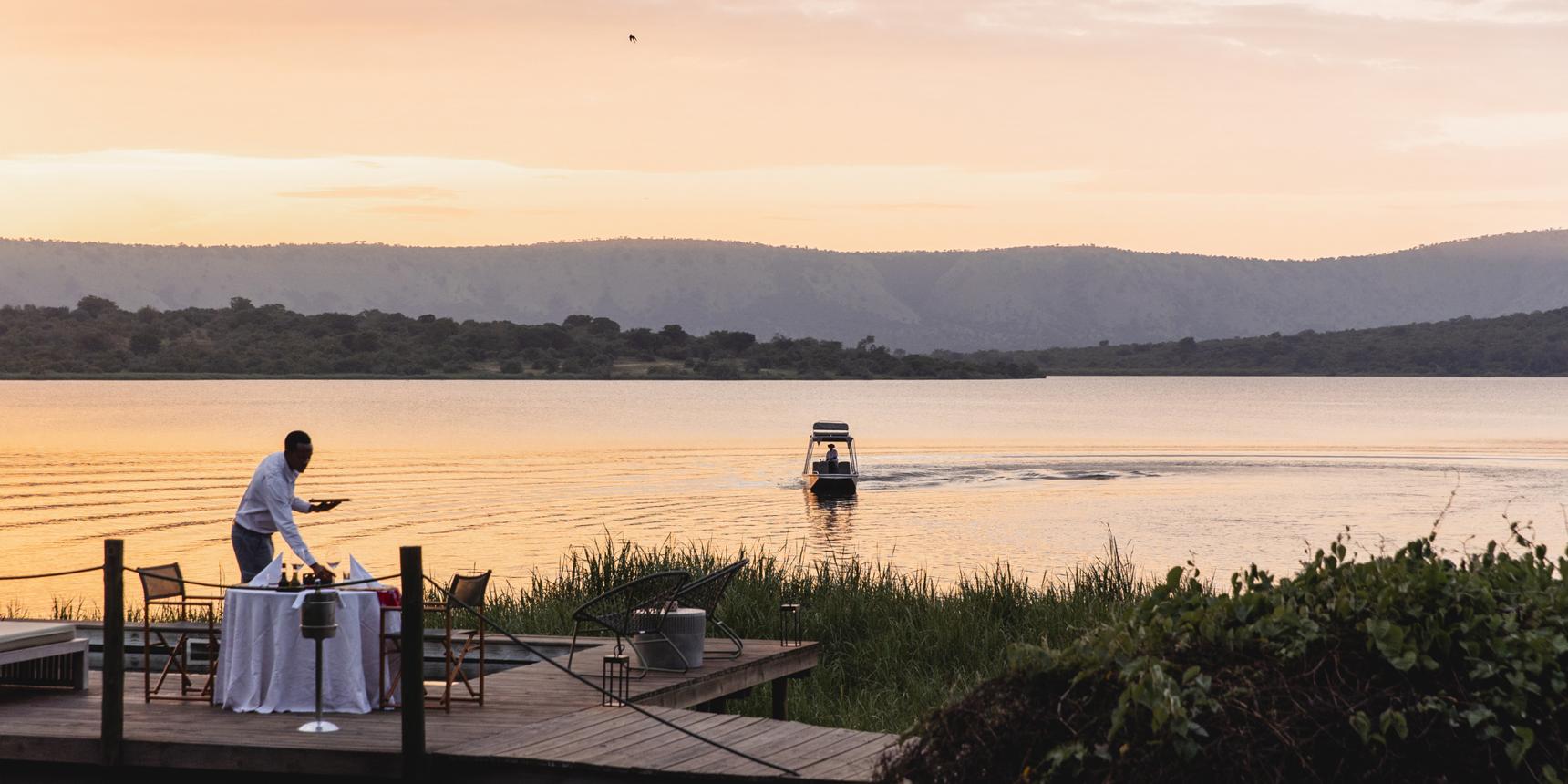
The Lake Ihema Wildlife Experience offers one of the most peaceful and rewarding ways to explore Akagera National Park. Instead of watching wildlife exclusively from a safari vehicle, visitors travel across the lake in a guided boat and observe animals from the water. Hippos surface beside papyrus-fringed bays, Nile crocodiles rest along the shoreline, African fish eagles call from tall trees, and buffaloes sometimes gather near the water to drink.
Located in eastern Rwanda near the Tanzanian border, Lake Ihema forms an essential part of Akagera’s vast wetland system. The lake supports aquatic mammals, reptiles, fish, insects and an impressive variety of birds. Its permanent water also attracts terrestrial wildlife, particularly during dry periods when animals search for reliable drinking places.
A Lake Ihema boat safari complements the traditional game drive perfectly. While a drive across Akagera’s savannah focuses on lions, elephants, rhinoceroses, giraffes, zebras and antelopes, the boat excursion reveals an entirely different ecosystem. Visitors move quietly through open water and sheltered channels while learning about wetland conservation, birdlife and the relationship between land and water.
The experience suits couples, families, solo travelers, photographers, birdwatchers and anyone seeking a slower wildlife encounter. It can form part of a one-day Akagera safari from Kigali, although spending one or two nights in the park creates a more relaxed itinerary.
Where Is Lake Ihema?
Lake Ihema lies in the southern region of Akagera National Park in Rwanda’s Eastern Province. The national park extends along the country’s border with Tanzania and protects a diverse landscape of savannah, woodland, lakes, papyrus swamps and rolling hills.
Akagera lies approximately 110 kilometres from Kigali. Reaching the park’s southern entrance generally takes two to two and a half hours by road. After registration, visitors continue toward the lake or their selected lodge, depending on the activity schedule.
Lake Ihema is the largest lake within Akagera National Park and one of Rwanda’s most important inland bodies of water. Several sources describe it as Rwanda’s second-largest lake, while geographical definitions differ depending on whether lakes shared with neighbouring countries are included. What matters for travelers is that Lake Ihema represents one of the largest and richest wetland environments inside Rwanda.
The lake connects to a wider network of channels, marshes and neighboring lakes associated with the Akagera River system. Papyrus beds, shallow bays, islands and open water create numerous habitats within a relatively compact area.
These connected habitats explain the lake’s remarkable wildlife diversity. Hippos spend daylight hours in the water, crocodiles use quiet banks for basking, fish attract hunting birds, and grazing animals visit the shoreline.
Why the Lake Ihema Wildlife Experience Is Special
Many African safaris take place entirely inside a vehicle. Although game drives provide exceptional opportunities to see large mammals, a boat safari changes the traveler’s perspective.
From the water, visitors can observe the details of the wetland environment. Malachite kingfishers flash between reeds, pied kingfishers hover above the lake, fish eagles watch from exposed branches, and herons move slowly through shallow water. Hippos appear at eye level rather than far below a raised road, while crocodiles blend almost invisibly into muddy shorelines.
The boat’s gentle movement creates a peaceful atmosphere. Without the vibration and dust of a long game drive, travelers can concentrate on birdsong, rippling water and animal behavior. The open view also makes the excursion suitable for landscape and wildlife photography.
Lake Ihema remains particularly valuable during the dry season. As smaller water sources shrink, mammals move toward permanent lakes and wetlands. Buffaloes, elephants, antelopes and other animals may appear along the shore, adding unexpected land-based sightings to the aquatic safari.
However, every trip differs. Wildlife moves naturally, water levels change and seasonal vegetation affects visibility. No responsible operator can guarantee a particular sighting, but hippos, crocodiles and waterbirds appear regularly.
Lake Ihema Boat Safari in Akagera National Park
The boat safari normally lasts approximately one hour, although private arrangements and specialized excursions may offer different durations. A trained captain and guide accompany visitors and explain the wildlife, wetland ecosystem and conservation work taking place in Akagera.
Scheduled departures generally operate in the morning and afternoon. The official Akagera website lists boat excursions at 7:30 a.m., 9:00 a.m., 3:00 p.m. and 4:30 p.m., with private trips available at other times. Because schedules can change, confirm the departure directly with the park or your tour operator before traveling. Akagera’s official visitor information provides the latest general activity details.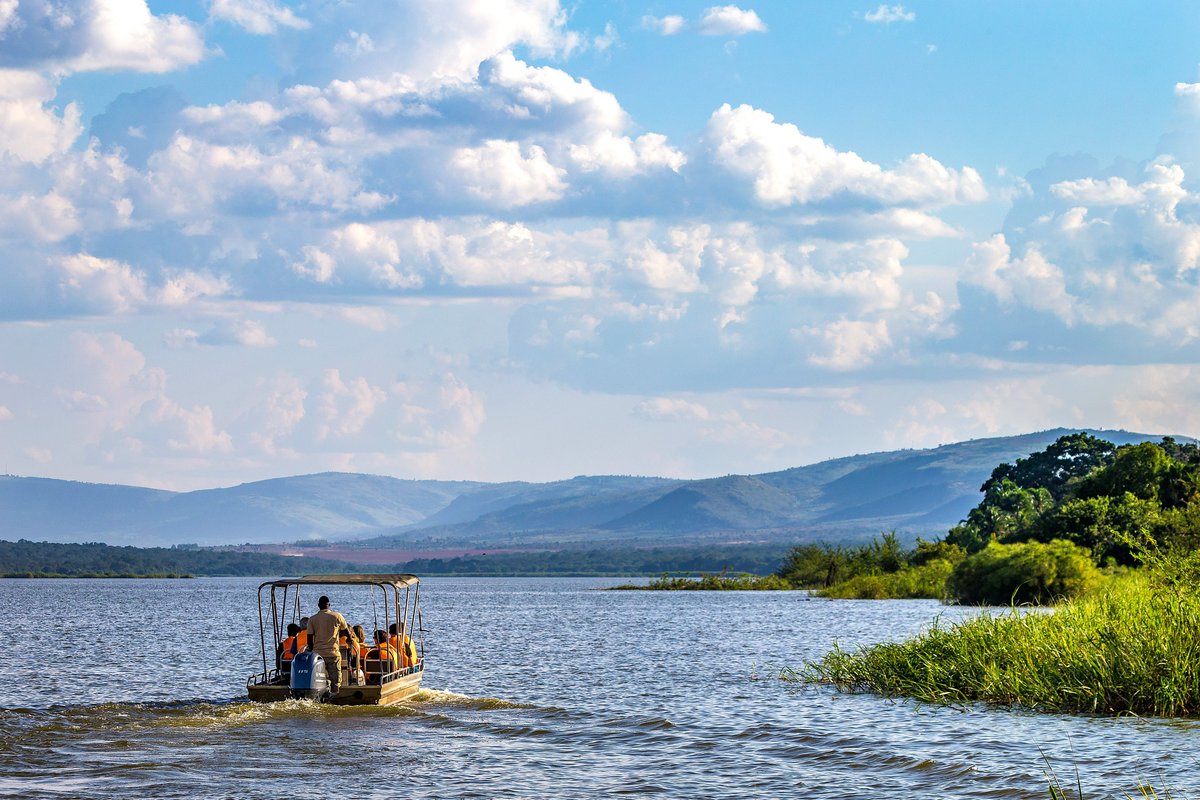
After boarding, the boat moves away from the landing point and follows suitable sections of the lake. The exact route depends on water conditions, wildlife locations and the captain’s safety assessment.
Passengers must remain seated when instructed and avoid sudden movements. The guide maintains a respectful distance from hippos, crocodiles and animals along the shore. These precautions protect both guests and wildlife.
The experience does not involve feeding, touching or approaching animals unnaturally. Lake Ihema remains a wild ecosystem, and responsible observation forms an important part of the excursion.
Hippos on Lake Ihema
Hippopotamuses rank among the leading attractions of the Lake Ihema Wildlife Experience. Groups often rest together in the water during daylight hours, with only their eyes, ears and nostrils visible above the surface.
Hippos use the lake to remain cool and protect their skin from direct sunlight. At night, they leave the water and travel onto land to graze. Although their rounded appearance sometimes looks calm or even playful, hippos are powerful, territorial wild animals.
A trained boat captain understands hippo behavior and maintains a safe route. Visitors should remain quiet, follow instructions and never encourage the boat to approach too closely for a photograph.
Young hippos may appear beside their mothers, while dominant adults watch the surrounding water. Guests sometimes hear deep grunts before locating the animals visually. These calls travel across the lake and contribute to its memorable atmosphere.
Photography can be challenging because hippos may submerge without warning. Keep the camera ready, use a fast shutter speed and avoid waiting only for an open-mouth photograph. Images of eyes above the water, family groups or backlit spray can communicate the experience more naturally.
Nile Crocodiles in Lake Ihema
Nile crocodiles represent another major highlight of a Lake Ihema boat trip. They may bask on exposed banks, rest near vegetation or remain almost completely hidden below the water.
Their natural camouflage makes them difficult to notice. A crocodile lying beside the shore can resemble a fallen branch or dark patch of mud until the guide points it out.
Crocodiles regulate their body temperature by moving between land and water. On warm days, visitors may see them resting with open mouths. This behavior helps release heat and does not necessarily indicate aggression.
Large adults deserve considerable respect. Boat crews avoid interfering with crocodiles and keep passengers at a safe distance. Guests should never place their hands in the water or ignore the captain’s instructions.
The opportunity to observe these ancient reptiles in their natural habitat adds excitement to the otherwise calm cruise. Moreover, their presence demonstrates the ecological health and complexity of Lake Ihema’s food web.
Birds of Lake Ihema
Birdwatching forms a central part of the Lake Ihema Wildlife Experience. Akagera National Park protects savannah, woodland and wetland species, making it one of Rwanda’s most rewarding birding destinations.
African fish eagles are among the lake’s most recognizable birds. Their striking plumage, powerful flight and distinctive calls make them a favorite among both first-time visitors and experienced birdwatchers.
Several kingfisher species may appear around Lake Ihema. Pied kingfishers often hover before diving into the water, while malachite kingfishers bring intense flashes of blue and orange to the papyrus edges.
Herons, egrets, cormorants, pelicans, storks, jacanas and African darters also occupy the wetlands. Some hunt from the shallows, others dry their wings on branches, and many fly between feeding and nesting areas.
Papyrus vegetation creates specialized habitat for wetland birds. Species such as the papyrus gonolek and other swamp-associated birds attract dedicated birders. Shoebills occur within the wider wetland ecosystem, but they remain elusive and should never be promised as a guaranteed sighting.
The official and specialist park information reports more than 500 bird species across Akagera’s varied habitats. Bird diversity therefore extends far beyond the species visible during a single boat trip. Akagera National Park’s visitor guide highlights Lake Ihema’s waterbirds and the papyrus wetlands as important birding areas.
For the best birding experience, bring binoculars and travel with a knowledgeable guide. Morning trips often provide active feeding behavior, clearer calls and cooler conditions.
Other Wildlife Around Lake Ihema
Hippos, crocodiles and birds dominate most Lake Ihema cruises, but other animals may visit the shoreline.
Buffaloes sometimes rest or drink near the water. Their dark bodies stand out against green vegetation during the wet season but can blend into shaded areas during dry months.
Elephants may appear along the shore, particularly when seeking water or fresh vegetation. Watching an elephant drink from a boat provides a very different perspective from seeing the same animal during a game drive.
Waterbucks, bushbucks and other antelopes use the vegetation around wetland environments. Vervet monkeys and olive baboons may also appear in wooded areas.
Monitor lizards can sometimes be found near the shore, while butterflies, dragonflies and smaller aquatic creatures contribute to the lake’s biodiversity.
Not every visitor will see all these animals. The strength of a natural safari lies in its unpredictability. Each excursion reflects the season, time of day and wildlife movement.
Best Time for the Lake Ihema Wildlife Experience
Lake Ihema provides wildlife viewing throughout the year. However, the seasons influence water levels, vegetation, bird activity and shoreline sightings.
Lake Ihema During the Long Dry Season
The long dry season normally extends from June to September. Rainfall decreases, vegetation becomes less dense, and wildlife often concentrates near dependable water sources.
These conditions may improve opportunities to see buffaloes, elephants and antelopes near the shoreline. Clearer skies can also support wildlife photography, although midday light may become harsh.
The dry season attracts many international visitors. Therefore, reserve your boat trip, accommodation and safari vehicle well in advance.
Dust may affect the game-drive portion of the safari, but the boat cruise provides a refreshing break from dry tracks.
Lake Ihema During the Short Dry Season
The period from around December to February often offers another favorable travel window. Conditions vary from year to year, yet visitors may experience warm days, manageable roads and productive game viewing.
The landscape can retain more green vegetation than it does late in the long dry season. This mixture of color and wildlife makes the period attractive to photographers.
Lake Ihema During the Rainy Seasons
Rwanda’s wetter periods generally occur from March to May and again around October and November. Rain transforms the park into a green, vibrant environment.
Bird activity can become especially rewarding. Breeding plumage, courtship displays, migrant species and abundant insects create excellent opportunities for bird enthusiasts.
Clouds soften the light and produce dramatic skies over the water. Meanwhile, fresh vegetation adds color to photographs.
Heavy rain may occasionally affect roads or boat schedules. A four-wheel-drive vehicle remains the safest choice for reaching and exploring Akagera during wet conditions.
Morning Boat Safari on Lake Ihema
A morning excursion suits birdwatchers, photographers and visitors who enjoy cooler conditions. Calm water and soft light can create beautiful reflections near the papyrus and wooded shoreline.
Birds often feed actively during the early hours. Kingfishers hunt, herons patrol shallow areas, and fish eagles scan the lake from high branches.
Hippos generally remain in the water after returning from nighttime grazing. Their activity may vary, but the cooler conditions can make wildlife observation comfortable.
A morning boat cruise can be followed by a game drive through the southern part of Akagera. Alternatively, visitors staying inside the park can complete an early drive first and join a later morning departure.
Good scheduling matters. The distance from Kigali makes the earliest departure difficult for same-day visitors unless they leave the city extremely early. Spending the previous night near or inside Akagera creates a more relaxed experience.
Afternoon Boat Safari on Lake Ihema
An afternoon boat trip fits naturally into the first day of an overnight Akagera safari. Visitors can leave Kigali in the morning, arrive at the park, enjoy lunch and then board a scheduled afternoon cruise.
The light becomes warmer as the day progresses. Animals may approach the water after spending the hottest hours in shade, while birds remain active around feeding areas.
An afternoon safari can also provide a welcome rest after several hours on game-drive tracks. The change from vehicle to boat gives passengers more space, fresh air and a new view of the landscape.
Rain showers occur more frequently during some afternoons in the wet seasons. Carry a light waterproof jacket and protect cameras and electronic equipment.
Lake Ihema Sunset Boat Safari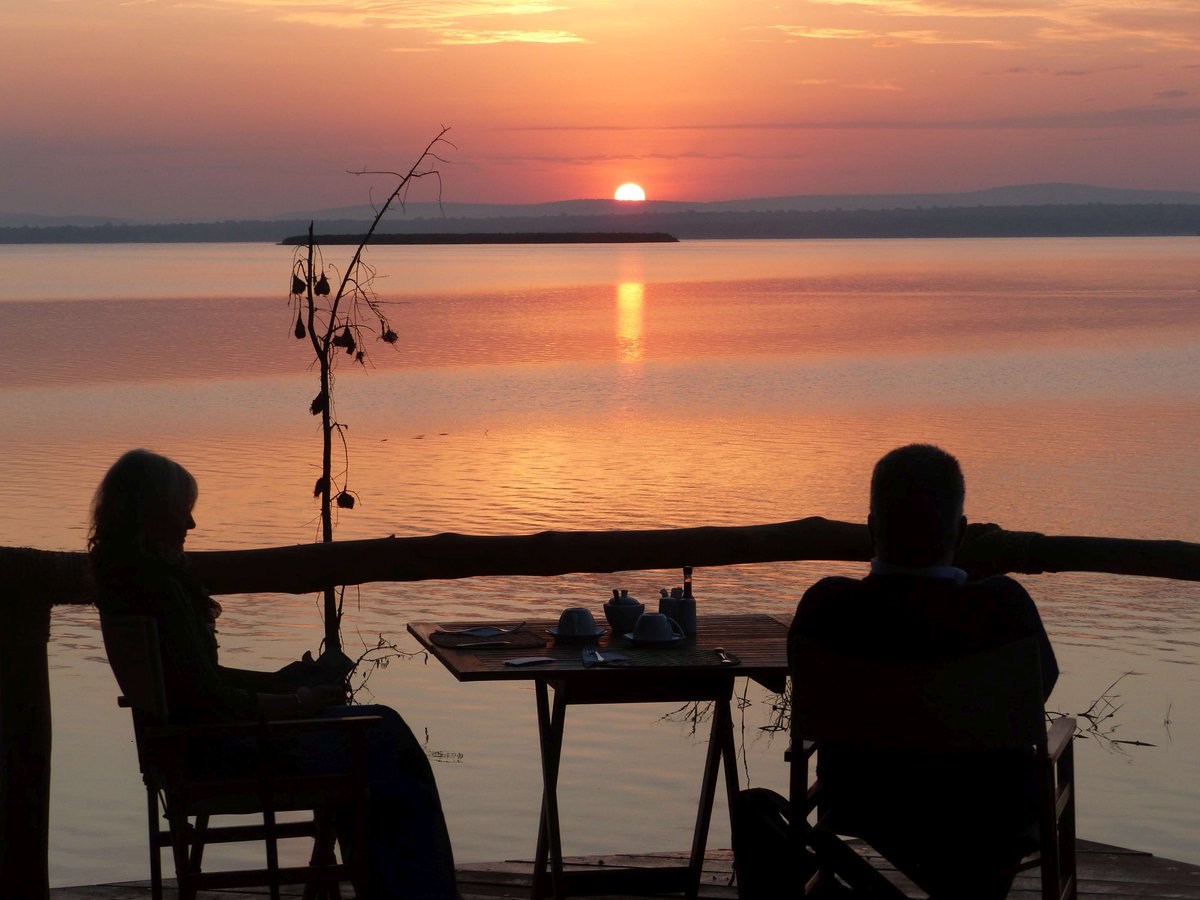
The late-afternoon or sunset departure is one of the most atmospheric ways to experience the lake. As the sun moves lower, golden light spreads across the water and silhouettes birds, papyrus and shoreline trees.
Hippo sounds, bird calls and soft evening colors create a strong sense of wilderness. Photographers can capture reflections, backlit animals and wide landscapes that would look completely different in harsh midday light.
Sunset trips are popular, so advance booking is important. The precise quality of the sunset depends on cloud cover and weather, but even an overcast evening can produce soft, dramatic scenery.
After the cruise, guests should return to their lodge or camp according to park regulations. Day visitors must also consider gate-closing times and the long drive back to Kigali.
How Much Does a Lake Ihema Boat Safari Cost?
Published park information commonly lists scheduled daytime boat trips at approximately USD 35 per adult and sunset trips at approximately USD 45. Private boats can also be arranged at a higher fixed rate.
Prices can change, while child rates, resident rates and private charter conditions may differ. Therefore, confirm the final cost during booking rather than relying exclusively on an older article.
The boat fee usually does not replace the Akagera National Park entrance fee. Visitors may also need to pay vehicle entry, transport, guiding and other safari costs.
A complete Akagera tour price may include:
- Transportation from Kigali
- A private 4×4 safari vehicle
- Professional driver-guide
- Akagera entrance fees
- Vehicle entry
- Lake Ihema boat excursion
- Game drive
- Lunch and bottled water
- Accommodation for overnight tours
- Pickup and drop-off in Kigali
Before confirming a package, request a clear list of inclusions and exclusions. Comparing only the headline price can be misleading because some offers exclude the park entrance or boat activity.
How to Reach Lake Ihema from Kigali
Lake Ihema lies inside Akagera National Park, around two to two and a half hours from Kigali’s city center under normal driving conditions.
The usual road passes east through Rwamagana and Kayonza before continuing toward the park’s southern entrance. The main highway is generally paved, although tracks inside Akagera remain unpaved.
Travelers joining a morning game drive and afternoon boat safari should leave Kigali early. A departure around 5:00 a.m. allows time for park registration and wildlife viewing before the cruise.
Those traveling only for a boat excursion may leave later. Nevertheless, combining the lake with a game drive provides greater value because visitors can experience both aquatic and terrestrial wildlife.
Public transportation does not provide a practical direct safari solution. Travelers would still need suitable transport inside the national park. A private 4×4 with an experienced guide offers the easiest arrangement.
Combining Lake Ihema with an Akagera Game Drive
The best Akagera itinerary combines a traditional game drive with the Lake Ihema Wildlife Experience. These activities reveal two distinct parts of the ecosystem.
A game drive crosses savannah, acacia woodland, hills and open plains. Travelers may encounter lions, rhinoceroses, elephants, buffaloes, giraffes, zebras, topis, impalas, warthogs and baboons.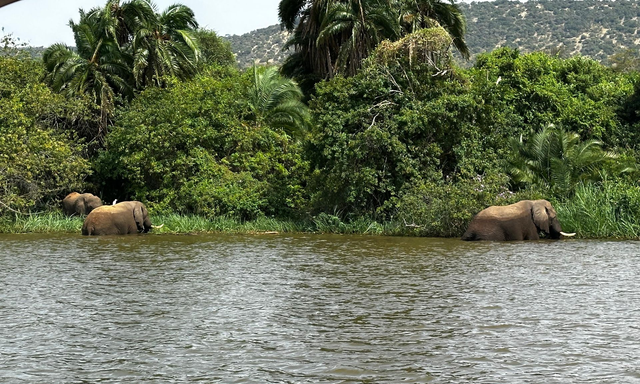
The boat trip focuses on wetlands, papyrus, islands and shoreline wildlife. Hippos, crocodiles and waterbirds become the principal attractions.
A one-day combination is possible, but the schedule will be long. Visitors should leave Kigali before sunrise and select a boat departure that fits the game-drive route.
A two-day itinerary provides a better pace. Spend the first afternoon on Lake Ihema, stay overnight, and begin a full game drive early the next morning. This plan improves the chances of seeing active predators and allows enough time to cross more of the national park.
Suggested One-Day Lake Ihema and Akagera Itinerary
Leave Kigali between 4:30 and 5:00 a.m. in a private safari vehicle. Travel through Rwanda’s Eastern Province and reach Akagera National Park in the early morning.
After registration, begin a game drive in the southern sector. Search for giraffes, zebras, elephants, buffaloes, antelopes and predators while moving through changing habitats.
Join a scheduled Lake Ihema boat excursion according to the confirmed reservation. Spend approximately one hour observing hippos, crocodiles, waterbirds and shoreline scenery.
After the cruise, enjoy lunch at an authorized location before continuing the game drive. Depending on the selected route and available time, either exit from the south or continue farther north.
Return to Kigali in the evening. Arrival commonly occurs between 7:00 and 8:00 p.m., although weather, traffic and wildlife encounters may affect the schedule.
Suggested Two-Day Lake Ihema Wildlife Experience
Day One: Kigali to Akagera and Lake Ihema Boat Safari
Leave Kigali after breakfast or in the early morning. Drive through Eastern Province and arrive at Akagera’s southern entrance.
Complete registration, enjoy a short game drive and proceed to your lodge or the boat departure area. After lunch, join an afternoon or sunset cruise on Lake Ihema.
Observe hippos, crocodiles and birds while learning about the wetland ecosystem. Afterward, return to the lodge for dinner and an overnight stay. Guests may also add a guided night drive when schedules and accommodation arrangements permit.
Day Two: Full Akagera Game Drive and Return to Kigali
Begin the game drive shortly after sunrise. Travel north through woodland, savannah, wetlands and open plains while looking for Akagera’s Big Five and other animals.
Stop for a picnic lunch in an authorized area. Continue through the northern landscapes and exit the park in the afternoon before returning to Kigali.
This two-day arrangement reduces pressure and provides a fuller understanding of Akagera.
Lake Ihema Wildlife Photography
Lake Ihema gives photographers opportunities that differ from those available during a vehicle safari. Water reflections, low viewing angles, flying birds and dramatic skies add variety to an Akagera photography portfolio.
A telephoto lens helps capture hippos, crocodiles and birds without asking the captain to approach too closely. A lens in the medium telephoto range can work well for larger animals, while a longer lens supports bird photography.
Use a fast shutter speed when photographing birds in flight or hippos surfacing. Image stabilization helps because the boat moves gently even when the water appears calm.
Protect equipment from spray and unexpected rain. A waterproof camera cover, dry bag or simple protective wrap can prevent damage.
Avoid changing lenses frequently on the boat. Moisture, dust and limited space make lens changes inconvenient. If possible, carry two camera bodies or select a versatile lens before departure.
Respect other passengers. Do not stand suddenly, block their view or lean outside the boat. Excellent wildlife photography never justifies unsafe behavior.
What to Wear on a Lake Ihema Boat Safari
Wear light, comfortable clothing in neutral colors. Long sleeves can provide protection from sun and insects, while breathable fabric helps during warm conditions.
A hat, sunglasses and sunscreen remain essential because sunlight reflects from the water. Even a cool morning can cause sun exposure during a full hour on the lake.
Bring a light jacket for early morning and sunset excursions. Wind across the water may make the temperature feel cooler than it does on land.
Comfortable closed shoes work well, although the activity does not require hiking. Avoid loose items that could blow into the lake.
During the rainy seasons, carry a light waterproof jacket. Ask whether the boat provides additional rain protection, but always protect personal electronics independently.
What to Bring
Binoculars significantly improve bird and shoreline viewing. Even when wildlife appears near the boat, binoculars reveal feather patterns, facial details and behavior.
Bring drinking water, personal medication, identification and confirmation of your activity booking. A camera, spare battery and sufficient memory space are also useful.
Pack insect repellent, especially for early morning and evening trips. However, avoid spraying strong products close to other guests or directly over the water.
A compact field guide or birding application can help identify species after the guide points them out. Keep your phone secured to prevent it from falling into the lake.
Safety on Lake Ihema
Boat excursions operate with trained staff and established safety procedures. Nevertheless, visitors share responsibility for following instructions.
Wear the provided life jacket correctly. Remain seated when asked, keep hands out of the water and avoid sudden movement.
Never pressure the captain to approach a hippo, crocodile or elephant more closely. Hippos can move quickly and may react defensively if they feel blocked or threatened.
Parents should supervise children throughout the activity. Confirm age restrictions and child-safety arrangements before booking.
Swimming is not permitted. Lake Ihema contains hippos, crocodiles and other natural risks, so visitors should treat the water as a wildlife habitat rather than a recreational swimming area.
Weather may affect departures. Park staff can delay, change or cancel an excursion if conditions become unsafe. Follow their decision even when the sky appears manageable from the shore.
Is Lake Ihema Suitable for Families?
Yes, the Lake Ihema boat safari can provide an excellent family experience. Children often enjoy spotting hippos, crocodiles and colorful birds from the water.
The excursion is shorter than a full-day game drive and offers a welcome change of activity. It can therefore help families maintain children’s interest during a multi-day safari.
Parents should explain the rules before boarding. Children must remain calm, follow the guide’s directions and avoid leaning over the side.
A private boat may provide greater flexibility for larger families, depending on availability and budget. Confirm child rates, minimum ages and life-jacket sizes when reserving.
Lake Ihema for Birdwatchers
Dedicated birders should allocate more than one hour to Akagera’s wetlands and surrounding habitats. A scheduled boat safari provides an excellent introduction, but a customized itinerary offers greater flexibility.
The morning generally produces active bird behavior and better opportunities to identify calls. Papyrus channels and quieter shorelines may hold specialized species, while open water attracts fish-eating birds.
Combine the boat excursion with drives around wetland margins, woodland and savannah. This approach increases the diversity of sightings.
A specialist bird guide adds considerable value. Experienced guides recognize calls, seasonal movements and habitat preferences that general visitors may overlook.
Although rare species create excitement, birders should appreciate the entire community. Common herons, weavers, kingfishers and cormorants often display fascinating feeding, nesting and social behavior.
Lake Ihema for Couples and Honeymooners
An afternoon or sunset cruise creates a calm and romantic addition to a Rwanda honeymoon safari. The wide lake, warm light and sounds of nature provide a gentle contrast to early-morning gorilla trekking or full-day game drives.
Couples may arrange a private boat where available. This offers more privacy and flexibility, although wildlife rules and safe distances still apply.
A luxury itinerary can combine the cruise with a comfortable tented lodge, private game drives and a relaxed dinner overlooking the wilderness.
Lake Ihema also works well within a broader honeymoon journey that includes Volcanoes National Park, Lake Kivu and Nyungwe Forest.
Where to Stay Near Lake Ihema
Ruzizi Tented Lodge
Ruzizi Tented Lodge sits near Lake Ihema and offers an intimate safari atmosphere. Its location makes it particularly convenient for guests who want to combine accommodation with a boat excursion.
The lodge’s natural setting, tented rooms and views appeal to couples, photographers and travelers who prefer a close connection to the environment.
Akagera Game Lodge
Akagera Game Lodge offers a larger hotel-style property in the southern part of the park. It can suit families, groups and travelers seeking established facilities.
Its southern location supports convenient access to Lake Ihema and other nearby activities.
Rhino Lodge
Rhino Lodge provides another option in the wider southern Akagera area. Travelers should confirm transfer times between the property, park reception and boat departure location.
Camping in Akagera
Campsites offer a more adventurous and affordable overnight experience. Campers hear the sounds of the park at night and can begin activities early.
Camping requires careful preparation and strict compliance with park regulations. Never leave food unsecured or walk beyond authorized areas.
Luxury Accommodation in Northern Akagera
Luxury camps in the northern region offer exclusive wildlife experiences. However, they may not provide convenient access to the standard Lake Ihema excursion because Akagera is a long park.
Before booking, decide whether the boat safari is a priority and confirm the travel time from your accommodation.
Responsible Tourism on Lake Ihema
Wetlands support wildlife, regulate water systems and provide vital breeding and feeding habitats. Visitors should treat Lake Ihema as a sensitive ecosystem.
Never throw waste into the lake or leave rubbish at the landing area. Reusable water containers can help reduce plastic waste.
Avoid loud music, shouting and attempts to attract wildlife. Quiet observation produces a more authentic experience and reduces disturbance.
Do not feed birds, hippos, monkeys or other animals. Feeding alters natural behavior and can create dangerous dependence on visitors.
Choose licensed operators and follow the guidance of park staff. Tourism revenue supports park management, wildlife protection and local economic opportunities.
Common Lake Ihema Boat Safari Mistakes
One common mistake is arriving without a confirmed reservation. Scheduled departures can fill during busy seasons, particularly the sunset cruise.
Another mistake involves trying to include too many activities in a single day. Travelers may underestimate the drive from Kigali, registration time, game-drive distances and return journey.
Visitors sometimes bring no sun protection because the boat trip lasts only an hour. Reflected sunlight can still cause significant exposure.
Poor camera preparation also leads to missed opportunities. Charge batteries, clear memory cards and choose the appropriate lens before boarding.
Finally, some travelers expect guaranteed shoebill sightings or extremely close animal encounters. Wildlife moves freely, and responsible guides maintain safe distances. The quality of the experience comes from observing natural behavior, not forcing proximity.
Combining Lake Ihema with Gorilla Trekking
A Lake Ihema safari and Rwanda gorilla trek create one of the country’s most complete wildlife itineraries.
Akagera introduces visitors to savannah mammals, aquatic wildlife and wetland birds. Volcanoes National Park offers mountain scenery and encounters with endangered mountain gorillas.
A practical itinerary can begin with arrival and a Kigali city tour. Travelers then spend two days in Akagera before continuing to Volcanoes National Park for gorilla trekking.
Additional days can include golden monkey tracking, the Ellen DeGeneres Campus of the Dian Fossey Gorilla Fund, a cultural experience or Lake Kivu.
This combination appeals to travelers who want more than a single headline activity. It shows the exceptional ecological diversity found within Rwanda’s relatively compact territory.
Frequently Asked Questions About Lake Ihema
What animals can visitors see on Lake Ihema?
Visitors commonly see hippos, Nile crocodiles and numerous waterbirds. Buffaloes, elephants, antelopes, baboons and other animals may also appear near the shoreline.
Where is Lake Ihema located?
Lake Ihema lies inside Akagera National Park in Rwanda’s Eastern Province, close to the Tanzanian border.
How long does the Lake Ihema boat safari last?
Scheduled excursions generally last approximately one hour. Private or specialized arrangements may differ.
What time do Lake Ihema boat trips depart?
The official park information commonly lists departures at 7:30 a.m., 9:00 a.m., 3:00 p.m. and 4:30 p.m. Confirm current times before traveling.
How much is the boat safari?
Published prices commonly start around USD 35 for scheduled daytime departures and USD 45 for the sunset trip. Rates can change, so confirm them during booking.
Is the park entrance fee included?
The boat fee and national park entrance fee are normally separate unless you purchase a safari package that specifically includes both.
Is the Lake Ihema boat safari safe?
Yes, when operated by authorized staff and when visitors follow all safety instructions. Guests must respect hippos, crocodiles, weather conditions and boat rules.
Can visitors swim in Lake Ihema?
No. Swimming is unsafe because the lake contains hippos, crocodiles and other natural hazards.
Is Lake Ihema good for birdwatching?
Yes. The lake and surrounding papyrus wetlands support a rich variety of waterbirds and wetland specialists.
Can I visit Lake Ihema from Kigali in one day?
Yes. A one-day safari can combine a game drive and boat excursion, but travelers must leave Kigali early and reserve the boat in advance.
Should I stay overnight?
An overnight stay is recommended for travelers who want a relaxed boat safari, full game drive, sunset experience or early-morning wildlife viewing.
What is the best boat departure?
Morning trips suit birding and cooler conditions. Afternoon trips fit conveniently into an arrival-day itinerary, while the late departure offers sunset scenery.
Are hippos guaranteed?
Hippos regularly inhabit Lake Ihema and are commonly observed, but no wild-animal sighting should receive an absolute guarantee.
Can children join the boat safari?
Children can generally participate, subject to current park rules. Parents should confirm age requirements and life-jacket arrangements before booking.
Do I need binoculars?
Binoculars are strongly recommended, especially for birdwatching and viewing animals along distant sections of shoreline.
Why Book the Lake Ihema Wildlife Experience?
The Lake Ihema Wildlife Experience adds depth and variety to an Akagera safari. It takes visitors beyond the park’s roads and introduces the wetlands that sustain much of its biodiversity.
A game drive may deliver the excitement of lions, rhinoceroses, giraffes and elephants. The boat excursion provides a slower encounter with hippos, crocodiles, fish eagles, kingfishers and papyrus habitats.
Together, these experiences show that Akagera is far more than a Big Five destination. It is a connected ecosystem where lakes, rivers, marshes, woodland and savannah support one another.
Travelers who reserve in advance, choose the right departure time and combine the cruise with a guided game drive gain the greatest value from their visit.
Plan Your Lake Ihema Wildlife Experience with Universal Ventures Rwanda
Universal Ventures Rwanda organizes private Akagera National Park safaris, Lake Ihema boat trips, Big Five game drives, family holidays, honeymoon safaris and tailor-made Rwanda wildlife itineraries.
Services can include Kigali pickup and drop-off, private 4×4 safari transportation, a professional driver-guide, park reservations, boat-trip arrangements, accommodation, meals and bottled water.
Universal Ventures Rwanda
Telephone and WhatsApp: +250 781 441 853
Email: info@universalventuresrwanda.com
Address: KN 15 Road, opposite IPRC Entrance, 1st Floor, SANGWA Plaza, Kigali, Rwanda
Website: www.universalventuresrwanda.com