Uganda Gorilla Trekking Rules and Regulations
Gorilla trekking in Uganda offers one of Africa’s most moving wildlife experiences. It takes visitors into ancient forests where endangered mountain gorillas live in their natural environment. However, this close encounter is only possible because Uganda follows strict conservation and safety procedures.
The Uganda Gorilla Trekking Rules and Regulations protect mountain gorillas, visitors, guides, rangers, and the forests where the gorillas live. Every visitor must follow these instructions before entering the forest, during the trek, and while spending time with a gorilla family.
Mountain gorillas share many biological features with humans. As a result, they can catch some human illnesses. Even a common cold may place a gorilla family at risk. Moreover, uncontrolled visitor behavior can disturb the gorillas and change their natural habits.
For these reasons, gorilla trekking is not an ordinary wildlife walk. It is a carefully managed conservation activity. Uganda Wildlife Authority, commonly known as UWA, controls permits, visitor numbers, trekking procedures, and contact time.
Uganda offers gorilla trekking in two protected areas:
- Bwindi Impenetrable National Park
- Mgahinga Gorilla National Park
Both parks follow the official national guidelines. Therefore, whether you trek in Buhoma, Ruhija, Rushaga, Nkuringo, or Mgahinga, you must listen to your ranger and respect every instruction.
This guide explains the rules in clear language. It also covers permits, age restrictions, health requirements, photography, clothing, porter services, trekking fitness, cancellations, and responsible travel.
Why Uganda Gorilla Trekking Rules and Regulations Are Important
The rules are not designed to reduce your enjoyment. Instead, they make the experience safe and sustainable.
Mountain gorillas survive in a small natural range shared by Uganda, Rwanda, and the Democratic Republic of the Congo. Uganda protects its gorillas in Bwindi Impenetrable National Park and Mgahinga Gorilla National Park.
Although conservation efforts have achieved important progress, mountain gorillas still face several threats. These include disease, habitat pressure, human disturbance, and illegal activity. Tourism must therefore remain controlled.
The rules reduce disease transmission
Gorillas can catch respiratory infections from humans. Visitors stand relatively close to them and may spend up to one hour observing a habituated family. Therefore, health precautions are essential.
A traveller who enters the forest while sick may expose several gorillas. In turn, those gorillas may spread the illness throughout their family. This is why rangers may stop an unwell visitor from trekking.
The rules protect natural gorilla behaviour
Habituated gorillas are familiar with the presence of trained rangers and small visitor groups. However, they are still wild animals.
Loud voices, sudden movements, flash photography, crowding, or attempts to touch them can cause stress. The gorillas must remain free to feed, rest, move, communicate, and care for their young without unnecessary interference.
The rules improve visitor safety
Mountain gorillas are powerful wild animals. Most encounters are peaceful because visitors follow ranger instructions.
A gorilla may move closer, beat its chest, vocalise, or pass beside the group. Such behaviour does not always mean that the animal will attack. Nevertheless, visitors should remain calm and let the ranger manage the situation.
Running, shouting, pointing aggressively, or blocking a gorilla’s path could make the situation more dangerous. Therefore, calm behaviour protects everyone.
The rules control pressure on the forest
Only a limited number of tourists may visit each habituated gorilla family every day. Furthermore, a normal gorilla encounter is limited to one hour.
These limits help reduce noise, disease exposure, vegetation damage, and changes in gorilla behaviour. They also allow UWA to monitor each gorilla family carefully.
Where Gorilla Trekking Takes Place in Uganda
Uganda has two national parks where visitors can track mountain gorillas.
Bwindi Impenetrable National Park
Bwindi Impenetrable National Park is Uganda’s main gorilla trekking destination. The park lies in southwestern Uganda and contains dense rainforest, steep valleys, streams, ridges, and remarkable biodiversity.
Bwindi has four main gorilla trekking sectors:
- Buhoma
- Ruhija
- Rushaga
- Nkuringo
Your permit is normally connected to a specific sector and trekking date. Therefore, choosing the correct accommodation is important. A lodge in the wrong sector may be several hours away from your assigned briefing point.
Buhoma is in the northern part of the park. It is one of Bwindi’s best-known sectors and has a wide selection of lodges. Ruhija lies in the east and is popular for both gorilla trekking and birdwatching. Rushaga and Nkuringo are in southern Bwindi. These sectors are convenient for travellers arriving from Kigali through the Cyanika or Katuna border areas, depending on the route and current border procedures.
Mgahinga Gorilla National Park
Mgahinga Gorilla National Park is near Kisoro in southwestern Uganda. It forms part of the wider Virunga Conservation Area, which extends into Rwanda and the Democratic Republic of the Congo.
The park has volcanic scenery, bamboo forest, montane vegetation, golden monkeys, and mountain gorillas. Gorilla trekking normally begins at the Ntebeko Visitor Centre.
Mgahinga is often a good choice for visitors combining Uganda and Rwanda. However, permit availability is limited. Therefore, early booking remains important.
Uganda Gorilla Trekking Rules Before Entering the Forest
Several rules apply before the trek begins. Following them helps prevent delays and protects your permit.
Carry your original identification
Visitors should travel with the passport or official identification used during the permit booking. Park staff may compare your identification with the permit information.
The names, nationality, and residency category should be correct. A foreign resident may also need valid documents proving eligibility for the relevant permit category.
Do not assume that a photograph of your passport will always be enough. Carry the original document unless UWA or your tour operator gives different written instructions.
Carry proof of your gorilla permit
Your tour operator will usually arrange the gorilla permit and keep the official booking information. Nevertheless, you should confirm the following details before travelling:
- Your full name
- Trekking date
- National park
- Bwindi sector, if applicable
- Permit or booking reference
- Passport details
- Payment status
A gorilla permit is issued for a particular date. It cannot simply be used on another day because a traveller arrives late.
Attend the compulsory ranger briefing
Every trekker must attend the morning briefing. The briefing usually covers forest conditions, gorilla behaviour, safety, conservation rules, visitor health, and what to do during the encounter.
Visitors are then placed into groups and assigned to habituated gorilla families. Rangers may consider fitness, age, health, and the expected location of each family. However, no one can promise an easy or short trek because gorillas move freely.
Arrive early enough to register and prepare. If you miss the briefing or arrive after your group has departed, you may lose the opportunity to trek.
Follow the minimum age requirement
The minimum age for gorilla trekking in Uganda is generally 15 years. A child younger than 15 should not be booked for a standard gorilla trek.
Parents should not change a child’s date of birth or provide false information. Doing so may lead to denied entry and loss of permit fees.
The rule exists for several reasons. Gorilla trekking can involve steep and slippery trails. Moreover, younger children may find it harder to remain quiet, follow instructions, or control their reactions during a close wildlife encounter.
Families travelling with younger children can arrange another supervised activity while eligible family members trek. Depending on the location, options may include a community experience, nature activity, village visit, or lodge-based programme.
Health Rules for Gorilla Trekking in Uganda
Health protection is one of the most important parts of the Uganda Gorilla Trekking Rules and Regulations.
Do not trek when you have an infectious illness
You should not visit the gorillas if you have a cold, influenza-like symptoms, or another potentially infectious illness. This applies even when your symptoms appear mild.
Inform your guide or park staff if you feel unwell. Concealing symptoms can place an endangered gorilla family at risk.
Rangers have the authority to stop a visitor from joining the trek when they believe that the person may present a health risk. Although missing a trek is disappointing, gorilla health must come first.
Cover coughs and sneezes
If you unexpectedly need to cough or sneeze during the trek, turn away from the gorillas and cover your nose and mouth. Follow any additional hygiene instructions given by the ranger.
Do not remove protective equipment if park staff have instructed you to use it. Health procedures can change when there is an outbreak or another public health concern.
Keep your hands clean
Wash or sanitise your hands before the trek. Avoid touching your face unnecessarily. In addition, do not touch gorillas, plants they are eating, or objects immediately around them.
Your ranger may give further instructions at the briefing point.
Follow temporary public health measures
UWA and Ugandan health authorities may introduce additional measures during an outbreak. These could include health screening, face coverings, distancing, or other precautions.
Because such requirements can change, visitors should request current information shortly before travelling.
Uganda Gorilla Trekking Distance Rule
Visitors must maintain the distance stated by UWA and the ranger conducting the trek. Current UWA published guidance indicates a minimum separation of 10 metres, or about 32.8 feet.
Older Uganda travel articles may still mention seven metres. However, visitors should follow the latest official instruction, not an outdated blog post.
The distance rule lowers the risk of disease transmission and allows the gorillas enough personal space. It also helps visitors observe natural behaviour without surrounding the animals.
What if a gorilla approaches you?
Sometimes a gorilla may move closer than the required distance. In that situation, do not run and do not try to touch it.
Instead:
- Stay calm
- Remain quiet
- Avoid sudden movement
- Follow the ranger’s signal
- Give the gorilla space to pass
- Do not block its path
- Move back slowly if the ranger instructs you to do so
The distance rule is mainly about visitor behaviour. A gorilla does not understand a measured boundary. Therefore, your ranger will manage the encounter according to the animal’s movement and the surrounding terrain.
Maximum Group Size for Uganda Gorilla Trekking
A standard gorilla tracking group usually contains no more than eight visitors for each habituated gorilla family.
The group also travels with trained UWA rangers and trackers. Porters may assist visitors during the forest walk, although they do not necessarily stand with the tourist group throughout every moment of the gorilla encounter.
Small groups reduce pressure on the gorillas. They also make it easier for rangers to control movement, maintain quiet, and provide visitors with a clear view.
A private tour vehicle does not automatically mean a private gorilla trek. Even when you book a private Uganda safari, you may join other permit holders at the park.
How Long Can Visitors Stay With the Gorillas?
A standard Uganda gorilla trekking permit normally allows a maximum of one hour with a habituated gorilla family.
The one-hour period usually begins when the ranger determines that the group has reached the gorillas. It does not include the time spent walking through the forest to find them.
The full trek may take a few hours or most of the day. The duration depends on:
- The gorillas’ location
- The selected sector
- Forest conditions
- Weather
- Terrain
- Visitor pace
- The route used by trackers
Visitors should not pressure the ranger to extend the viewing time. Once the permitted hour ends, the group must leave calmly.
Can the gorilla encounter end early?
Yes. A ranger may shorten the encounter if the gorillas show signs of stress, move into unsafe terrain, or if visitors fail to follow instructions.
Bad weather, forest hazards, or another operational concern may also affect the experience. The ranger’s decision is final because safety and conservation come before photography.
Uganda Gorilla Habituation Experience Rules
Uganda also offers a gorilla habituation experience in selected areas of Bwindi, subject to availability and current UWA operations.
Habituation is the gradual process through which a wild gorilla family becomes familiar with the controlled presence of researchers, trackers, and visitors. It can take several years.
The experience may allow up to four hours with the gorillas. However, the overall forest activity can take much longer. Visitors should be prepared for a demanding day.
The same main principles still apply:
- Follow ranger instructions
- Maintain the required distance
- Do not touch the gorillas
- Do not trek when sick
- Keep your voice low
- Avoid flash photography
- Do not eat near the gorillas
- Do not leave litter
- Do not block the animals
The gorillas involved may be less accustomed to people than fully habituated trekking families. Therefore, calm and disciplined behaviour is particularly important.
Rules While You Are With the Gorillas
The most sensitive stage begins when the trekking group reaches the gorilla family.
Keep your voice low
Speak softly and only when necessary. Avoid shouting, cheering, or calling other visitors loudly.
Silence creates a calmer encounter. It may also help you hear gorilla vocalisations, forest birds, moving branches, and ranger explanations.
Before reaching the gorillas, you may speak quietly during the forest walk. However, you should keep noise under control throughout the activity.
Do not touch the gorillas
Never reach out to touch a gorilla, even if it comes close. Gorilla trekking is an observation experience, not a physical interaction.
Touching creates a disease risk. It can also lead to an unpredictable reaction from the animal.
Young gorillas may appear curious or playful. Nevertheless, visitors must not encourage them to approach. Let the ranger control the situation.
Do not stare aggressively
You may watch and photograph the gorillas. However, avoid intense or challenging behaviour, especially toward a silverback.
Follow the ranger’s advice on posture and eye contact. If a gorilla displays, remain calm and do not imitate it.
Do not point directly at the gorillas
Sudden arm movements or close pointing may cause disturbance. Keep movements gentle and controlled.
When taking photographs, raise your camera slowly. Also, avoid moving through the group repeatedly to find a better angle.
Never chase a gorilla
Gorillas may move behind vegetation or away from the visitors. Do not follow them independently.
Only move when the ranger gives permission. Trackers understand the terrain and the gorilla family’s behaviour. Leaving the group could endanger you and disturb the animals.
Do not surround the gorillas
The trekking party should remain together. Never spread out to block a gorilla family or place yourself between individuals.
In particular, do not stand between a mother and her infant. Furthermore, never block the silverback’s route.
Crouch or move back when instructed
The ranger may ask visitors to lower their bodies, move back, stop taking photographs, or remain still.
Respond immediately. The instruction may relate to a gorilla’s behaviour that is not yet obvious to visitors.
Food, Drink and Smoking Rules
Visitors must not eat, drink, or smoke while they are close to the gorillas.
Food can attract wildlife and create sanitation problems. In addition, eating involves hand-to-mouth contact, which increases hygiene concerns.
You may carry drinking water and a packed lunch for the forest trek. However, only consume them when and where the ranger says it is safe.
Never offer food to a gorilla or any other wild animal. Feeding wildlife can change its behaviour, create dependence, and increase conflict.
Smoking and vaping are not permitted around the gorillas. They may also be restricted in other areas of the national park because of health, pollution, and fire risks.
Photography Rules for Gorilla Trekking in Uganda
Photography is allowed, but it must not disturb the animals.
Flash photography is prohibited
Turn off your flash before approaching the gorillas. Do this during the briefing or while the trackers are still locating the family.
Automatic camera settings can activate the flash without warning. Therefore, check your device carefully.
Flash may startle the gorillas and disturb the encounter. If you do not know how to disable it, ask your guide before entering the forest.
Move slowly when taking photographs
Avoid sudden camera movements. Keep your voice low and remain in the position assigned by the ranger.
Do not push past other visitors. Everyone has paid for the experience and should have a reasonable viewing opportunity.
Avoid blocking the ranger’s view
Rangers continuously observe gorilla behaviour. Large lenses, raised phones, and visitors changing positions can make their work harder.
Keep equipment under control. Moreover, follow instructions if the ranger asks you to lower your camera.
Drones are not permitted without authorisation
Do not bring or launch a drone in a Ugandan national park without specific official permission. Drones can disturb wildlife, invade visitor privacy, and create security concerns.
A tourism permit does not automatically include permission for commercial filming or aerial photography. Professional crews should arrange the necessary authorisation in advance.
Protect your camera from rain
Bwindi is a rainforest, and showers can occur at any time. Carry a waterproof camera cover or dry bag.
At the same time, pack light. Heavy equipment can make a steep trek more difficult. A porter can help carry your bag and provide support on challenging trails.
Litter and Environmental Rules
Nothing should be left in the forest.
Carry all rubbish back to the park headquarters or place it in an approved disposal point. This includes:
- Water bottles
- Food wrappers
- Tissues
- Face masks
- Batteries
- Plastic packaging
- Camera accessories
- Personal hygiene products
Even biodegradable waste can affect animal behaviour or introduce non-native material into the ecosystem.
Do not pick flowers, remove plants, collect stones, carve trees, or take any forest item as a souvenir. Bwindi and Mgahinga are protected ecosystems, not collection sites.
Human Waste Rules in the Forest
If you need to use the toilet during the trek, tell your ranger. Do not leave the trail alone.
Official UWA guidance states that human waste should be buried about 30 centimetres deep. The ranger will identify a suitable location and explain the correct procedure.
Never dispose of toilet paper or hygiene products openly in the forest. Carry out any material that cannot safely be buried according to ranger guidance.
Using the toilet before leaving the briefing point is strongly recommended.
What to Do if a Gorilla Charges or Displays
A gorilla display may include vocal sounds, chest beating, vegetation movement, or a rapid approach. Such behaviour can look frightening. However, visitors should not make their own decision to run.
If a gorilla displays:
- Remain calm
- Do not scream
- Do not run
- Avoid sudden movement
- Listen to the ranger
- Lower your body if instructed
- Do not make aggressive gestures
- Allow the gorilla a clear route
Running may increase tension and can be dangerous on steep forest ground. Rangers are trained to interpret gorilla behaviour. Therefore, their instructions should be followed immediately.
Visitors must never imitate chest beating or gorilla calls. You may misunderstand the meaning of the signal and provoke a reaction.
Staying With Your Ranger and Trekking Group
Do not separate from your assigned group. The forest is dense, and trails may be difficult to identify.
Rangers know the routes, communicate with trackers, and monitor wildlife activity. Leaving them can expose you to falls, disorientation, insects, thorny vegetation, or unexpected wildlife.
If you need to stop, tell the ranger. Likewise, speak up if you feel tired, dizzy, unwell, or unable to continue.
There is no shame in asking for a slower pace. The group must remain organised, and early communication helps the ranger make safe decisions.
Gorilla Trekking Age Limit in Uganda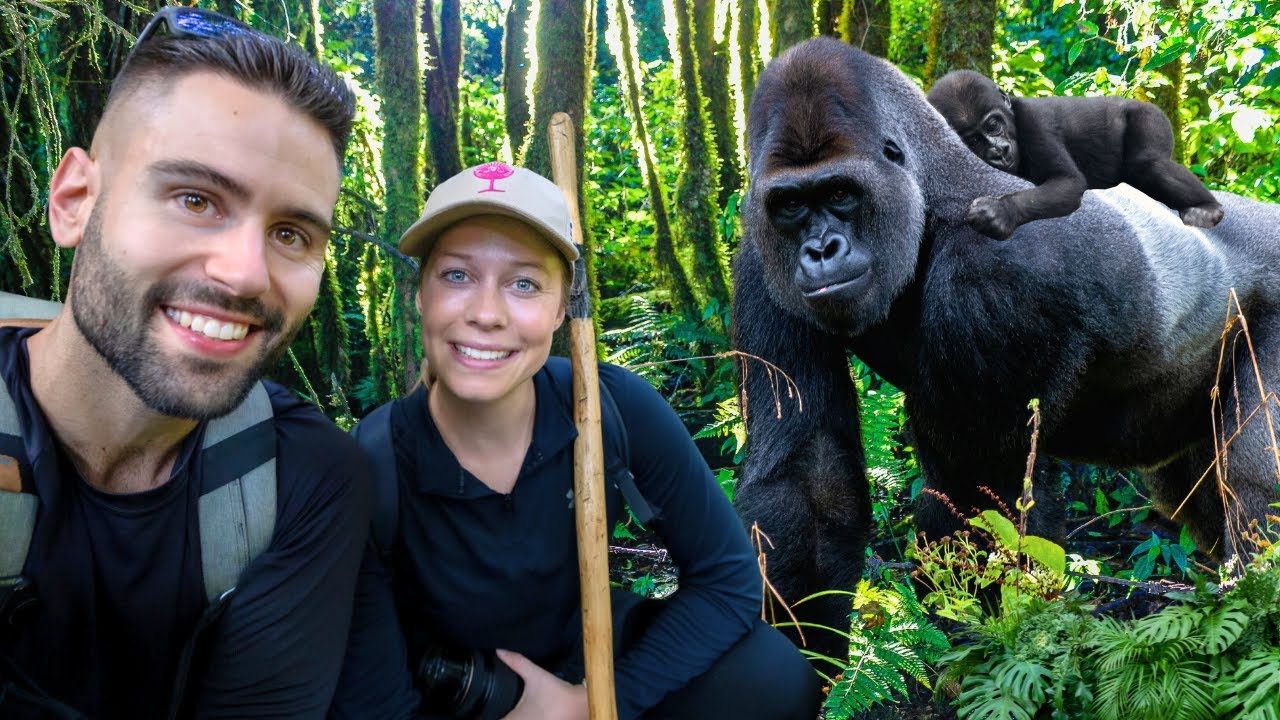
The official minimum age is normally 15 years on the trekking date.
The rule applies in both Bwindi Impenetrable National Park and Mgahinga Gorilla National Park. It is not based only on height or physical fitness.
Parents planning a family gorilla safari should submit the correct ages before permits are purchased. A passport check may take place at registration.
In rare situations, families sometimes ask whether an exception is possible for a child who is close to 15. No exception should ever be promised. Only Uganda Wildlife Authority can make an official decision, and approval is not guaranteed.
The safest planning approach is simple: assume that every gorilla trekker must be at least 15.
Uganda Gorilla Trekking Permit Rules
A valid permit is compulsory. Because permits are limited, travellers should book early.
What a gorilla permit normally covers
A standard permit generally includes:
- One scheduled gorilla tracking experience
- UWA ranger services
- The permitted viewing period
- Park entry for the gorilla activity on that day
- A conservation and community contribution
It normally does not include:
- Accommodation
- Road transportation
- Meals outside the trekking arrangement
- Porter services
- Personal travel insurance
- International flights
- Visa costs
- Tips
- Equipment hire
Always confirm inclusions with your tour operator.
Permits are date-specific
A permit is issued for a particular day and trekking location. Visitors should check all details before payment.
Changing travel dates after booking can be difficult. It may involve a rescheduling fee, an approval process, or loss of part of the payment.
Book through authorised channels
UWA has warned travellers to use official contacts and verified tourism operators when purchasing gorilla and chimpanzee permits. Before sending money, confirm the operator through recognised tourism channels.
Avoid individuals who advertise unusually cheap permits through unofficial social media accounts. Gorilla permits are controlled products, and fraudulent offers can lead to financial loss.
Permit prices can change
UWA’s published conservation tariff for July 2024 through June 2026 listed the standard foreign non-resident gorilla permit at USD 800 and the gorilla habituation experience at USD 1,500. However, that tariff period has ended.
Therefore, travellers planning a trek from July 2026 onward should confirm the current price directly with UWA or a licensed operator before publishing or paying for a safari. The UWA rates page is the most suitable place to check official tariff updates.
Uganda Gorilla Permit Cancellation and Rescheduling Rules
Gorilla permit payments are subject to strict conditions. A normal hotel cancellation policy does not apply to a wildlife permit.
Refund or rescheduling decisions can depend on:
- When the written request is received
- The reason for cancellation
- The permit type
- UWA approval
- The current official policy
- Supporting documents
- Whether the visitor is a no-show
- Whether the request concerns illness or another exceptional event
Do not promise a full refund unless UWA has confirmed it in writing. In addition, do not assume that a name change or ownership transfer is automatic.
Travellers should purchase comprehensive travel insurance soon after making the initial payment. The policy should cover trip cancellation, illness, medical emergencies, missed connections, and other relevant risks.
What Happens if You Are Sick on the Trekking Day?
Tell your guide immediately.
The park team may assess whether your symptoms could present a risk to the gorillas. If you are not permitted to trek, any refund or alternative arrangement will depend on official policy and the circumstances.
A visitor should never hide an illness to protect the permit fee. Mountain gorillas live in family groups, and one infection can affect several animals.
Travel insurance may help when illness prevents participation. However, coverage varies. Read the policy carefully before travelling.
What to Wear for Gorilla Trekking in Uganda
Appropriate clothing improves comfort and reduces the chance of minor injury.
Wear strong hiking shoes
Choose waterproof hiking boots or sturdy walking shoes with good grip. Trails can be muddy, steep, and slippery.
New boots can cause discomfort. Therefore, wear them several times before the safari.
Wear long trousers
Long trousers help protect your legs from vegetation, mud, and insects. Lightweight trekking trousers are usually more practical than heavy denim.
Some travellers tuck their trousers into long socks. This can help prevent insects from entering around the ankles.
Choose a long-sleeved shirt
A breathable, long-sleeved shirt offers protection from branches and vegetation. Neutral colours such as green, brown, grey, or beige work well in the forest.
Very bright clothing is not automatically forbidden. Still, soft natural colours are usually more suitable for wildlife activities.
Carry a waterproof jacket
Rain can fall throughout the year in Bwindi and Mgahinga. Bring a light waterproof jacket or poncho.
An umbrella is less practical on narrow forest trails because it can catch on vegetation and disturb people around you.
Use gardening or trekking gloves
Gloves protect your hands when you need support from vegetation or the ground. However, avoid grabbing plants unless necessary. Some may have thorns or irritate the skin.
Bring a small daypack
A small waterproof backpack can carry:
- Drinking water
- Packed lunch
- Rain jacket
- Camera
- Spare battery
- Personal medicine
- Insect repellent
- Sunscreen
- Identification
- Permit information
Avoid carrying unnecessary weight.
Can You Use a Porter?
Yes. Hiring a porter is recommended, even for visitors who are reasonably active.
Porters can carry your daypack and assist on steep or slippery sections. Their local knowledge can make the trek more comfortable.
Porter services also create income for communities living around the national parks. In some cases, former forest-dependent residents or people from households affected by conservation restrictions benefit from tourism employment.
The porter does not replace the UWA ranger. Rangers lead the trek and manage the gorilla encounter, while porters provide practical support.
Agree on the official service arrangements before departing. You may also tip your porter after the trek if you are satisfied with the assistance.
Fitness Requirements for Gorilla Trekking
You do not need to be a professional athlete. However, you should be prepared to walk through uneven forest terrain.
Some treks are short. Others involve steep slopes, mud, thick vegetation, and several hours of walking. Since gorillas move daily, no operator can guarantee the exact duration.
Prepare by taking regular walks before your trip. Where possible, include hills, stairs, and uneven paths. Comfortable footwear and a steady pace matter more than speed.
Tell your tour operator about mobility concerns in advance. At the morning briefing, rangers may try to assign a suitable group. Nevertheless, an easy trek cannot be guaranteed.
Rules for Visitors With Medical Conditions
Gorilla trekking takes place in remote mountain forest. Access to immediate advanced medical care may be limited.
Before booking, travellers with significant medical conditions should seek appropriate medical advice. They should also inform the tour operator about any support they may need.
Carry essential medicine in your daypack. Do not leave critical medication at the lodge or in the vehicle.
Visitors should also have travel insurance with emergency medical and evacuation cover. Share relevant information with a trusted travel companion or guide.
However, personal health details should only be shared with people who genuinely need them for your safety.
Can Visitors Take Food Into the Forest?
Yes, visitors may carry water and a packed lunch for the wider trek. However, they must not eat or drink near the gorillas.
Your ranger will identify a suitable place for a break. Store all food securely and carry every wrapper back out of the forest.
Do not leave fruit peels or other organic waste behind. It can alter animal behaviour and introduce disease.
Respecting Local Communities
Responsible gorilla tourism extends beyond the forest.
Communities around Bwindi and Mgahinga play an important role in conservation. Tourism supports employment, porter services, guiding, accommodation, farming, crafts, cultural programmes, and community projects.
Visitors should:
- Ask permission before photographing residents
- Pay agreed prices fairly
- Use respectful language
- Avoid giving sweets or cash directly to children
- Buy crafts from recognised community sellers
- Respect cultural boundaries
- Follow local guides during community experiences
- Avoid making promises they cannot keep
Responsible spending can help local families receive practical benefits from conservation.
General National Park Rules
In addition to the Uganda Gorilla Trekking Rules and Regulations, visitors must respect Uganda’s broader national park requirements.
These normally include:
- Do not litter
- Do not remove plants or natural objects
- Do not disturb wildlife
- Do not bring pets into the park
- Do not carry firearms or ammunition
- Do not light fires outside authorised areas
- Do not camp outside designated sites
- Keep official receipts for inspection
- Follow park opening and closing procedures
- Obey guides, rangers, and authorised park staff
Visitors travelling by vehicle must also follow park road rules. Off-road driving is not permitted unless specifically authorised.
Common Gorilla Trekking Mistakes to Avoid
Arriving in the wrong Bwindi sector
Bwindi is large, and its sectors are not beside one another. Always book accommodation near the sector shown on your permit.
Underestimating travel time
The journey from Entebbe or Kampala to Bwindi can take most of a day. Road conditions and traffic may affect travel times.
Many travellers also enter Uganda through Kigali. Although this route may be shorter for southern Bwindi or Mgahinga, border procedures and road conditions still require careful planning.
Wearing unsuitable shoes
Ordinary flat shoes may have poor grip in mud. Strong, broken-in hiking footwear is a better choice.
Carrying too much equipment
A heavy camera bag can become uncomfortable on steep trails. Carry only what you need or hire a porter.
Ignoring illness
Entering the forest while sick places the gorillas at risk. Report symptoms honestly.
Focusing only on photographs
Do not spend the entire hour looking through a screen. Take photographs calmly, but also observe the gorillas’ behaviour and listen to the ranger.
Expecting a guaranteed easy trek
No one controls where the gorillas move. Even a family located close to the trail one day may travel farther away the next day.
Booking an unverified permit
Use UWA or a recognised tour operator. Confirm your booking information and retain written proof of payment.
Uganda Gorilla Trekking Rules and Regulations Checklist
Before booking
- Confirm that every trekker is at least 15
- Select Bwindi or Mgahinga
- Check permit availability
- Confirm the correct permit price
- Use an authorised booking channel
- Buy suitable travel insurance
- Choose accommodation near the correct sector
Before leaving for Uganda
- Check passport validity
- Confirm visa and entry requirements
- Review health advice
- Pack hiking boots and rain protection
- Confirm your permit reference
- Check the final itinerary
- Inform the operator of mobility needs
On the trekking morning
- Carry identification
- Arrive early
- Attend the full briefing
- Report any illness
- Hire a porter if needed
- Turn off camera flash
- Carry water and a packed lunch
- Listen to the ranger
During the forest walk
- Remain with the group
- Keep noise low
- Do not litter
- Do not damage vegetation
- Tell the ranger before stopping
- Use only approved toilet procedures
- Follow the ranger’s pace and route
During the gorilla encounter
- Maintain the instructed distance
- Do not touch the gorillas
- Do not use flash
- Do not eat, drink, or smoke
- Avoid sudden movement
- Do not block a gorilla’s path
- Never imitate gorilla behaviour
- Keep your voice low
- Leave when the ranger ends the encounter
Frequently Asked Questions
What is the minimum age for gorilla trekking in Uganda?
The minimum age is generally 15 years. Travellers should provide correct passport information when booking.
How close can visitors get to Uganda’s gorillas?
Current UWA published guidance states that visitors should maintain at least 10 metres. Always follow the ranger’s instructions because gorillas may move closer on their own.
How long can visitors stay with the gorillas?
Standard tracking allows up to one hour with a habituated gorilla family. The gorilla habituation experience may allow up to four hours, subject to the applicable permit and current UWA procedures.
How many people can visit one gorilla family?
A standard group normally contains a maximum of eight tourists per habituated gorilla family.
Can I trek if I have a cold?
No. Visitors with a cold or another potentially infectious illness should not visit the gorillas.
Can I touch a gorilla if it approaches me?
No. Remain calm and follow the ranger’s directions. Never reach toward or touch a gorilla.
Is flash photography allowed?
No. Flash photography is prohibited.
Can I bring food into the forest?
You may carry water and a packed lunch for the trek, but you must not eat or drink near the gorillas. Follow your ranger’s directions on where to take a break.
Are gorilla sightings guaranteed?
Tracking teams work hard to locate each family. However, gorillas are wild animals, and wildlife sightings cannot be guaranteed in absolute terms.
Can I choose a specific gorilla family?
You may request a suitable trekking group at the briefing. Nevertheless, allocation depends on park operations, gorilla locations, visitor needs, and ranger decisions.
Is a private gorilla trek available?
A private road safari does not automatically include exclusive gorilla trekking. Special arrangements depend on UWA rules, availability, and the purchase of the required permits.
Should I hire a porter?
Yes, it is highly recommended. A porter can carry your bag, assist on difficult ground, and directly benefit from local tourism employment.
Can I fly a drone in Bwindi or Mgahinga?
Not without official permission. Standard visitor entry does not authorise drone use.
What happens if I arrive late?
You may miss the briefing and lose the trek. Arrive near the park the day before and report early on the trekking morning.
Can I change my trekking date?
Changes depend on UWA’s current rescheduling policy, availability, timing, and approval. Fees may apply.
Are Uganda gorilla permits refundable?
Cancellation and refund conditions are strict and may vary according to timing and circumstances. Obtain the current written conditions before payment.
Why Following the Rules Creates a Better Experience
Rules and conservation are not separate from the safari experience. They are the reason the experience remains possible.
When visitors keep their distance, remain quiet, avoid flash, and follow rangers, the gorillas can continue their normal activities. You may see them feeding, resting, grooming, communicating, or caring for their young.
Moreover, controlled tourism generates revenue for wildlife protection and surrounding communities. It helps fund ranger work, monitoring, park management, and conservation programmes.
A respectful traveller therefore becomes part of the protection effort. The permit is more than an entry ticket. It supports a system designed to keep mountain gorillas and their habitat safe.
Plan Your Uganda Gorilla Trekking Safari
Universal Ventures Rwanda arranges private gorilla trekking safaris in Uganda and Rwanda. Trips can start in Kigali, Entebbe, Kampala, or another agreed location.
Services may include:
- Uganda gorilla permit support
- Private 4×4 safari transportation
- Professional English-speaking driver-guide
- Bwindi and Mgahinga accommodation
- Kigali-to-Bwindi gorilla safaris
- Entebbe-to-Bwindi safari itineraries
- Uganda and Rwanda combined tours
- Chimpanzee trekking extensions
- Queen Elizabeth National Park safaris
- Lake Bunyonyi experiences
- Golden monkey trekking
- Airport and border transfers
Before confirming a trip, we check permit availability, the correct trekking sector, suitable accommodation, road connections, and the latest official requirements.
Universal Ventures Rwanda
KK 15 Road, Kigali, Rwanda
Telephone/WhatsApp: +250 781 441 853
Email: info@universalventuresrwanda.com