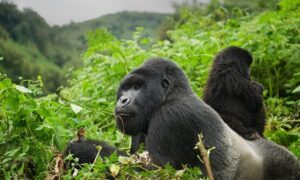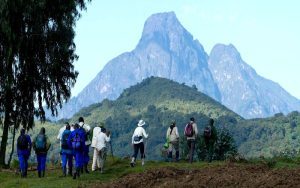
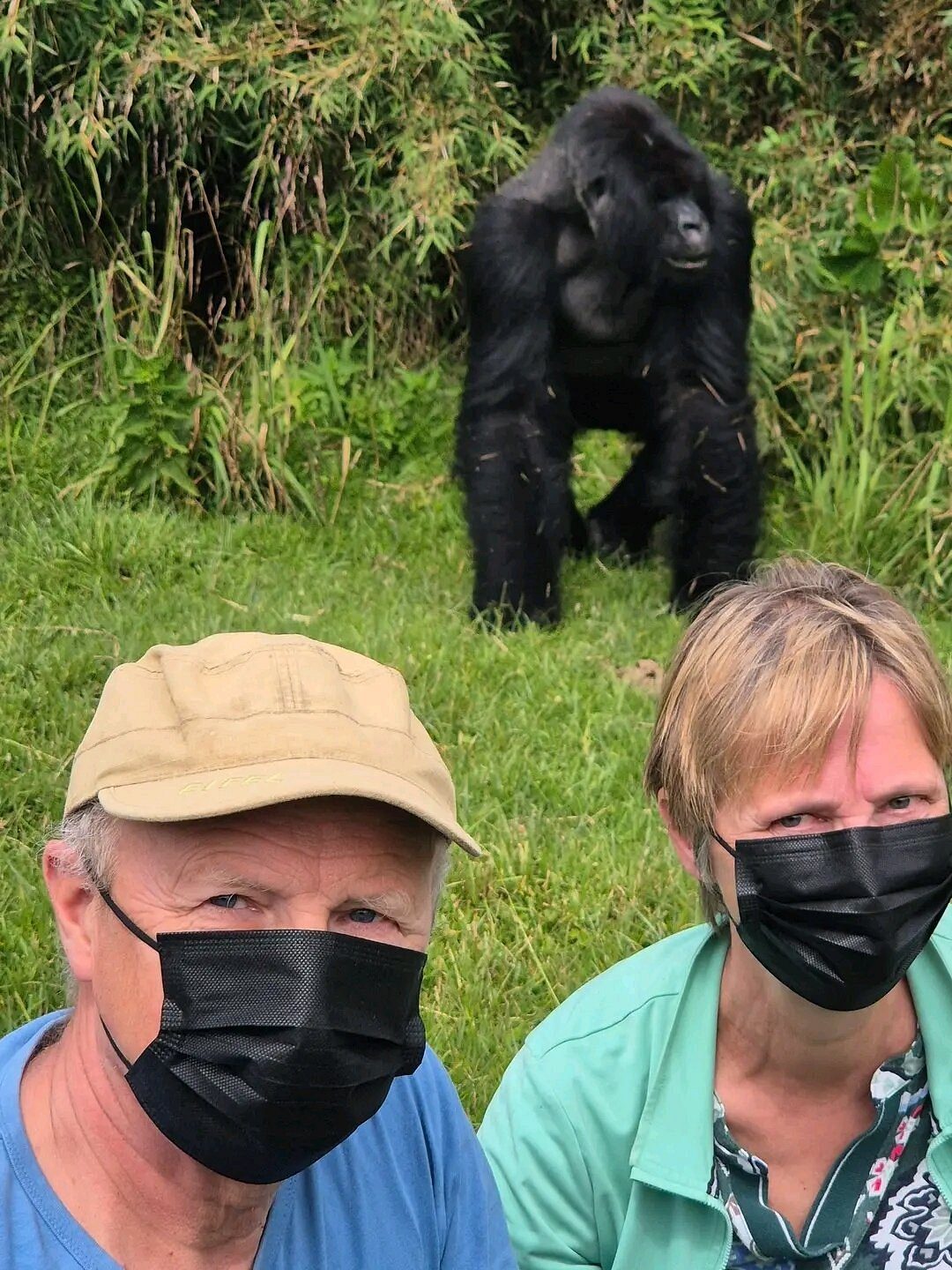
This Volcanoes National Park Gorilla Families Guide helps you understand everything before your trek. You will learn how gorilla families live, how park rangers assign trekking groups, and what makes each habituated family unique. You will also discover practical travel tips that help you prepare for one of the world’s greatest wildlife adventures. Few wildlife experiences compare to meeting mountain gorillas in their natural habitat. Standing quietly in the rainforest while a silverback watches over his family creates memories that last a lifetime. Every movement, every interaction, and every moment feels genuine because these incredible animals live freely in one of Africa’s most protected ecosystems. That is why thousands of travelers choose Rwanda every year for their dream gorilla safari.
Volcanoes National Park lies in northern Rwanda, close to the borders of Uganda and the Democratic Republic of the Congo. The park forms part of the famous Virunga Massif, a chain of volcanic mountains that protects one of the world’s last remaining populations of endangered mountain gorillas. Besides gorillas, the park shelters golden monkeys, forest elephants, buffaloes, and hundreds of bird species, making it one of East Africa’s richest wildlife destinations.
Whether you are planning your first Rwanda safari or returning for another unforgettable adventure, this Volcanoes National Park Gorilla Families Guide will help you make informed decisions before your trip.
Why Visit Volcanoes National Park?
Volcanoes National Park is Rwanda’s most famous national park and one of Africa’s leading wildlife destinations. Travelers from around the world visit to experience mountain gorilla trekking in a safe and well-managed environment.
The park offers much more than gorilla encounters. Visitors also enjoy beautiful volcanic landscapes, bamboo forests, rainforest trails, cultural experiences, hiking adventures, and exceptional birdwatching. Every visit supports wildlife conservation while creating jobs for nearby communities.
Because Rwanda carefully manages tourism, only a limited number of visitors enter the forest each day. As a result, gorilla trekking remains exclusive while minimizing disturbance to the animals.
The History of Gorilla Conservation
Volcanoes National Park has played a major role in protecting mountain gorillas for decades. The park gained international recognition through the work of renowned primatologist Dian Fossey, whose research transformed global understanding of gorilla behavior and conservation.
During her years in the Virunga Mountains, Fossey documented gorilla family life and fought tirelessly against poaching. Her work inspired governments, conservation organizations, researchers, and local communities to protect these endangered animals.
Today, Rwanda continues building on that legacy. Gorilla populations have increased steadily because of strong conservation policies, scientific research, veterinary care, and responsible tourism.
What Is a Gorilla Family?
A gorilla family is a social group led by one dominant silverback. The silverback acts as the protector and leader of the family. He decides where the group travels, settles conflicts, and keeps younger members safe.
Each family normally includes:
- Adult females
- Young silverbacks called blackbacks
- Juveniles
- Playful infants
Every member has a role within the group. Mothers care for their babies, juveniles spend much of their day playing, and younger gorillas learn social skills by interacting with one another.
Watching these relationships develop is one of the most fascinating parts of gorilla trekking.
How Gorilla Families Live
Mountain gorillas spend most of their day searching for food. Their diet mainly includes bamboo shoots, leaves, stems, roots, wild fruits, and tree bark.
Unlike many other primates, gorillas spend very little time in trees. Instead, they move slowly across the forest floor while feeding and resting throughout the day.
Each evening, every gorilla builds a fresh nest from branches and vegetation before sleeping. Adults usually sleep on the ground, while smaller juveniles sometimes build nests in low trees.
Because the families move every day, park trackers locate them early each morning before visitors begin trekking.
Understanding Gorilla Habituation
One of the most important topics in this Volcanoes National Park Gorilla Families Guide is gorilla habituation.
Habituation is a gradual conservation process that helps wild gorillas become comfortable with the presence of researchers and park rangers. The process normally takes between two and three years.
During this period, conservation teams spend limited time near the gorillas while respecting their natural behavior. Gradually, the animals learn that carefully managed human visitors do not pose a threat.
Even after habituation, mountain gorillas remain completely wild. They continue living naturally without depending on people for food or protection.
Why Gorilla Habituation Matters
Habituation benefits both conservation and tourism.
First, it allows scientists to study gorilla behavior without causing unnecessary stress.
Second, it creates opportunities for carefully controlled tourism. Revenue generated from trekking permits supports conservation while benefiting surrounding communities.
Finally, habituation encourages long-term protection of mountain gorilla habitat because local people directly benefit from wildlife tourism.
Without successful habituation, modern gorilla trekking would not exist.
Gorilla Conservation Success
Mountain gorillas were once among the world’s most endangered mammals. Habitat destruction, illegal hunting, and political instability threatened their survival for many years.
Fortunately, conservation efforts have changed that story.
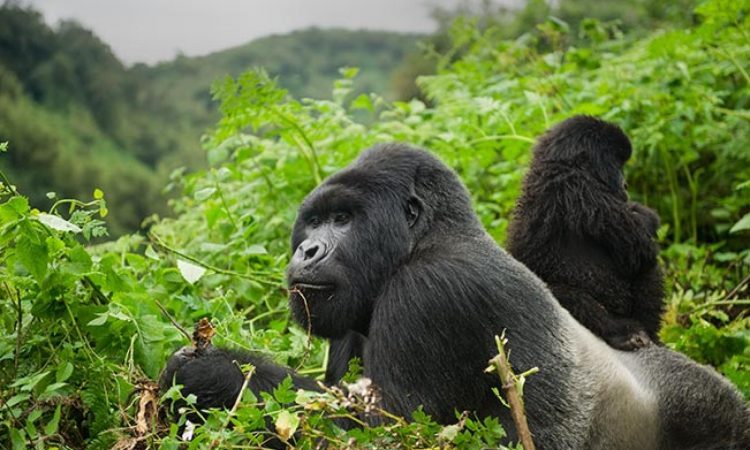
Today, Rwanda protects mountain gorillas through:
- Anti-poaching patrols
- Veterinary programs
- Scientific research
- Habitat protection
- Community conservation
- Responsible tourism
- Environmental education
Because of these combined efforts, mountain gorilla numbers continue to increase. This achievement represents one of the world’s greatest wildlife conservation success stories.
Habituated Gorilla Families in Volcanoes National Park
Volcanoes National Park is home to several habituated gorilla families that visitors can trek throughout the year.
The best-known groups include:
- Susa Family
- Sabyinyo Family
- Agashya Family
- Amahoro Family
- Kwitonda Family
- Hirwa Family
- Bwenge Family
- Karisimbi Family
- Ugenda Family
- Pablo Family
- Muhoza Family
Each family has its own territory, leadership style, and personality. Some groups live at lower elevations, while others travel higher into the volcanic mountains.
Although every family offers a different experience, all provide extraordinary opportunities to observe mountain gorillas in the wild.
How Rangers Assign Gorilla Families
Many visitors ask whether they can choose a specific gorilla family.
In most cases, park rangers make the assignment on the morning of the trek.
They consider several important factors, including:
- Visitor age
- Physical fitness
- Hiking experience
- Current gorilla location
- Weather conditions
- Group size
- Daily conservation requirements
This system helps match visitors with the most appropriate trekking route while protecting the gorillas.
If you have mobility concerns, informing your tour operator before arrival can help rangers recommend a more suitable family.
What Happens on Trekking Day?
Your adventure begins early at the Kinigi Park Headquarters.
After registration, park rangers explain the trekking rules and safety procedures. They also introduce the assigned gorilla families before dividing visitors into groups of no more than eight people.
Next, your guide drives you to the trailhead. From there, you begin hiking through farmland before entering the rainforest.
The hike may last from one to several hours depending on where the gorilla family spent the previous night.
Once trackers locate the gorillas, you spend one magical hour observing them. During that time, you may watch mothers caring for infants, juveniles playing, or the dominant silverback quietly supervising the group.
That single hour often becomes the highlight of an entire African safari.
Best Time to Visit Volcanoes National Park
Gorilla trekking takes place every day of the year.
However, many travelers prefer the dry seasons because hiking trails remain firmer.
The best months include:
- June to September
- December to February
These months offer excellent trekking conditions and beautiful mountain views.
The rainy seasons also have advantages. Forests become greener, visitor numbers decrease, and photography conditions often improve because of softer natural light.
Regardless of when you travel, every season offers unforgettable gorilla encounters.
Discover Rwanda’s Habituated Mountain Gorilla Families
Every gorilla family in Volcanoes National Park has its own story. Some groups are famous because of their conservation history. Others are known for powerful silverbacks, playful infants, or spectacular mountain habitats. Although park rangers assign families on the day of the trek, learning about them beforehand makes your adventure even more exciting. This section of the Volcanoes National Park Gorilla Families Guide introduces the habituated gorilla families that visitors may encounter while trekking in Rwanda.
Each family moves freely through the forest. Therefore, the location and trekking difficulty change from day to day. Even so, every encounter offers a rare opportunity to observe mountain gorillas behaving naturally in the wild.
Susa Gorilla Family
The Susa Gorilla Family is the most famous group in Volcanoes National Park. Researchers around the world know this family because Dian Fossey studied it for many years. The group once had more than forty members, making it one of the largest mountain gorilla families ever recorded.
Today, the family is smaller, but it remains one of Rwanda’s most popular trekking groups. Susa usually lives on the higher slopes of Mount Karisimbi. As a result, visitors often complete one of the park’s longest and most challenging hikes. However, the reward is exceptional. Trekkers enjoy breathtaking scenery and spend one unforgettable hour with one of Africa’s most celebrated gorilla families.
Best for:
- Experienced hikers
- Wildlife photographers
- Adventure travelers
- Visitors seeking a longer trek
Sabyinyo Gorilla Family

The Sabyinyo Gorilla Family is one of the easiest groups to reach. Named after Mount Sabyinyo, this family often stays on the lower slopes of the park. Consequently, it is a popular choice for older travelers and visitors who prefer shorter hikes.
The dominant silverback is known for his calm leadership and protective nature. Mothers, juveniles, and playful infants are frequently visible, creating wonderful photography opportunities. Because the trekking distance is usually shorter, visitors spend less time hiking and more time enjoying the gorilla encounter.
Best for:
- Senior travelers
- Families
- First-time gorilla trekkers
- Visitors with moderate fitness
Amahoro Gorilla Family
The name Amahoro means peace in Kinyarwanda. The family reflects this meaning through its relaxed and gentle behavior. Many visitors describe this group as one of the calmest in Volcanoes National Park.
The trek normally involves a moderate climb through bamboo forest and lush mountain vegetation. Although the hike can become steeper near the family’s territory, the peaceful atmosphere makes the effort worthwhile. During the visit, travelers often watch the silverback quietly supervising the family while young gorillas explore the surrounding forest.
Best for:
- Nature lovers
- Wildlife photographers
- Couples
- Travelers seeking a peaceful experience
Agashya Gorilla Family
The Agashya Gorilla Family has one of the most interesting histories in Rwanda. The group was originally known as Group 13 before the powerful silverback Agashya became its leader. After taking control, he gradually guided the family to higher elevations within Volcanoes National Park.
Today, Agashya remains one of the park’s strongest and most respected silverbacks. His family often occupies beautiful mountain forests with spectacular views of the Virunga Volcanoes. Trekking difficulty varies because the family moves across different elevations throughout the year.
Best for:
- Adventure seekers
- Landscape photographers
- Travelers who enjoy moderate hikes
Kwitonda Gorilla Family
The Kwitonda Gorilla Family originally lived in the Democratic Republic of the Congo before crossing into Rwanda. The family takes its name from the late silverback Kwitonda, whose name means the humble one.
This group is known for its strong family bonds and numerous young gorillas. Visitors often witness playful interactions between juveniles while mothers care for their infants nearby. Although the trek may involve moderate hiking, the opportunity to observe several generations within one family makes this group particularly rewarding.
Best for:
- Families
- Wildlife photographers
- First-time visitors
- Travelers interested in gorilla behavior
Hirwa Gorilla Family
The Hirwa Gorilla Family formed when members from different gorilla groups joined together naturally. Its name means fortunate, reflecting the unusual circumstances surrounding its formation.
The family has grown steadily over the years and frequently delights visitors with energetic young gorillas. Because the group moves between different parts of the park, trekking distances vary. Nevertheless, many travelers enjoy the lively interactions that make Hirwa one of the most entertaining families to observe.
Best for:
- Families with teenagers
- Wildlife enthusiasts
- Visitors seeking active gorilla behavior
Bwenge Gorilla Family
The Bwenge Gorilla Family represents determination and resilience. The founding silverback overcame numerous challenges while establishing the group, making its history one of the most inspiring in Volcanoes National Park.
Visitors often describe Bwenge as a peaceful family with fascinating social interactions. The trek usually passes through dense rainforest, where towering trees and rich vegetation create beautiful natural surroundings. Photography conditions are especially impressive during the early morning when soft light filters through the forest canopy.
Best for:
- Conservation enthusiasts
- Nature photographers
- Moderate hikers
Karisimbi Gorilla Family
Named after Mount Karisimbi, Rwanda’s highest volcano, this family usually occupies higher elevations than many other groups. Consequently, visitors should expect a longer hike through beautiful montane forest.
Although the trek requires more effort, the scenery is among the most spectacular in Volcanoes National Park. Mist-covered volcanoes, bamboo forests, and breathtaking mountain views make this experience particularly rewarding. Many experienced trekkers consider Karisimbi one of the park’s finest adventures.
Best for:
- Experienced hikers
- Adventure travelers
- Landscape photographers
Ugenda Gorilla Family
The Ugenda Gorilla Family rarely stays in one location for long. Instead, the group frequently moves between bamboo forests and higher mountain slopes while searching for food. This constant movement creates a different trekking experience every day.
Visitors enjoy following the family through changing habitats while appreciating Volcanoes National Park’s remarkable biodiversity. Because the route varies daily, hiking difficulty can range from moderate to challenging.
Best for:
- Repeat visitors
- Adventure lovers
- Travelers seeking unique experiences
Pablo Gorilla Family
The Pablo Gorilla Family honors the legacy of the famous silverback Pablo, who led one of Rwanda’s best-known gorilla groups for many years. Although the original leader is gone, his descendants continue to thrive within Volcanoes National Park.
The family generally inhabits accessible areas, making it suitable for visitors with average fitness. Calm behavior, playful youngsters, and stable social interactions make Pablo an excellent choice for first-time gorilla trekkers.
Best for:
- Beginners
- Families
- Senior travelers
- Wildlife photographers
Muhoza Gorilla Family
The Muhoza Gorilla Family is among the newest habituated groups available for trekking. Despite its relatively recent introduction to tourism, the family has quickly become popular because of its relaxed behavior and beautiful forest habitat.
The trek normally follows moderate trails through lush vegetation and bamboo forests. During the visit, travelers often observe close family relationships, playful juveniles, and attentive mothers caring for young infants.
Best for:
- Couples
- Nature lovers
- First-time visitors
Which Gorilla Family Should You Hope to Visit?
Many travelers ask whether one gorilla family is better than another. The truth is that every family offers a unique experience. Some groups require shorter hikes, while others reward visitors with spectacular mountain scenery after a more challenging trek.
Families such as Sabyinyo and Pablo are often easier to reach. Meanwhile, Susa and Karisimbi usually involve longer hikes for adventurous travelers. Hirwa and Kwitonda are excellent choices for visitors hoping to see playful young gorillas, while Agashya impresses many guests with its powerful silverback.
Instead of focusing on a specific family, approach your trek with an open mind. Every gorilla encounter is different because these remarkable animals live freely in their natural environment.
Gorilla Family Assignment Process
Park rangers carefully assign each trekking group on the morning of your visit. They consider several factors before making their decision.
These include:
- Your fitness level
- Age
- Hiking experience
- Daily gorilla movements
- Weather conditions
- Group size
This system protects the gorillas while ensuring every visitor enjoys a safe and rewarding experience.
Photography Tips for Every Gorilla Family
Every gorilla family offers excellent photography opportunities. However, patience often produces the best images. Instead of taking photographs continuously, spend time observing gorilla behavior. You may witness mothers grooming infants, playful wrestling between juveniles, or a silverback calmly watching over the family.
The rainforest canopy creates low-light conditions. Therefore, use a fast shutter speed when possible and increase your ISO rather than using flash. Remember that flash photography is strictly prohibited because it may disturb the gorillas.
Natural behavior always creates stronger photographs than posed close-ups. Look for emotional interactions that tell the story of gorilla family life.
Why Every Gorilla Family Matters
Each habituated gorilla family plays an important role in Rwanda’s conservation success. Gorilla trekking revenue supports veterinary care, habitat protection, scientific research, anti-poaching patrols, and community development projects. Every visitor contributes directly to protecting these endangered animals for future generations.
Whether you meet the legendary Susa Family, the peaceful Amahoro Family, or the adventurous Karisimbi Family, your visit supports one of the world’s greatest wildlife conservation achievements.
Plan Your Ultimate Rwanda Gorilla Trekking Adventure
Meeting a family of mountain gorillas in Volcanoes National Park is more than a wildlife activity. It is a life-changing experience that brings you face to face with one of the world’s rarest primates. However, a successful trek begins long before you enter the forest. Good planning helps you secure permits, choose the right accommodation, pack properly, and prepare for the hike. This final section of the Volcanoes National Park Gorilla Families Guide explains everything you need to organize a smooth and memorable gorilla safari in Rwanda.
Whether you are visiting for a single day or combining gorilla trekking with a longer Rwanda safari, the following information will help you make the most of your adventure.
Gorilla Trekking Permits
Every visitor must have a valid gorilla trekking permit before entering Volcanoes National Park. The Rwanda Development Board (RDB) manages these permits to protect the mountain gorillas and limit the number of daily visitors.
The current permit fee is USD 1,500 per person for international visitors. Although the price is higher than in some neighboring countries, the permit supports conservation, veterinary care, ranger patrols, scientific research, habitat protection, and community development.
Permits are limited and often sell out months in advance. Therefore, booking early is essential, especially if you plan to travel during the dry seasons.
How to Book Your Gorilla Permit
Booking a permit is simple when you work with an experienced safari company. Universal Ventures Rwanda secures permits directly through the Rwanda Development Board and coordinates every step of your safari.
To reserve your permit, you should:
- Confirm your travel dates.
- Provide passport details.
- Pay the required deposit.
- Receive your permit confirmation.
- Finalize your safari itinerary.
Booking several months before your trip gives you the best chance of securing your preferred trekking date.
Gorilla Trekking Rules
Volcanoes National Park follows strict conservation rules to protect mountain gorillas and provide a safe experience for visitors.
During the ranger briefing, you will learn the official guidelines, including:
- Keep at least seven meters from the gorillas whenever possible.
- Stay with your assigned group.
- Follow your ranger’s instructions at all times.
- Never use flash photography.
- Avoid loud conversations.
- Do not eat or smoke near the gorillas.
- Cover your mouth when coughing or sneezing.
- Stay home if you have a contagious illness.
These simple rules help protect the gorillas while allowing visitors to enjoy an unforgettable encounter.
How Fit Do You Need to Be?
Many first-time visitors worry about the physical difficulty of gorilla trekking. Fortunately, most people with a reasonable level of fitness complete the hike successfully.
Some gorilla families stay close to the park boundary, while others travel higher into the mountains. As a result, hiking times vary from one hour to more than five hours.
Park rangers consider several factors before assigning each gorilla family, including:
- Age
- Fitness level
- Hiking experience
- Daily gorilla location
If you prefer a shorter hike, inform your tour operator before arrival. Rangers always try to match visitors with suitable trekking groups whenever possible.
What Should You Pack?
Packing wisely makes your gorilla trekking experience much more comfortable.
Recommended clothing includes:
- Waterproof hiking boots
- Long trousers
- Long-sleeved shirt
- Waterproof jacket
- Warm fleece
- Gardening gloves
- Hiking socks
You should also carry:
- Small backpack
- Camera
- Extra batteries
- Memory cards
- Binoculars
- Drinking water
- Energy snacks
- Sunscreen
- Insect repellent
- Personal medication
Dress in layers because mountain weather changes quickly throughout the day.
Photography Tips
Photographing mountain gorillas is one of the highlights of every Rwanda safari. However, rainforest lighting can be challenging.
To improve your results:
- Increase your ISO instead of using flash.
- Use a fast lens if available.
- Focus on the gorillas’ eyes.
- Capture natural family interactions.
- Keep your camera ready.
- Move slowly and quietly.
- Listen to your guide’s instructions.
Many photographers find that behavior tells a stronger story than close-up portraits alone. Images showing mothers caring for infants or juveniles playing together often become the most memorable.
Best Time to Visit Volcanoes National Park
Gorilla trekking takes place every day of the year. Nevertheless, each season offers different advantages.
Dry Season
The dry months include:
- June to September
- December to February
These periods offer firmer trails, clearer views, and comfortable hiking conditions. Consequently, they are the busiest months for tourism.
Rainy Season
The rainy months include:
- March to May
- October to November
During these months, the forest becomes greener and fewer visitors enter the park. Although trails may be muddy, photographers often appreciate the softer light and dramatic landscapes.
No matter when you visit, every season offers outstanding gorilla encounters.
Where to Stay Near Volcanoes National Park
Northern Rwanda offers accommodation for every budget.
Luxury Lodges
Luxury travelers often choose:
- One&Only Gorilla’s Nest
- Bisate Lodge
- Singita Kwitonda Lodge
- Virunga Lodge
- Amakoro Songa Lodge
These lodges provide exceptional service, luxury suites, gourmet dining, spa facilities, and beautiful volcano views.
Mid-Range Lodges
Popular mid-range options include:
- Ingagi Park View Lodge
- Five Volcanoes Boutique Hotel
- Mountain Gorilla View Lodge
- Le Bambou Gorilla Lodge
- Tiloreza Volcanoes Ecolodge
These properties combine comfort, excellent hospitality, and convenient access to the park.
Budget Accommodation
Budget travelers can consider:
- Kinigi Guest House
- Hotel Muhabura
- Fatima Hotel
- La Palme Hotel
These accommodations provide comfortable rooms while keeping travel costs affordable.
Activities to Combine with Gorilla Trekking
Many travelers spend several days exploring northern Rwanda instead of visiting only for gorilla trekking.
Popular activities include: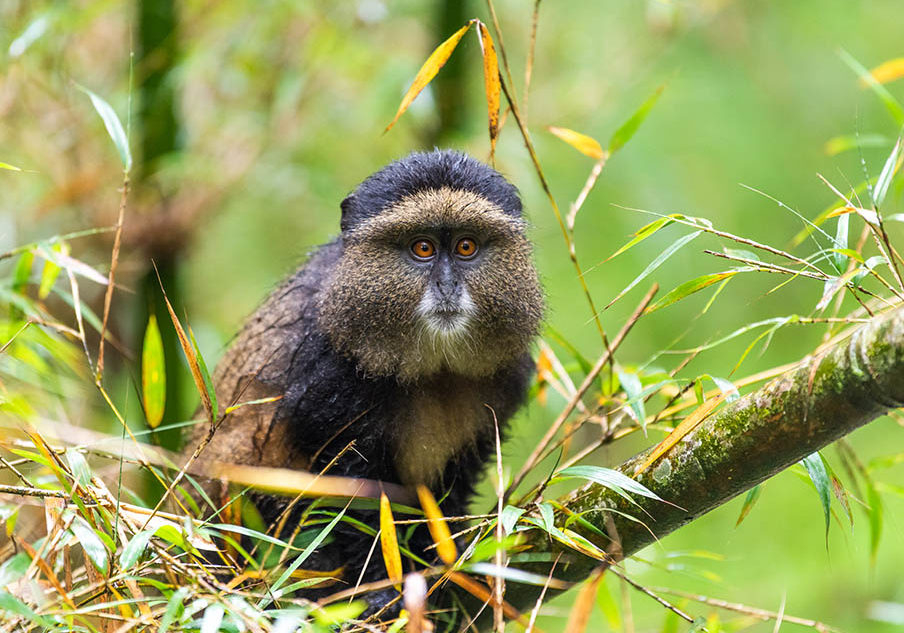
- Golden Monkey Trekking
- Dian Fossey Tomb Hike
- Mount Bisoke Hike
- Musanze Caves
- Ellen DeGeneres Campus of the Dian Fossey Gorilla Fund
- Twin Lakes of Burera and Ruhondo
- Iby’Iwacu Cultural Village
- Kigali City Tour
- Lake Kivu Excursions
Combining these experiences creates a richer Rwanda safari while allowing you to discover more of the country’s natural beauty and culture.
Why Gorilla Tourism Matters
Mountain gorilla tourism has transformed conservation in Rwanda. Every trekking permit contributes directly to protecting endangered wildlife and improving local livelihoods.
Tourism revenue supports:
- Anti-poaching patrols
- Veterinary care
- Scientific research
- Habitat conservation
- Community development
- Environmental education
Local communities also benefit through employment, cultural tourism, handicraft sales, accommodation services, and guiding opportunities. As a result, conservation and tourism now work together to protect mountain gorillas for future generations.
Why Choose Universal Ventures Rwanda?
At Universal Ventures Rwanda, we specialize in professionally organized gorilla trekking safaris that combine local expertise with exceptional customer service. Whether you are traveling alone, as a couple, with family, or in a private group, we design personalized itineraries that match your interests, schedule, and budget.
Our services include:
- Gorilla permit reservations
- Private 4×4 safari vehicles
- Professional English-speaking driver-guides
- Luxury, mid-range, and budget safari packages
- Hotel and lodge reservations
- Golden Monkey trekking
- Kigali City Tours
- Dian Fossey hiking
- Cross-border Rwanda–Uganda safaris
- Airport transfers
- Customized itineraries
- 24/7 customer support
Our experienced team manages every detail so you can focus on enjoying one of Africa’s most extraordinary wildlife experiences.
Frequently Asked Questions
Can I choose my gorilla family?
Park rangers assign gorilla families on the morning of your trek. They consider your fitness level, age, group size, and the location of each family.
How many people visit one gorilla family?
A maximum of eight visitors may trek each habituated gorilla family every day.
How close will I get to the gorillas?
Visitors should remain about seven meters away whenever possible. Occasionally, curious gorillas may move closer on their own.
Is gorilla trekking safe?
Yes. Experienced park rangers and trackers lead every trek and monitor the gorilla families daily.
What is the minimum age?
Visitors must be at least 15 years old to participate in gorilla trekking in Rwanda.
How long is the experience?
The hike may last between one and six hours, depending on the gorillas’ location. Once you reach the family, you spend one unforgettable hour observing them.
Final Thoughts
This Volcanoes National Park Gorilla Families Guide highlights why Rwanda remains one of the world’s leading destinations for mountain gorilla trekking. Every habituated family has its own personality, history, and habitat, making every trek completely unique. Whether you encounter the legendary Susa Family, the peaceful Amahoro Family, the adventurous Karisimbi Family, or another remarkable group, the experience will stay with you forever.
Beyond the excitement of seeing mountain gorillas, your visit supports one of Africa’s greatest conservation success stories. Every permit helps protect endangered wildlife, preserve mountain forests, and improve the lives of local communities. Gorilla trekking is therefore more than a safari activity—it is a meaningful contribution to conservation.
If you are ready to experience Rwanda’s incredible mountain gorillas, Universal Ventures Rwanda is here to help. From securing permits and booking accommodation to organizing private transportation and expert guides, we ensure every part of your safari runs smoothly. Let us turn your dream gorilla adventure into a truly unforgettable journey.
Contact Universal Ventures Rwanda
Universal Ventures Rwanda
Website: https://universalventuresrwanda.com
Email: info@universalventuresrwanda.com
Phone & WhatsApp: +250 781441853
Book your Rwanda gorilla trekking safari today with Universal Ventures Rwanda and discover the remarkable mountain gorilla families of Volcanoes National Park through a safe, expertly planned, and unforgettable wildlife adventure.