
A Rwanda Safari for Senior Travelers can be relaxing, safe and deeply memorable when it is planned around the traveler rather than around a rigid standard itinerary. The right vehicle, carefully selected accommodation, realistic driving times and thoughtfully chosen activities can make an enormous difference.
Rwanda is one of Africa’s most rewarding destinations for mature travelers. It combines extraordinary wildlife, beautiful scenery, welcoming communities and a well-organized tourism industry within a relatively compact country. Visitors can meet mountain gorillas in Volcanoes National Park, search for the Big Five in Akagera National Park, cruise across Lake Kivu and explore Kigali without spending entire days traveling between destinations.
Age alone does not determine whether someone can enjoy a safari. Some travelers in their seventies remain enthusiastic hikers, while others prefer shorter walks, wildlife drives and cultural experiences. Medical history, balance, joint mobility, stamina and personal interests are usually more important than the number on a passport.
Rwanda accommodates these differences remarkably well. A safari can include an adventurous gorilla trek, but it does not have to revolve entirely around demanding physical activities. Scenic drives, gentle nature walks, boat safaris, cultural visits, birdwatching and relaxed lodge stays can create an equally meaningful journey.
This comprehensive guide explains how to plan a Rwanda holiday for older adults, including where to go, what to expect, how to prepare for gorilla trekking, which accommodation features matter and how to create a balanced itinerary.
Why Rwanda Is an Excellent Safari Destination for Seniors
Rwanda’s greatest advantage is accessibility between its major attractions. Although the country is famously mountainous, its tourism circuit is compact. Travelers can reach Volcanoes National Park from Kigali in approximately two and a half to three hours under normal conditions. Akagera National Park is also within a comfortable half-day drive, while Lake Kivu can be incorporated without complicated domestic flights.
Shorter transfers reduce fatigue. They also give travelers more flexibility when plans must be adjusted because of weather, health or energy levels. In larger safari destinations, moving between parks can involve long drives on rough roads or repeated light-aircraft flights. Rwanda offers a more manageable alternative.
The country also has a strong selection of accommodation. Options range from comfortable midrange lodges to internationally recognized luxury properties. Many newer hotels offer spacious rooms, private bathrooms, restaurant service and attentive staff. Several upscale lodges can arrange in-room dining, laundry, walking assistance and personalized meals.
Rwanda’s tourism experiences are usually organized in small groups. Gorilla trekking groups, private safari vehicles and guided cultural visits create a more personal atmosphere than crowded mass-tourism excursions. Private touring is especially valuable for older adults because departure times, rest stops and daily schedules can be adapted.
English is widely used in the tourism industry. Kinyarwanda is the national language, while French is also spoken by many people. Professional guides help visitors understand local culture, wildlife behavior and Rwanda’s remarkable history.
Most importantly, Rwanda offers variety. A visitor who does not want to hike every day can still enjoy a complete African safari. The itinerary might combine one carefully prepared gorilla trek with game drives, a Lake Ihema boat trip, Kigali sightseeing and two quiet nights beside Lake Kivu.
Is a Rwanda Safari for Senior Travelers Safe?
Rwanda has earned a strong reputation for organization, cleanliness and hospitality. Kigali feels orderly, and tourism routes are supported by professional guides, park rangers, hotel staff and established operators. However, every traveler should apply the same reasonable precautions used in any international destination.
A private guide provides both convenience and reassurance. The guide manages luggage, monitors road conditions, confirms activity times and coordinates with hotels. If a traveler feels tired or unwell, the guide can adjust the schedule and help locate medical assistance.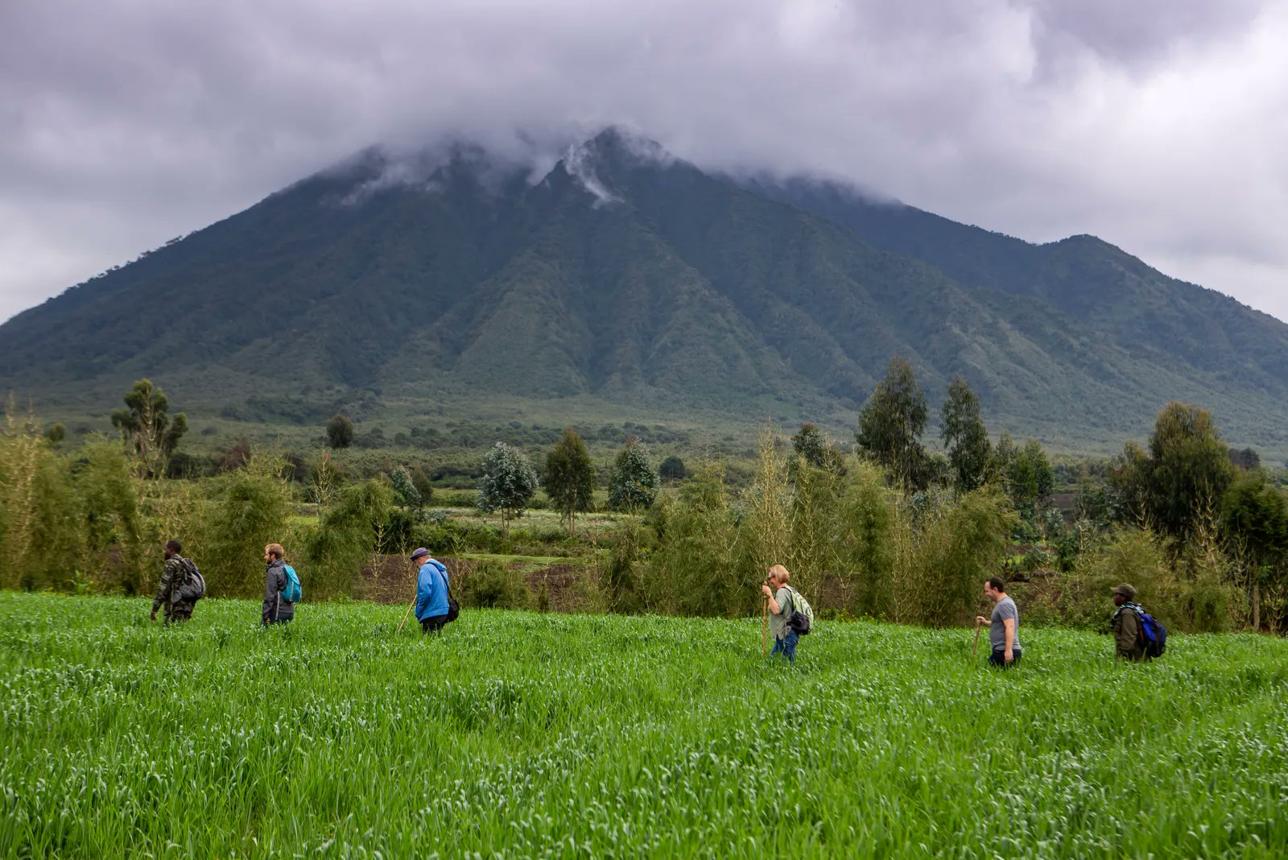
Travel insurance remains essential. Senior visitors should choose a policy that covers their age group, existing medical conditions where applicable, emergency treatment, evacuation and trip interruption. Gorilla permits and high-end safari accommodation often have strict cancellation conditions. Therefore, insurance should be purchased soon after the initial booking rather than immediately before departure.
Visitors should keep medication in their hand luggage and bring more than the exact amount required for the trip. Medicines should remain in their original packaging. A printed prescription or letter from a physician can be helpful, particularly when traveling with injectable medication or controlled drugs.
Older adults who use a walking stick, folding cane, hearing aid, compression socks or portable medical device should include these items on their packing checklist. Batteries and small replacement parts may not always be available near national parks.
During the safari, travelers should avoid walking alone after dark, leave valuable jewelry at home and use hotel safes where available. A guide should confirm whether tap water is suitable for a particular use. Bottled or properly filtered water is the safest choice for drinking.
Safety on safari also means respecting wildlife instructions. Guests should remain inside the vehicle during game drives unless the guide confirms that it is safe to leave. During primate trekking, visitors must follow the ranger’s guidance, maintain the required distance and avoid sudden movements.
Understanding Fitness Levels Before Planning the Safari
The term “senior traveler” includes an enormous range of abilities. A successful itinerary begins with an honest conversation about mobility rather than assumptions based on age.
A tour planner should ask whether the traveler can walk for 30 minutes on uneven ground, climb several steps without support, enter a high four-wheel-drive vehicle and remain seated during a moderately bumpy game drive. For a gorilla trek, additional questions are necessary. Can the traveler walk uphill? How do they manage mud? Do they have knee, hip, heart or breathing conditions? Would they be comfortable using a porter?
These questions are not intended to discourage anyone. They allow the operator to recommend suitable activities, lodging and support.
It is helpful to think in terms of three broad activity levels. A relaxed safari focuses on vehicle-based wildlife viewing, scenic drives, boat trips, museums and accessible cultural experiences. A moderate safari adds gentle walks, golden monkey trekking where appropriate and a carefully selected gorilla trek. An active itinerary may include chimpanzee tracking, longer forest trails, the Nyungwe canopy walkway or volcano hikes.
A couple may also have different fitness levels. One partner might want to trek gorillas while the other prefers a morning at the lodge or a cultural excursion. A private journey makes it possible to arrange separate activities without compromising the overall holiday.
Medical clearance is advisable for anyone with a heart condition, respiratory illness, recent surgery or significant balance problems. A physician who understands the proposed itinerary can offer more useful guidance than a general statement about visiting Africa.
Best Experiences on a Rwanda Safari for Senior Travelers
Rwanda’s major attractions appeal to different interests and physical abilities. The ideal route combines unforgettable highlights with sufficient time for rest.
Gorilla Trekking in Volcanoes National Park
Mountain gorilla trekking is Rwanda’s signature wildlife experience. Volcanoes National Park protects part of the Virunga mountain ecosystem, a landscape of rainforest, bamboo and volcanic peaks.
Visitors gather at the park headquarters in Kinigi early in the morning for registration, a briefing and group allocation. Rangers then assign each trekking party to a habituated gorilla family. The length and difficulty of the walk vary because the gorillas move freely through the forest.
Once the group reaches the gorillas, visitors generally spend one precious hour observing them. A silverback may sit peacefully near his family while juveniles climb, play and tumble through the vegetation. Mothers care for infants, and other group members feed on leaves and stems. It is an intimate wildlife encounter that often becomes the emotional center of a Rwanda holiday.
Rwanda’s standard gorilla permit currently costs USD 1,500 per person per trek, and the minimum trekking age is 15. These details should always be reconfirmed at booking because park policies and promotional offers can change. Visit Rwanda’s official gorilla-tracking information provides the current public permit guidance.
Gorilla trekking is possible for many older adults, but it requires preparation. Trails may be steep, wet and slippery. The altitude can also make physical effort feel more demanding. A trek might last a few hours, although some encounters require substantially more walking.
Senior travelers should discuss their abilities 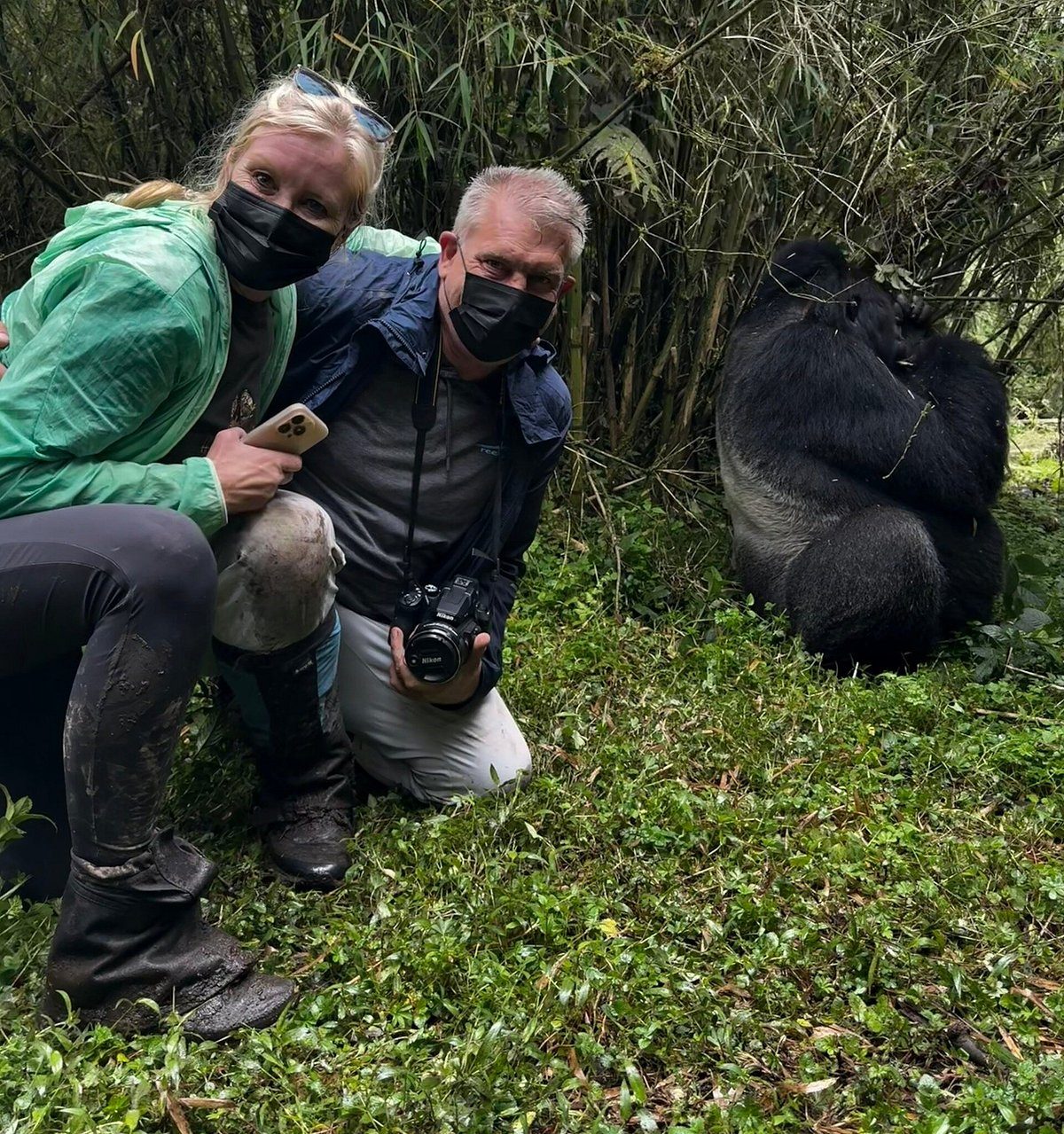 with the operator before permits are purchased. On trekking morning, the guide can speak with park personnel about requesting a group that is believed to be relatively accessible. This cannot guarantee a short or easy walk because gorillas are wild animals, but clear communication may help rangers make an appropriate allocation.
How Seniors Can Make Gorilla Trekking Easier
Hiring a porter is one of the best decisions any gorilla trekker can make. A porter carries the daypack, offers a steady hand on difficult ground and helps the traveler negotiate slippery sections. Hiring a porter also provides direct income to people living near the park.
A traveler who is concerned about strength or balance may hire more than one porter. Specialized assistance may sometimes be arranged for people with limited mobility, but this requires advance discussion, careful assessment and additional cost.
A wooden walking stick is commonly available at the start of the trek, although travelers who rely on a particular cane or trekking pole may prefer to bring their own. Two trekking poles can provide better stability than one, especially during descents.
Footwear is critical. Waterproof hiking boots should have a firm sole, ankle support and reliable grip. Travelers should break them in before departure. New boots worn for the first time in Rwanda can cause painful blisters and turn an inspiring day into an uncomfortable one.
Long trousers, gardening-style gloves, gaiters and a light waterproof jacket provide protection from vegetation, insects and mud. A small backpack should contain drinking water, snacks, medication and a camera. The porter can carry the bag, but medicine that may be needed urgently should remain easy to reach.
Pacing matters more than speed. Senior trekkers should tell the ranger whenever they need a pause. There is no prize for reaching the gorillas first. A slow, controlled walk reduces the risk of exhaustion and falls.
Golden Monkey Trekking
Golden monkey trekking is another popular experience in Volcanoes National Park. These lively primates inhabit the bamboo forest and move quickly as they feed and interact.
The activity is often considered less demanding than gorilla trekking, but conditions still vary. There may be mud, slopes and uneven surfaces. Travelers should not assume that it is a flat nature walk.
Golden monkey trekking can be an excellent second primate experience for active older adults. It also provides a different style of photography and wildlife observation. While gorilla encounters are often quiet and reflective, golden monkeys create a faster, more playful atmosphere.
Travelers with limited stamina should avoid scheduling golden monkey trekking immediately after a difficult gorilla trek unless they are confident about their recovery. A rest day, cultural excursion or scenic drive may be more enjoyable.
Akagera National Park Wildlife Safari
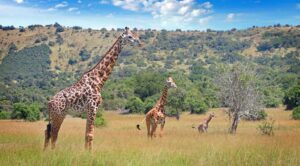
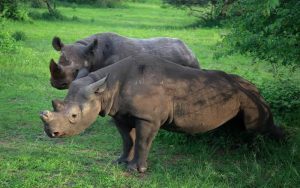
Akagera National Park is Rwanda’s principal savannah destination. Its landscapes include open plains, lakes, woodland, wetlands and rolling hills. It provides opportunities to see elephants, buffaloes, lions, giraffes, zebras, antelopes, hippos, crocodiles and many bird species. Leopards and rhinoceroses may also be encountered, although sightings of any wild animal can never be guaranteed.
For less-mobile travelers, Akagera is one of the easiest places to enjoy Rwanda’s wildlife. Most viewing takes place from a safari vehicle. Guests can remain seated, use binoculars and photograph animals without completing a demanding walk.
A private four-wheel-drive vehicle is preferable for a Rwanda Safari for Senior Travelers. It gives guests control over stops, seating and the length of the drive. When possible, limit the number of passengers so everyone has space to change position and reach a window.
A full-day game drive can be tiring. Roads inside the park may be uneven, and the most productive wildlife areas are spread across a large landscape. Two nights in or near Akagera are usually better than a rushed day trip from Kigali. The longer stay allows travelers to divide the experience into shorter drives and enjoy the lodge between activities.
A supportive cushion can improve comfort on bumpy roads. Travelers with back problems should sit where movement is least pronounced, usually closer to the front or center of the vehicle. Regular stretching stops can be arranged only in areas approved by the guide.
Boat Safari on Lake Ihema
A boat trip on Lake Ihema is an appealing addition to an Akagera safari. Visitors may see hippos, Nile crocodiles and numerous waterbirds from the boat. Visit Rwanda describes the Lake Ihema boat experience as one of Akagera’s highlights.
Boat trips reduce the amount of time spent on rough roads and offer a refreshing change of perspective. However, travelers should ask about the step into the boat, seating, handrails and distance from the vehicle to the boarding point.
Morning and late-afternoon trips can be cooler than midday excursions. A hat, sunglasses and sun protection are still necessary because reflected sunlight from the water can be strong.
Travelers with balance concerns should wait for the crew to stabilize the boat before boarding. They should use both hands when stepping aboard and allow staff to carry bags and cameras.
Kigali City Tour
Kigali is more than an arrival point. The capital introduces travelers to Rwanda’s history, creativity, daily life and modern development.
The Kigali Genocide Memorial is an essential but emotionally powerful visit. It honors victims of the 1994 Genocide against the Tutsi and helps visitors understand Rwanda’s journey. Senior travelers may appreciate moving slowly through the exhibitions and taking time for reflection.
A city tour may also include a local market, an art center, a viewpoint or a neighborhood drive. The exact program should match the traveler’s interests and mobility. Markets can be crowded and may have uneven walking surfaces, while museums and galleries generally provide a more controlled experience.
Rather than attempting every attraction in one day, visitors can divide Kigali sightseeing across the beginning and end of the safari. This arrangement also creates recovery time after international flights.
A comfortable Kigali hotel is worth the investment. Elevators, walk-in showers, reliable restaurant service and proximity to medical facilities can be particularly valuable on the first and final nights.
Lake Kivu Relaxation
Lake Kivu is an ideal place to slow down. Its shoreline, islands and surrounding hills offer a peaceful contrast to early-morning trekking and game drives.
Popular lakeside destinations include Gisenyi, also known as Rubavu, and Kibuye, also known as Karongi. Rubavu is convenient after Volcanoes National Park, while Karongi offers attractive scenery and a quieter atmosphere.
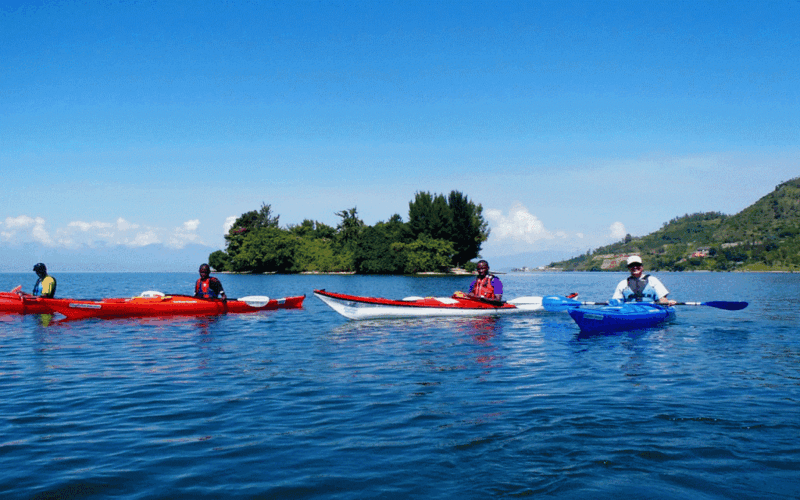
Activities can be as gentle or energetic as the traveler wishes. Options include a scenic boat ride, a coffee experience, birdwatching, photography, reading beside the water or simply enjoying the lodge.
Boat accessibility varies. Some vessels have secure seating and straightforward boarding, while others require a larger step. The operator should inspect or confirm the arrangement before recommending a trip for someone with mobility limitations.
Lake Kivu deserves at least two nights when relaxation is a priority. Arriving late and departing early the following morning does not create a true rest day. Senior travelers often appreciate one day without packing, changing hotels or following a strict timetable.
Cultural Experiences Around Volcanoes National Park
A cultural visit adds context to the wildlife experience. Guests can learn about Rwandan traditions, music, dance, crafts, food and community life.
Some experiences involve standing, dancing or walking through a village. Participation is optional. A thoughtful guide can arrange seating and help the hosts understand the guest’s mobility needs.
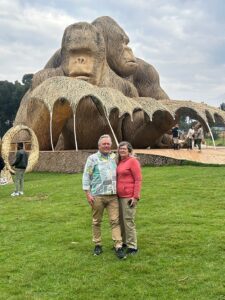
The Ellen DeGeneres Campus of the Dian Fossey Gorilla Fund near Volcanoes National Park is another worthwhile option. It presents gorilla conservation through engaging exhibits and can complement the trekking experience. It is particularly useful on an arrival afternoon or as a lighter activity between active days.
Cultural and conservation visits should be treated as meaningful experiences rather than quick stops added to fill an itinerary. Allow enough time for interaction, questions and rest.
Nyungwe National Park
Nyungwe National Park protects a vast montane rainforest in southwestern Rwanda. It is known for chimpanzees, other primates, birds, forest trails and its elevated canopy walkway.
Chimpanzee trekking is exciting, but it can be physically challenging. Chimpanzees move quickly, and trackers may need to follow them over wet, uneven or steep forest terrain. Early starting times also add to the effort.
The canopy walkway provides dramatic rainforest views, but reaching it requires a forest hike. The bridge itself is high above the ground and may not suit travelers with vertigo, balance problems or a strong fear of heights. Visit Rwanda highlights chimpanzee tracking and the canopy walkway among Nyungwe’s central attractions in its national-parks and Lake Kivu itinerary.
Nyungwe should therefore be included selectively. Active older adults may find it exhilarating. Travelers seeking a gentle safari may prefer to spend additional time in Akagera, Volcanoes National Park or Lake Kivu.
The drive between Kigali and Nyungwe is scenic but long. Breaking the journey with a visit in Huye or another suitable stop can make it more comfortable. At least three nights are recommended if chimpanzee trekking and another forest activity are planned.
Choosing Senior-Friendly Accommodation in Rwanda
The label “luxury lodge” does not automatically mean “accessible lodge.” A beautiful hillside property may have dozens of steps between the room and restaurant. A tented camp may provide excellent service but require guests to walk along uneven outdoor paths at night.
Before confirming accommodation, ask specific questions. Is the guest room on the ground floor? Are there steps from the parking area? How far is the room from the restaurant? Does the bathroom have a walk-in shower? Are there grab rails? Can the lodge provide a shower chair? Is the property well lit at night? Does it have an elevator where rooms occupy several floors?
Room location can be more important than room category. A standard room near the main building may be better for a senior traveler than an upgraded room reached by a steep path.
Bathrooms deserve particular attention. Slippery floors and high bathtubs create avoidable risks. Walk-in showers, non-slip mats and good lighting are preferable. Travelers who need a shower stool should request it before arrival because not every property keeps one on site.
Bed height also matters. Very high beds can be difficult for shorter guests, while very low beds may be uncomfortable for travelers with knee or hip problems. If this is a significant concern, the operator should ask the lodge for measurements or photographs.
Heating is important near Volcanoes National Park and in Nyungwe because evenings can feel cool. Guests should ask whether rooms have a fireplace, heater, hot-water bottle or extra blankets.
At Akagera, air conditioning or an effective fan may be valuable during warmer periods. Mosquito nets should be correctly fitted, and staff can assist guests who are unsure how to arrange them.
Reliable electricity is essential for travelers using rechargeable hearing aids, phones or medical equipment. Many lodges have generators or solar systems, but continuous power should not be assumed. A fully charged power bank offers useful backup for small devices.
The Importance of a Comfortable Safari Vehicle
Road travel forms a substantial part of most Rwanda safaris. The vehicle should therefore be chosen with the same care as the hotel.
A well-maintained four-wheel-drive vehicle with air conditioning, supportive seating and sufficient legroom is ideal. A sliding step or portable stool can help guests enter and leave a high vehicle. Secure handholds are equally important.
The oldest passenger should not automatically be placed in the front seat. The best position depends on mobility, motion sensitivity and back comfort. Some travelers find the front easier to enter, while others prefer the second row because it offers more space.
Luggage should be packed so that essential items remain accessible. Medication, water, a light jacket and walking aids should never be buried under suitcases.
A private vehicle allows the guide to respond immediately when a traveler needs a restroom, photography stop or chance to stretch. Shared departures are less flexible and may create pressure to keep pace with strangers.
Driving after dark should be minimized where practical. Rwanda’s main roads are generally good, but rural areas may have pedestrians, bicycles, animals and limited lighting. A carefully paced itinerary schedules arrivals before evening whenever possible.
Planning the Ideal Daily Pace
One of the most common safari-planning mistakes is filling every available hour. A list of activities may look exciting on paper but feel exhausting in practice.
Older travelers usually enjoy Rwanda more when the itinerary alternates demanding and gentle days. A gorilla trek might be followed by a late breakfast and relaxed afternoon. A full-day Akagera drive might be balanced with a shorter boat trip the next morning.
Whenever possible, plan two or more nights at major destinations. Frequent hotel changes require repeated packing, unpacking and luggage management. They also prevent guests from settling into a comfortable rhythm.
Early mornings are common on safari. Gorilla trekking registration takes place in the morning, chimpanzee excursions can start very early, and wildlife is often most active around sunrise. Not every day, however, needs to begin before dawn.
A private guide can schedule city tours, transfers and scenic activities later in the morning. This flexibility is particularly useful after international flights.
Lunch should be realistic. Some guests are comfortable with a packed meal during a game drive, while others need a proper seated lunch and restroom facilities. Dietary needs should be communicated in advance.
Afternoon rest is not wasted safari time. It allows travelers to process what they have seen, organize photographs and recover for the following day. Many lodges have gardens, views or terraces that become enjoyable parts of the experience.
Suggested Eight-Day Rwanda Safari for Senior Travelers
An eight-day program offers enough time to see Rwanda’s major highlights without changing location every night. The following itinerary works well for moderately active travelers and can be adjusted for mobility, budget and interests.
Day 1: Arrival in Kigali
A representative meets the travelers at Kigali International Airport and assists with luggage. After a private transfer, guests check into a comfortable city hotel.
No major sightseeing should be scheduled immediately after a long-haul flight. The priority is hydration, a light meal and rest. If the flight arrives during the day and guests feel energetic, the guide may offer a short orientation drive.
Travelers should confirm the next day’s schedule before retiring. Medication and essential items should remain easy to access rather than buried in luggage.
Day 2: Gentle Kigali City Tour
After a relaxed breakfast, guests explore Kigali with a private guide. The program may include the Kigali Genocide Memorial, an art center and a panoramic city drive.
Lunch is served at a carefully selected restaurant. The afternoon can remain flexible. Guests may visit a market, return to the hotel or enjoy coffee at a quiet venue.
A second night in Kigali provides time to recover from jet lag. It also avoids beginning the safari with an immediate long transfer.
Day 3: Kigali to Akagera National Park
Guests leave Kigali after breakfast and travel east toward Akagera. The drive includes rest and photography stops.
After checking into the lodge and having lunch, guests rest before an afternoon game drive or Lake Ihema boat safari. The boat trip may be particularly enjoyable after the road journey because it involves less vehicle time.
Dinner is served at the lodge, followed by an early night.
Day 4: Akagera Wildlife Viewing
The day is dedicated to wildlife, but it does not need to involve continuous driving. Guests can choose a morning game drive, return for lunch and then complete a shorter afternoon excursion.
Travelers hoping to explore more of the park may take a full-day drive with a packed lunch. A supportive vehicle, regular comfort stops and good hydration are essential.
The guide looks for elephants, giraffes, zebras, buffaloes, antelopes, lions and other species. Birdlife is abundant throughout the park.
A second night at the same lodge eliminates the need to pack after a long wildlife day.
Day 5: Akagera to Volcanoes National Park
After breakfast, guests begin the journey toward the Virunga region. The route may pass through Kigali, where the guide can arrange lunch and a comfortable break.
Arrival at the Volcanoes National Park lodge should be before dark. Guests check their trekking equipment, organize their daypacks and meet the guide for a final gorilla briefing.
Dinner should be familiar and not excessively heavy. Hydration is important, but guests should balance fluid intake with the limited restroom opportunities during the trek.
Day 6: Gorilla Trekking
After an early breakfast, guests travel to the park headquarters for registration and group allocation. Porters are arranged before the walk begins.
The traveler proceeds at a steady pace and communicates openly with the ranger. Once the gorilla family is reached, the group enjoys the permitted viewing period before returning through the forest.
Back at the lodge, boots can be cleaned while guests shower, eat and rest. No compulsory afternoon activity should be scheduled. If travelers feel well, they might enjoy a conservation exhibit or gentle scenic drive.
Day 7: Volcanoes Region and Lake Kivu
Guests enjoy a slower morning. Depending on their interests, they may visit the Ellen DeGeneres Campus, take a cultural tour or drive directly to Lake Kivu.
After checking into a lakeside hotel, the afternoon is reserved for relaxation. A gentle boat excursion can be included if the weather and boarding arrangement are suitable.
The evening provides time to celebrate the safari without another early activity.
Day 8: Return to Kigali and Departure
After breakfast, guests return to Kigali. The guide can arrange lunch, gift shopping or a short final visit depending on the flight time.
Airport arrival should be comfortably early. Travelers requiring wheelchair or mobility assistance should have requested it from the airline in advance. RwandAir states that passengers needing special assistance should notify the airline when booking or no later than 48 hours before departure. RwandAir’s guest service policy explains this requirement.
This itinerary can be extended with another night at Lake Kivu, a second gorilla trek or a carefully paced Nyungwe visit.
A Relaxed Rwanda Safari Itinerary Without Gorilla Trekking
Not every visitor wants or is medically able to complete a gorilla trek. Rwanda remains worthwhile without it.
A relaxed itinerary could begin with two nights in Kigali, followed by three nights in Akagera. Guests would enjoy short game drives, a Lake Ihema boat trip and time at the lodge. The journey could then continue to Lake Kivu for three nights of scenery, gentle boat excursions and cultural activities.
Another option is to stay near Volcanoes National Park without entering the forest. The Virunga landscape is beautiful, and visitors can enjoy conservation exhibits, cultural experiences, scenic drives and views of the volcanoes.
Couples with different mobility levels can divide for one morning. One traveler completes the gorilla trek while the other enjoys a private cultural or conservation excursion. They reunite for lunch and share their experiences.
A meaningful African safari should never be judged only by the number of strenuous activities completed. Comfort, connection and memorable wildlife observations are equally important.
Health Preparation Before Traveling to Rwanda
Senior travelers should consult a qualified healthcare professional or travel-medicine clinic well before departure. Ideally, this appointment should take place several weeks in advance because some vaccines or medicines require time to become effective.
The consultation should cover routine vaccinations, destination-specific recommendations, malaria prevention and the traveler’s medical history. The World Health Organization recommends consulting a health professional about required or advisable vaccines before international travel and checking routine immunizations. WHO vaccine and travel guidance offers general information, but personal advice must come from a clinician.
Malaria prevention requires particular attention. Risk levels and medication recommendations can vary according to destination, season, health history and current public-health guidance. WHO advises travelers going to malaria-endemic areas to consult a doctor several weeks before departure because the appropriate preventive drug depends on the traveler and destination. WHO’s malaria guidance provides additional context.
Yellow fever certificate requirements may depend on the countries visited or transited through before arriving in Rwanda. Travelers should check current official entry rules and their complete flight route, including long airport connections.
Prescription medicines should be accompanied by a written list showing both brand and generic names. This helps if luggage is delayed or a medical professional needs to understand the traveler’s treatment.
Those with diabetes should plan how to store medication and manage meal timing during early departures. Travelers using blood thinners should speak with their physician about long flights and uneven trekking conditions. Anyone with heart or respiratory disease should specifically discuss Rwanda’s altitude and the physical demands of the proposed activities.
Dental checks, updated eyeglass prescriptions and spare hearing-aid batteries are sensible preparations. Small health problems become more disruptive in a remote lodge than at home.
Managing Altitude and Physical Exertion
Kigali and several safari destinations sit at moderate elevation, while gorilla trekking takes visitors higher into the Virunga landscape. Most people adjust without serious difficulty, but some experience breathlessness, headaches or fatigue.
A slower first day allows the body to recover from flying and begin adapting. Travelers should drink enough water, limit excessive alcohol and avoid beginning the trip with the most physically demanding activity.
During a trek, shortness of breath can result from both altitude and exertion. Guests should not try to match the pace of younger participants. Rangers and porters are accustomed to different walking speeds.
Anyone who develops severe or unusual symptoms should stop and inform the ranger. Medical conditions should never be hidden because of embarrassment or fear of missing an activity.
Trekking on the first morning after an overnight international arrival is generally unwise for senior visitors. At least one full night in Rwanda—and preferably more—is a better arrangement.
Food, Hydration and Dietary Requirements
Rwanda’s established safari lodges cater to international guests and can usually accommodate vegetarian, gluten-free, low-sodium and other dietary requirements when informed in advance.
Travelers should give the operator clear details rather than using a broad phrase such as “special diet.” A guest with a severe allergy requires different preparation from someone who simply prefers to avoid a food.
Hydration is important, especially during flights, warm game drives and trekking. The guide should provide safe drinking water in the vehicle each day. Reusable bottles are convenient and reduce waste.
Older adults sometimes reduce water intake to avoid restroom stops. This can increase the risk of dehydration, headaches and fatigue. A private safari makes it easier to plan appropriate breaks.
Packed lunches are common during long game drives and some transfers. Travelers with dietary or chewing difficulties should review the menu in advance. Soft fruit, sandwiches, eggs, rice dishes and familiar snacks may be more suitable than hard or highly spiced foods.
Bringing a few preferred snacks is sensible, particularly for guests managing blood sugar. These should be packed according to airline and customs regulations.
Alcohol is available at many hotels and lodges, but moderation is wise. It can contribute to dehydration, interact with medication and affect balance when walking on unfamiliar paths.
Packing for a Rwanda Safari for Senior Travelers
Packing should emphasize comfort, stability and changing weather. Rwanda’s temperatures vary by altitude and time of day. Early mornings near Volcanoes National Park can be cool, while Akagera may feel warm.
Lightweight layers work better than one heavy item. A fleece or warm sweater, breathable shirts and a waterproof outer layer cover most conditions. Neutral-colored clothing is suitable for wildlife activities, although specialized safari clothing is not essential.
For primate trekking, long trousers protect the legs from vegetation and insects. Long socks or gaiters help prevent insects and debris from entering boots. Gardening gloves protect the hands when holding branches for balance.
Travelers should carry waterproof hiking boots, comfortable walking shoes and easy indoor footwear. Every shoe should be tested before the journey.
Sun protection includes a wide-brimmed hat, sunglasses and high-factor sunscreen. Insect repellent should be suitable for the traveler’s skin and medical circumstances.
A small medical kit may contain adhesive dressings, blister care, antiseptic, pain relief approved by the traveler’s doctor, oral rehydration salts and remedies for minor stomach problems. Prescription items remain separate and clearly labeled.
A compact flashlight or headlamp is useful at lodges. Other helpful items include binoculars, a camera with a secure strap, charging adapters and a power bank.
The daypack should remain light. A porter can carry it during a trek, but unnecessary weight still makes organization difficult.
When Is the Best Time for Senior Travelers to Visit Rwanda?
Rwanda can be visited throughout the year. The best month depends on whether the traveler prioritizes drier trekking conditions, birdwatching, lower visitor numbers or travel dates.
The generally drier periods often make forest trails easier, although rain remains possible at any time in mountainous areas. Drier conditions are attractive for gorilla trekking because deep mud and slippery slopes can increase physical difficulty.
The wetter months bring greener scenery and can offer rewarding photography. However, travelers with balance concerns may find muddy trails more challenging.
Akagera provides wildlife viewing throughout the year. Seasonal changes affect vegetation, water distribution and animal movement, but no month guarantees particular sightings.
Peak periods can bring greater demand for gorilla permits and sought-after lodges. Senior travelers who need specific room features should book early. Accessible or ground-floor rooms are limited even when the property itself has availability.
Travel dates should also account for personal tolerance of heat, rain and crowds. The “best” season is the one that matches the traveler’s abilities and interests.
How Many Days Are Enough for a Senior Safari?
Five days can cover Kigali and one principal park, but it creates little flexibility. Seven to ten days is a better range for most older visitors.
A seven-day itinerary might combine Kigali, Volcanoes National Park and Akagera. Nine or ten days allows time for Lake Kivu without making the program rushed.
Nyungwe usually requires additional days because of its location. Trying to combine Kigali, Akagera, Volcanoes, Lake Kivu and Nyungwe within one week results in excessive driving.
Two-week holidays can be very comfortable when the pace remains gentle. Extra time allows three-night stays, later mornings and flexible rest days.
Longer does not automatically mean more tiring. A ten-day itinerary with three bases may be easier than a six-day itinerary with five hotels.
Private Versus Group Safaris for Older Adults
A private safari costs more than joining a shared departure, but the benefits are significant.
Private guests control the daily pace. They can stop for restrooms, spend longer with wildlife, return to the lodge early or skip an activity without affecting other travelers. The vehicle can also be selected according to mobility needs.
Group tours work well for sociable and active seniors who enjoy meeting people. However, group programs follow fixed schedules. A traveler may feel pressured to move faster or avoid requesting a break.
Gorilla trekking itself is conducted in allocated groups under park rules, even when the overall safari is private. The private guide nevertheless assists before and after the trek and communicates the traveler’s needs during allocation.
For couples, families and small groups, a private Rwanda Safari for Senior Travelers usually offers the best balance of comfort, independence and value.
Traveling Solo as a Senior in Rwanda
Rwanda can be a rewarding destination for solo mature travelers. A private guide provides companionship, local knowledge and practical support without removing personal independence.
Solo travelers should share their itinerary with a trusted person at home and maintain regular communication where possible. The tour operator should hold emergency contact and medical information that the traveler has voluntarily provided.
Single-room supplements affect the total price because accommodation and transport are not divided between two guests. However, a carefully designed itinerary can manage costs without reducing safety.
A solo visitor may join other trekkers during the gorilla activity but retain private transport and accommodation arrangements.
Female travelers often appreciate knowing the guide’s name and telephone number before arrival. Airport meeting instructions should be clear, and the guide should carry a sign or use another agreed identification method.
Senior Couples and Multigenerational Families
Rwanda works beautifully for couples celebrating anniversaries or meaningful life milestones. Lodges can arrange private dinners, room decorations and other small surprises when notified in advance.
Partners should not feel obligated to complete identical activities. One may choose gorilla trekking while the other enjoys a lodge day, cultural visit or conservation experience.
Multigenerational safaris can include grandparents, adult children and teenagers. The private vehicle and shared wildlife experiences encourage family connection. However, the itinerary must not be designed exclusively around the youngest and most active participant.
Families should build choice into the program. Active members might complete a longer walk while others take a scenic excursion. Everyone can then meet for dinner and exchange stories.
Room arrangements should be discussed carefully. Adjacent rooms, ground-floor units and twin beds may be more useful than the most luxurious room category.
Budgeting for a Rwanda Safari for Senior Travelers
The total cost depends on season, group size, accommodation, permits, transport and activities. Gorilla permits are a major fixed expense, while private vehicles and high-quality lodging account for much of the remaining budget.
A low advertised package price may exclude essential components such as park fees, permits, meals, airport transfers or porter services. Travelers should request a detailed inclusion and exclusion list.
Senior-friendly planning can increase costs slightly. Ground-floor rooms may be found only in a higher room category, while a spacious private vehicle costs more than a shared minibus. These expenses often provide genuine value.
The quotation should clearly state whether it includes accommodation, meals, drinking water, guide services, fuel, park entrance, game drives, boat activities and permits.
Personal expenses commonly include tips, alcoholic beverages, optional activities, laundry, travel insurance and souvenirs.
A realistic budget also includes contingency funds for medical needs or schedule changes. Payment and cancellation terms should be read before deposits are made.
Gorilla permits are limited and usually require advance payment. Names and passport details must be accurate. Travelers should check that their insurance covers non-refundable safari expenses if illness prevents travel.
Travel Insurance and Emergency Planning
Comprehensive travel insurance is especially important for mature visitors. The policy should be appropriate for the traveler’s age and medical circumstances.
Emergency medical coverage should be high enough for private treatment and evacuation if required. Travelers should disclose pre-existing conditions truthfully. A policy that excludes the condition most likely to cause a problem offers limited protection.
Trip cancellation coverage should reflect the actual prepaid cost, including gorilla permits and accommodation deposits. Coverage for missed connections and delayed baggage is also useful.
The traveler should carry both printed and digital copies of the policy, emergency telephone numbers and relevant medical records. A family member at home should have access to the same information.
Universal Ventures Rwanda can adapt local arrangements, but an operator cannot replace medical insurance or make medical decisions. Emergency plans work best when the traveler, insurer, physician and safari provider each understand their responsibilities.
Accessibility: What Rwanda Can and Cannot Guarantee
Rwanda’s tourism industry is welcoming, but accessibility is not uniform. Travelers should expect that some attractions have stairs, uneven ground, high vehicle entrances or limited adapted bathroom facilities.
Urban hotels are more likely to have elevators and accessible rooms than remote lodges. Even where a room is described as accessible, standards may differ from those in Europe, North America or Australia.
Wild forest terrain cannot be fully adapted. Gorilla and chimpanzee trekking takes place in natural habitats without paved trails. Rain can alter conditions overnight.
Special carrying assistance may sometimes allow a person with reduced mobility to participate in gorilla trekking. However, feasibility depends on body weight, medical condition, terrain, staffing and current park arrangements. It must be assessed individually.
Honest planning is more useful than unrealistic reassurance. A reputable tour operator will explain limitations, request accurate information and suggest alternatives where an activity may not be suitable.
Choosing the Right Tour Operator
A specialist local operator understands the realities of travel between Rwanda’s parks. The company should ask about mobility and medical considerations before recommending an itinerary.
Communication should be clear from the beginning. The traveler should receive written information about accommodation, permits, meals, transport, cancellation conditions and physical requirements.
An experienced operator coordinates several parties: park authorities, lodges, guides, porters, boat providers and airport services. This coordination becomes especially important when a guest requires a particular room, slower pace or dietary arrangement.
Ask whether the safari is private, which vehicle will be used, how much luggage it can hold and whether a step stool can be provided. Request recent information about the paths and stairs at proposed lodges.
The cheapest quote may not provide the best experience. Value comes from reliable logistics, responsive communication, comfortable accommodation and a guide who notices when a guest needs assistance before being asked.
Sustainable and Responsible Senior Travel
Responsible tourism protects Rwanda’s natural and cultural heritage. Gorilla permits contribute to conservation and help regulate visitor numbers. Visit Rwanda notes that a proportion of income derived from tourism permits and park fees supports partnerships with local communities. Visit Rwanda’s tourism interests page outlines this community connection.
Hiring porters creates local income while making trekking safer. Buying crafts directly from recognized cooperatives supports artisans. Respectful cultural visits allow guests to learn without treating communities as staged attractions.
Visitors should follow park rules, avoid feeding wildlife and never pressure a guide to approach animals too closely. Flash photography and noise may be restricted during wildlife encounters.
Reusable water bottles, limited plastic and responsible waste disposal reduce the environmental footprint of the safari. Lodges with credible conservation and community programs deserve consideration.
Senior travelers often bring patience, curiosity and life experience to cross-cultural encounters. Taking time to listen can create more meaningful connections than rushing between attractions.
Common Mistakes to Avoid
The first mistake is trying to see the entire country in a few days. Excessive driving and constant hotel changes can overshadow the wildlife.
Another mistake is assuming every gorilla trek is easy because Volcanoes National Park is close to Kigali. The road journey is convenient, but the forest activity can still be strenuous.
Travelers sometimes avoid hiring a porter because their daypack feels light. The porter’s greatest value is often balance assistance rather than carrying weight.
New hiking boots are another frequent problem. Footwear should be broken in through several walks before the trip.
Some guests hide mobility concerns because they fear being excluded. This prevents the operator from arranging suitable rooms, vehicles and trekking support.
Booking flights too close to an important activity also creates risk. Delays can lead to missed permits, while trekking immediately after a long overnight journey reduces enjoyment.
Finally, travelers should not schedule every afternoon. Rest is part of a well-designed safari, especially after early starts and physically demanding experiences.
Frequently Asked Questions About a Rwanda Safari for Senior Travelers
Is Rwanda suitable for travelers over 70?
Yes. Many visitors in their seventies and beyond enjoy Rwanda. Suitability depends more on health, mobility and itinerary design than chronological age. Vehicle-based game viewing, cultural experiences and lakeside stays can be adapted easily. Trekking activities require a separate fitness assessment.
Can an older person trek mountain gorillas?
Many older adults successfully trek gorillas. The traveler should be able to manage uneven, potentially steep and muddy terrain. Porters, walking poles, appropriate footwear and communication with park staff can make the experience more manageable. Medical clearance may be appropriate.
Is gorilla trekking guaranteed to be easy if an easier group is requested?
No. Park staff may consider mobility when allocating trekking groups, but mountain gorillas move freely. The location and trail conditions can change. No ethical operator can guarantee a short or easy trek.
How much is a Rwanda gorilla permit?
The standard published price is currently USD 1,500 per person for one trek. Prices and eligibility for special offers should be reconfirmed before booking through an authorized operator or official tourism source.
What happens if I cannot finish the gorilla trek?
The traveler should inform the ranger as soon as difficulties arise. Safety takes priority. Refunds should not be expected when a participant voluntarily stops or cannot complete the activity, which is why fitness assessment and travel insurance are important.
Are porters available for gorilla trekking?
Yes, porters are commonly available. They carry bags and provide valuable physical support. Their services should be arranged and paid for locally according to the current system.
Can a person with a walking disability see gorillas?
Special assistance may sometimes be possible, but it must be discussed well in advance. The operator and relevant park personnel need accurate information about the person’s mobility, weight and medical condition. Feasibility cannot be assumed.
Is Akagera National Park comfortable for senior visitors?
Akagera is very suitable for guests who prefer vehicle-based wildlife viewing. A private four-wheel-drive vehicle, supportive seating, shorter game drives and a two- or three-night stay improve comfort.
Is Nyungwe appropriate for seniors?
Nyungwe is appropriate for active seniors who can handle forest trails. Chimpanzee trekking and access to the canopy walkway may be demanding. Travelers with limited mobility can instead enjoy scenic drives, tea landscapes and selected lodge experiences.
How long should a senior safari in Rwanda last?
Seven to ten days is ideal for many visitors. It provides time for Kigali, Akagera and Volcanoes National Park without excessive rushing. Lake Kivu or Nyungwe requires additional time.
Are there luxury lodges in Rwanda?
Yes. Rwanda has excellent luxury accommodation in Kigali and near its major parks. However, guests should verify accessibility because hillside layouts and outdoor paths can still present challenges.
Can dietary requirements be accommodated?
Most established hotels and safari lodges can handle common dietary needs with advance notice. Severe allergies and medical diets should be explained in detail.
What type of vehicle is best?
A private four-wheel-drive vehicle with air conditioning, supportive seats, legroom, handholds and a portable entry step is ideal. Passenger numbers should remain low enough for everyone to sit comfortably.
Do senior travelers need special travel insurance?
They need comprehensive insurance that covers their age, planned activities and disclosed medical conditions. Emergency treatment, evacuation, cancellation and interruption coverage are particularly important.
Is Rwanda a good destination for a solo senior woman?
Yes, with sensible planning. Private airport transfers, a professional guide, confirmed accommodation and clear emergency contacts provide reassurance and convenience.
Can couples choose different activities?
Absolutely. A private safari can arrange a gorilla trek for one partner and a conservation, cultural or relaxation experience for the other.
How physically demanding are Rwanda game drives?
Game drives do not require significant walking, but several hours on uneven roads may affect the back, hips and knees. A supportive cushion, suitable seating and regular approved breaks help.
Are public restrooms available during game drives and treks?
Facilities are available at park offices, lodges and selected stopping points, but they are limited in the forest and in remote areas of parks. Guests should plan accordingly and speak privately with their guide about concerns.
Should walking sticks be brought from home?
Travelers who use a particular walking aid should bring it. A basic trekking stick may be available locally, but familiar equipment provides greater confidence.
Can Rwanda be combined with Uganda?
Yes. Rwanda and Uganda can be combined for gorilla trekking, chimpanzees and wildlife. However, cross-border routes add driving time and entry requirements. Senior travelers should allow enough days and avoid rushed transfers.
Final Thoughts: Planning a Rewarding Rwanda Safari for Senior Travelers
Rwanda proves that an African safari can be adventurous without being rushed. Its compact tourism circuit, professional guides, high-quality lodges and varied experiences make it particularly attractive to mature visitors.
The key is personalization. A successful Rwanda Safari for Senior Travelers considers walking ability, medical needs, preferred pace, room accessibility, vehicle comfort and the traveler’s genuine interests.
For some guests, the highlight will be standing quietly before a mountain gorilla family. For others, it may be watching elephants in Akagera, cruising past hippos on Lake Ihema, listening to birds beside Lake Kivu or learning about Rwanda’s history in Kigali.
There is no single correct way to experience the country. The best journey is one that challenges the traveler just enough while preserving comfort, confidence and time to appreciate each moment.
With early planning, open communication and experienced local support, senior visitors can enjoy Rwanda safely and meaningfully. They can return home not simply with photographs, but with stories of remarkable wildlife, dramatic landscapes and the warmth of the people they met along the way.
Plan Your Rwanda Safari with Universal Ventures Rwanda
Universal Ventures Rwanda designs private, personalized journeys for senior travelers, couples, families and small groups. Our team can arrange gorilla permits, carefully selected accommodation, private four-wheel-drive transport, professional guides, porter assistance, cultural experiences and comfortable wildlife safaris.
We take time to understand your preferred pace, mobility considerations, dietary requirements and accommodation needs before preparing your itinerary.
Universal Ventures Rwanda
Telephone and WhatsApp: +250 781 441 853
Email: info@universalventuresrwanda.com
Address: KN 15 Road, opposite IPRC Entrance, 1st Floor, SANGWA Plaza, Kigali, Rwanda
Website: www.universalventuresrwanda.com