This Akagera National Park Travel Guide explains everything you need to know before visiting. It covers the park’s history, wildlife, activities, seasons, accommodation, transportation, suggested itineraries, packing advice and safari-planning tips.
Akagera National Park is where Rwanda’s famous green hills open into golden savannah, woodland, wetlands and wildlife-rich lakes. Located along the Tanzanian border in Rwanda’s Eastern Province, the park offers a completely different experience from the misty mountain forests associated with gorilla trekking.
Here, travelers can search for lions on open plains, watch elephants beside a lake, photograph giraffes moving through acacia woodland and listen to hippos calling during a boat safari. Akagera is also Rwanda’s only Big Five safari destination, making it an essential stop for anyone who wants a complete wildlife experience in the country.
The guide is useful whether you are organizing a one-day Akagera safari from Kigali, a two-night wildlife experience or a longer Rwanda itinerary combining Akagera with gorilla trekking, chimpanzee trekking and Lake Kivu.
Although Akagera is smaller than many famous East African reserves, its variety is remarkable. A single journey through the park can take you from rolling hills and open grasslands to papyrus swamps, wooded valleys and lakes filled with hippos and crocodiles. This changing landscape creates habitats for an impressive range of mammals, birds and reptiles.
Akagera has also become one of Africa’s most encouraging conservation success stories. Lions and rhinoceroses have returned, wildlife populations have recovered and tourism now supports both conservation and neighboring communities. In 2025, Akagera became the first park managed by African Parks to operate as a financially self-sustaining conservation landscape. Ten percent of park income is also allocated to Rwanda’s tourism revenue-sharing program, supporting community projects around protected areas. African Parks
For travelers, this successful restoration means that Akagera offers more than attractive scenery. It provides a genuine opportunity to experience Rwanda’s wild side while contributing to a protected landscape that has undergone an extraordinary recovery.
Where Is Akagera National Park?
Akagera National Park lies in northeastern Rwanda, beside the international border with Tanzania. The park is approximately 110 kilometers from Kigali, and the journey normally takes around two and a half hours. Travel time can vary according to traffic, road conditions and the location of your accommodation.
The route from Kigali passes through Rwanda’s Eastern Province, an agricultural region characterized by cultivated hills, small towns and rural communities. Most of the journey is on a paved road. The final section leading toward the southern entrance is slower and may be dusty during the dry season.
Visitors traveling independently enter through the southern Mutumba Gate. A four-wheel-drive vehicle is strongly recommended, particularly during the rainy months when some internal roads may become muddy. The park is generally open to self-drivers from 6:00 a.m. until 6:00 p.m., although entry conditions and gate arrangements should always be confirmed before departure. Visit Akagera
Akagera’s convenient location makes it one of the most accessible savannah parks in East Africa. Travelers can leave Kigali early in the morning, spend a full day watching wildlife and return to the capital in the evening. Nevertheless, staying at least one night provides a much more relaxed and rewarding experience.
Why Visit Akagera National Park?
Many travelers associate Rwanda almost entirely with mountain gorillas. Gorilla trekking is undoubtedly one of the country’s greatest experiences, but Akagera demonstrates that Rwanda has much more to offer.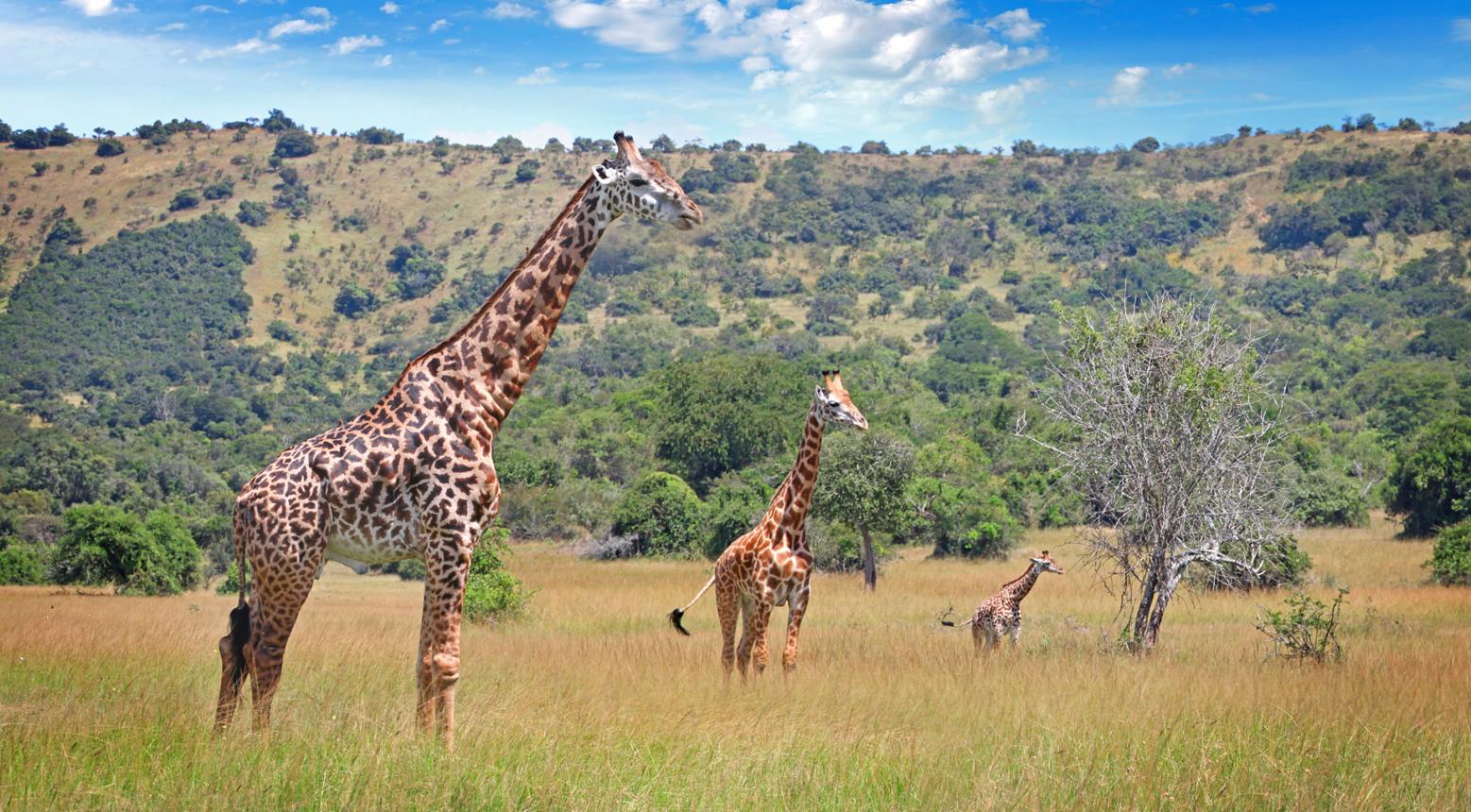
The park is the only destination in Rwanda where visitors can search for lions, leopards, elephants, rhinoceroses and buffaloes in the same protected area. It also contains giraffes, zebras, hippos, crocodiles and numerous antelope species.
Akagera is especially attractive to travelers who want to combine primate trekking with a traditional African safari without adding another international flight. A well-designed Rwanda itinerary can include the Big Five in Akagera, mountain gorillas in Volcanoes National Park and chimpanzees in Nyungwe National Park.
The park is also relatively quiet. Vehicles rarely gather in large numbers around an animal sighting, and many routes retain a peaceful, exploratory feeling. Wildlife sightings are never guaranteed, but the absence of heavy traffic often makes each encounter feel more personal.
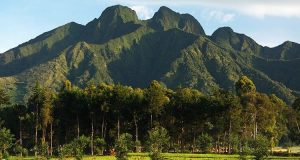
Another reason to visit is the scenery. Akagera is not simply a flat savannah reserve. Its western section includes hills and woodland, while the eastern side contains lakes, floodplains and one of the region’s most important wetland systems. The landscape changes continually as visitors travel from south to north.
Akagera is equally suitable for first-time safari travelers, families, photographers, birdwatchers, honeymooners and visitors attending conferences in Kigali. Whether you have one free day or several nights, the park can be incorporated into a personalized Rwanda safari.
Akagera National Park Travel Guide to Its History
Akagera National Park was established in 1934 and takes its name from the Kagera River, which forms part of Rwanda’s eastern border. The river feeds Lake Ihema and a connected system of lakes, channels and papyrus wetlands.
During its early decades, Akagera protected a much larger landscape than it does today. Elephants were reintroduced in 1975, while Masai giraffes were introduced from Kenya in 1986. Their descendants remain part of the park’s wildlife population.
The years surrounding the 1994 Genocide against the Tutsi profoundly affected Rwanda’s people and protected areas. When displaced families returned to the country, part of the original park was allocated for settlement and livestock. Akagera was reduced substantially in 1997.
Illegal hunting and human-wildlife conflict also placed severe pressure on the remaining animal populations. Lions disappeared, rhinoceroses were lost and other species declined.
A major turning point arrived in 2010, when the Rwanda Development Board and African Parks formed the Akagera Management Company. The partnership introduced stronger law enforcement, improved infrastructure, community programs and ecological monitoring.
A predator-proof boundary fence helped reduce conflict between wildlife and neighboring farmers. Tourism infrastructure and ranger operations improved, while conservation teams began restoring species that had disappeared.
Lions returned in 2015 after approximately 15 years of local extinction. Eighteen eastern black rhinoceroses were reintroduced in 2017, followed by five additional individuals in 2019. Thirty southern white rhinoceroses arrived in 2021. In June 2025, another 70 southern white rhinoceroses were translocated to Akagera as part of a continent-wide rhino rewilding initiative. African Parks biodiversity program
Today, the park supports thriving populations of lions, leopards, elephants, rhinoceroses and buffaloes. Its recovery illustrates how effective management, community participation and responsible tourism can restore a damaged ecosystem.
Understanding Akagera’s Landscapes
One of Akagera’s greatest strengths is its ecological diversity. The park combines savannah, woodland, rolling highlands, seasonal floodplains, lakes and extensive papyrus wetlands.
The southern region near the main entrance is generally more wooded. Bushbuck, monkeys and woodland birds may be seen here, although dense vegetation can make animal spotting more challenging.
As travelers move north, the landscape gradually opens. Grasslands and plains offer broader views and better opportunities to observe zebras, giraffes, topis, impalas and buffaloes. The northern plains are often particularly productive for game viewing.
The eastern part of Akagera is defined by water. Lake Ihema, Lake Shakani and several smaller lakes form part of a large wetland system associated with the Kagera River. Papyrus swamps provide habitat for aquatic birds, antelopes, reptiles and other wetland species.
These different environments mean that no two sections of an Akagera game drive feel exactly alike. Visitors may begin the morning in misty woodland, cross open plains around midday and finish beside a lake at sunset.
The diversity also makes Akagera attractive throughout the year. Wildlife concentrations and vegetation conditions change with the seasons, but each period offers different photographic and ecological opportunities.
Animals in Akagera National Park
The possibility of seeing the Big Five attracts many visitors, but Akagera’s wildlife experience extends far beyond five famous species.
Animal movements depend on weather, water, vegetation and natural behavior. No ethical safari operator can guarantee a particular sighting. However, an experienced guide can greatly improve your chances by understanding habitats, tracks, alarm calls and recent wildlife movements.
Lions in Akagera National Park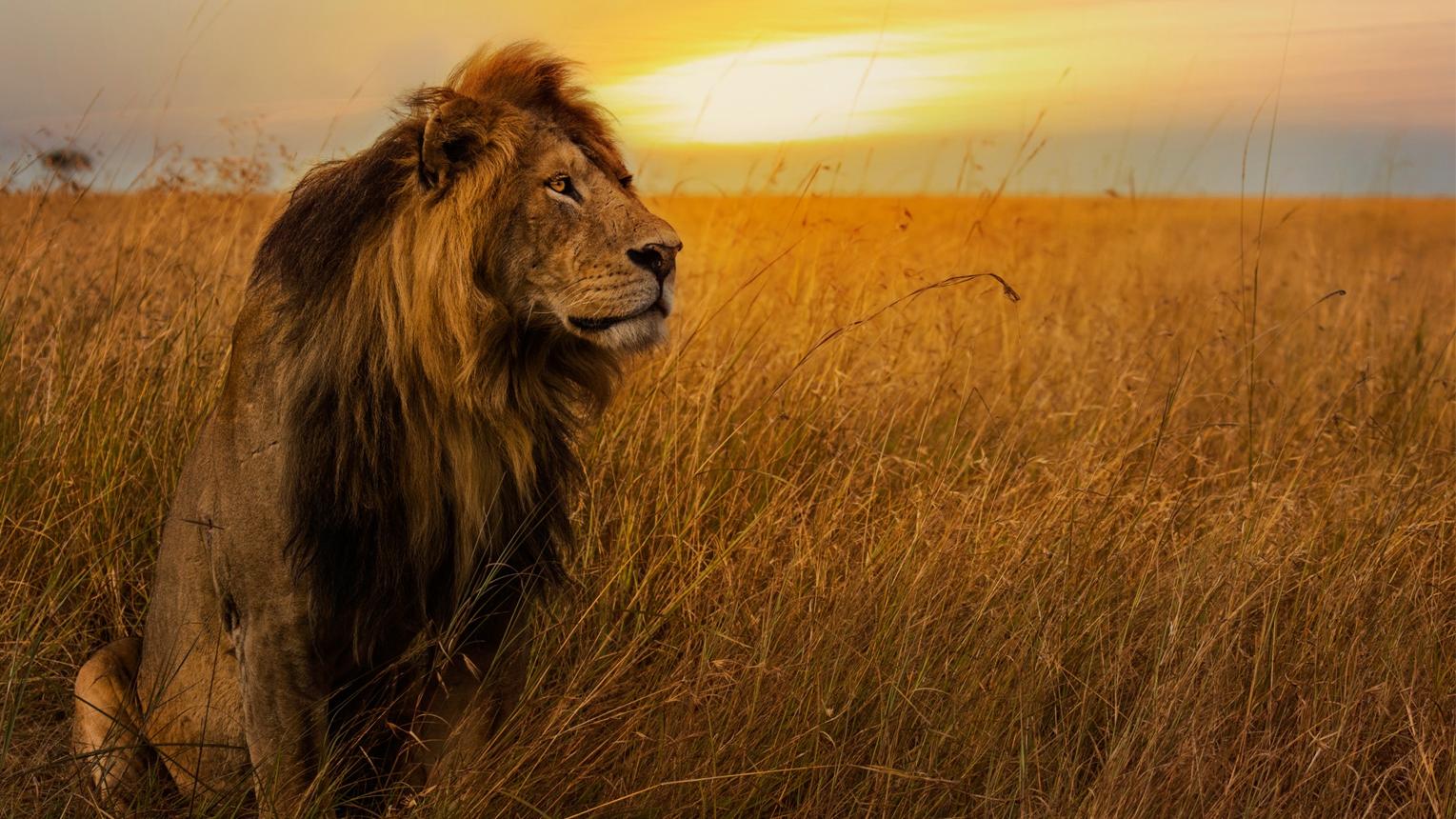
Lions were reintroduced to Akagera in 2015 after disappearing from Rwanda. Their return restored an important predator to the ecosystem and helped re-establish the park as a Big Five destination.
Lions are often found in the more open northern areas, although they can move across large territories. Early mornings and late afternoons generally provide the best chance of finding them because they are more active when temperatures are cooler.
During the hottest part of the day, lions may rest in shade or disappear into tall grass. Their tawny coats blend remarkably well with the landscape, so even a large male can be difficult to see.
Guides look for tracks, vultures, animal alarm calls and the behavior of prey species. They also exchange authorized sighting information while avoiding conduct that could disturb the animals.
Leopards in Akagera
Leopards live in Akagera but are considerably more elusive than lions. They are solitary, secretive and well camouflaged.
A leopard may appear briefly beside the road early in the morning or disappear into woodland before a vehicle approaches. Night drives can create additional opportunities, although a sighting is never assured.
Even without seeing a leopard, a nighttime safari reveals another side of Akagera. Spotlights may uncover genets, bush babies, mongooses, owls, nightjars and other nocturnal animals.
Elephants
Elephants are among Akagera’s most memorable residents. Visitors may find individuals or family groups near lakes, woodland and open areas.
Observing elephants requires patience and respect. Vehicles should maintain an appropriate distance and must never block an elephant’s path. A knowledgeable guide will read signs such as ear position, head movements and changes in behavior.
Young elephants can be entertaining, but adults may become protective when calves are nearby. Remaining quiet and allowing the herd to control the encounter usually produces the safest and most rewarding experience.
Rhinoceroses
Akagera protects both eastern black rhinoceroses and southern white rhinoceroses. The successful restoration of rhinos is one of the park’s most important conservation achievements.
Despite the substantial number of rhinos now living in the park, finding one may still require time. Akagera is a natural ecosystem rather than a small fenced zoo, and animals move through different habitats.
White rhinos usually prefer more open grassland, while black rhinos commonly browse in thicker vegetation. Security considerations may limit the publication of precise rhino locations.
Travelers should avoid sharing exact locations of sensitive species on social media. Protecting location data is a simple way visitors can support conservation and anti-poaching efforts.
African Buffaloes
Buffaloes are frequently seen in Akagera and may occur in large herds. They are often found near water or on open plains.
Although buffaloes may appear calm while grazing, they are powerful wild animals. Visitors must remain inside their vehicles unless they are in a designated safe area or accompanied during an authorized activity.
Buffalo sightings can be especially impressive when a herd moves through dust, crosses a road or gathers beside a lake.
Giraffes
Giraffes add elegance to Akagera’s open landscapes. Their height allows them to browse above many other herbivores, and they are commonly associated with acacia woodland and savannah.
The Masai giraffes in Akagera descend from animals introduced from Kenya during the 1980s. Visitors often find them in the central and northern sections of the park.
Morning and late-afternoon light can produce beautiful photographs, particularly when giraffes are silhouetted against the hills or sky.
Zebras
Plains zebras are among the most recognizable animals in Akagera. They often graze with other herbivores because different species can benefit from one another’s senses and feeding habits.
Zebras are usually easier to find in open areas. Their black-and-white patterns are attractive subjects for both wide landscape images and close-up wildlife photographs.
Hippopotamuses and Crocodiles
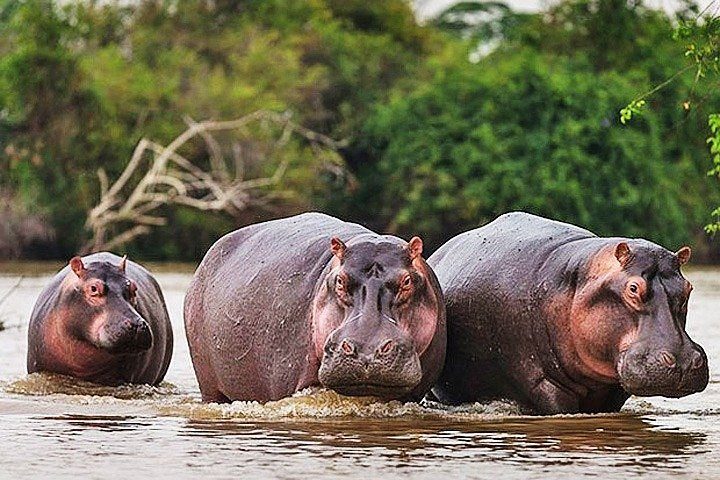
Akagera’s lakes support significant populations of hippos and Nile crocodiles. Lake Ihema is one of the best places to observe these animals.
Hippos spend much of the day in water to remain cool. They commonly emerge after dark to graze. Despite their rounded appearance, hippos are territorial and potentially dangerous. Travelers should never approach them on foot without qualified guidance.
Nile crocodiles may be seen resting along the shoreline or floating just beneath the surface. Boat safaris provide excellent viewing opportunities while maintaining a safe distance.
Antelopes and Other Mammals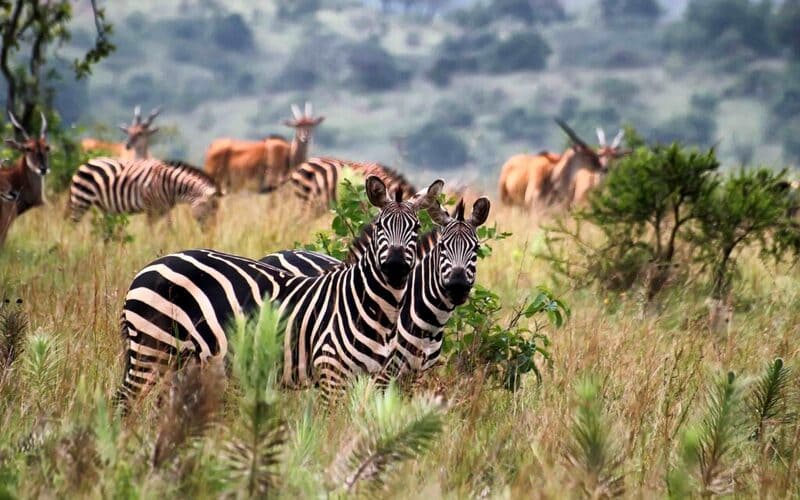
Akagera contains a rich variety of herbivores, including impalas, topis, waterbucks, bushbucks, elands, duikers, roan antelopes, oribis and klipspringers.
Topis are especially characteristic of open plains. Waterbucks are commonly associated with wet areas, while bushbucks favor thicker vegetation. Roan antelopes are less frequently encountered and are particularly rewarding sightings.
Warthogs often graze beside roads and may run away with their tails raised. Baboons and vervet monkeys are regularly observed, especially in wooded areas.
Other mammals include spotted hyenas, side-striped jackals, servals, mongooses, genets, porcupines and smaller nocturnal species. Many are difficult to see during ordinary daytime drives, which is why spending a night in or near the park can broaden the experience.
Birds of Akagera National Park
Akagera is one of Rwanda’s outstanding birdwatching destinations. Almost 500 bird species have been documented, reflecting the exceptional diversity of wetland, savannah, woodland and grassland habitats. African Parks
The park is particularly important for waterbirds. Visitors may see African fish eagles, pied kingfishers, African jacanas, cormorants, herons, egrets, open-billed storks and various ducks.
Papyrus wetlands provide specialized habitats for species that are difficult to find elsewhere. Birders may search for papyrus gonoleks, white-winged swamp warblers and other wetland-associated birds.
The shoebill is among Akagera’s most desired bird sightings. However, it is uncommon and should never be promised. Finding one requires favorable conditions, knowledgeable guidance and good fortune.
Savannah areas support lilac-breasted rollers, bee-eaters, crowned lapwings, grey-crowned cranes and several raptors. Woodland habitats add barbets, woodpeckers, hornbills, sunbirds and flycatchers.
A boat trip on Lake Ihema is highly recommended for birdwatchers. The low viewing angle allows close observation of species feeding along the shoreline, standing on floating vegetation or flying across the water.
Serious birders should allow at least two or three days. This provides time to explore different habitats slowly rather than treating birdwatching as a secondary part of a rushed game drive.
Top Things to Do in Akagera National Park
Although game drives are the main attraction, Akagera offers several complementary activities. Combining land and water experiences gives travelers a more complete understanding of the park.
Day Game Drives
A daytime game drive is the classic Akagera safari experience. Visitors travel through the park in a suitable safari vehicle, stopping to observe animals, birds and landscapes.
Morning drives are productive because temperatures are cooler and animals may be more active. Predators sometimes remain visible after nighttime hunting, while herbivores move toward grazing and water.
Afternoon drives can also be rewarding, particularly as the heat begins to decline. Light becomes warmer, animals emerge from shade and lakeshores become active.
A full-day south-to-north drive provides the broadest introduction to the park. However, it can be a long day, especially when starting in Kigali. Travelers who prefer a slower pace should stay overnight and divide the exploration across two days.
Guided Game Drives
Self-driving is allowed, but hiring a professional guide substantially improves the experience. Community guides understand the park’s road network, wildlife habitats and seasonal movements.
A guide can also interpret behavior that might otherwise be overlooked. An impala’s alarm call, circling vultures or fresh tracks can provide clues about predators nearby.
Guided drives are valuable for first-time visitors, photographers, families and anyone with limited time. They reduce the stress of navigation and allow every traveler in the vehicle to concentrate on the surroundings.
Visitors may hire an authorized park guide or book a complete privately guided safari through a Rwanda tour operator. Arrangements should be made early during popular travel periods.
Lake Ihema Boat Safari

A boat safari on Lake Ihema is one of the finest activities in Akagera. It presents the landscape from a completely different perspective and is particularly good for hippos, crocodiles and waterbirds.
Scheduled departures are generally offered at 7:30 a.m., 9:00 a.m., 3:00 p.m. and 4:30 p.m. Private excursions may be arranged outside scheduled times, subject to availability and park conditions. Visit Akagera
Morning excursions are excellent for bird activity and softer temperatures. Afternoon trips offer warm light, while the 4:30 p.m. departure is popular for sunset views.
Travelers should keep cameras protected from spray and follow all instructions from the boat crew. Standing unexpectedly or leaning beyond the vessel can be dangerous.
The boat safari works well on the arrival day of a two-night itinerary. Guests can leave Kigali after breakfast, reach Akagera around midday and enjoy an afternoon or sunset cruise before beginning a full game drive the following morning.
Night Game Drives
Night drives are available to overnight visitors and normally operate with an authorized vehicle and guide. They generally begin around sunset and continue into the early evening.
A spotlight is used to search for nocturnal wildlife. Possible sightings include leopards, hyenas, bush babies, genets, mongooses, porcupines and night-active birds.
Night drives are not simply daytime safaris conducted in darkness. Sounds become more prominent, familiar landscapes feel entirely different and smaller animals receive greater attention.
Guests should bring a warm layer because temperatures can become cooler after sunset. Flash photography may be restricted or discouraged around sensitive wildlife, so instructions from the guide must be respected.
Behind-the-Scenes Conservation Experience
Travelers interested in conservation may arrange a behind-the-scenes visit at park headquarters. This experience explains how Akagera is managed, how wildlife is monitored and how rangers protect the ecosystem.
The activity is particularly valuable for students, conservation groups and visitors who want to understand the work supporting successful tourism.
A normal game drive reveals the results of conservation. A behind-the-scenes experience introduces some of the people, systems and long-term planning responsible for those results.
The activity is subject to scheduling and may require minimum participation. It should therefore be requested in advance.
Community Cultural Experiences
Akagera’s surrounding communities are an important part of the destination. Community-guided experiences may introduce travelers to traditional cattle culture, milk practices, honey production or banana-beer making.
These activities create opportunities for respectful interaction while directing income toward local participants.
A community visit should not be treated as a staged performance or an opportunity to photograph people without permission. The best experiences are conversational and allow visitors to learn about livelihoods, traditions and modern rural life.
Community activities can be arranged before entering the park, after leaving it or during a longer stay in the area.
Walk the Line
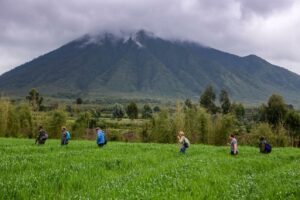
Walk the Line is a guided activity following part of the park’s boundary fence. Participants accompany or learn from members of the team responsible for inspecting and maintaining the boundary.
The walk covers approximately seven kilometers and takes around two hours. It offers views across the surrounding hills while explaining how the fence reduces conflict between wildlife and neighboring communities.
Because the activity takes place in a controlled setting outside the main wildlife-viewing routes, it provides a different physical and educational experience from a game drive.
Fishing at Lake Shakani
Fishing may be arranged at Lake Shakani under park rules. Tilapia and catfish are among the species associated with the lake.
Visitors must obtain the appropriate permission and bring or arrange suitable equipment. Fishing conditions, access and charges should be confirmed during booking.
The activity is especially appealing to campers and travelers who want a quiet break between game drives.
Hot-Air Balloon Safari
Akagera now offers a hot-air balloon experience for travelers seeking an aerial view of the park. Flights provide broad perspectives over lakes, hills, plains and wildlife habitats.
Ballooning depends heavily on weather conditions and must be booked in advance. Departures are generally scheduled early because morning conditions tend to be more suitable.
The experience is more expensive than a standard game drive but can be a memorable addition to a honeymoon, anniversary or luxury Rwanda safari.
Akagera National Park Travel Guide to the Best Time to Visit
Akagera is open throughout the year, and there is no single season that suits every traveler. The best time depends on whether your priorities are wildlife visibility, green scenery, birdwatching, photography or fewer visitors.
June to September: Long Dry Season
June through September is generally considered the main dry season. Vegetation becomes shorter, roads are easier to navigate and animals increasingly gather around permanent water.
These conditions can make wildlife easier to locate. Clear mornings and golden landscapes also create the classic appearance many travelers associate with an African safari.
July and August are popular travel months, so accommodation and activities should be reserved early. Dust can increase on heavily used roads, and afternoons may feel warm.
December to February: Shorter Dry Period
The period from approximately mid-December through February often brings relatively dry conditions. It can be an excellent time for game drives and combined Rwanda itineraries.
The landscape may retain more green color than during the long dry season. However, seasonal patterns are not completely predictable, and occasional rain is possible.
Christmas, New Year and other popular travel dates can become busy. Advance planning is important, especially for travelers combining Akagera with limited gorilla permit availability.
March to May: Long Rains
The longer rainy period usually occurs from March through May. Rain can make some tracks muddy and wildlife may disperse because water becomes widely available.
Nevertheless, the wet season has important advantages. The park becomes beautifully green, skies can be dramatic and there are often fewer visitors.
Birdlife is excellent, and the softer landscape colors work well for photography. Rain frequently comes in showers rather than continuing uninterrupted for the entire day.
A capable four-wheel-drive vehicle becomes especially important during this period.
October to November: Short Rains
The shorter rains generally arrive during October and November. Temperatures remain pleasant, vegetation begins to recover and bird activity can be excellent.
Travelers should prepare for changing conditions. A morning may begin bright and end with a heavy shower, or rain may fall overnight without disrupting the day’s safari.
This season can provide a rewarding compromise for visitors who value green scenery and lower visitor numbers.
What Is the Best Month for Akagera?
There is no universal best month. June through September usually offers straightforward road conditions and strong general game viewing. December through February can also be excellent.
Birdwatchers may prefer the wetter months, while photographers often appreciate green landscapes and dramatic skies. Travelers seeking fewer vehicles may choose shoulder periods.
The official visitor website notes that Akagera has pleasant conditions throughout the year and identifies November through April as an especially favorable period. This demonstrates why travelers should evaluate their interests rather than relying on a single simplified seasonal rule. Visit Akagera
How Many Days Do You Need in Akagera?
A one-day safari is possible, but two or three days create a more complete experience.
One-Day Akagera Safari from Kigali
A one-day itinerary normally starts before sunrise. Travelers drive from Kigali to the southern gate, register and begin a game drive.
Depending on the route and road conditions, the drive may continue toward the northern plains before exiting through the appropriate gate and returning to Kigali.
A boat excursion can sometimes be included, but combining a long game drive, boat safari and two road transfers creates a demanding schedule.
A one-day trip is best for visitors with limited time, business travelers or people adding wildlife to a short Rwanda stay. It provides a valuable introduction but does not allow much flexibility.
Two-Day Akagera Safari
Two days are ideal for many travelers. On the first day, guests can travel from Kigali and enjoy an afternoon activity such as a boat safari, short game drive or community experience.
The second day begins early with a longer game drive. Depending on the itinerary, visitors may explore from south to north and then return to Kigali.
Staying overnight also creates the possibility of a night drive. The schedule feels calmer, and the safari includes more productive early-morning hours.
Three-Day Akagera Safari
Three days are recommended for dedicated wildlife enthusiasts, photographers and families who dislike rushed itineraries.
The additional time allows visitors to explore different sectors, repeat promising areas, take both morning and afternoon drives and enjoy a boat excursion.
A three-day visit can include a full-day game drive, a night drive and time for conservation or community activities. It also provides flexibility if weather temporarily affects plans.
Sample Two-Day Akagera National Park Itinerary
On the first morning, your guide collects you from a Kigali hotel after breakfast. The drive toward Akagera passes through towns and agricultural landscapes in the Eastern Province.
After arrival, registration and lunch, you begin an afternoon game drive or transfer toward Lake Ihema. A scheduled sunset boat safari offers opportunities to observe hippos, crocodiles, fish eagles and other waterbirds.
After the cruise, you return to your lodge for dinner. Travelers who have reserved a night drive can then search for nocturnal species before retiring.
The second day begins early. After breakfast, you enter the park for a full game drive through woodland, valleys, lakeside habitats and northern plains.
Your guide searches for lions, elephants, rhinos, buffaloes, giraffes, zebras and antelopes while explaining animal behavior and Akagera’s conservation story.
Lunch may be packed and enjoyed in an authorized picnic area. After completing the game drive and leaving the park, you return to Kigali in the evening.
Exact routing depends on weather, gate conditions, animal movements and the location of your accommodation.
Sample Three-Day Akagera Safari Itinerary
On day one, leave Kigali at a comfortable time and travel to Akagera. After lunch, take a boat excursion on Lake Ihema. Continue with a short sunset drive before dinner.
On day two, depart early for a full-day wildlife drive. Explore central areas and the northern plains, stopping at designated points for refreshments and lunch. Return to the lodge in the late afternoon and join a night drive after sunset.
On day three, take a shorter morning drive, a community activity or a behind-the-scenes conservation visit. After lunch, leave Akagera and return to Kigali.
This itinerary can be adapted for different accommodation styles, family needs and travel interests.
Akagera National Park Entrance Fees and Safari Costs
The total cost of visiting Akagera depends on nationality or residency, number of days, vehicle arrangements, guide services, accommodation and optional activities.
Park fees and activity rates can change. Travelers should therefore avoid relying on old blog articles or social-media posts when preparing a budget. The park publishes updated official pricing, including separate categories for international visitors, East African residents and Rwandan nationals.
Entrance charges usually increase according to the number of days spent in the park. Vehicle fees, guides, game-drive vehicles, boat trips, night drives, fishing and other activities may be charged separately.
A self-drive journey may initially appear less expensive than a privately guided tour. However, the traveler must still account for vehicle rental, fuel, insurance, park fees, navigation, accommodation and activity reservations.
A professionally organized package may include Kigali transfers, a private four-wheel-drive safari vehicle, an English-speaking driver-guide, park entrance, accommodation, meals, drinking water and pre-booked activities.
Travelers should request a clear list of inclusions and exclusions. An attractive headline price may omit park entrance, boat excursions, vehicle fees or meals.
Foreign residents should carry valid residency documents if requesting a resident rate. Children may qualify for reduced charges, depending on age and visitor category.
Always confirm the current official tariff when booking. The park’s published pricing document remains the appropriate source for up-to-date entry and activity charges. Official Akagera pricing
Where to Stay in Akagera National Park
Accommodation ranges from campsites to luxury lodges. The right choice depends on budget, preferred comfort, location and the type of safari experience you want.
Ruzizi Tented Lodge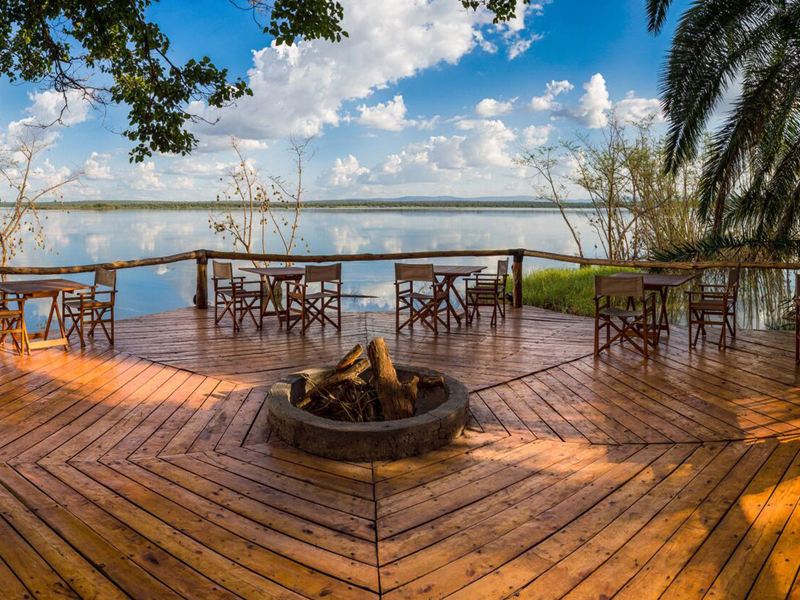
Ruzizi Tented Lodge is an eco-conscious tented property overlooking Lake Ihema in the southern sector of Akagera.
Its location is convenient for boat safaris, night drives and southern game-viewing routes. The setting creates a strong sense of connection with the surrounding wetland and woodland.
Ruzizi suits travelers looking for comfort, atmosphere and convenient access to park activities without choosing the highest luxury category.
Because the lodge has limited capacity, early booking is advisable during peak periods.
Karenge Bush Camp
Karenge Bush Camp offers an intimate wilderness experience in the northern region. The camp has seven canvas tents and accommodates a maximum of 16 guests.
Its location near the northern plains is excellent for early-morning wildlife viewing. Guests can begin exploring productive areas without first completing the long drive from the south.
Karenge is especially suitable for travelers who value seclusion and a classic bush-camp atmosphere. It can also be combined with Ruzizi Tented Lodge, allowing visitors to experience two contrasting sectors of the park. Karenge Bush Camp
Magashi Camp
Magashi Camp provides a high-end safari experience in a private-use area of northern Akagera.
The property is designed for travelers seeking luxury accommodation, personalized guiding and an exclusive atmosphere. Its setting provides access to excellent wildlife habitat and attractive wetland scenery.
Magashi works particularly well for honeymooners, luxury travelers and guests combining Akagera with premium accommodation near Volcanoes National Park.
Akagera Game Lodge
Akagera Game Lodge offers conventional hotel-style accommodation close to the southern part of the park.
The property is suitable for families, groups, conferences and travelers who prefer established hotel facilities. Its position provides convenient access to the main entrance and Lake Ihema activities.
Room categories and meal arrangements should be confirmed when booking.
Akagera Rhino Lodge
Akagera Rhino Lodge is another option near the park. It can appeal to travelers seeking a comfortable base at a different price point from the premium tented camps.
When comparing lodges outside or near the boundary, ask how long it takes to reach the entrance. A property advertised as being near Akagera may still require a significant morning transfer.
Camping in Akagera
Akagera contains designated campsites for adventurous travelers. Camping can provide a memorable wilderness experience, particularly when the evening becomes quiet and animal sounds carry through the darkness.
Campers need suitable equipment, food, water and a reliable vehicle. Wildlife rules must be followed at all times. Food should be stored securely, and visitors must never walk away from designated areas.
Some camping arrangements may include basic facilities, but expectations should be clarified in advance. Night drives and other activities can be booked by overnight guests, subject to availability. Akagera camping information
Staying Inside or Outside the Park
Staying inside Akagera reduces morning travel time and allows guests to experience the park after daytime visitors have departed. It is especially beneficial for night drives and early starts.
Accommodation outside the park may be more affordable and can work well for a one-night trip. However, travelers must account for the time required to reach the gate, complete formalities and begin the drive.
For a short safari, location can be more important than luxury. Saving money on a distant lodge may reduce the number of productive wildlife-viewing hours.
Travelers should compare the complete experience rather than the room rate alone.
Getting to Akagera from Kigali
Road transportation is the standard option. A private four-wheel-drive vehicle with a professional driver-guide offers the greatest convenience.
The journey usually takes around two and a half hours, although departure time and Kigali traffic can affect the schedule. Leaving early is essential for a one-day safari.
Self-driving is possible for experienced travelers. However, drivers should be comfortable with rural navigation, changing road surfaces and wildlife-viewing etiquette.
A four-wheel-drive vehicle is strongly recommended during wet conditions. Even during the dry season, a vehicle with good clearance provides greater comfort on rougher internal tracks.
Helicopter transfers may be arranged for luxury travelers, subject to availability and operating conditions. They reduce travel time and provide aerial views but are significantly more expensive than road transportation.
Public transportation does not provide a practical way to conduct a safari inside the park. Even if a traveler reaches a nearby town, a suitable vehicle and park arrangements are still required.
Is a One-Day Safari from Kigali Worth It?
Yes, provided expectations are realistic.
A one-day safari allows visitors to experience Rwanda’s savannah, observe several large-mammal species and enjoy the scenery without changing hotels. It is a strong option for conference delegates or travelers with a short stopover.
However, the day is long. An early departure is necessary, and the return to Kigali may occur in the evening.
There is also less flexibility. If wildlife is quiet in the morning or rain slows progress, a day visitor cannot simply try again the next day.
For better chances of seeing predators and enjoying both land and water activities, a one- or two-night stay is preferable.
Akagera National Park Travel Guide for Families
Akagera is a rewarding family safari destination. Game drives do not require the physical effort associated with gorilla or chimpanzee trekking, and children often enjoy identifying animals from the vehicle.
Parents should consider drive duration carefully. A full south-to-north journey can feel very long for younger children. Shorter drives with planned breaks may produce a better experience.
Families should carry snacks, drinking water, sun protection and simple wildlife-identification materials. Binoculars sized for children can keep them engaged.
Children must remain supervised, especially at unfenced camps and lodges. They should never leave a vehicle outside designated areas.
Age restrictions may apply to night drives, walking experiences, particular lodges or boat trips. Families should confirm all policies before paying deposits.
A private vehicle is ideal because it allows the guide to adjust the pace, stop for breaks and focus on the family’s interests.
Visiting Akagera for Photography
Akagera’s varied habitats make it an excellent photography destination. The hills provide elevated perspectives, while open plains create clean backgrounds for large mammals.
A zoom lens in the range of approximately 100–400mm is useful for most wildlife situations. A wider lens helps capture landscapes, large herds and environmental portraits.
Photographers should bring extra batteries and memory cards. Charging opportunities may be limited at camps, and long drives can produce more images than expected.
A beanbag can stabilize a camera on the vehicle window or roof opening. Tripods are usually less practical inside a safari vehicle.
Morning and late-afternoon light are generally the most attractive. Midday light can be harsh, but it may still work for documentary images, birds in flight and animals near water.
A private vehicle gives photographers greater control over positioning and time at sightings. Nevertheless, no vehicle should leave authorized tracks or pressure wildlife for an image.
Avoid shouting, clapping or asking a guide to disturb an animal so that it looks toward the camera. Ethical photography protects wildlife and usually produces more natural behavior.
Drone use is restricted and should never be assumed to be permitted. Travelers must obtain any required authorization before bringing or operating a drone.
What to Pack for Akagera National Park
Pack lightweight, breathable clothing in neutral colors such as beige, olive, brown and grey. Bright clothing is not always prohibited, but subdued colors are less distracting and practical for dusty conditions.
A light jacket is useful for early morning and evening drives. During the rainy season, include a waterproof layer.
Closed shoes are suitable for camps, picnic areas and community activities. Heavy hiking boots are unnecessary for ordinary vehicle-based safaris unless the itinerary includes a walking experience.
Bring a hat, sunglasses, sunscreen and insect repellent. A reusable water bottle is helpful, although your tour operator may provide drinking water.
Binoculars significantly improve both bird and wildlife viewing. Sharing one pair among a full vehicle can be frustrating, so bring more than one when possible.
Camera equipment should be protected from dust and sudden rain. A simple cloth or brush helps clean lenses after a long drive.
Personal medication, travel documents, insurance details and a small first-aid supply should remain accessible.
Do not pack camouflage-pattern clothing if your wider itinerary includes countries where civilian use is restricted. Neutral safari colors provide the same practical benefits without potential complications.
Health and Safety
Consult an appropriate travel-health professional before visiting Rwanda, particularly regarding vaccinations and malaria prevention. Individual recommendations depend on medical history, itinerary and country of origin.
Use insect repellent, consider wearing long trousers in the evening and sleep beneath mosquito protection where provided.
The sun can be strong even when temperatures feel comfortable. Apply sunscreen regularly and drink enough water.
Akagera contains wild animals. Never leave the vehicle except in an authorized area or when instructed by a qualified guide.
Do not feed animals. Feeding changes natural behavior, creates dependency and may cause animals to approach vehicles or people dangerously.
At camps and lodges, follow instructions about moving after dark. Some properties may require guests to be escorted between tents and common areas.
Keep hands and equipment inside the boat during Lake Ihema excursions. Hippos and crocodiles require space, and the boat operator’s instructions are mandatory.
Rwanda is widely regarded as an orderly destination, but normal travel precautions still apply. Keep valuables secure, use reputable transportation and maintain suitable travel insurance.
Safari Rules and Responsible Behavior
Wildlife always has priority. Vehicles should stop at a respectful distance and avoid surrounding animals.
Remain quiet at sensitive sightings. A calm environment often encourages animals to continue their natural behavior.
Do not litter. Carry reusable items where practical and take all waste to an appropriate disposal point.
Never collect plants, feathers, bones, stones or other natural objects from the park.
Driving off authorized routes damages vegetation and can disturb nesting sites or hidden animals. It is prohibited unless specifically authorized for park operations.
Avoid publishing live locations of rhinos or other sensitive wildlife. Delaying social-media posts and removing precise location data can support security.
Respect other visitors. Do not block the road or remain at a sighting so long that nobody else can obtain a reasonable view.
Choose accommodation and operators that comply with park requirements, employ trained guides and contribute responsibly to the local economy.
Combining Akagera with Gorilla Trekking
An Akagera and gorilla trekking safari is one of the best ways to experience Rwanda’s diversity.
Akagera provides open landscapes, large mammals and traditional game drives. Volcanoes National Park offers a close encounter with mountain gorillas in a cool, forested environment.
A practical itinerary normally places Kigali between the two destinations or includes a direct transfer with appropriate timing.
Travelers might spend two nights in Akagera, return through Kigali and continue to the Volcanoes region for two or three nights. This allows time for gorilla trekking, golden monkey trekking and cultural or conservation activities.
The Rwanda gorilla permit currently costs USD 1,500 per person per trek. Permits are limited and should be secured before non-refundable travel arrangements are completed.
Gorilla trekking requires participants to be at least 15 years old. Families with younger children can enjoy Akagera together while adults organize separate gorilla-trekking arrangements.
Visitors interested in a second primate experience can add golden monkey trekking in Volcanoes National Park or chimpanzee trekking in Nyungwe National Park.
Combining Akagera with Nyungwe National Park
Akagera and Nyungwe represent two ecological extremes. Akagera protects savannah and wetlands, while Nyungwe contains ancient montane rainforest.
Nyungwe offers chimpanzee trekking, canopy walks, forest hiking and specialized birdwatching. Combining the parks creates a journey from eastern savannah to southwestern rainforest.
The road distance is substantial, so most itineraries include Kigali, Huye or another stop between them.
A comfortable combined journey usually requires at least seven or eight days, especially if Volcanoes National Park or Lake Kivu is also included.
Travelers should avoid designing an itinerary based only on distances shown on a map. Rwanda is compact, but winding roads, activity schedules and early park reporting times affect realistic travel plans.
Combining Akagera with Lake Kivu
Lake Kivu provides a relaxed contrast after several early safari mornings. Visitors can enjoy boat trips, lakeside accommodation, coffee experiences and views across the water.
Popular bases include Rubavu, Karongi and Rusizi. The most suitable destination depends on whether Lake Kivu is being combined with Volcanoes or Nyungwe National Park.
Akagera lies in eastern Rwanda while Lake Kivu lies along the western border. Therefore, the combination requires a cross-country transfer.
A carefully planned itinerary can break the journey in Kigali or connect several destinations progressively.
Akagera for Honeymooners and Couples
Akagera offers excellent opportunities for romantic travel. A private boat trip at sunset, an intimate tented camp and a quiet morning drive can create a memorable honeymoon experience.
Couples should consider staying two nights rather than rushing through the park in one day. This allows time to relax between activities.
A private vehicle provides flexibility and privacy. Luxury camps may also arrange special meals, celebrations or personalized experiences when notified in advance.
Akagera combines particularly well with a luxury gorilla safari near Volcanoes National Park and a relaxing Lake Kivu stay.
Akagera for Solo Travelers
Solo travelers can visit Akagera safely with a reputable guide or organized tour.
The principal challenge is cost because transportation and private guiding are not divided among several participants. Joining a scheduled departure may reduce expenses when compatible travelers are available.
A private safari remains attractive for photographers and travelers who want complete control over the pace.
Solo women should use the same sensible precautions applicable to independent travel elsewhere: book verified transportation, share the itinerary with a trusted contact and confirm accommodation arrangements before arrival.
Akagera for Senior Travelers
Akagera is accessible to many senior travelers because most activities take place from a vehicle or boat.
The main consideration is the amount of time spent on uneven roads. Travelers with back, neck or mobility concerns should discuss suitable vehicles and shorter drive options.
A comfortable four-wheel-drive vehicle, regular breaks and conveniently located accommodation can make a major difference.
Guests who require assistance should communicate their needs before booking. Guides can then plan boarding support, accessible rooms and an appropriate pace.
Food and Meals During an Akagera Safari
Lodges generally provide meals according to the booked accommodation plan. Full-board arrangements are convenient because alternative restaurants inside the park are limited.
For a full-day game drive, the lodge or tour operator may prepare a packed lunch. Meals should only be eaten in designated safe areas.
Travelers with allergies, vegetarian diets, vegan preferences or religious requirements should provide details in advance.
Carry sufficient drinking water, particularly during warm months. Alcohol should be consumed responsibly, and it is inappropriate during activities that require attention to safety instructions.
Connectivity, Electricity and Payments
Mobile coverage varies across Akagera. A signal may be available in certain elevated areas but weak or absent elsewhere.
Travelers should not depend on continuous internet access. Download documents, maps and confirmation details before entering.
Electricity arrangements differ among lodges and camps. Some rely on solar power and may restrict the use of high-consumption appliances.
Bring a power bank and the appropriate charging adapters. Rwanda commonly uses European-style two-round-pin sockets, although properties may provide additional options.
Card payments are becoming more common, but technical or connectivity problems can occur. Carry a reasonable amount of cash for tips or incidental expenses without traveling with unnecessarily large sums.
The Rwandan franc is the local currency. US dollars may be accepted for some tourism services, but older or damaged notes may be refused.
Tipping on an Akagera Safari
Tipping is discretionary but appreciated when service has been good. Guides, lodge teams and activity staff may all contribute to the experience.
There is no single compulsory amount. The appropriate tip depends on service quality, group size, trip duration and the traveler’s budget.
Some lodges provide a communal staff-tip box, while guides may be tipped separately.
Ask your tour operator for current guidance before traveling, then treat it as a recommendation rather than an obligation.
Common Akagera Safari Planning Mistakes
One frequent mistake is trying to include too much in one day. Driving from Kigali, crossing the park, taking a boat trip and returning to Kigali may look efficient, but delays can make the schedule exhausting.
Another mistake is selecting accommodation based only on price. A distant lodge can result in lost wildlife-viewing time and additional transportation costs.
Some visitors underestimate the importance of a guide. Self-driving can be enjoyable, but knowing where to look and how to interpret wildlife behavior substantially changes the experience.
Travelers may also assume that the Big Five will all appear during a single drive. Akagera supports all five, but it remains a natural environment. Patience and adequate time are essential.
Using outdated prices is another common problem. Park fees and activity schedules change, so every quotation should be checked against current information.
Finally, visitors sometimes leave boat trips, night drives and accommodation until the last minute. Capacity is limited, particularly during popular months.
How to Choose an Akagera Safari Tour Operator
Choose a company that communicates clearly, provides transparent pricing and understands current park procedures.
A complete quotation should explain transportation, accommodation, meals, park entrance, vehicle fees, guide services, drinking water and activities.
Ask what type of vehicle will be used. A safari-adapted four-wheel-drive vehicle generally provides better visibility and comfort than a standard saloon car.
Confirm whether the guide is an experienced wildlife guide rather than only a driver. Local knowledge can be decisive when searching for animals.
Check whether the itinerary allows realistic travel time. A trustworthy operator will explain what can reasonably be achieved instead of promising every activity within an impractical schedule.
Read recent reviews, verify the company’s contact information and confirm payment terms before transferring funds.
The operator should also explain cancellation conditions because park activities and accommodation may have separate policies.
Is Akagera Better Than Other East African Parks?
Akagera should not be judged solely by comparing animal density with the Serengeti, Masai Mara or larger Ugandan and Tanzanian parks.
Its strengths are different. Akagera is compact, scenic, relatively uncrowded and easy to combine with Rwanda’s primate destinations. It offers the Big Five within a few hours of Kigali.
Travelers seeking enormous migrations may prefer Tanzania or Kenya. Those wanting a convenient wildlife experience within a complete Rwanda itinerary may find Akagera exceptionally rewarding.
The park’s hills, lakes and wetlands also create a visual character unlike many open-plains reserves.
Akagera is particularly compelling for visitors who value conservation stories. Its restored wildlife populations demonstrate what sustained protection and community collaboration can achieve.
Frequently Asked Questions About Akagera National Park
Is Akagera National Park worth visiting?
Yes. Akagera is Rwanda’s only Big Five park and contains diverse savannah, woodland and wetland habitats. It is particularly valuable when combined with gorilla or chimpanzee trekking.
Can you see the Big Five in Akagera?
Akagera supports lions, leopards, elephants, rhinoceroses and buffaloes. However, seeing all five during one visit is never guaranteed. Leopards and rhinos can be especially difficult to locate.
How far is Akagera from Kigali?
The park is approximately 110 kilometers from Kigali. The road journey normally takes around two and a half hours, depending on traffic and conditions.
Can Akagera be visited in one day?
Yes. A one-day safari from Kigali is possible with an early departure. Staying overnight is better for travelers who want a boat trip, night drive or more wildlife-viewing time.
Do I need a four-wheel-drive vehicle?
A four-wheel-drive vehicle is recommended, particularly during the rainy season. Good ground clearance also improves comfort on uneven tracks.
Is self-driving allowed?
Yes, Akagera welcomes self-drivers. Visitors must follow park routes, speed restrictions, gate times and wildlife regulations.
Should I hire a guide?
Hiring a guide is strongly recommended for first-time visitors. A guide helps with navigation, species identification and understanding animal behavior.
Are there lions in Akagera?
Yes. Lions were reintroduced in 2015 and have established a growing population.
Are there rhinos in Akagera?
Yes. The park contains eastern black and southern white rhinos. Reintroductions began in 2017, with major additional white-rhino translocations in 2021 and 2025.
Are leopards easy to see?
No. Leopards occur in Akagera but are naturally elusive. Early drives and authorized night drives may improve the chances.
What is the best time for a game drive?
Early morning and late afternoon are generally best because temperatures are cooler and many animals are more active.
Can children visit Akagera?
Yes. Akagera is suitable for families, although individual activities and lodges may have age restrictions.
Is there malaria in Akagera?
Akagera lies in a malaria-risk region. Travelers should obtain personalized medical advice before departure and use appropriate bite-prevention measures.
What should I wear?
Wear comfortable, lightweight clothing in neutral colors. Bring a hat, sunscreen, closed shoes, insect repellent, rain protection and a light jacket.
Can I take a boat safari?
Yes. Scheduled and private boat excursions operate on Lake Ihema, subject to availability and conditions.
Can I do a night drive?
Yes, authorized night drives are available to overnight guests. They must be arranged through the park, lodge or tour operator.
Can I camp inside Akagera?
Yes. The park has designated campsites. Advance booking and proper preparation are necessary.
How early should I book?
Book accommodation and special activities several months ahead for peak periods. Short-notice visits may still be possible, but choices can be limited.
Is Akagera suitable for birdwatching?
Yes. Almost 500 species have been recorded, including savannah, woodland and wetland birds.
Is the shoebill guaranteed?
No. Shoebills occur in the wider wetland ecosystem but are uncommon and cannot be guaranteed.
Where is the best wildlife viewing?
The open northern plains are often highly productive, while the southern lakes are excellent for hippos, crocodiles and waterbirds. Conditions change, so local guiding remains important.
Final Travel Advice
Akagera rewards travelers who allow enough time, begin early and approach wildlife viewing with patience. The park is not a checklist in which every famous animal appears on demand. Its appeal lies in exploration: following a quiet road, scanning a distant plain and noticing the landscape change around every bend.
For the strongest general itinerary, stay two nights. Include a Lake Ihema boat safari on the arrival afternoon, a full-day game drive, and an authorized night drive if available. A third day is worthwhile for photographers, birdwatchers and travelers interested in community or conservation activities.
Book accommodation and limited-capacity activities early. Use a suitable four-wheel-drive vehicle and consider hiring a professional guide, especially on a first visit.
Most importantly, treat the park as a living ecosystem. Maintain a respectful distance, avoid pressuring animals and follow every instruction from guides and rangers.
Plan Your Safari with This Akagera National Park Travel Guide
Akagera National Park completes the Rwanda travel experience. Its lakes, savannah plains, hills and wetlands show a side of the country that many first-time visitors do not expect.
Travelers can watch elephants at the water’s edge, search for lions on northern plains, cruise past hippos on Lake Ihema and listen for nocturnal animals after sunset. They can also learn how determined conservation work brought important species back to Rwanda.
Whether you are planning a one-day wildlife safari from Kigali or a longer journey combining Akagera, Volcanoes National Park, Nyungwe Forest and Lake Kivu, careful planning will make the experience more enjoyable.
Universal Ventures Rwanda organizes private Akagera safaris for solo travelers, couples, families and groups. Services can include airport pickup, private four-wheel-drive transportation, professional driver-guides, park reservations, accommodation, meals, Lake Ihema boat safaris, night drives and customized Rwanda itineraries.
Contact Universal Ventures Rwanda to personalize your Akagera National Park safari according to your dates, budget, accommodation preference and wider travel plans.
Universal Ventures Rwanda
Address: KN 15 Road, opposite IPRC Entrance, 1st Floor, SANGWA Plaza, Kigali, Rwanda
Telephone and WhatsApp: +250 781 441 853
Email: info@universalventuresrwanda.com
Website: www.universalventuresrwanda.com