Gorilla trekking is one of Africa’s most unforgettable wildlife experiences. Every year, thousands of travelers visit Rwanda and Uganda to see endangered mountain gorillas in their natural habitat. However, before joining a trek, it is important to understand the gorilla trekking health requirements. These rules protect both visitors and the gorillas. They also help ensure everyone enjoys a safe and rewarding adventure. This guide explains everything you need to know before your gorilla trekking safari.
Why Gorilla Trekking Health Requirements Matter
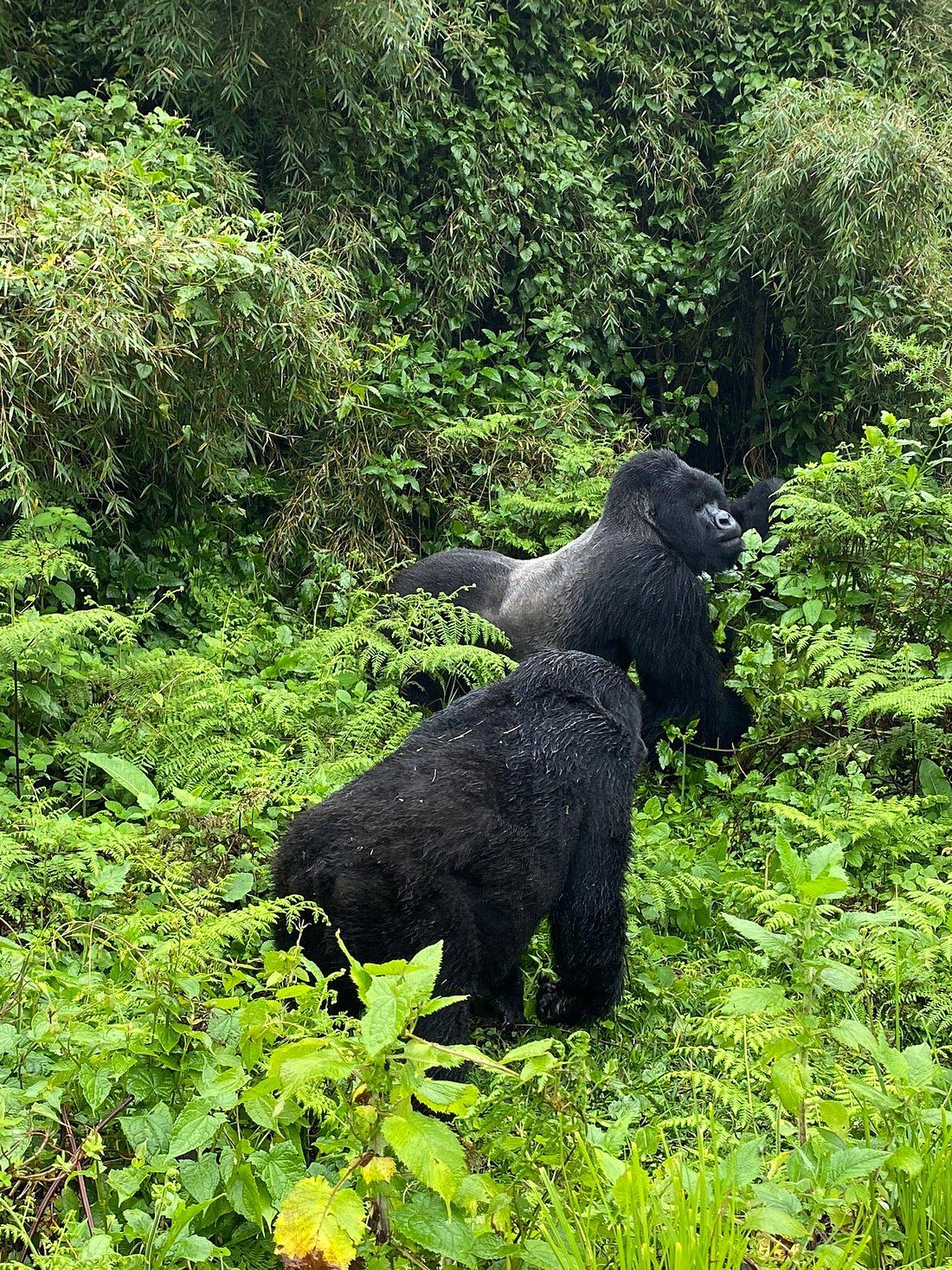
Mountain gorillas share more than 98% of their DNA with humans. Therefore, they can easily catch many human diseases, including the common cold, influenza, COVID-19, pneumonia, and other respiratory infections. Since there are only a limited number of mountain gorillas left in the wild, every visitor plays an important role in protecting them. For this reason, the Rwanda Development Board and the Uganda Wildlife Authority have introduced strict health guidelines. Following these rules protects wildlife while giving visitors a safe experience.
Gorilla Trekking Health Requirements Explained Before Travel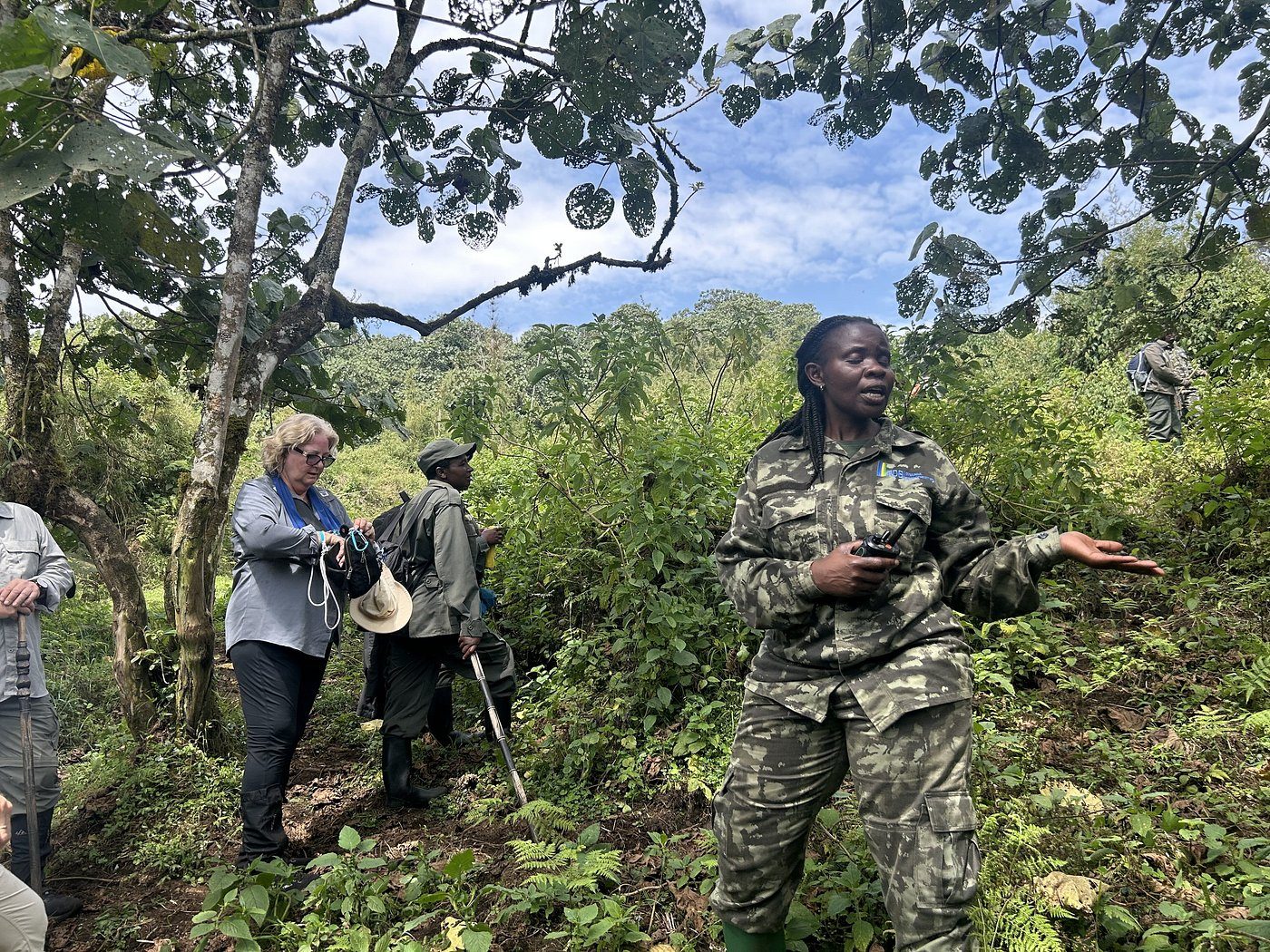
Before traveling, make sure you are in good general health. If you have flu symptoms, a fever, sore throat, cough, or any contagious illness, you should postpone your trek. Park authorities may refuse entry to protect the gorillas from infection. Although this can be disappointing, conservation always comes first.
Visit your doctor several weeks before departure, especially if you have heart disease, asthma, diabetes, high blood pressure, or any chronic medical condition. Most travelers are fit enough for gorilla trekking, but medical advice provides extra confidence before the journey.
Required Vaccinations for Gorilla Trekking
There are no mandatory vaccinations specifically for gorilla trekking. However, several travel vaccines are strongly recommended. These commonly include Hepatitis A, Hepatitis B, Typhoid, Tetanus, Measles-Mumps-Rubella (MMR), Polio, Rabies for extended outdoor activities, and Yellow Fever if required by your country of departure or transit. Yellow Fever vaccination is often required when entering Rwanda or Uganda from countries where the disease exists. Always check the latest travel requirements before your trip.
In addition, many travelers discuss malaria prevention with their doctor. Although gorilla trekking takes place in cool mountain forests where mosquitoes are less common, malaria remains present in many parts of East Africa. Anti-malarial medication, insect repellent, and long-sleeved clothing offer extra protection.
COVID-19 and Respiratory Illness Guidelines
Health regulations continue to evolve. Therefore, travelers should always check the latest government and park authority guidance before departure. Even if COVID-19 testing is no longer required, visitors showing symptoms of respiratory illness may not be allowed to trek. Rangers carefully monitor guest health because gorillas are highly vulnerable to human respiratory diseases.
If you feel unwell before your trek, inform your safari company immediately. A responsible operator will advise you on the best course of action.
Physical Fitness for Gorilla Trekking
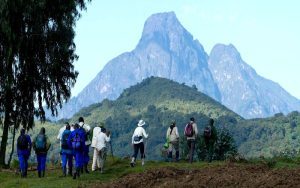
Many people wonder whether gorilla trekking requires excellent fitness. The answer depends on the gorilla family assigned and the terrain. Some gorilla groups are reached within one or two hours. Others may require six hours or more of hiking through steep forest trails.
Although you do not need to be an athlete, moderate fitness makes the experience much easier. Walking regularly, climbing stairs, hiking local trails, and performing light cardio exercises before your trip improve endurance. Even older travelers successfully complete gorilla treks every year because park rangers assign gorilla families according to fitness levels whenever possible.
Gorilla Trekking at High Altitude
Volcanoes National Park in Rwanda and Bwindi Impenetrable National Park in Uganda are located at high elevations. Some trekking routes reach more than 2,500 meters above sea level. As a result, visitors may become tired more quickly than expected.
To reduce altitude effects, drink plenty of water, avoid excessive alcohol before trekking, walk at a comfortable pace, and listen to your guide. Most visitors adapt well after spending a day in the region before their trek.
Medical Conditions and Gorilla Trekking
Having a medical condition does not automatically prevent you from trekking. Many visitors with controlled asthma, diabetes, or high blood pressure complete gorilla trekking successfully. However, it is important to discuss your condition with your doctor before traveling.
Carry all prescription medicines in your hand luggage. Bring enough medication for your entire trip, plus a few extra days in case of travel delays. If you require regular medication during the trek, inform your guide before entering the forest.
Hygiene Rules During Gorilla Trekking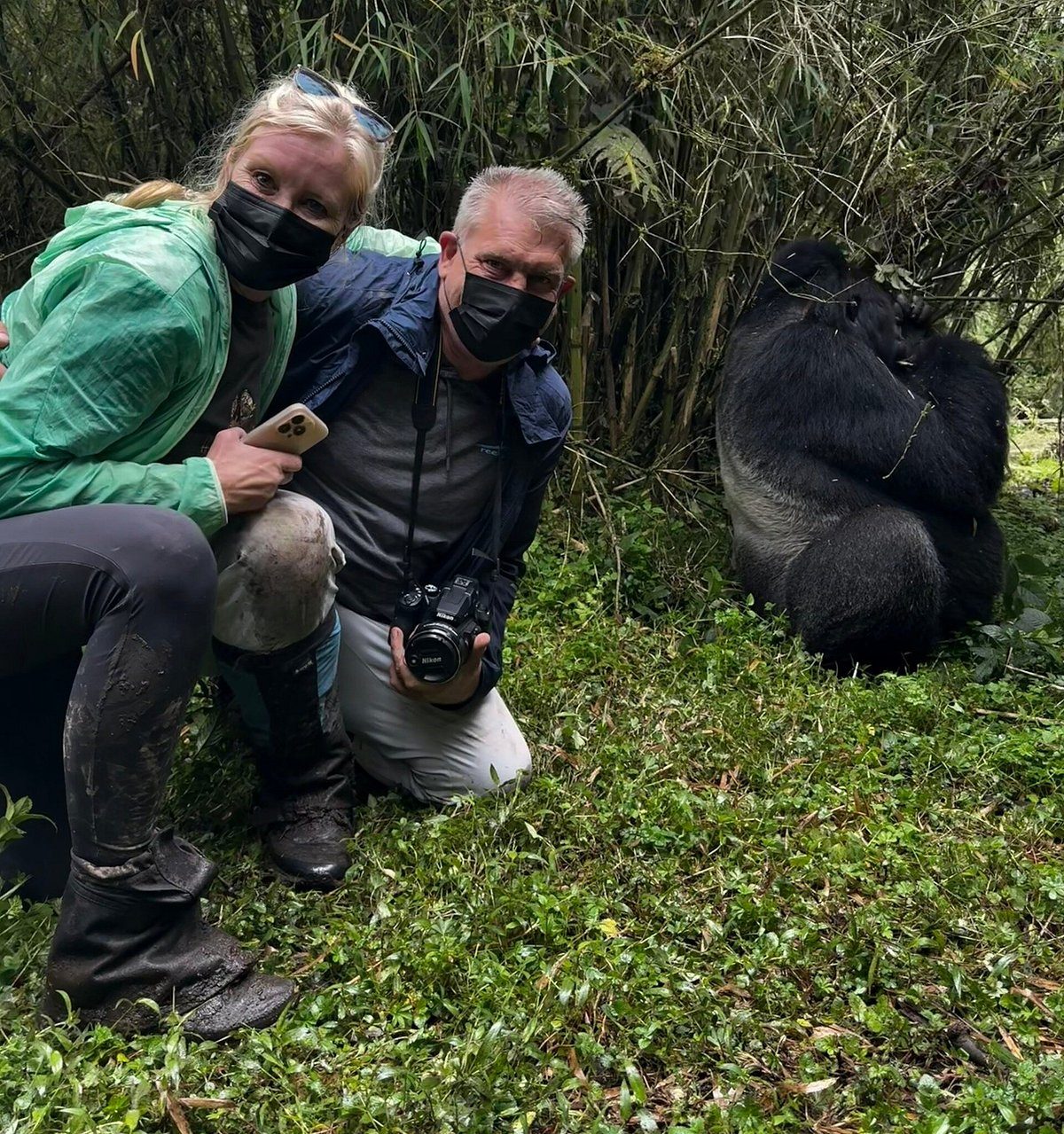
Park authorities ask every visitor to follow simple hygiene practices. Wash or sanitize your hands before the trek whenever possible. Cover your mouth and nose when coughing or sneezing. Never spit inside the forest. If you need the restroom, follow your guide’s instructions to avoid contaminating the environment.
Most importantly, maintain at least seven meters from the gorillas at all times. This distance helps reduce disease transmission while allowing visitors to observe the gorillas safely.
What Happens If You Become Sick?
If you become ill before your trekking day, contact your safari operator immediately. In some situations, the park may recommend postponing your visit. Although missing a trek can be disappointing, protecting endangered mountain gorillas remains the highest priority.
Travel insurance that covers trip interruption and medical emergencies is strongly recommended. A good insurance policy provides peace of mind if unexpected health issues arise before or during your safari.
Travel Health Tips for Gorilla Trekking
Preparing well before your safari makes a significant difference. Drink enough water every day, eat balanced meals, get enough sleep before trekking, and avoid excessive alcohol the night before your hike. Pack sunscreen, insect repellent, a reusable water bottle, energy snacks, waterproof hiking boots, gloves, rain gear, and a small personal first-aid kit. These simple preparations improve both comfort and safety throughout the experience.
Protecting the Mountain Gorillas
Every visitor contributes to gorilla conservation. Responsible tourism has helped increase mountain gorilla populations over the past two decades. By respecting health regulations, following ranger instructions, and maintaining a safe distance, visitors help protect one of the world’s rarest wildlife species for future generations.
Frequently Asked Questions
Can I trek with a cold?
No. Visitors showing signs of contagious illness may not be allowed to trek.
Is there an age limit?
Yes. Gorilla trekking is limited to visitors aged 15 years and above.
Do I need to be very fit?
No. Moderate fitness is usually enough, and gorilla groups are often assigned according to fitness levels.
Can seniors trek gorillas?
Yes. Many older travelers complete gorilla trekking successfully each year.
Should I buy travel insurance?
Yes. Comprehensive travel insurance covering medical emergencies and trip interruptions is highly recommended.
Conclusion
Understanding the Gorilla Trekking Health Requirements Explained helps you prepare for one of Africa’s greatest wildlife adventures. Good health protects both visitors and endangered mountain gorillas. Therefore, follow all park regulations, consult your doctor before travel, maintain good fitness, and respect your guides throughout the trek. With proper preparation, you can enjoy a safe, responsible, and unforgettable gorilla trekking experience in Rwanda or Uganda.
Universal Ventures Rwanda
Universal Ventures Rwanda specializes in gorilla trekking safaris, wildlife tours, luxury holidays, family vacations, cultural experiences, and tailor-made East African adventures. Our experienced team handles permits, accommodation, transport, and personalized itineraries to ensure a seamless safari experience.
Contact Us
Universal Ventures Rwanda
📍 Address: KK 15 Rd, Kigali, Rwanda
📞 Phone/WhatsApp: +250 781441853
📧 Email: info@universalventuresrwanda.com
🌍 Website: www.universalventuresrwanda.com