Rwanda Big Five Safari Photography Tips Rwanda is quickly becoming one of Africa’s most exciting destinations for wildlife lovers and photographers. While many travelers know the country for gorilla trekking in Volcanoes National Park, fewer realize that Rwanda is also home to the legendary Big Five—lion, elephant, rhino, leopard, and buffalo—mainly found in Akagera National Park.
This complete guide on Rwanda Big Five Safari Photography Tips is designed to help you capture breathtaking wildlife images, whether you are a beginner with a smartphone or a professional with high-end gear. From choosing the right camera settings to understanding animal behavior, this blog will give you everything you need to succeed on a safari photography adventure in Rwanda.
Understanding the Big Five in Rwanda for Better Photography

Before diving into the best Rwanda Big Five Safari Photography Tips, it is essential to understand your subjects. Each animal behaves differently, and knowing this can dramatically improve your photos.
The lion, often seen lounging or hunting during early mornings and late evenings, offers dramatic photo opportunities when the light is soft. Elephants, on the other hand, move in herds and create powerful storytelling images, especially when dust rises around them. Rhinos are rare and require patience, but capturing one is incredibly rewarding. Buffalo herds provide dynamic compositions, while leopards, being elusive, challenge even experienced photographers.
Understanding these patterns is one of the most important Rwanda Big Five Safari Photography Tips because timing and positioning depend heavily on animal behavior.
Best Location for Big Five Photography in Rwanda
Akagera National Park – The Heart of Big Five Safari Photography

When discussing Rwanda Big Five Safari Photography Tips, location matters the most. The best place to photograph the Big Five in Rwanda is Akagera National Park, located in eastern Rwanda near the border with Tanzania.
Akagera offers a diverse landscape that includes savannah, wetlands, lakes, and rolling hills. This variety creates unique backdrops for wildlife photography, making every shot look different and visually rich. The park’s successful conservation efforts have reintroduced lions and rhinos, making it one of the few parks in East Africa where you can see the complete Big Five in a relatively small area.
Best Time for Rwanda Big Five Safari Photography
Timing is everything in wildlife photography. One of the most valuable Rwanda Big Five Safari Photography Tips is choosing the right time of day and season.
Early morning game drives, starting around 6:00 AM, provide soft golden light that enhances colors and reduces harsh shadows. Evening drives, usually from 4:30 PM to sunset, offer similar lighting conditions. Midday light is often too strong, making images look flat and overexposed.
The dry season, from June to September and December to February, is considered the best time for photography because animals gather around water sources, making them easier to spot and photograph. However, the green season offers lush landscapes and dramatic skies, which can also create stunning images.
Essential Camera Gear for Safari Photography

A critical part of Rwanda Big Five Safari Photography Tips is having the right gear. While you do not need the most expensive equipment, certain tools can significantly improve your results.
A DSLR or mirrorless camera with a telephoto lens (200–600mm) is ideal for wildlife photography. A beanbag is highly recommended for stabilizing your camera on a safari vehicle, especially in Akagera National Park where roads can be uneven. Extra batteries and memory cards are essential because you will take hundreds of photos during a single game drive.
Even smartphones can produce impressive results if used correctly, especially with zoom features and proper lighting.
Camera Settings for Wildlife Photography
Understanding camera settings is one of the most technical yet essential Rwanda Big Five Safari Photography Tips.
Use a fast shutter speed (at least 1/1000) to freeze animal movement, especially when photographing running animals or birds. Set your aperture between f/4 and f/8 to create a sharp subject with a blurred background. Adjust ISO depending on lighting conditions—keep it low in bright light and increase it in low-light situations.
Continuous autofocus (AI Servo or AF-C) is ideal for tracking moving animals. Burst mode helps capture multiple frames, increasing your chances of getting the perfect shot.
Composition Techniques for Stunning Safari Photos

Composition transforms an ordinary photo into a masterpiece. Among the most creative Rwanda Big Five Safari Photography Tips is learning how to frame your shots.
Use the rule of thirds to place your subject off-center, creating a more dynamic image. Look for natural frames like trees or branches. Capture reflections in water bodies like Lake Ihema in Akagera National Park for artistic effects.
Silhouettes during sunrise or sunset can add drama, especially when photographing elephants or giraffes against the sky.
Working with Light on Safari
Light is the foundation of photography. One of the most overlooked Rwanda Big Five Safari Photography Tips is understanding how to use natural light effectively.
Golden hour provides warm tones and soft shadows, making it the best time for photography. Backlighting can create dramatic effects, especially when dust particles are visible in the air. Avoid shooting directly into harsh midday sunlight unless you are intentionally creating high-contrast images.
Cloudy days are excellent for evenly lit photos, especially when capturing details like animal textures and fur.
Safari Vehicle Positioning for Better Shots
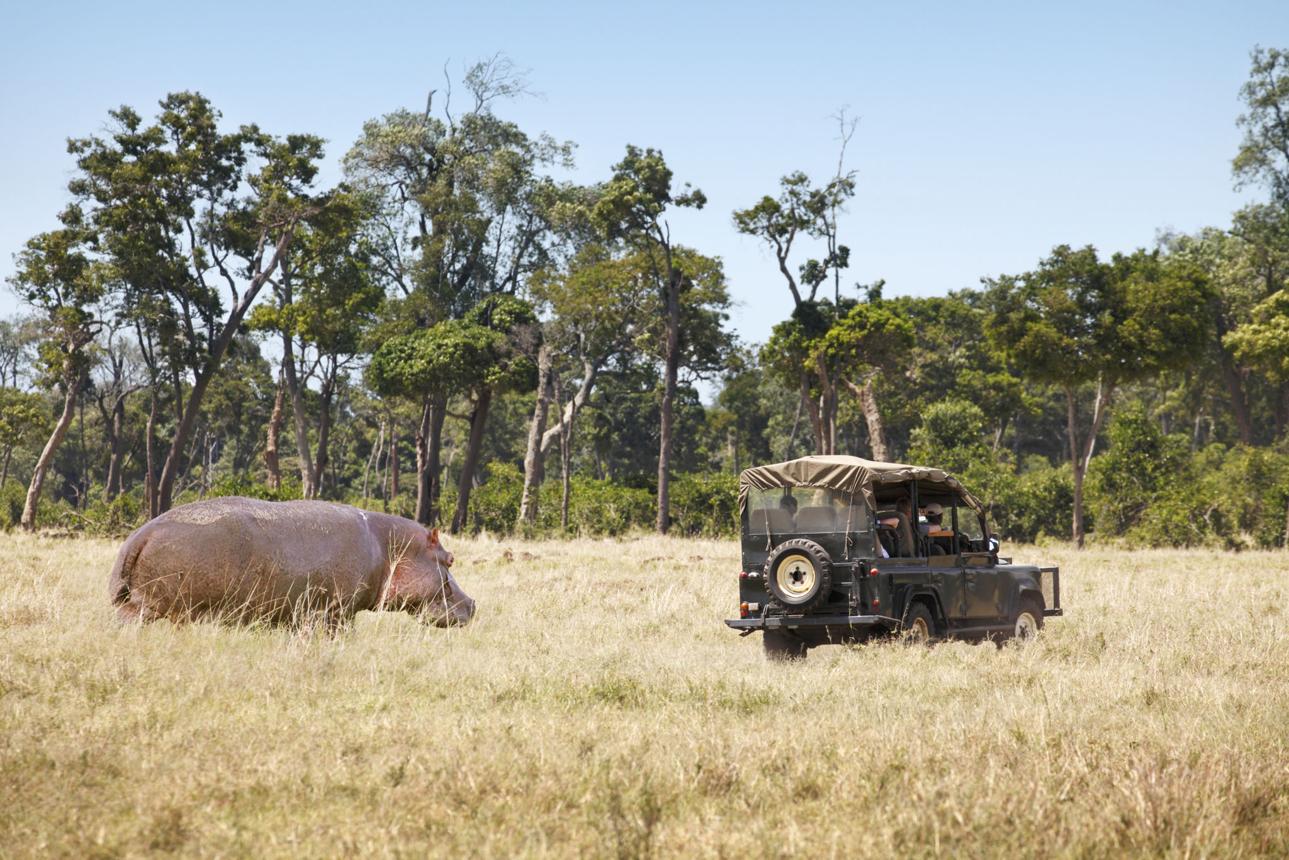
Positioning is everything in wildlife photography. A skilled driver-guide in Akagera National Park can make a huge difference in your photos.
Always communicate with your guide about lighting direction and preferred angles. Position your vehicle so that the sun is behind you, illuminating the subject. Keep a safe and respectful distance from animals while ensuring a clear line of sight.
Patience and Timing in Wildlife Photography
One of the most important Rwanda Big Five Safari Photography Tips is patience. Wildlife photography is unpredictable, and the best moments often happen when you least expect them.
Spend time observing animal behavior rather than constantly clicking the shutter. Wait for unique moments like a lion yawning, elephants interacting, or a leopard climbing a tree. These moments tell a story and make your photos stand out.
Ethical Wildlife Photography Practices

Ethics play a crucial role in Rwanda Big Five Safari Photography Tips. Always prioritize animal welfare over getting the perfect shot.
Never disturb animals or attempt to attract their attention. Follow park rules and respect your guide’s instructions. African Parks, which manages Akagera National Park, emphasizes conservation and responsible tourism, ensuring that wildlife thrives in a protected environment.
Editing Your Safari Photos
Post-processing is the final step in bringing your images to life. Basic editing tools can enhance colors, adjust exposure, and sharpen details. However, avoid over-editing, as natural tones often look more authentic and appealing.
Why Rwanda is Perfect for Safari Photography

Rwanda’s compact size, well-managed parks, and diverse landscapes make it an ideal destination for photographers. In addition to Akagera National Park, travelers can explore Nyungwe Forest National Park for primates and Volcanoes National Park for gorillas.
This diversity allows photographers to capture a wide range of subjects within a short time, making Rwanda one of Africa’s most rewarding safari destinations.
Final Thoughts: Mastering Rwanda Big Five Safari Photography Tips
Mastering Rwanda Big Five Safari Photography Tips takes time, practice, and passion. By understanding animal behavior, using the right equipment, mastering camera settings, and respecting nature, you can capture incredible images that tell powerful stories.
Whether you are photographing a lion at sunrise, elephants near a lake, or a rare rhino sighting, Rwanda offers endless opportunities for unforgettable wildlife photography.
Contact Us for Your Photography Safari in Rwanda
Ready to experience the best of Rwanda and capture stunning wildlife photos?
Universal Ventures Rwanda is here to organize your perfect safari photography adventure.
📧 Email: info@universalventuresrwanda.com
📞 Phone/WhatsApp: +250 781 441 853
Let us guide you through the ultimate Rwanda Big Five safari photography experience in Akagera National Park and beyond.