Planning a gorilla trekking adventure does not always require an unlimited travel budget. With careful preparation, suitable accommodation, shared transportation, and a well-designed itinerary, travellers can enjoy an unforgettable encounter with mountain gorillas without paying for unnecessary luxury services. This Uganda Gorilla Safari Budget Guide explains the main safari expenses, ways to control costs, suitable destinations, permit prices, affordable accommodation, transport options, and sample itineraries.
Uganda is one of only three countries where travellers can see mountain gorillas in their natural habitat. Gorilla trekking takes place in Bwindi Impenetrable National Park and Mgahinga Gorilla National Park. Both parks are located in southwestern Uganda, close to Rwanda and the Democratic Republic of the Congo.
The gorilla permit is usually the largest single expense. However, the total cost also depends on transport, accommodation, meals, porter services, visas, tips, and additional safari activities. Some packages look cheap at first but exclude important services. Therefore, travellers should compare the complete value of each offer instead of choosing only the lowest advertised price.
This guide will help solo travellers, couples, families, students, photographers, and small groups understand how much to budget for a Uganda gorilla safari.
What Is a Budget Gorilla Safari in Uganda?
A budget gorilla safari is an affordable tour designed around the essential services needed for a safe and comfortable gorilla trekking experience. It generally includes a valid gorilla permit, road transportation, simple accommodation, meals, an experienced driver-guide, and transfers to the park headquarters.
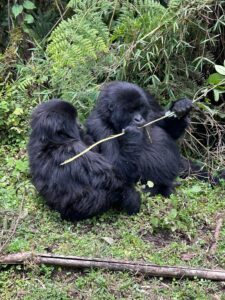
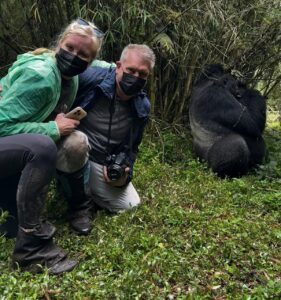
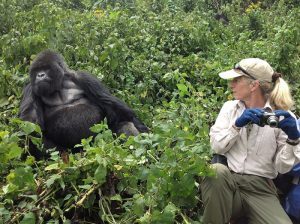
Choosing a budget safari does not mean compromising safety or missing the gorillas. Every visitor follows the same Uganda Wildlife Authority trekking procedures. Travellers attend the same morning briefing, enter the same protected forest, receive support from professional rangers, and spend up to one hour with an assigned habituated gorilla family after finding it.
The main differences between budget, mid-range, and luxury safaris involve accommodation standards, vehicle type, dining choices, room size, location, and personalised services. A budget traveller may stay in a clean guesthouse or community lodge, while a luxury traveller may select an exclusive forest lodge with private cottages, spa facilities, and premium meals.
Both travellers can participate in the same gorilla trekking activity. Therefore, reducing accommodation and transport costs can make the overall journey more affordable without reducing the quality of the gorilla encounter.
How Much Does a Uganda Gorilla Safari Cost?
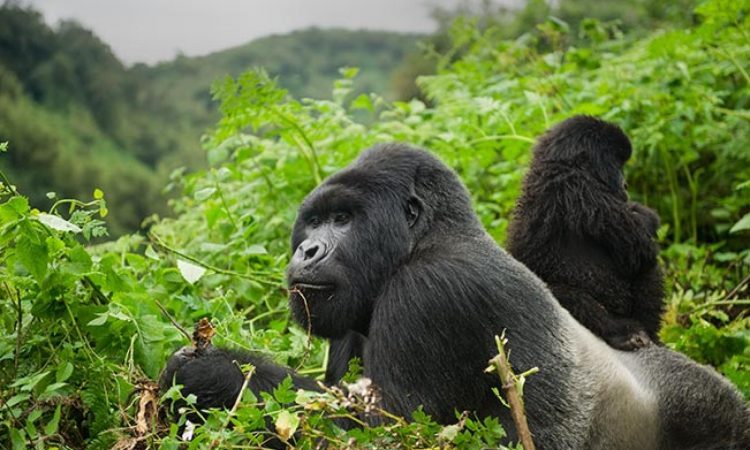
The total price of a budget Uganda gorilla safari can vary considerably. A short two-day tour starting in Kigali may cost less than a longer trip beginning in Entebbe. Similarly, two people sharing a vehicle and room usually pay less per person than a solo traveller.
As a general planning range, a basic two- or three-day Uganda gorilla safari may cost approximately USD 1,300 to USD 2,200 per person. This estimate can include the gorilla permit, simple accommodation, road transportation, meals, guide services, and border or airport transfers. However, the final amount depends on the starting point, number of travellers, room arrangements, travel season, and services included.
A longer safari combining gorilla trekking with Queen Elizabeth National Park, Kibale Forest, Lake Bunyonyi, or Murchison Falls will cost more. A five- to seven-day budget safari may range from approximately USD 2,000 to more than USD 3,500 per person.
These figures are general planning estimates rather than fixed package prices. Fuel costs, lodge rates, foreign exchange changes, permit tariffs, and seasonal availability can affect the final quotation.
Uganda Gorilla Permit Cost
How Much Is a Gorilla Trekking Permit in Uganda?
The gorilla trekking permit is the most important item in any Uganda Gorilla Safari Budget Guide. Uganda Wildlife Authority tariffs have listed the standard foreign non-resident gorilla trekking permit at USD 800 per person. Different rates may apply to qualifying foreign residents, travellers from the rest of Africa, and East African citizens.
Permit prices and special promotional rates can change. Uganda Wildlife Authority may also announce conditions for certain travel periods. Therefore, travellers should confirm the applicable rate before making payment. Uganda Wildlife Authority conservation tariffs
A standard permit allows one visitor to join one scheduled gorilla trek on a specific date. After finding the assigned family, the visitor can spend up to one hour observing the gorillas.
The permit generally includes park entry connected to the trek, ranger services, tracking support, and the authorised gorilla encounter. Part of the revenue contributes to wildlife conservation and community development.
However, the permit does not normally cover accommodation, private transportation, meals, porter services, visas, tips, travel insurance, or personal equipment.
Gorilla Habituation Permit Cost
Uganda also offers a specialised Gorilla Habituation Experience in Bwindi Impenetrable National Park. This activity allows visitors to spend up to four hours with a semi-habituated gorilla family after locating it.
A habituation permit costs more than a standard trekking permit. It is better suited to wildlife photographers, researchers, and travellers who want an extended forest experience. Budget-conscious visitors usually choose standard gorilla trekking because it provides a memorable encounter at a lower price.
Can You Receive a Discount on a Gorilla Permit?
Travellers should be careful with websites advertising unusually cheap gorilla permits. Genuine permits are controlled by the Uganda Wildlife Authority, and legitimate operators cannot create their own unofficial discounts.
Uganda Wildlife Authority may occasionally publish promotional rates for defined months or traveller categories. Such permits can have strict payment, cancellation, or rescheduling conditions. A traveller should obtain written confirmation before relying on a special rate.
The safest approach is to book through the Uganda Wildlife Authority or a licensed tour operator. Always confirm the traveller’s name, trekking date, assigned park sector, and payment status.
Main Expenses in a Uganda Gorilla Safari Budget
Understanding the main cost categories makes it easier to compare safari packages. A low headline price may not include every necessary service.
Gorilla Permit
The permit normally forms the largest part of the budget. Its cost is fixed according to the applicable Uganda Wildlife Authority tariff. Since permit prices are not controlled by lodges or tour companies, it is difficult to reduce this expense unless an official promotional rate is available.
Safari Transportation
Transportation is the second major cost. Gorilla parks are located far from Entebbe and Kampala. A private vehicle is needed for airport transfers, long-distance travel, lodge transfers, and the morning journey to the park briefing point.
The transport cost usually includes the vehicle, professional driver-guide, fuel, parking charges, and driver expenses. A four-wheel-drive vehicle is strongly recommended because roads near Bwindi can become rough or muddy.
Travelling as a group reduces the transport cost per person. For example, two or four travellers can share one vehicle instead of paying for separate transfers.
Accommodation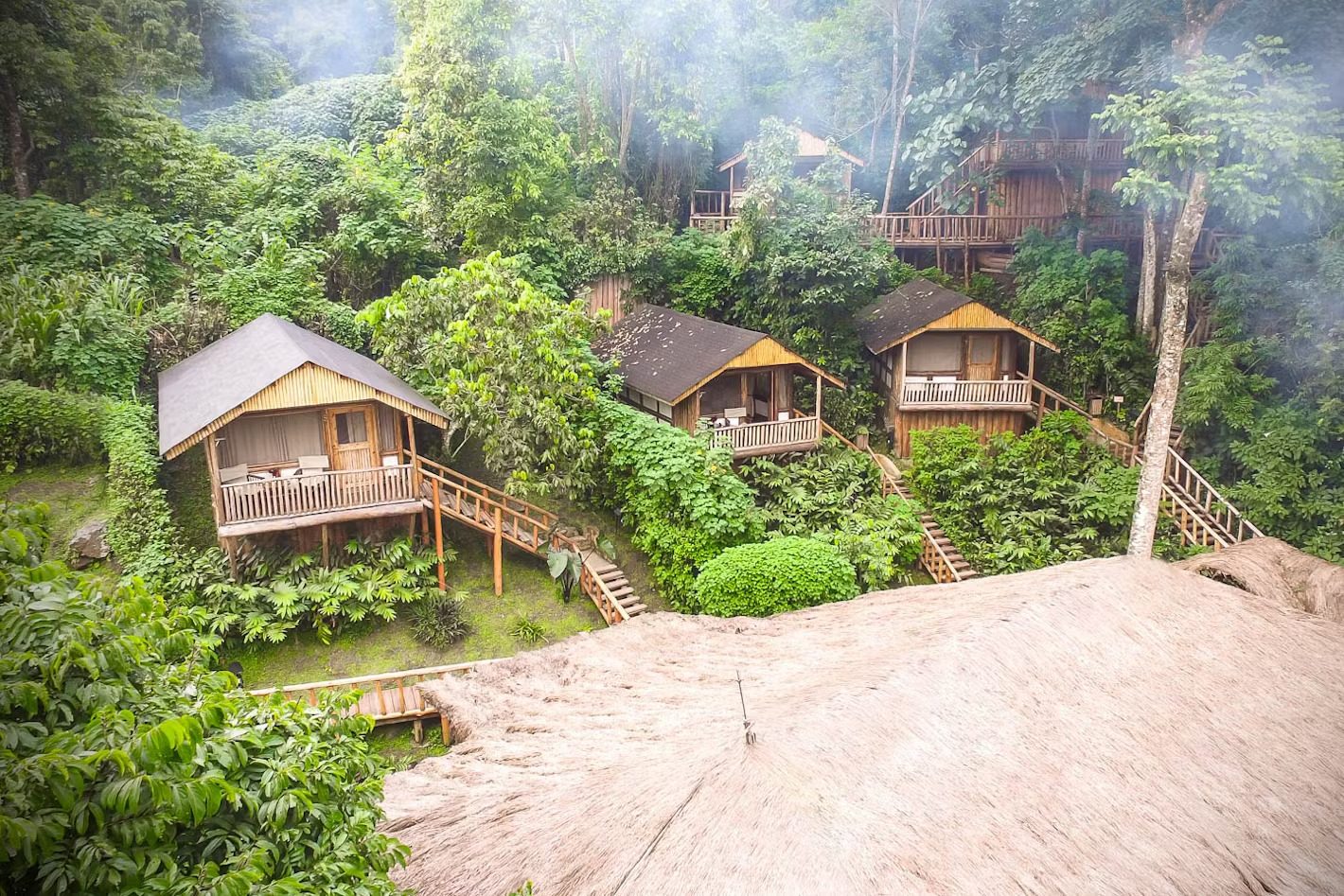
Budget accommodation around Bwindi and Mgahinga includes guesthouses, community camps, simple cottages, and small locally managed lodges. Many offer private rooms, hot showers, mosquito nets, meals, and views of the surrounding hills.
A budget room may cost approximately USD 40 to USD 120 per person per night, depending on whether meals are included. Prices rise during busy travel periods and at properties located directly beside popular park entrances.
The cheapest room is not always the best value. A distant lodge may require a long morning transfer, additional fuel, and a very early departure. Travellers should choose accommodation close to the sector shown on their gorilla permit.
Meals and Drinking Water
Many gorilla lodges offer full-board accommodation because restaurants and shops are limited near the forest. Full board normally includes breakfast, lunch, and dinner. On trekking day, the lodge may prepare a packed lunch.
Travellers should ask whether drinking water is included. Buying bottled water separately throughout a long safari can gradually increase the total cost.
Driver-Guide Services
A reliable driver-guide manages more than transportation. The guide coordinates transfers, explains the itinerary, helps with border formalities, communicates with lodges, and ensures that visitors reach the correct park headquarters on time.
Choosing the cheapest unverified driver can create delays or safety problems. A budget safari should still use an experienced guide and a properly maintained vehicle.
Porter Services
Hiring a porter is optional but highly recommended. Porters carry daypacks, packed lunches, water, and camera equipment. They can also provide a steady hand on steep or slippery parts of the trail.
Porter charges are modest compared with the overall safari price. Moreover, hiring one creates direct income for households living near the park. Travellers should include this expense in their personal budget rather than treating it as an unnecessary luxury.
Tips and Personal Expenses
Tips are not normally included in the safari price. Visitors may choose to tip guides, rangers, trackers, lodge employees, and porters according to the service received.
Other personal expenses may include souvenirs, laundry, additional drinks, snacks, telephone data, optional cultural visits, and private photography services.
Visa and Border Costs
International visitors should check Uganda’s current immigration requirements before travelling. Those entering from Rwanda must also verify whether they need separate visas or an East Africa Tourist Visa.
Visa rules can change. Travellers should rely on official immigration information and avoid unofficial websites charging excessive processing fees.
Travel Insurance
Comprehensive travel insurance is an important part of the budget. A suitable policy should cover medical emergencies, trip interruption, evacuation, lost luggage, and activities such as gorilla trekking.
Travellers should read the policy carefully because not every basic insurance plan covers hiking at higher elevations or travel in remote national parks.
Where to Go for an Affordable Uganda Gorilla Safari
Uganda has two principal mountain gorilla destinations: Bwindi Impenetrable National Park and Mgahinga Gorilla National Park. The better option depends on permit availability, transport costs, accommodation, and the wider itinerary.
Budget Gorilla Trekking in Bwindi Impenetrable National Park
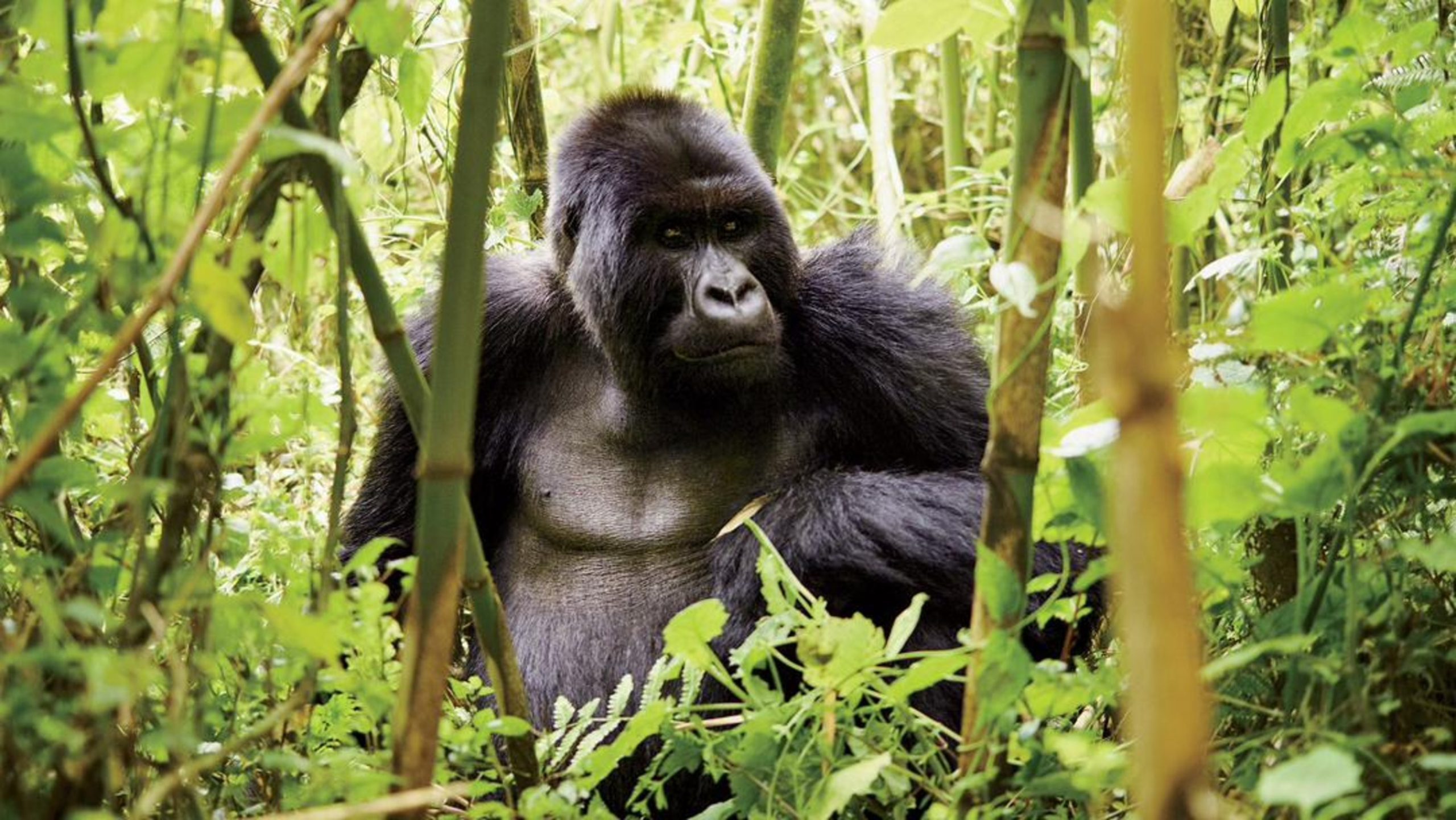
Bwindi is Uganda’s largest and best-known gorilla trekking destination. The park protects a major portion of the world’s remaining mountain gorilla population and contains several habituated families.
The forest is divided into four main trekking sectors: Buhoma, Ruhija, Rushaga, and Nkuringo. Uganda Wildlife Authority – gorilla tracking
A permit is connected to a specific sector. Therefore, travellers must book accommodation in or near that area. The roads between sectors can be long and difficult, even when the places appear close on a map.
Buhoma Sector
Buhoma is located in northern Bwindi and is the park’s oldest gorilla trekking sector. It has a wide range of accommodation, including community guesthouses, budget camps, mid-range lodges, and luxury properties.
It combines well with the Ishasha sector of Queen Elizabeth National Park. Travellers can search for tree-climbing lions in Ishasha before continuing to Buhoma for gorilla trekking.
However, Buhoma can be expensive during peak periods because it is well established and popular. Early booking provides a better chance of finding affordable rooms.
Ruhija Sector
Ruhija is located in eastern Bwindi. It is known for its high-altitude forest, birdlife, and peaceful atmosphere. Budget accommodation is available, although the number of properties is smaller than in Buhoma.
Ruhija can work well for travellers arriving through Kabale. The area is also suitable for birdwatchers because Bwindi supports several Albertine Rift species.
Temperatures can be cool, especially early in the morning. Travellers should pack a warm layer and waterproof clothing.
Rushaga Sector

Rushaga is located in southern Bwindi and can be reached through Kisoro. It is one of the most practical sectors for a short Uganda gorilla safari from Kigali.
The area has budget camps, mid-range lodges, and several higher-end properties. Travellers can also combine their trek with Lake Mutanda, Lake Bunyonyi, a community visit, or an onward journey into Rwanda.
Rushaga is associated with both standard gorilla trekking and the specialised habituation experience. However, availability must always be confirmed for the chosen date.
Nkuringo Sector
Nkuringo is also located in southern Bwindi. Its elevated position provides impressive views across the forest and towards the Virunga Mountains.
The terrain can be challenging, although trek difficulty ultimately depends on the location of the gorilla family. Nkuringo has several comfortable lodges, but budget options may be more limited during busy months.
Visitors should stay near the assigned briefing point rather than attempting an early transfer from another sector.
Budget Gorilla Trekking in Mgahinga National Park
Mgahinga Gorilla National Park is located near Kisoro in southwestern Uganda. It is Uganda’s smallest national park and forms part of the wider Virunga Conservation Area. The park contains volcanic scenery, bamboo forest, golden monkeys, and mountain gorillas.
Uganda Wildlife Authority describes Mgahinga as a 33.7-square-kilometre protected area in Kisoro District. Uganda Wildlife Authority – Mgahinga Gorilla National Park
Mgahinga may suit budget travellers staying around Kisoro because several affordable guesthouses are available in town. It also allows visitors to add golden monkey tracking without travelling to another national park.
Permit availability is more limited than in Bwindi. Therefore, visitors should confirm their gorilla permit before reserving accommodation.
Is It Cheaper to Begin in Kigali or Entebbe?
The starting point can make a major difference to the total safari cost.
Budget Gorilla Safari From Kigali
Kigali is relatively close to the southern sectors of Bwindi and Mgahinga. A traveller can drive from Kigali, cross into Uganda, and reach the Kisoro or southern Bwindi area within the same day.
A short Kigali-to-Bwindi itinerary may need only two or three days. This reduces accommodation, vehicle, fuel, and guide expenses.
However, travellers must consider Rwanda entry conditions, Uganda entry conditions, visa costs, border processing, and international flight prices. A Kigali starting point is not automatically cheaper if flights to Rwanda cost considerably more.
Budget Gorilla Safari From Entebbe
A road trip from Entebbe or Kampala to Bwindi usually takes most of the day. A comfortable itinerary requires at least three days, while four days provide a more relaxed schedule.
The longer road transfer increases fuel, guide, vehicle, and accommodation costs. Nevertheless, the route can include useful stops such as the Equator crossing, local markets, or Lake Mburo National Park.
Starting in Entebbe is practical for travellers planning a longer Uganda safari. It allows them to combine gorillas with chimpanzee trekking, savannah game drives, boat cruises, and other national parks.
Domestic Flights to Bwindi
Domestic flights can save time but normally increase the safari budget. Travellers can fly from Entebbe towards airstrips serving southwestern Uganda and continue by road.
This option is useful for visitors with limited time. However, road transportation generally offers better value for a budget safari, particularly when two or more people share the vehicle.
Best Time for a Budget Gorilla Safari in Uganda
Gorilla trekking operates throughout the year. Mountain gorillas remain in Bwindi and Mgahinga during every season. However, rainfall, accommodation demand, road conditions, and promotional offers may affect the total budget.
June to September
June, July, August, and September are popular because rainfall is often lower. Forest trails may be less slippery, and these months combine well with wildlife viewing in Uganda’s savannah parks.
Demand for permits and accommodation is high. Consequently, budget rooms can sell out early. Travellers planning a peak-season safari should book several months ahead.
December to February
December, January, and February form another popular travel period. Conditions are often suitable for trekking, photography, and longer Uganda safaris.
Prices can rise around Christmas and New Year. Visitors should reserve early or avoid the busiest holiday dates when possible.
March to May
March, April, and May generally receive more rain. Trails can become muddy, and some road transfers may take longer. Nevertheless, the forest is green, visitor numbers can be lower, and lodges may offer better value.
Budget travellers who are comfortable with rain can consider this period. Waterproof boots, gaiters, gloves, and a rain jacket become especially important.
October and November
October and November also receive regular rainfall. However, they can provide a quieter experience than the main dry-season months.
Travellers should compare accommodation offers and check whether any official permit promotion applies to their dates. They should also understand the conditions of discounted permits before paying.
How to Reduce the Cost of a Uganda Gorilla Safari
A carefully planned itinerary can reduce costs without affecting safety or the quality of the gorilla encounter.
Travel With Other People
Transportation costs are divided among the passengers using the vehicle. A solo traveller carries the full cost, while two, four, or six travellers can share it.
Small-group departures can therefore offer excellent value. Travellers should confirm the maximum group size, vehicle seating, luggage space, and room arrangements before booking.
Choose a Shorter Itinerary
A two- or three-day gorilla tour costs less than a seven-day safari. Travellers can focus on the essential experience and remove activities that require major detours.
A short trip from Kigali to southern Bwindi is often one of the most economical choices. However, the schedule must still include enough time for border crossing and an overnight stay before the trek.
Select Budget Accommodation Near the Park
Choose a simple lodge close to the correct trekking sector. This reduces morning transfer time and fuel expenses.
When comparing room prices, check whether breakfast, dinner, and a packed lunch are included. A slightly more expensive full-board lodge may provide better overall value than a cheaper room where every meal costs extra.
Travel During the Quieter Season
Some lodges offer lower prices during rainy months. Vehicle and guide availability may also be better.
Visitors should balance these savings against wetter trails and more difficult road conditions. A low-season safari can be rewarding when travellers pack correctly and maintain a flexible attitude.
Avoid Unnecessary Domestic Flights
Road transportation is normally more affordable than flying, especially for couples and groups. Domestic flights should be chosen when saving time is more important than reducing cost.
Combine Nearby Attractions
Select activities that fit naturally along the route. Lake Bunyonyi, Lake Mutanda, Mgahinga, and community experiences can be added without crossing the entire country.
A poorly planned itinerary with repeated long transfers increases fuel expenses and reduces time at each destination.
Book Through a Reliable Local Operator
A local operator can combine the permit, vehicle, accommodation, guide, meals, and transfers into one clear package. This can prevent costly mistakes, such as booking a lodge in the wrong Bwindi sector.
Travellers should request a written list of inclusions and exclusions. They should also confirm the company’s legal details, payment policy, cancellation terms, and emergency support.
Sample Three-Day Uganda Gorilla Safari From Kigali
Day 1: Kigali to Bwindi Impenetrable National Park
Meet your driver-guide in Kigali and travel towards the Rwanda–Uganda border. After completing immigration procedures, continue through the hills of southwestern Uganda to your budget lodge near Rushaga or Nkuringo.
Check in and prepare your trekking equipment. Dinner and overnight will be at the lodge.
Day 2: Gorilla Trekking in Bwindi
After an early breakfast, travel to the park headquarters for registration and a safety briefing. Enter the forest with Uganda Wildlife Authority rangers and begin searching for the assigned gorilla family.
Once the gorillas are located, spend up to one hour observing them. Afterwards, return to the park entrance and transfer to your lodge.
Day 3: Bwindi to Kigali
Enjoy breakfast before beginning the return journey to Rwanda. After crossing the border, continue to Kigali for a hotel or airport drop-off.
Depending on the travel schedule, an optional stop may be included for lunch, craft shopping, or sightseeing.
Why Uganda Offers Good Value for Gorilla Trekking
Uganda combines competitive gorilla permit prices with a broad selection of accommodation and safari activities. Visitors can choose a short forest adventure or create a longer journey through several national parks.
Bwindi provides four trekking sectors and numerous lodge categories. Mgahinga offers gorilla trekking, golden monkeys, volcanic scenery, and access through Kisoro. These options make it easier to design a safari around a realistic budget.
Most importantly, budget travellers receive the same authorised observation time as guests staying in expensive lodges. Luxury accommodation can improve comfort, but it does not provide a longer standard gorilla encounter.
A well-planned Uganda Gorilla Safari Budget Guide should therefore focus on value, location, reliability, and transparent inclusions. The goal is not simply to find the cheapest package. It is to create an affordable safari that remains safe, comfortable, and properly organised.
Contact Universal Ventures Rwanda
Universal Ventures Rwanda can arrange affordable Uganda gorilla safaris from Kigali, Entebbe, or Kampala. Services can include gorilla permit assistance, private transportation, border transfers, budget accommodation, meals, professional guides, and customised Rwanda–Uganda itineraries.
Address: KN 15 Road, opposite the IPRC entrance, 1st Floor, Sangwa Plaza, Kigali, Rwanda
Phone/WhatsApp: +250 781 441 853
Email: info@universalventuresrwanda.com
Website: www.universalventuresrwanda.com