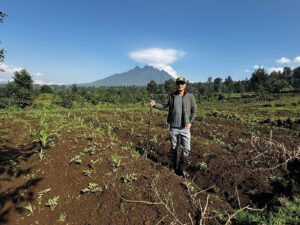
A Gorilla Trekking and Queen Elizabeth Safari combines two of Uganda’s most remarkable wildlife experiences. The journey takes you from the mist-covered forests of Bwindi Impenetrable National Park to the open savannah, crater lakes and wildlife-rich waterways of Queen Elizabeth National Park.
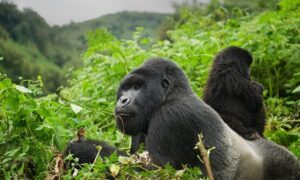
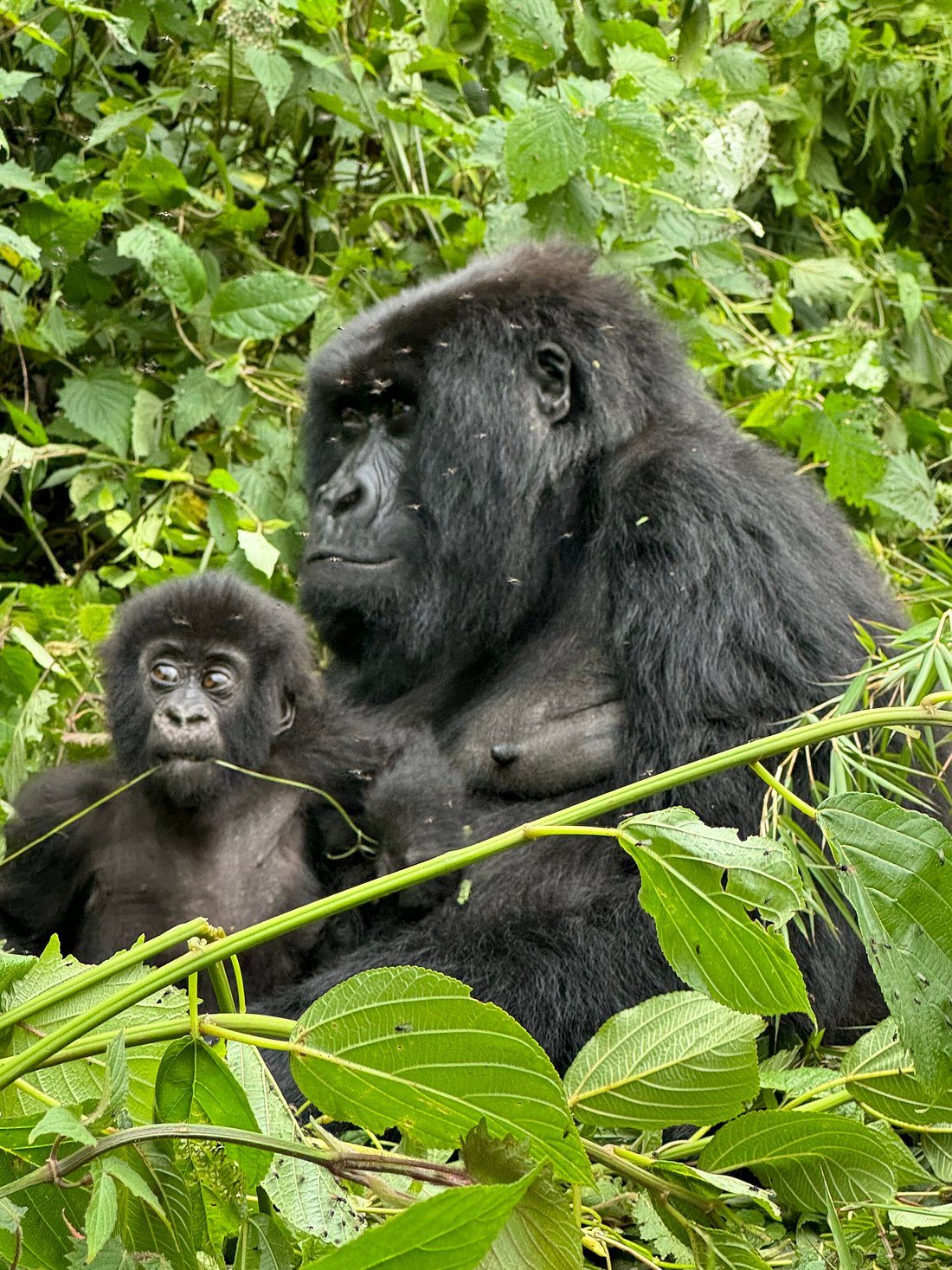
In Bwindi, travellers hike through an ancient tropical forest in search of a habituated mountain gorilla family. The experience offers a rare opportunity to observe these primates in their natural habitat under the supervision of professional Uganda Wildlife Authority guides and trackers.
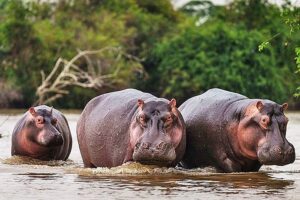
Queen Elizabeth National Park delivers a contrasting safari experience. Its attractions include game drives across the Kasenyi Plains, boat safaris on the Kazinga Channel and visits to the Ishasha sector, which is famous for its tree-climbing lions. Elephants, buffaloes, hippos, Uganda kobs, crocodiles, leopards and hundreds of bird species may also be encountered.
The two parks can be connected by road, making them ideal for one combined Uganda safari. Depending on the selected Bwindi trekking sector, the route may pass through Ishasha, creating an opportunity to search for tree-climbing lions while travelling between the forest and Queen Elizabeth National Park.
This guide explains how to plan the safari, including the best routes, number of days, gorilla permit arrangements, accommodation, transportation, activities, packing requirements and expected costs.
Because wildlife tariffs and permit rules are issued for defined periods, travellers should confirm current prices with the Uganda Wildlife Authority or a reputable tour operator before booking.
Why Choose a Gorilla Trekking and Queen Elizabeth Safari?
Uganda offers several outstanding national parks, but Bwindi and Queen Elizabeth create one of the country’s most naturally balanced safari combinations.
Bwindi provides an intimate forest adventure centred on mountain gorillas. Queen Elizabeth offers classic African game viewing across savannah, woodland, wetlands and volcanic landscapes. Visiting both parks allows travellers to experience primates, big game, birdlife and dramatic scenery in one itinerary.
Two different ecosystems in one journey
Bwindi Impenetrable National Park protects a dense tropical forest in southwestern Uganda. Its steep hills, valleys, streams and thick vegetation create an important habitat for mountain gorillas and numerous other species.
Queen Elizabeth National Park has a completely different character. Its ecosystems include open grasslands, acacia woodland, crater lakes, wetlands, forests and the Kazinga Channel.
Travelling between the two destinations demonstrates Uganda’s extraordinary environmental diversity. In only a few days, visitors move from rainforest trekking to game drives and boat safaris.
Mountain gorillas and classic African wildlife
Gorilla trekking is the principal reason many visitors travel to Uganda. The experience is highly controlled to protect both the gorillas and their habitat. Visitors join a small trekking group and follow experienced guides into the forest.
Queen Elizabeth National Park complements this experience with opportunities to observe: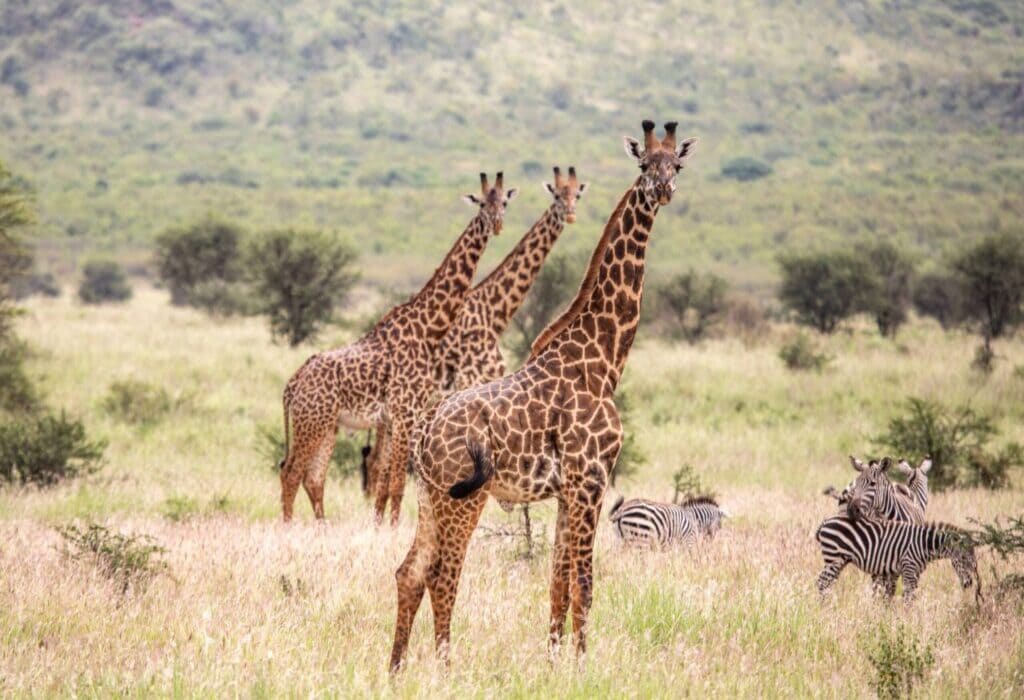
- African elephants
- Cape buffaloes
- Lions
- Leopards
- Hippopotamuses
- Nile crocodiles
- Uganda kobs
- Topis
- Waterbucks
- Warthogs
- Hyenas
- Baboons
- Vervet monkeys
No wildlife sighting can be guaranteed. However, game drives and the Kazinga Channel boat cruise create excellent opportunities to observe several species.
A convenient southwestern Uganda circuit
Bwindi and Queen Elizabeth are both located in western Uganda. They can therefore be included in one practical road itinerary.
The exact transfer time depends on:
- Your Bwindi trekking sector
- Your accommodation location
- The Queen Elizabeth sector you visit
- Road conditions
- Weather
- Wildlife stops
- Traffic around towns
Travellers trekking in Buhoma or the northern areas of Bwindi can often connect conveniently with Ishasha. Those trekking from Rushaga, Nkuringo or Ruhija need a longer or differently routed transfer.
Suitable for short and extended holidays
A Gorilla Trekking and Queen Elizabeth Safari can be completed in approximately four or five days from Kigali or in five to seven days from Entebbe.
Travellers with additional time can add:
- Kibale National Park
- Lake Mburo National Park
- Murchison Falls National Park
- Mgahinga Gorilla National Park
- Lake Bunyonyi
- Kigali city experiences
- Rwanda gorilla trekking
- Golden monkey trekking
A longer itinerary reduces daily driving and provides more time for game viewing.
Gorilla Trekking in Bwindi Impenetrable National Park
Bwindi Impenetrable National Park is one of Africa’s most important mountain gorilla habitats. The Uganda Wildlife Authority identifies it as Uganda’s primary gorilla trekking destination.
The UNESCO-listed forest is located in southwestern Uganda near the border with the Democratic Republic of Congo. It is known for its biological diversity, dramatic highland terrain and long conservation history.
Gorilla trekking takes place in four main sectors:
- Buhoma
- Ruhija
- Rushaga
- Nkuringo
The sector printed on the gorilla permit determines where the visitor must attend the morning briefing. It is therefore essential to book accommodation in or near the correct sector.
Understanding Bwindi’s Gorilla Trekking Sectors
Bwindi is frequently described as one destination, but its sectors are separated by steep terrain and winding roads. Driving from one sector to another may take several hours.
Buhoma sector
Buhoma lies in northern Bwindi and is one of the park’s most established tourism areas. It offers a broad selection of budget, midrange and luxury accommodation.
Its northern position makes it particularly convenient for travellers arriving from Queen Elizabeth National Park through Ishasha.
Buhoma may suit travellers who want:
- Established accommodation choices
- Convenient access from Ishasha
- Community activities
- Forest walks
- A traditional Bwindi safari atmosphere
Permit availability should guide the booking. Travellers should not reserve a Buhoma lodge until the trekking sector has been confirmed.
Ruhija sector
Ruhija is located in eastern Bwindi. It is known for high-altitude forest scenery and excellent birdwatching opportunities.
The area can be cool, especially in the morning and evening. Warm clothing is recommended.
Ruhija may be included in an itinerary connecting Kabale, Queen Elizabeth National Park and other parts of Bwindi. However, transfer times should be checked carefully.
Rushaga sector
Rushaga is situated in southern Bwindi and has access to several habituated gorilla families. It is commonly used for itineraries beginning or ending in Kigali because the southern approach can be practical from Rwanda.
The sector has developed a wide range of accommodation, from simple lodges to more comfortable properties.
Rushaga is also associated with Uganda’s gorilla habituation experience, subject to current availability and Uganda Wildlife Authority arrangements.
Nkuringo sector
Nkuringo is also in southern Bwindi. Its elevated setting provides beautiful views, but the surrounding terrain can be steep.
The sector appeals to travellers interested in scenic highlands and a quieter atmosphere. Trekking difficulty varies according to the gorillas’ location and the day’s conditions.
Road transfers to Nkuringo require realistic planning. A four-wheel-drive vehicle is recommended, particularly during wet weather.
What Happens on a Gorilla Trekking Day?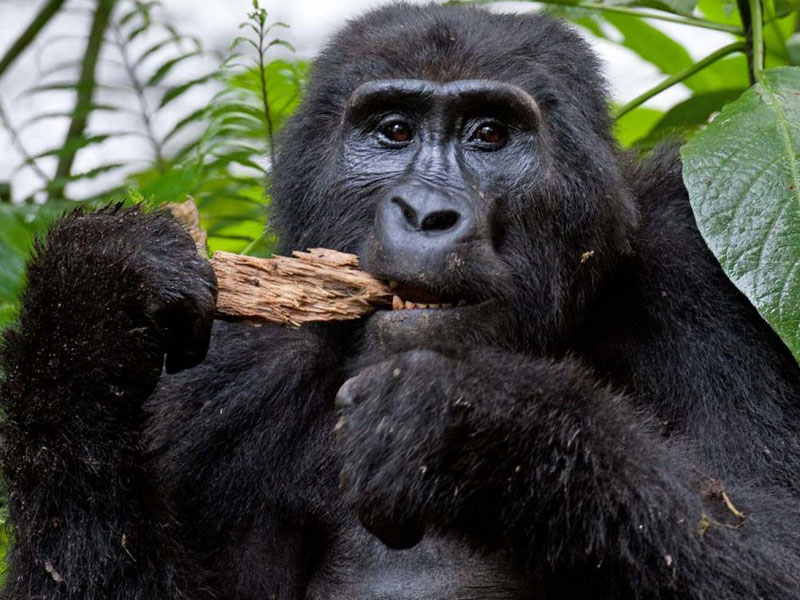
The day usually begins early with a transfer from the lodge to the correct Uganda Wildlife Authority briefing point.
Visitors register, present their permits and attend a compulsory orientation. Rangers explain forest behaviour, gorilla conservation and trekking regulations.
Trekkers are then divided into groups and assigned to habituated gorilla families. Where possible, assignments may consider mobility and general fitness, but this cannot eliminate the physical demands of forest trekking.
Each group enters the forest with trained guides and trackers. The route may cross muddy paths, thick vegetation, streams and steep hills.
The length of the search varies. A trek may be relatively short, or it may continue for several hours if the gorillas have moved deeper into the forest.
Once the gorilla family is located, visitors are normally allowed a limited observation period under the guidance of the ranger. The group must follow current Uganda Wildlife Authority instructions regarding distance, noise, photography and health.
The return hike begins after the viewing period. The complete activity may occupy much of the day, so no demanding road transfer should be scheduled immediately afterwards.
Uganda Gorilla Permit Information
Every visitor participating in a gorilla trek needs a valid permit for the correct date and sector. Permits are limited and can sell out during popular travel periods.
The Uganda Wildlife Authority tariff valid from July 2024 through June 2026 listed the foreign non-resident gorilla permit at USD 800. Since that tariff period has ended, travellers booking later dates must obtain the current official price rather than treating USD 800 as guaranteed.
A standard gorilla permit generally covers the authorized trekking activity, ranger services and applicable access associated with the trek. It does not normally include transport, accommodation, porter services, meals or personal equipment.
A tour operator can help with:
- Checking permit availability
- Identifying the assigned sector
- Reserving the permit
- Coordinating payment
- Booking nearby accommodation
- Planning the Queen Elizabeth connection
Visitors should provide correct passport information. Permit names, dates and identification requirements must be checked before confirmation.
Gorilla permits normally have strict cancellation and amendment conditions. Travellers should understand these rules before paying.
Gorilla Trekking Rules
The rules protect the gorillas from stress, disease transmission and harmful visitor behaviour.
Travellers must follow the current instructions given during the briefing. General requirements commonly include:
- Following the ranger’s directions
- Remaining with the assigned group
- Avoiding flash photography
- Keeping noise low
- Not eating near the gorillas
- Not touching the animals
- Maintaining the instructed distance
- Covering the mouth when coughing or sneezing
- Avoiding trekking when affected by an infectious illness
- Taking all rubbish out of the forest
The minimum trekking age must also be respected. Current UWA requirements should be confirmed before booking a family safari.
The gorillas may occasionally approach visitors. Trekkers should remain calm and follow the ranger rather than moving suddenly or attempting physical contact.
How Difficult Is Gorilla Trekking?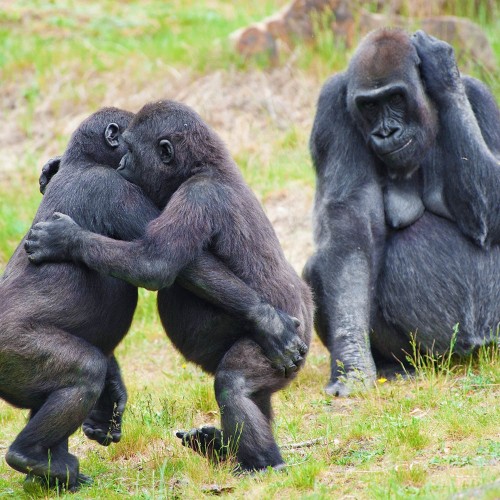
The difficulty depends on the gorillas’ location, rainfall, trail conditions, elevation and individual fitness.
Mountain gorillas move through their habitat in search of food and suitable resting areas. Their position cannot be known precisely when the day begins.
Some groups may be found close to the starting point. Others may require a longer hike through steep or muddy forest.
Travellers should prepare for a moderate to demanding outdoor activity. Regular walking before the trip can improve comfort and confidence.
A porter can carry a daypack and provide practical support on difficult sections. Hiring a porter also creates direct local employment.
Visitors with mobility concerns should discuss them with the tour operator before purchasing a permit. No specific trek can be guaranteed to be easy, but advance communication may help with planning.
What to Wear for Gorilla Trekking
Suitable clothing makes the experience safer and more comfortable.
Recommended items include:
- Lightweight waterproof jacket
- Long walking trousers
- Long-sleeved shirt
- Strong hiking boots
- Long socks
- Gardening or trekking gloves
- Hat
- Small backpack
- Reusable water bottle
- Insect repellent
- Sunscreen
- Camera without flash
- Waterproof protection for electronics
Trousers can be tucked into long socks to reduce exposure to insects and vegetation. Clothing should be comfortable and suitable for changing weather.
Avoid carrying an unnecessarily heavy bag. Pack drinking water, lunch where required, rain protection, essential medication and photography equipment.
Queen Elizabeth National Park Safari
Queen Elizabeth National Park is one of Uganda’s best-known wildlife destinations. It lies within the Albertine Rift and contains an exceptional variety of landscapes.
The Uganda Wildlife Authority describes the park as a highly diverse destination with savannah, wetlands, forests, crater areas and wildlife-rich waterways.
Its main safari areas include:
- Kasenyi Plains
- Mweya Peninsula
- Kazinga Channel
- Ishasha sector
- Crater lakes
- Kyambura area
- Maramagambo Forest
The park’s variety makes it an excellent companion to gorilla trekking in Bwindi.
Game Drives in Queen Elizabeth National Park
Game drives normally take place in the morning and late afternoon, when temperatures are cooler and wildlife may be more active.
The Kasenyi Plains are among the park’s most popular game-viewing areas. Uganda kobs are frequently associated with this region, and their presence can attract predators.
Possible sightings include elephants, buffaloes, lions, leopards, warthogs, waterbucks, hyenas and several antelope species.
A private safari vehicle allows travellers to stop for photographs and spend more time at interesting sightings. A pop-up roof improves visibility while keeping passengers inside the vehicle.
A knowledgeable driver-guide can interpret tracks, alarm calls and animal behaviour. The guide also communicates with other professionals while following park rules.
Wildlife remains unpredictable. A good safari focuses on the complete ecosystem rather than expecting a checklist of guaranteed animals.
Kazinga Channel Boat Safari
The Kazinga Channel connects Lake George and Lake Edward. It is one of Queen Elizabeth National Park’s most celebrated attractions.
A scheduled boat safari provides a different perspective from a game drive. Travellers can observe animals gathering near the water and watch waterbirds along the banks.
Commonly observed wildlife may include:
- Hippos
- Nile crocodiles
- Buffaloes
- Elephants
- Waterbucks
- Monitor lizards
- African fish eagles
- Kingfishers
- Cormorants
- Pelicans
- Storks
The cruise is particularly rewarding for photography because animals may be observed from the relative stability of the boat.
Departure times, capacity and fees should be confirmed in advance. Travellers should arrive at the designated boarding point early.
Use sun protection and carry a light rain jacket. Cameras and phones should be protected from water.
Ishasha Tree-Climbing Lions
The Ishasha sector in southern Queen Elizabeth National Park is internationally known for tree-climbing lions.
The lions are sometimes seen resting on the branches of large fig trees. Their unusual behaviour has become one of the most recognizable wildlife experiences in Uganda.
Sightings are never guaranteed. Lions may remain on the ground, move into thick vegetation or travel beyond the most accessible game-drive areas.
Ishasha is strategically positioned between the main Queen Elizabeth area and parts of Bwindi. It can therefore be incorporated into a transfer day.
Nevertheless, the sector deserves adequate time. Driving quickly through Ishasha merely to reach Bwindi reduces the chance of seeing wildlife.
In addition to lions, travellers may encounter topis, elephants, buffaloes, Uganda kobs, warthogs and several bird species.
Birdwatching in Queen Elizabeth National Park
Queen Elizabeth National Park is one of Uganda’s outstanding birdwatching destinations. UWA materials report more than 600 bird species across its varied habitats.
Birding locations include: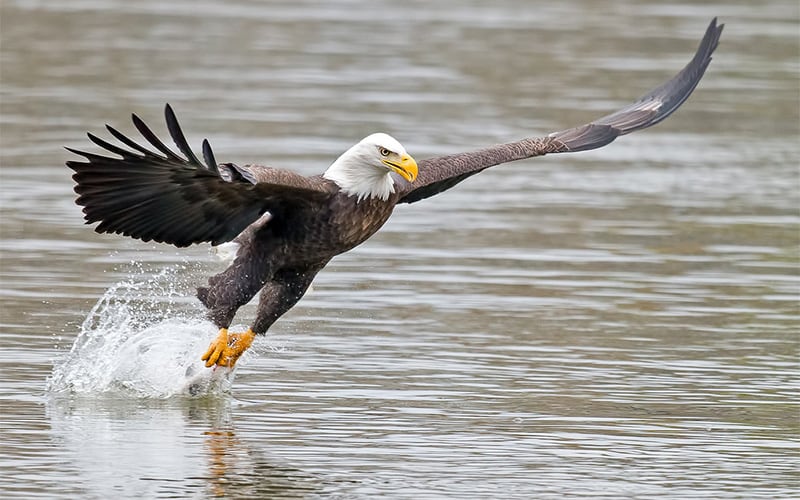
- Kazinga Channel
- Mweya Peninsula
- Kasenyi Plains
- Ishasha
- Crater lakes
- Maramagambo Forest
- Wetland areas
- Kyambura surroundings
Possible sightings include African fish eagles, kingfishers, pelicans, storks, cormorants, bee-eaters and numerous raptors.
A specialist birding guide can make the experience more productive. Birdwatchers should bring binoculars, a camera and an appropriate regional field guide.
Kyambura Gorge and Other Activities
Kyambura Gorge forms a striking forested landscape near Queen Elizabeth National Park. Guided primate activities may be offered under current park arrangements.
A Kyambura experience can complement gorilla trekking, but it should not be treated as a guaranteed wildlife encounter. Permit availability, activity times and access conditions must be confirmed.
Other possible activities around Queen Elizabeth include:
- Community visits
- Nature walks
- Crater-lake drives
- Salt-production experiences near Lake Katwe
- Birdwatching
- Cultural performances
- Guided wildlife research experiences
Not every activity operates daily. Confirm schedules when designing the itinerary.
Best Gorilla Trekking and Queen Elizabeth Safari Itineraries
The most suitable itinerary depends on the arrival point, available days and gorilla trekking sector.
Four-Day Gorilla Trekking and Queen Elizabeth Safari from Kigali
A four-day itinerary is possible but involves significant road travel.
Day 1: Kigali to Bwindi Impenetrable National Park
The journey begins with pickup from Kigali. Depending on the agreed itinerary, travellers may have a short city orientation before travelling towards the Rwanda–Uganda border.
After completing immigration formalities, continue to the confirmed Bwindi sector. Check in at the lodge, have dinner and prepare for the trek.
All cross-border permissions and vehicle documents should be arranged in advance.
Day 2: Gorilla trekking in Bwindi
After breakfast, transfer to the correct briefing centre. Complete the gorilla trek and return to the lodge.
The afternoon should remain flexible because the activity’s duration cannot be predicted.
If time and energy allow, an optional community experience may be arranged.
Day 3: Bwindi to Queen Elizabeth National Park
Travel from Bwindi towards Queen Elizabeth National Park. When the route passes through Ishasha, enjoy a game drive in search of tree-climbing lions and other wildlife.
Continue to the selected lodge for dinner and overnight accommodation.
Day 4: Game drive, Kazinga Channel and return
Begin with an early game drive before taking a boat safari on the Kazinga Channel, depending on the final schedule.
A same-day return to Kigali can be very long. In many cases, adding a fifth day creates a safer and more enjoyable itinerary.
Five-Day Gorilla Trekking and Queen Elizabeth Safari
Five days provide a better balance between activities and driving.
Day 1: Kigali or Entebbe to Bwindi
Travel to the confirmed Bwindi sector and settle into the lodge.
Day 2: Gorilla trekking
Complete the trek and spend a second night near the forest.
Day 3: Bwindi to Queen Elizabeth through Ishasha
Drive through the Ishasha sector and search for tree-climbing lions. Continue to the lodge.
Day 4: Queen Elizabeth game drive and boat safari
Enjoy an early morning game drive followed by an afternoon Kazinga Channel cruise.
Day 5: Departure
Return to Kigali, Entebbe or continue to another Uganda destination.
Six-Day Safari from Entebbe
Travellers arriving through Entebbe can follow a comfortable six-day route.
Day 1: Entebbe to Queen Elizabeth National Park
Leave early for western Uganda. Stop for lunch and scenic breaks before reaching the park area.
Day 2: Game drive and Kazinga Channel cruise
Explore the Kasenyi Plains in the morning and take a scheduled afternoon boat safari.
Day 3: Queen Elizabeth to Bwindi through Ishasha
Drive south through Ishasha, allowing time for wildlife viewing. Continue to the correct Bwindi sector.
Day 4: Gorilla trekking
Complete the trek and relax at the lodge.
Day 5: Bwindi to Lake Mburo or Mbarara
Break the return journey with an overnight stay.
Day 6: Return to Entebbe
Continue to Entebbe with suitable stops. Schedule an additional airport night when flight timing requires it.
Best Time for a Gorilla Trekking and Queen Elizabeth Safari
The safari can be arranged throughout the year. Each season brings different advantages and practical considerations.
Generally drier periods
Drier months often provide easier trekking trails and more manageable unsealed roads.
These periods can also attract higher demand. Gorilla permits and popular lodges should be booked early.
Dry weather does not eliminate rain in Bwindi. It is a tropical forest, so visitors should always carry waterproof clothing.
Wetter periods
Rainy periods produce green landscapes and atmospheric forest conditions. Some lodges may offer attractive rates, and certain travel dates may feel less busy.
The disadvantages include muddy trekking trails and more challenging road conditions. A suitable four-wheel-drive vehicle becomes particularly important.
Rainfall varies by location and year. Travellers should prepare for changing weather rather than depend on a strict seasonal pattern.
Accommodation for the Combined Safari
Both destinations provide budget, midrange and luxury accommodation.
Bwindi accommodation
Choose a lodge according to the permit sector. Important considerations include:
- Distance from the briefing point
- Road access
- Meal plan
- Hot water
- Electricity
- Laundry
- Views
- Porter or equipment assistance
Luxury forest lodges may offer spacious rooms, fireplaces, personalized service and exceptional views. Midrange properties balance comfort and value, while budget lodges provide simpler facilities.
Queen Elizabeth accommodation
Lodges are available around Mweya, Kasenyi, Kyambura and Ishasha.
A lodge near the northern park area is convenient for Kasenyi game drives and Kazinga Channel cruises. Ishasha accommodation is more suitable when tree-climbing lions and the Bwindi connection are priorities.
Check whether the lodge is inside or outside the national park. Location can influence park fees, gate times and morning departure schedules.
Transportation and Safari Vehicles
A reliable four-wheel-drive safari vehicle is recommended for the route.
Common options include:
- Toyota Land Cruiser
- Extended safari Land Cruiser
- Toyota Land Cruiser Prado
- Safari van for suitable routes and seasons
A well-designed safari vehicle should provide comfortable seating, seat belts, luggage space and good visibility.
For a guided safari, the driver-guide manages navigation and helps locate wildlife. Private transport also allows the itinerary to be adjusted according to road and weather conditions.
Self-driving is possible for experienced travellers, but they must understand park regulations, rental restrictions and the Bwindi sector system.
Gorilla Trekking and Queen Elizabeth Safari Cost
The total price depends on:

- Number of travellers
- Gorilla permit price
- Travel dates
- Safari duration
- Accommodation category
- Vehicle type
- Pickup location
- Boat cruise
- Park charges
- Optional activities
- Border-crossing costs
- Private or group arrangements
The gorilla permit is a major fixed expense. Accommodation and transport costs become more economical per person when shared by two or more travellers.
A quotation should clearly list what is included and excluded.
Typical inclusions may be:
- Private safari vehicle
- Professional driver-guide
- Fuel
- Airport or hotel transfers
- Accommodation
- Meals specified in the itinerary
- Gorilla permit
- Queen Elizabeth park entry
- Kazinga Channel cruise
- Game drives
- Bottled drinking water
Possible exclusions include:
- International flights
- Visas
- Travel insurance
- Tips
- Alcoholic drinks
- Personal shopping
- Laundry
- Porter services
- Optional activities
- Meals not listed
Request an updated, itemized quotation rather than relying on a generic online price.
Health and Safety
Consult a qualified medical professional about destination-specific health requirements well before travel.
Bring necessary prescription medication and carry it in your hand luggage. A basic personal first-aid kit is also useful.
During the safari:
- Drink safe water
- Use insect repellent
- Apply sunscreen
- Follow food-safety precautions
- Use seat belts
- Follow ranger instructions
- Avoid approaching wildlife
- Keep emergency contacts available
Visitors who are unwell should inform the tour operator. Respiratory and other infectious illnesses are particularly important because gorillas can be vulnerable to human diseases.
Frequently Asked Questions
How many days are needed?
A minimum of four days may work from Kigali, but five or six days provide a more comfortable experience. Travellers arriving through Entebbe should consider at least five or six days.
Can I see gorillas and tree-climbing lions on one safari?
Yes. Gorilla trekking in Bwindi can be combined with a visit to the Ishasha sector of Queen Elizabeth National Park. Gorilla encounters are managed through permits, while lion sightings remain natural and cannot be guaranteed.
Is gorilla trekking guaranteed after buying a permit?
A permit authorizes participation on a particular date and sector. Trackers work hard to locate the assigned habituated family, but wildlife experiences always take place in a natural environment.
Is the safari suitable for children?
Queen Elizabeth game drives and boat safaris can be suitable for families. Gorilla trekking has a minimum-age requirement, which must be confirmed before booking.
Do I need to be very fit?
You do not need to be an athlete, but the trek may involve steep, muddy or uneven terrain. General walking preparation is helpful.
Can I hire a porter?
Yes. Hiring a porter is strongly recommended. Porters carry bags, provide practical support and earn income through tourism.
Should I start from Kigali or Entebbe?
Kigali is often convenient for southern Bwindi sectors and short itineraries. Entebbe is ideal for travellers building a wider Uganda circuit. The best choice depends on flights, permit sector and total travel time.
Is the Kazinga Channel cruise worth including?
Yes. It provides excellent water-level wildlife viewing and complements land-based game drives.
Can I add chimpanzee trekking?
Yes. Possible options include Kyambura or a longer extension to Kibale National Park. Permits, travel time and activity schedules must be considered.
Book Your Gorilla Trekking and Queen Elizabeth Safari
Universal Ventures Rwanda organizes customized Uganda and Rwanda wildlife journeys, including gorilla trekking, Queen Elizabeth National Park, private transport, permits and cross-border itineraries.
When requesting a quotation, provide:
- Travel dates
- Number of travellers
- Preferred arrival airport
- Accommodation category
- Gorilla permit requirements
- Number of safari days
- Activities you want to include
- Dietary or mobility considerations
Contact Universal Ventures Rwanda
Universal Ventures Rwanda
Address: KN 15 Road, opposite the IPRC entrance, First Floor, Sangwa Plaza, Kigali, Rwanda
Telephone and WhatsApp: +250 781 441 853
Email: info@universalventuresrwanda.com
Website: www.universalventuresrwanda.com
A carefully planned Gorilla Trekking and Queen Elizabeth Safari brings together Uganda’s ancient rainforests, mountain gorillas, savannah wildlife, tree-climbing lions and the spectacular Kazinga Channel.