Uganda Gorilla Safari Travel Tips: Complete 2026–2027 Guide
A Uganda gorilla safari offers one of Africa’s most moving wildlife experiences. However, a successful trip requires good planning. You need a valid gorilla permit, suitable clothing, reliable transport, and the right lodge. In addition, you must choose a trekking sector that fits your travel route.
This complete guide shares practical Uganda gorilla safari travel tips for first-time and repeat visitors. It explains where to trek, when to travel, what to pack, and how to prepare. Moreover, it covers transport, visas, health advice, accommodation, photography, and responsible tourism.
Uganda offers gorilla trekking in two protected areas. These are Bwindi Impenetrable National Park and Mgahinga Gorilla National Park. Both parks lie in southwestern Uganda. Therefore, travellers can reach them from Entebbe, Kampala, or Kigali.
Bwindi is the larger and more popular destination. It has four main gorilla trekking sectors: Buhoma, Ruhija, Rushaga, and Nkuringo. Meanwhile, Mgahinga offers a quieter setting below the Virunga volcanoes. It also provides golden monkey tracking and mountain hiking.
Above all, planning should begin with the gorilla permit. Once the permit is confirmed, you can select your lodge and transport. This simple booking order prevents many common problems.
Essential Uganda Gorilla Safari Travel Tips
First, reserve your gorilla permit before paying for non-refundable flights. Gorilla permits have limited availability. Therefore, popular dates can sell out several months in advance.
Next, confirm your trekking sector before booking accommodation. Bwindi is a large forest, and its sectors are far apart. For example, a lodge near Buhoma may be several hours from Rushaga. As a result, choosing the wrong lodge can cause serious transport problems.
You should also spend the night near your briefing point. Gorilla trekking starts early in the morning. Therefore, travelling from Kampala, Entebbe, or Kigali on the same morning is not practical.
In addition, pack waterproof hiking boots, long trousers, gloves, and a light rain jacket. Rain can fall at any time in Bwindi or Mgahinga. Even during a dry month, forest paths may still be wet.
Finally, hire a porter during your trek. A porter carries your daypack and helps you on steep ground. Moreover, porter work supports people who live near the national parks.
Why Choose Uganda for Gorilla Trekking?
Uganda offers more than a short meeting with mountain gorillas. It combines primate trekking, game viewing, boat trips, cultural tours, and beautiful scenery. Therefore, travellers can enjoy several types of safari during one holiday.
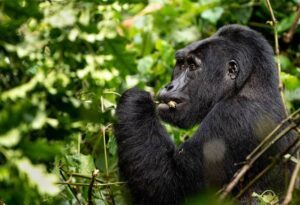
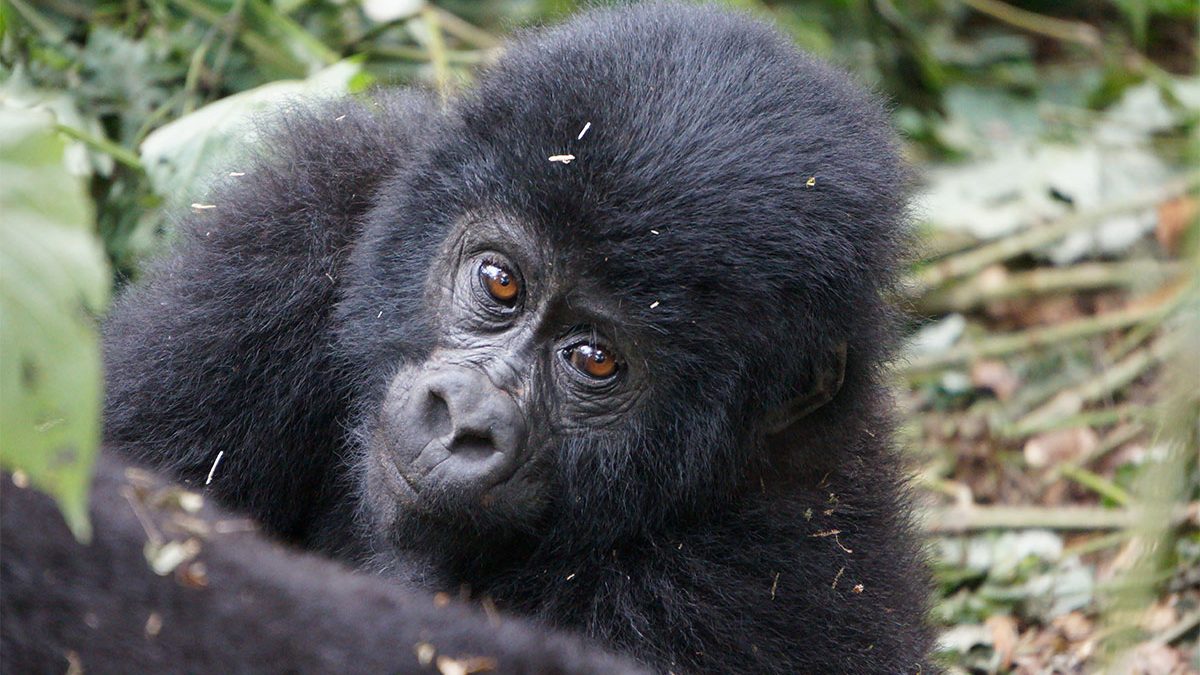
Bwindi Impenetrable National Park is famous for its mountain gorillas. However, the forest also protects birds, monkeys, butterflies, and many plant species. In addition, the steep hills and thick forest create a true adventure.
Mgahinga Gorilla National Park offers a different setting. The park lies below three Virunga volcanoes. As a result, it provides wide mountain views and beautiful bamboo forests. Visitors can also track golden monkeys or climb one of the volcanoes.
Uganda is also a good choice for a longer wildlife itinerary. For instance, you can combine Bwindi with Queen Elizabeth National Park. There, visitors can enjoy game drives and boat cruises on the Kazinga Channel.
Alternatively, you can add chimpanzee trekking in Kibale National Park. This route creates a complete Uganda primate safari. Lake Mburo and Murchison Falls can also extend the journey.
Another advantage is Uganda’s location. Travellers can begin the safari in Entebbe or Kampala. However, southern Bwindi and Mgahinga are also easy to reach from Kigali, Rwanda. Consequently, Uganda works well for both local and cross-border gorilla tours.
Where Can You See Gorillas in Uganda?
Uganda has two mountain gorilla trekking destinations. Both are managed by the Uganda Wildlife Authority. Nevertheless, they offer different landscapes and travel experiences.
Gorilla Trekking in Bwindi Impenetrable National Park
Bwindi Impenetrable National Park is Uganda’s main gorilla trekking area. The forest covers steep hills, deep valleys, rivers, and thick plants. Because the landscape changes from one area to another, every trek feels different.
The park has four main trekking sectors. These are Buhoma, Ruhija, Rushaga, and Nkuringo. Each sector has its own briefing office, accommodation, access roads, and gorilla families.
Therefore, travellers must know their assigned sector before selecting a lodge. A property described as “near Bwindi” may still be too far from the correct starting point.
Bwindi can be reached from Entebbe, Kampala, Kigali, Queen Elizabeth National Park, or Lake Mburo. However, driving times depend on your chosen sector. Road conditions and border procedures can also affect the journey.
Gorilla Trekking in Mgahinga Gorilla National Park

Mgahinga Gorilla National Park lies near Kisoro. Although it is Uganda’s smallest national park, it has rich wildlife and dramatic views.
The park forms part of the wider Virunga mountain area. Therefore, its scenery includes bamboo forest, mountain slopes, and volcanic peaks. On a clear day, the views can be excellent.
Mgahinga offers gorilla trekking with a limited number of daily permits. Consequently, early booking is important. The park also offers golden monkey tracking, birdwatching, nature walks, and volcano hiking.
Because Mgahinga is close to Rwanda, it works well for safaris from Kigali. Travellers can cross at Cyanika and continue toward Kisoro. From there, the drive to many lodges is short.
Understanding Bwindi’s Four Gorilla Trekking Sectors
Choosing the right Bwindi sector is a major part of safari planning. Although all four sectors offer gorilla trekking, each area has a different location and atmosphere.
Buhoma Gorilla Trekking Sector
Buhoma lies in northern Bwindi. It was the first area developed for gorilla tourism in Uganda. For this reason, it has a long tourism history and a wide choice of lodges.
Accommodation ranges from simple guesthouses to luxury forest lodges. In addition, Buhoma offers community walks, birdwatching, and forest activities. Travellers can therefore stay for more than one night without becoming bored.
Buhoma also connects well with the Ishasha area of Queen Elizabeth National Park. As a result, it is a good choice for visitors combining gorilla trekking with a wildlife safari.
However, Buhoma is not the closest sector to Kigali. The journey can be long, especially when border traffic or road conditions cause delays. Therefore, visitors starting in Rwanda should compare the route with Rushaga, Nkuringo, or Mgahinga.
Ruhija Gorilla Trekking Sector
Ruhija lies on the eastern side of Bwindi. It is known for its cool climate, forest views, and quiet setting. Moreover, the area offers excellent birdwatching.
Because Ruhija is at a high elevation, mornings can feel cold. Mist and rain are also common. Therefore, visitors should pack warm layers and waterproof clothing.
The roads leading to Ruhija may become slow during heavy rain. For that reason, a reliable four-wheel-drive vehicle is strongly recommended.
Ruhija has fewer lodges than Buhoma or Rushaga. Nevertheless, it offers good budget and midrange choices. Before booking, confirm the driving time between the lodge and the briefing office.
Rushaga Gorilla Trekking Sector
Rushaga lies in southern Bwindi. It is one of the most popular sectors for travellers arriving from Kigali. This is because the area is relatively close to the Rwanda–Uganda border.
The sector has several habituated gorilla families. In addition, Uganda’s gorilla habituation experience is usually connected with southern Bwindi.
Rushaga has many lodges. However, their standards and locations vary. Some are close to the briefing point, while others require a longer drive. Therefore, always request the exact distance before confirming your room.
Lake Mutanda and Kisoro are also within reach. Consequently, travellers can add canoeing, community activities, golden monkey tracking, or scenic relaxation.
Nkuringo Gorilla Trekking Sector
Nkuringo also lies in southern Bwindi. The area is famous for its steep hills and wide views. On clear days, visitors may see the Virunga volcanoes in the distance.
The terrain around Nkuringo can be demanding. However, this does not mean every gorilla trek will be difficult. Gorilla families move each day. Therefore, the walking time can never be predicted exactly.
Nkuringo works well with Rushaga, Kisoro, Lake Mutanda, and Mgahinga. As a result, it is a good base for a longer primate safari.
Several comfortable lodges operate in the area. Even so, visitors should check road access during the rainy season. A strong vehicle and an experienced driver remain important.
Bwindi or Mgahinga: Which Park Should You Choose?
Both parks offer real mountain gorilla encounters. Therefore, there is no single choice that suits every traveller.
Bwindi may be better if you want more permit options and a wider choice of lodges. It also offers four trekking sectors. In addition, Bwindi connects easily with Queen Elizabeth National Park.
Mgahinga may suit you if you prefer a smaller park and volcano scenery. Furthermore, the park offers golden monkey tracking. It is also easy to reach from Kisoro and Kigali.
Your final choice may depend on permit availability. For this reason, remain flexible when choosing dates. A good tour operator can compare both parks before building the itinerary.
Most importantly, do not choose a park only because you have heard that one trek is easier. Gorilla movements change daily. As a result, neither Bwindi nor Mgahinga can promise a short walk.
Uganda Gorilla Permits
A gorilla permit allows one person to join a gorilla trek on a fixed date. It also connects the traveller to a selected park or trekking area.
Uganda Wildlife Authority controls the permits. However, authorised tour operators can book them for clients. This makes the process easier, especially when accommodation and transport must match the permit.
Permit prices can change. In addition, different rates may apply to foreign non-residents, foreign residents, African citizens, and East African citizens. Special low-season rates may also be introduced for selected dates.
Therefore, always confirm the current price before making payment. Old websites may show expired rates.
Information Needed for a Gorilla Permit
To book a permit, the operator may request your full name, nationality, passport number, date of birth, and preferred trekking date. A clear passport copy may also be needed.
The details must match your passport. Therefore, check every name and number carefully. Even a small mistake can delay the booking process.
You should also provide alternative dates. Permit availability may change quickly. Consequently, flexibility increases your chance of securing a suitable trek.
When Should You Book Your Gorilla Permit?
For peak-season travel, book six to twelve months in advance when possible. June to September and December to February are popular periods. Christmas, New Year, and Easter can also become busy.
However, last-minute permits sometimes become available. A cancellation or date change may create a new opening. Even so, travellers should not depend on this possibility.
The best approach is to check the permit first. After that, confirm the lodge and other safari services.
Book the Permit Before Your Accommodation
The permit determines where you must report. Therefore, it should normally be booked before the lodge.
First, choose your possible travel dates. Next, check permit availability. Once the sector is confirmed, select accommodation near the correct briefing office. Finally, arrange transport and flights.
This order keeps the itinerary practical. Moreover, it reduces the risk of expensive changes later.
Permit Changes and Cancellations
Gorilla permits often have strict cancellation and rescheduling rules. In many cases, refunds are limited. Therefore, read the terms before paying.
Travel insurance may help with some covered emergencies. However, not every policy covers gorilla permits. For that reason, ask the insurer direct questions before buying the policy.
Standard Gorilla Trekking and Gorilla Habituation
Uganda offers standard gorilla trekking and a special gorilla habituation experience. Although both activities involve mountain gorillas, they are not the same.
Standard Gorilla Trekking
During a standard trek, rangers lead a small group into the forest. Trackers help locate a habituated gorilla family. Once visitors reach the gorillas, the official viewing period usually lasts up to one hour.
The complete trek can take a few hours or most of the day. This depends on the gorillas’ location, weather, terrain, and walking speed.
Standard trekking is suitable for most first-time visitors. Moreover, it costs less than the habituation experience.
Gorilla Habituation Experience
The gorilla habituation experience allows visitors to spend more time with a gorilla group that is becoming used to controlled human presence.
Because the gorillas are still adapting, they may move more often. They may also remain inside thick plants. Therefore, the experience does not always offer easier photography.
Nevertheless, habituation appeals to wildlife lovers and photographers. It also suits visitors who want more time in the forest.
The activity can be longer and more demanding than standard trekking. As a result, travellers should prepare for a full forest experience.
Best Time for a Uganda Gorilla Safari
Gorilla trekking is available throughout the year. However, weather conditions affect forest paths, road access, and visitor comfort.
June to September
June, July, August, and September are popular travel months. These months often receive less rain than the main wet seasons. Therefore, some forest paths may be drier.
However, Bwindi and Mgahinga are tropical mountain forests. Rain can still fall at any time. For that reason, you must carry waterproof clothing even during a dry month.
Demand is high in this season. Consequently, permits and popular lodges may sell out early.
December to February
December, January, and February can also offer relatively dry weather. As a result, these months are popular for gorilla trekking and wildlife safaris.
Christmas and New Year are especially busy. Therefore, book early if you plan to travel during the holiday period.
Daytime temperatures are often comfortable. Nevertheless, mornings near the forest may feel cold.
March to May
March, April, and May usually receive more rain. Forest paths can become muddy and slippery. In addition, some roads may become slower.
However, the landscape is green and beautiful. Visitor numbers may also be lower. As a result, travellers can enjoy a quieter atmosphere.
Some lodges may offer seasonal savings. Even so, a good four-wheel-drive vehicle remains essential.
October and November
October and November can also be wet. Nevertheless, weather patterns vary each year.
These months may suit birdwatchers and flexible travellers. The forest looks fresh, while fewer visitors may be present. Moreover, some accommodation providers offer better value.
Does Rain Cancel Gorilla Trekking?
Rain does not normally stop gorilla trekking. Rangers and trackers understand the forest conditions.
However, heavy rain can make the walk harder. Therefore, wear boots with good grip. You should also protect your camera and documents with waterproof bags.
How Difficult Is Gorilla Trekking?

The difficulty changes from one day to another. Sometimes the gorillas are close to the starting area. On other days, they move deeper into the forest.
A trek may include steep slopes, mud, roots, streams, and thick plants. Moreover, high elevation can make walking feel harder.
You do not need to be an athlete. However, basic fitness and good balance are helpful. Regular walking before the trip can also improve your confidence.
Preparing for the Trek
Begin taking regular walks several weeks before departure. If possible, include small hills and stairs. This will prepare your legs for uneven ground.
In addition, test your hiking boots before travelling. New boots can cause pain or blisters. Therefore, wear them several times at home.
You should also discuss health concerns with your doctor. This is especially important if you have heart, breathing, knee, or back problems.
Requesting a Suitable Trek
During the morning briefing, explain any mobility concerns to the rangers. They may consider fitness when forming groups.
However, an easy trek cannot be guaranteed. The gorillas move freely. Therefore, their location may change after the group allocation.
Be honest about your needs. That information helps the park team make a better decision.
Why Hiring a Porter Is Important
Hiring a porter makes the trek more comfortable. The porter can carry your water, packed lunch, camera equipment, and rain jacket.
In addition, the porter can offer a steady hand on steep or muddy ground. This support often becomes valuable after several hours of walking.
Even fit travellers should consider a porter. The forest can change quickly after rain. Moreover, a light bag can feel heavy during a long climb.
Porter work also creates income for nearby communities. Therefore, hiring one supports local families as well as your own comfort.
What to Wear for Gorilla Trekking
Wear light clothes that cover your arms and legs. Long trousers protect you from insects and sharp plants. Likewise, a long-sleeved shirt protects your arms.
Choose neutral colours such as green, brown, grey, or beige. These shades work well in the forest. However, avoid military-style camouflage clothing.
Waterproof hiking boots are essential. They should have good grip and ankle support. Trainers may become wet and slippery. Therefore, they are not the best option.
Gardening or trekking gloves are also useful. They protect your hands when you hold plants or touch the ground for balance.
Finally, carry a light waterproof jacket. A heavy winter coat is usually unnecessary. Instead, wear layers that you can remove as the day becomes warmer.
Gorilla Trekking Packing List
A small daypack is enough for the trek. Inside it, carry drinking water, a packed lunch, a rain jacket, and personal medicine. You should also take insect repellent, sunscreen, a camera, and a spare battery.
Protect your passport, permit details, phone, and camera with waterproof bags. Even if your backpack has a rain cover, moisture can still enter.
Your lodge will normally prepare a packed lunch. However, confirm this the evening before the trek. You should also carry enough water for several hours.
A walking stick can help with balance. Park teams or lodges often provide one. Nevertheless, ask before leaving your lodge.
Avoid carrying unnecessary items. Heavy equipment can reduce your enjoyment. Therefore, leave large bags and valuable jewellery at the lodge.
What Happens on Gorilla Trekking Day?
The day starts with an early breakfast. After that, your driver transfers you to the correct park office.
Carry your passport and permit information. Park staff may need to confirm your identity before the briefing.
Registration and Briefing
During registration, the park team checks visitor details. Rangers then explain the trekking rules and forest conditions.
Listen carefully to the briefing. Although many rules are simple, they protect both visitors and gorillas.
Afterward, the park team places visitors into groups. Fitness, age, and expected gorilla locations may influence the decision. However, the final route can still change.
Entering the Forest
A ranger guide leads the group into the forest. Meanwhile, trackers may already be searching for signs of the gorillas.
The walk may pass through farms, forest edges, bamboo, and thick plants. Depending on the route, you may cross streams or climb steep hills.
Take your time and communicate with the ranger. If you feel tired, say so early. Short breaks can make the trek more comfortable.
Meeting the Gorillas
As you approach the gorilla family, the ranger may ask you to leave your walking stick and food with the porter.
Keep your voice low. In addition, follow the ranger’s position instructions. Do not move away from the group to take a photograph.
You may see gorillas feeding, resting, grooming, or playing. A silverback may also watch the visitors. However, every encounter is different.
Returning to the Starting Point
After the viewing period, the group walks back through the forest. The return route may be shorter or longer.
Some trekking areas provide a certificate after the activity. You can then return to the lodge for lunch, a shower, and rest.
Avoid planning a very long transfer after the trek. You may finish early, but you may also return late. Therefore, a second night near the forest creates a better schedule.
Important Gorilla Trekking Rules
Mountain gorillas can catch some human illnesses. Therefore, visitors should not trek when they have a cold, fever, flu, or another infectious illness.
The standard minimum age is normally 15 years. This rule protects children and reduces risk during long forest walks.
While near the gorillas, maintain the distance directed by the ranger. Do not touch them, even if one moves closer.
Flash photography is not allowed. Therefore, turn off the flash before approaching the gorilla family.
Eating, drinking, and smoking are also not allowed near the gorillas. Instead, wait until the ranger identifies a safe place.
If you cough or sneeze, turn away and cover your mouth. Most importantly, follow every instruction from the ranger.
Health Advice for a Uganda Gorilla Safari
Visit a qualified travel-health professional before departure. The advice you need depends on your home country, health, travel route, and length of stay.
Yellow-Fever Vaccination
Uganda may require proof of yellow-fever vaccination. Therefore, check current entry rules before travelling.
Keep your vaccination certificate with your passport. In addition, carry a digital copy in case the original is lost.
Malaria Prevention
Malaria is present in Uganda. Therefore, discuss suitable preventive medicine with a health professional.
You should also use insect repellent and wear long clothes in the evening. Where available, sleep under a mosquito net.
However, medicine and mosquito nets do not replace professional advice. Follow the instructions given by your doctor or travel clinic.
Travel Insurance
Buy full travel insurance before the safari. The policy should cover medical care, emergency transport, cancellation, and lost luggage.
In addition, check whether it covers trekking and non-refundable gorilla permits. Some basic policies exclude these costs.
Read the conditions carefully. If anything is unclear, contact the insurance company before paying.
Uganda Visa and Entry Requirements
Many visitors need a visa before entering Uganda. Therefore, check the official Uganda electronic visa system before travelling.
The application may require passport details, travel dates, a photograph, and accommodation information. You may also need proof of onward travel and a yellow-fever certificate.
Your passport should have enough validity and blank pages. Because entry rules can change, confirm the requirements again shortly before departure.
Travellers visiting Uganda, Rwanda, and Kenya may consider an East Africa Tourist Visa. However, eligibility and entry conditions apply. Therefore, use official government information before applying.
Avoid unofficial websites that look like government portals. They may charge high service fees. Instead, use Uganda’s official immigration platform.
Reaching Bwindi and Mgahinga
There are three main ways to reach Uganda’s gorilla parks. You can drive from Entebbe or Kampala, fly from Entebbe, or travel by road from Kigali.
Driving From Entebbe or Kampala
The road journey from Entebbe or Kampala to Bwindi takes most of the day. Therefore, travellers should start early.
You can break the journey with stops at the Equator, local towns, or Lake Mburo National Park. As a result, the long drive becomes part of the safari experience.
A private vehicle offers more comfort and flexibility. Moreover, an experienced driver understands road conditions and suitable rest stops.
Flying From Entebbe
Domestic flights can reduce the travel time. This option works well for short or luxury safaris.
However, you still need a road transfer from the airstrip to your lodge. Therefore, the chosen airstrip must match your trekking sector.
Small aircraft may have strict baggage limits. Consequently, soft travel bags are often more practical than large suitcases.
Travelling From Kigali
Kigali is a good starting point for Rushaga, Nkuringo, and Mgahinga. The drive includes a Rwanda–Uganda border crossing.
Depending on the route, you may cross at Cyanika or Katuna. Border processing time can vary. Therefore, the itinerary should include enough time for immigration.
A three-day trip from Kigali offers comfortable timing. On the first day, travel to the gorilla park. Next, complete the trek and stay another night. Finally, return to Kigali on the third day.
Choosing a Safari Vehicle
A four-wheel-drive vehicle is the best choice for a Uganda gorilla safari. Roads near Bwindi and Mgahinga may become rough during rain.
The vehicle should have good tyres, enough luggage space, comfortable seats, and working seat belts. In addition, it should carry basic recovery equipment.
Your driver-guide should understand the route and border procedures. Moreover, the guide should know the location of your lodge and briefing office.
Before booking, ask whether the price includes fuel, guide costs, border charges, and airport transfers. This prevents unexpected fees later.
Choosing Accommodation Near the Gorilla Park
Uganda offers budget, midrange, luxury, and high-end gorilla lodges. However, location matters more than the lodge category.
A budget lodge may offer a simple room, meals, and friendly service. Meanwhile, a midrange lodge may provide larger rooms, private bathrooms, and better views.
Luxury lodges often include premium meals, personal service, fireplaces, or spa treatments. Nevertheless, even the finest lodge is inconvenient if it is far from your briefing point.
Before confirming, ask which trekking sector the lodge serves. Also ask about the driving time, road condition, meal plan, drinking water, and packed lunch.
In addition, explain any dietary needs before arrival. Remote lodges need time to prepare special meals.
Food and Drinking Water
Most gorilla lodges offer full-board stays. This normally includes breakfast, lunch, and dinner. On trekking day, the lodge usually provides a packed lunch.
Tell the lodge about allergies or dietary needs in advance. Vegetarian, vegan, gluten-free, and other meals may be available with notice.
Drink bottled or properly filtered water. Do not drink tap water unless the lodge confirms that it is safe.
Carry some snacks for long transfers. However, reduce plastic packaging where possible. Responsible waste management helps protect the forest area.
Money and Payments in Uganda
Uganda uses the Ugandan shilling. However, some tourism services accept US dollars.
Carry local money for small purchases, porter payments, and tips. In addition, keep emergency cash in a secure place.
Cards may work at larger hotels and lodges. Nevertheless, internet or payment systems can fail in remote areas. Therefore, do not depend entirely on card payments.
If you plan to pay in US dollars, carry clean and recent notes. Some businesses may reject old or damaged notes.
Always ask which payments are included in your package. Your written quotation should clearly show permits, accommodation, transport, meals, and activities.
Tipping During a Gorilla Safari
Tipping is appreciated, although it should reflect the service you receive.
You may tip your driver-guide, porter, ranger team, activity guides, and lodge staff. Some lodges have a shared tip box. Therefore, ask how tips are distributed.
The porter fee is separate from a tip. Pay the agreed amount first. Afterward, you may add a tip for good service.
There is no need to carry large amounts of cash into the forest. Instead, prepare small notes before trekking day.
Responsible Gorilla Tourism
Responsible travel protects gorillas and supports nearby communities.
First, follow all health and viewing rules. Human illness can affect mountain gorillas. Therefore, never hide symptoms from your guide.
Next, hire local porters and book genuine community activities. These services provide income for families near the park.
In addition, reduce plastic waste and carry a reusable water bottle where safe refills are available.
Always ask permission before photographing people. This is especially important in villages, schools, markets, and private homes.
Finally, use licensed tourism providers. A reliable operator follows permit procedures and park rules. Moreover, licensed operators are easier to verify.
Combining Gorilla Trekking With Chimpanzees

Uganda is an excellent primate destination. Therefore, many visitors combine gorilla trekking with chimpanzee tracking.
Kibale National Park is the country’s best-known chimpanzee destination. It also protects several other primate species.
A complete route can begin in Entebbe and continue to Kibale. After chimpanzee trekking, visitors travel to Queen Elizabeth National Park. Finally, the safari continues to Bwindi for gorilla trekking.
However, driving times between parks can be long. Therefore, avoid placing too many activities into one day.
Combining Bwindi With Queen Elizabeth National Park
Queen Elizabeth National Park is a popular addition to a Bwindi safari. The park offers game drives, birdwatching, crater views, and boat trips.
The Kazinga Channel boat cruise is a major highlight. Visitors may see hippos, elephants, buffaloes, crocodiles, and many birds.
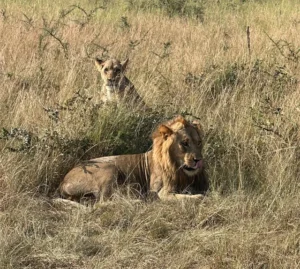
The Ishasha area lies between parts of Bwindi and central Queen Elizabeth National Park. It is known for lions that sometimes rest in trees.
However, wildlife sightings cannot be guaranteed. Therefore, enjoy the complete landscape rather than focusing on one animal.
Combining Gorillas With Lake Mburo
Lake Mburo National Park can break up the long journey between Entebbe and Bwindi.
The park offers game drives, boat trips, guided walks, and birdwatching. In addition, approved operators may offer horse riding or cycling.
Lake Mburo works well at the beginning or end of a Uganda safari. As a result, visitors avoid spending a full day inside the vehicle.
Golden Monkey Tracking in Mgahinga
Golden monkey tracking is an exciting addition to gorilla trekking. The monkeys live mainly in the bamboo forest.
Because golden monkeys move quickly, photography can be difficult. However, their active behaviour makes the experience enjoyable.
Wear the same type of clothes used for gorilla trekking. Waterproof boots, long trousers, gloves, and a rain jacket remain useful.
Golden monkey tracking is especially convenient for visitors staying near Kisoro or Mgahinga. Therefore, it can fit into a four-day safari from Kigali.
Cultural Experiences Near Bwindi and Mgahinga
Community visits can help travellers understand life around the national parks.
Activities may include village walks, traditional dance, coffee preparation, craft making, and food experiences. Some communities also share stories about their relationship with the forest.
Choose an experience that provides a fair benefit to local participants. Moreover, treat the hosts with respect.
Ask permission before taking photographs. In addition, avoid giving sweets or money directly to children. Instead, support an organised community project.
Three-Day Uganda Gorilla Safari From Kigali
On the first day, meet your driver-guide in Kigali. After a safari briefing, travel toward the Rwanda–Uganda border. Once immigration is complete, continue to Bwindi or Mgahinga.
The journey offers views of hills, farms, villages, and mountains. Later, arrive at your lodge and prepare for the trek.
On the second day, eat an early breakfast. Afterward, transfer to the briefing office. Join the ranger briefing and begin the gorilla trek.
Once the activity ends, return to the lodge. You can then rest, review your photographs, and enjoy dinner.
On the third day, travel back to Kigali. Depending on your flight time, the guide can take you to a hotel or Kigali International Airport.
Five-Day Uganda Gorilla and Wildlife Safari
A five-day itinerary can include Lake Mburo, Bwindi, and Queen Elizabeth National Park.
On the first day, travel from Entebbe to Lake Mburo. Enjoy a game drive or another park activity.
Next, continue to Bwindi and stay near your trekking sector. On the third day, complete the gorilla trek.
Afterward, travel to Queen Elizabeth National Park. Depending on the route, you may pass through Ishasha.
Finally, enjoy a game drive or Kazinga Channel cruise. You can then continue toward Kampala, Entebbe, or another destination.
Seven-Day Uganda Primate Safari
A seven-day trip allows better travel times. It can combine Kibale, Queen Elizabeth National Park, and Bwindi.
First, travel from Entebbe to Kibale. On the second day, join a chimpanzee trek.
Next, continue to Queen Elizabeth National Park. Enjoy a game drive and boat cruise before travelling toward Bwindi.
After a rest night, complete the gorilla trek. Finally, return to Entebbe or continue to Kigali.
This route offers forests, savannah wildlife, local culture, and beautiful scenery. Therefore, it is one of Uganda’s best short safari combinations.
Common Uganda Gorilla Safari Mistakes
One common mistake is booking a lodge before confirming the permit. This can place you in the wrong trekking sector.
Another mistake is travelling to the park on trekking morning. The drive is too long and unpredictable. Therefore, always sleep near the forest.
Some visitors also wear new hiking boots. Unfortunately, new shoes can cause blisters. Test your boots before the trip.
Packing too much is another problem. A heavy bag makes steep walking harder. Instead, carry only essential items and hire a porter.
Travellers may also choose the cheapest package without checking what it includes. A low price may exclude permits, meals, fuel, or park fees. Therefore, compare complete packages.
Finally, avoid planning a long transfer after the trek. Since the finishing time cannot be predicted, a second lodge night is safer.
Uganda Gorilla Safari Tips for Solo Travellers
Uganda can be a good destination for solo travellers. However, the trip should use reliable transport and confirmed accommodation.
A private safari offers flexibility and personal service. Nevertheless, solo travellers pay the full vehicle and room costs.
Joining a small group may reduce the price. Therefore, ask whether a shared departure is available.
Your operator should provide the driver’s contact details before arrival. In addition, airport pickup and border arrangements should be clear.
Uganda Gorilla Safari Tips for Couples
Couples can choose between budget, midrange, or luxury travel. A private vehicle usually gives the best flexibility.
Spend at least two nights near the gorilla park. This creates time to rest before and after the trek.
You may also add Lake Mutanda, a community visit, or golden monkey tracking. However, avoid making every day too busy.
For a honeymoon or special celebration, tell the lodge early. It may arrange a private dinner or room decoration.
Uganda Gorilla Safari Tips for Families
The standard minimum age for gorilla trekking is 15 years. Therefore, families with younger children need other activities.
Possible options include nature walks, lodge activities, craft sessions, and approved community visits. However, a responsible adult must supervise the children.
Confirm age rules before making payment. Never assume that an exception will be given.
Families should also choose a vehicle with enough space. Long drives become easier when children can sit comfortably.
Tips for Older Travellers
Many older travellers complete gorilla trekking successfully. However, honest preparation is important.
Choose a lodge close to the briefing point. In addition, allow enough rest before and after the trek.
Tell your operator about knee, back, breathing, or balance concerns. The park team should also receive this information during the briefing.
Hire a porter and use a walking stick. Moreover, walk at your own pace.
Although rangers may try to arrange a suitable group, they cannot control the gorillas’ movements. Therefore, every visitor should prepare for changing conditions.
Gorilla Photography Tips
Forest light can be low. Therefore, learn your camera settings before travelling.
Use a fast enough shutter speed to reduce blur. When necessary, increase the ISO rather than using flash.
Carry a spare battery and a lens cloth. In addition, protect your equipment from rain.
Avoid spending the entire encounter behind a camera. Instead, pause and watch the gorillas directly.
Respect other visitors. Do not block their view or move away from the ranger to find a better angle.
How Much Does a Uganda Gorilla Safari Cost?
The total price depends on the number of travellers, accommodation level, permit rate, route, and safari length.
A private trip costs more per person for a solo traveller. However, the cost per person usually falls when two or more people share the vehicle.
Domestic flights increase the price. Nevertheless, they save time and reduce long road journeys.
A complete quotation should show the gorilla permit, accommodation, transport, guide, meals, and listed activities. It should also explain what is not included.
Personal expenses, tips, visas, insurance, and optional activities are often excluded. Therefore, read the quotation carefully.
How to Choose a Uganda Gorilla Tour Operator
Choose a registered and reliable operator. First, ask for a detailed written itinerary.
The itinerary should name the park, trekking sector, lodge, vehicle, and included services. Moreover, it should explain payment and cancellation conditions.
Check recent reviews from more than one source. However, do not depend only on star ratings. Read what previous travellers say about communication, guides, vehicles, and problem-solving.
Be careful when a company promises impossible permit availability. Also avoid providers that refuse to give written booking details.
A trustworthy operator will answer questions clearly. In addition, the company will explain permit procedures before taking payment.
Frequently Asked Questions
Is gorilla trekking in Uganda safe?
Gorilla trekking is managed by trained park teams. Visitors enter the forest with armed or trained ranger guides, depending on the park arrangement. However, travellers must follow current park and travel advice.
Are gorilla sightings guaranteed?
Trackers monitor habituated gorilla families. Therefore, the chance of a sighting is high. Nevertheless, gorillas are wild animals, so an absolute guarantee is impossible.
How much time do visitors spend with the gorillas?
During a standard trek, visitors usually spend up to one controlled hour with the assigned gorilla family. However, the total forest activity may last much longer.
How long does the trek take?
The trek may take a few hours or most of the day. The gorillas’ location, terrain, weather, and group pace affect the duration.
Can I trek twice?
Yes, if permits are available. However, you need a separate permit for each day.
A second trek may offer a very different experience. For example, you may visit another gorilla family or trek in another sector.
Can I trek in both Bwindi and Mgahinga?
Yes. This combination works well for travellers with enough time. In addition, it can include Lake Mutanda and golden monkey tracking.
Can I trek during the rainy season?
Yes. Gorilla trekking operates throughout the year. Nevertheless, paths may be muddy and roads may become slower.
Do I need hiking experience?
You do not need professional hiking experience. However, you should feel comfortable walking on uneven ground.
Should I hire a porter?
Yes. A porter carries your bag and offers support on difficult ground. Moreover, hiring one benefits the local community.
Can I touch a gorilla?
No. Visitors must keep the distance directed by the ranger. If a gorilla moves closer, remain calm and follow instructions.
Can I use flash photography?
No. Flash photography is not allowed near mountain gorillas.
Is Bwindi easy to reach from Kigali?
Southern Bwindi is accessible from Kigali by road. However, the route includes border procedures. Therefore, allow enough travel time.
Do I need a four-wheel-drive vehicle?
A four-wheel-drive vehicle is strongly recommended. Roads near the parks can become rough, especially during rainy weather.
What should I wear?
Wear waterproof hiking boots, long trousers, a long-sleeved shirt, gloves, and a light rain jacket.
Is gorilla trekking ethical?
Well-managed gorilla tourism supports conservation, research, park operations, and nearby communities. However, visitors must follow health rules and viewing limits.
Final Uganda Gorilla Safari Travel Tips
A Uganda gorilla safari can become one of your most memorable journeys. However, the best experience begins with careful planning.
First, secure your gorilla permit. Next, confirm the correct trekking sector. Afterward, book a nearby lodge and reliable transport.
Pack light, but carry proper forest clothing. In addition, hire a porter and protect your camera from rain.
Most importantly, listen to the rangers. Their instructions protect you and the gorillas.
Avoid rushing the trip. Instead, spend one night near the park before trekking and another night afterward. This schedule allows time for delays, rest, and a more relaxed experience.
By following these Uganda gorilla safari travel tips, you can enjoy a smooth and responsible adventure. Moreover, you will help support gorilla conservation and nearby communities.
Plan Your Safari With Universal Ventures Rwanda
Universal Ventures Rwanda organises private and tailor-made gorilla safaris in Uganda and Rwanda. Our trips can begin from Kigali International Airport, a hotel in Kigali, Entebbe International Airport, Kampala, or another agreed location.
We can arrange Uganda gorilla permits, suitable accommodation, private four-wheel-drive transport, and professional English-speaking driver-guides. In addition, we organise Rwanda–Uganda border transfers, chimpanzee trekking, golden monkey tracking, wildlife safaris, and cultural experiences.
Whether you are travelling alone, as a couple, with family, or in a group, we can create an itinerary that matches your time and budget.
Universal Ventures Rwanda
Address: KK 15 Road, Kigali, Rwanda
Telephone/WhatsApp: +250 781 441 853
Email: info@universalventuresrwanda.com
Contact Universal Ventures Rwanda to plan a safe and well-organised Uganda gorilla safari.