Mountain gorilla trekking in Uganda offers one of Africa’s most moving wildlife experiences. Deep inside Bwindi Impenetrable National Park, travelers follow trained trackers through an ancient rainforest to meet a habituated mountain gorilla family. However, weather, trail conditions, permit availability, visitor numbers, and accommodation prices can influence the experience. Therefore, understanding the best time for gorilla trekking in Bwindi will help you plan a safer, smoother, and more rewarding safari.
The short answer is that Bwindi welcomes gorilla trekkers throughout the year. Nevertheless, the drier periods from June to September and December to February generally provide easier hiking conditions. During these months, the paths are often less muddy, rain showers tend to be shorter, and travel between Uganda’s national parks becomes more comfortable.
The wetter periods from March to May and October to November should not be overlooked. The forest becomes remarkably green, visitor numbers may fall, and photographers enjoy softer light and dramatic mist. Lodges may also offer more attractive rates. For travelers who do not mind rain, the green season can be an excellent time to visit.
This complete guide explains Bwindi’s seasons, weather, monthly conditions, trekking sectors, permits, packing requirements, accommodation choices, photography tips, and safari combinations. It will help you choose the right travel dates for your budget, fitness level, and interests.
Quick Answer: When Is the Best Time for Gorilla Trekking in Bwindi?
For most travelers, the best time for gorilla trekking in Bwindi is during either of Uganda’s two relatively dry seasons:
- June to September
- December to February
These periods usually provide firmer forest trails and more predictable road conditions. June, July, August, January, and February are especially popular. However, no season in Bwindi is completely dry. Bwindi is a tropical rainforest, so showers can occur at any time.
Travelers seeking fewer visitors, greener scenery, and possible lodge savings may prefer:
- March to May
- October to November
The choice depends on your priorities. Choose the dry season if easier hiking and road access matter most. Consider the wet season if you value lush scenery, quieter lodges, and a more peaceful atmosphere.
| Travel period | Typical conditions | Main advantage | Main consideration |
|---|---|---|---|
| December to February | Relatively dry and warm | Good trails and photography | Permits can sell quickly |
| March to May | Main rainy season | Green scenery and fewer visitors | Muddy, slippery trails |
| June to September | Long dry season | Most reliable trekking conditions | Peak demand and higher lodge occupancy |
| October to November | Short rainy season | Fewer crowds and dramatic forest views | Frequent afternoon showers |
Understanding Bwindi Impenetrable National Park
Bwindi Impenetrable National Park lies in southwestern Uganda along the Albertine Rift. It protects approximately 32,000 hectares of exceptional forest habitat and became a UNESCO World Heritage Site in 1994. UNESCO recognizes the park for its biological richness, including more than 160 tree species, over 100 fern species, many birds, butterflies, and endangered mammals. UNESCO describes Bwindi’s outstanding biodiversity.
The forest spreads across steep ridges, valleys, streams, and thick vegetation. Elevations vary greatly, which creates different habitats and local weather conditions. One part of the park may receive sunshine while another experiences mist or rain.
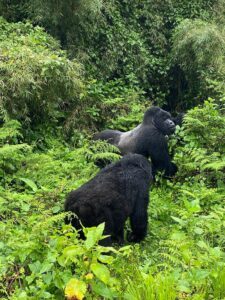
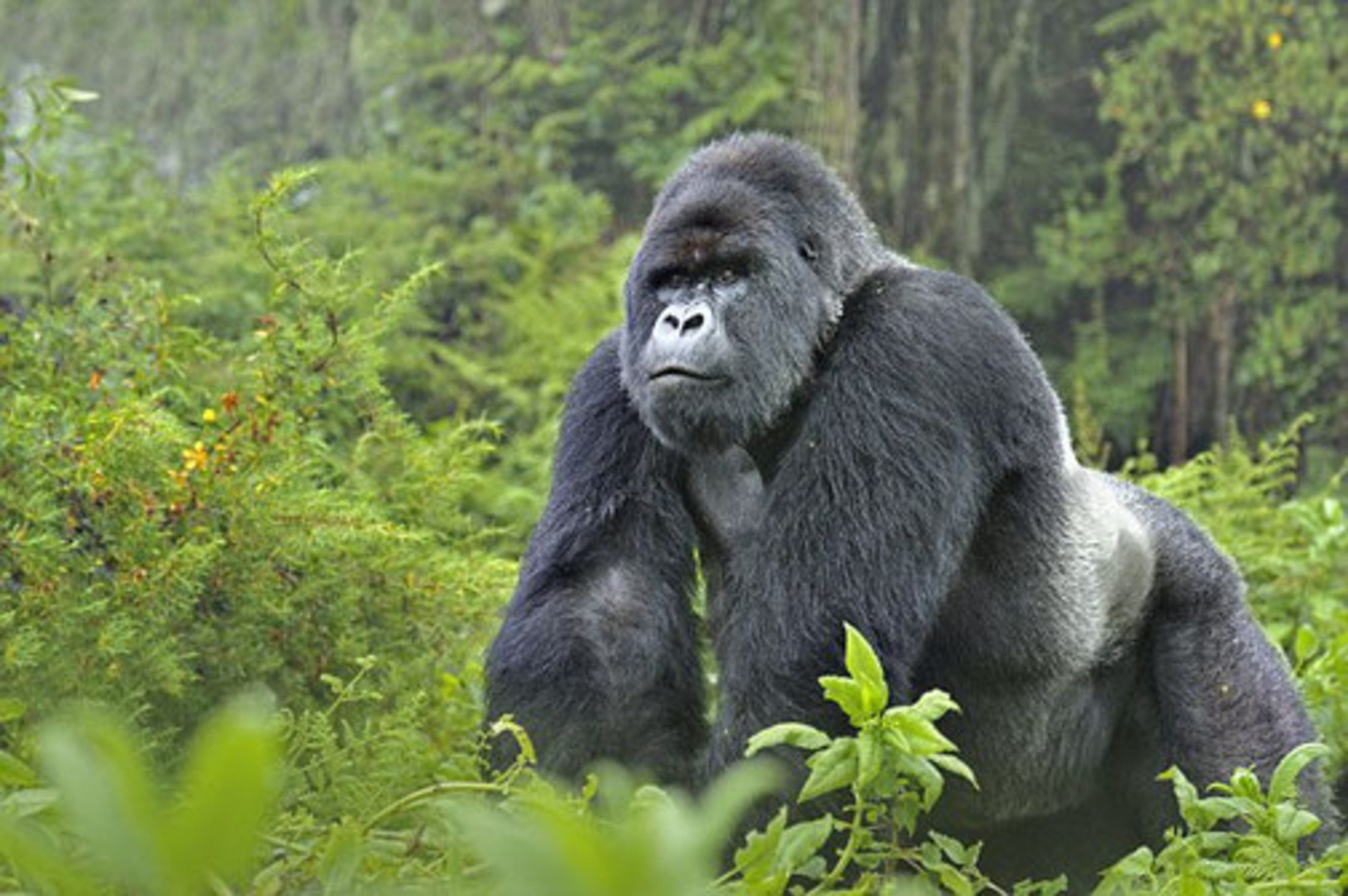
Bwindi is best known for protecting roughly half of the world’s mountain gorillas. The Uganda Wildlife Authority currently divides gorilla trekking operations among four main sectors: Buhoma, Ruhija, Rushaga, and Nkuringo. Uganda Wildlife Authority’s gorilla-tracking information.
Each sector has its own lodges, gorilla families, road connections, and landscape. Consequently, choosing the right sector is almost as important as selecting the right month.
Why Timing Matters for a Bwindi Gorilla Safari
Gorilla trekking takes place throughout the year, and rain does not automatically cancel a trek. Still, your travel month can affect several parts of the safari.
First, rain changes the condition of the forest paths. During dry periods, trails may remain relatively firm. During the rainy season, slopes can become muddy and slippery. Streams may rise, and thick plants can hold water long after a shower ends.
Second, demand changes from season to season. Gorilla permits and well-located lodges receive greater demand during the dry months, Christmas holidays, Easter period, and European summer holidays. Travelers who want specific dates or luxury lodges should book well ahead.
Third, the season affects photography. Dry months may offer clearer skies and more direct light. Rainy months provide rich green backgrounds, mist, and softer forest light. Both conditions can produce beautiful images, but they require different camera settings and protection.
Finally, the month influences the wider safari. If you plan to combine Bwindi with Queen Elizabeth National Park, Kibale Forest, Lake Mburo, Akagera, or Volcanoes National Park, road conditions and wildlife viewing patterns also matter.
Best Time for Gorilla Trekking in Bwindi During the Dry Season
Gorilla Trekking from June to September
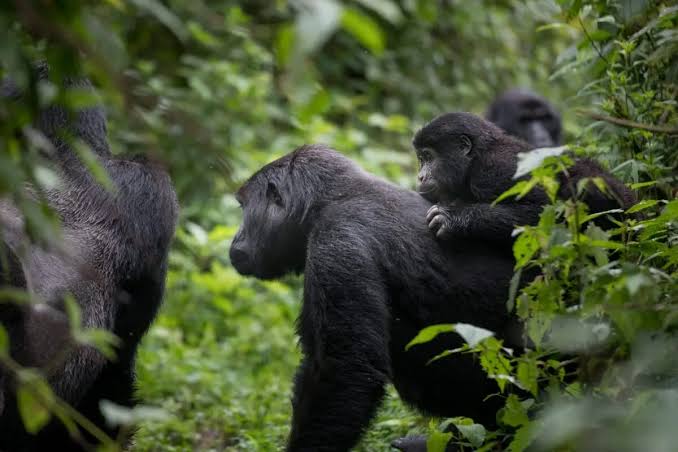
June to September represents Uganda’s longest relatively dry period. Many visitors consider it the best time for gorilla trekking in Bwindi because the trails often contain less mud than they do during the main rainy season.
June marks the transition from the long rains into drier conditions. The forest remains green, yet paths gradually become firmer. This combination makes June attractive for photographers and hikers.
July and August are among the busiest months. They match summer holidays in Europe and North America, so gorilla permits, guides, vehicles, and popular lodges can fill early. in Europe and North America, The weather is often favorable, but travelers should not expect an empty forest or last-minute availability.
September can also provide excellent trekking conditions. Rain may begin to increase toward the end of the month, although conditions vary from year to year.
The dry season does not mean that Bwindi receives no rain. It remains a rainforest. A sudden shower may arrive even on a bright morning. Therefore, every trekker should carry a waterproof jacket and protect cameras, documents, and phones.
Gorilla Trekking from December to February
December to February forms Bwindi’s shorter dry season. It provides another popular window for gorilla tours in Uganda.
December can be busy, particularly around Christmas and New Year. Families, couples, photographers, and international tour groups often travel during this period. Lodges near Buhoma, Rushaga, Ruhija, and Nkuringo may reach high occupancy.
January usually offers pleasant trekking conditions. The holiday crowds begin to reduce after the first week, making the middle and end of January particularly appealing.
February is often warm and relatively dry. However, rain can increase as March approaches. Travelers who want favorable weather without the highest Christmas demand may find February a strong choice.
Advantages of Dry-Season Gorilla Trekking
The dry months provide several practical benefits. Trails are generally less saturated, which may make steep sections easier to manage. Road transfers also tend to be smoother, especially on the final unpaved roads leading toward certain lodges and park offices.
Photography equipment is easier to protect when rainfall is limited. Clearer morning conditions may also improve views across Bwindi’s ridges and nearby farmland.
In addition, the dry season works well for a longer Uganda wildlife safari. Visitors can combine gorilla trekking with tree-climbing lions in the Ishasha area, boat trips on the Kazinga Channel, chimpanzee trekking in Kibale, or game drives in Lake Mburo National Park.
However, the dry season has disadvantages. Demand for permits rises, popular accommodation becomes less flexible, and room rates may be higher. Travelers should reserve early rather than assuming that dry-season permits will remain available.
Best Time for Gorilla Trekking in Bwindi During the Rainy Season
Gorilla Trekking from March to May
March to May is usually Bwindi’s main rainy season. April often receives particularly frequent rainfall, although exact patterns can change.
Rain does not continue every minute of the day. A morning may begin with sunshine before clouds develop later. Alternatively, rain may fall overnight and leave the forest wet at the start of the trek.
The main challenge is not always rain falling during the hike. Wet ground, mud, exposed roots, and slippery slopes may remain after the rain stops. Trekkers should wear boots with strong grip and use a walking stick supplied at the briefing point.
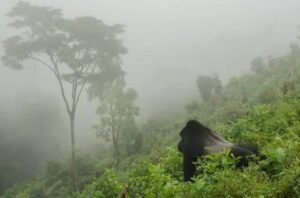
Despite these challenges, the wet season has real advantages. The vegetation appears fresh and vibrant. Clouds and mist create an atmospheric background, while fewer visitors may produce a quieter experience at lodges and park offices.
March can be a good compromise because the heavier rains may not have fully developed. April is normally better suited to adventurous travelers who accept wet trails. May begins the transition toward the drier months, especially later in the month.
Gorilla Trekking in October and November
October and November make up Bwindi’s shorter rainy period. Rainfall becomes more frequent, but conditions can vary greatly.
October often combines warm conditions with afternoon showers. November may receive heavier or more regular rain. Nevertheless, gorilla trekking continues, and visitors still have a high chance of meeting their allocated habituated family.
This period can suit travelers who prefer a quieter safari. Permit availability may be better than in July, August, or late December. Lodges may also have more room choices.
Photographers often enjoy the deep green vegetation and mist. However, waterproof camera protection becomes essential. A rain cover, dry bag, spare cloth, and lens hood can make a large difference.
Advantages of Wet-Season Gorilla Trekking
The green season presents Bwindi at its most dramatic. Water drops cover giant leaves, clouds move through the valleys, and the forest feels exceptionally alive. Bird activity can also be rewarding, especially for visitors who combine gorilla trekking with guided forest walks.
Lower visitor numbers may create a calmer atmosphere around some lodges. Travelers may find better accommodation availability and occasional seasonal offers. Tour operators can sometimes arrange the journey with more flexibility than during peak months.
In certain conditions, gorillas may remain closer to lower feeding areas when food is widely available. However, this is never guaranteed. Gorilla families move naturally, and neither the season nor the sector can promise a short walk.
The main disadvantage remains the condition of the paths. Mud increases the physical effort, especially on steep slopes. Hiring a porter becomes particularly valuable during the wet season.
Month-by-Month Guide to Gorilla Trekking in Bwindi
Gorilla Trekking in January

January is one of the strongest months for a Bwindi gorilla safari. Conditions are often relatively dry, and forest paths may be easier than during the long rains.
The first week may remain busy because of New Year travel. Demand usually begins to ease later in the month. Therefore, mid-January can offer a useful balance between favorable weather and moderate visitor numbers.
Morning temperatures can feel cool, especially in Ruhija and Nkuringo. Bring a light fleece along with your waterproof jacket.
Gorilla Trekking in February
February is warm, relatively dry, and popular with wildlife travelers. The paths are often manageable, while the surrounding countryside remains attractive.
Rain may increase near the end of the month. However, February still ranks among the most reliable choices for trekking. It is also a good month for combining Bwindi with Queen Elizabeth National Park or Lake Mburo.
Permits should still be reserved early, especially for travelers who need a particular sector.
Gorilla Trekking in March
March signals the beginning of the longer rainy season. Early March may still provide several dry days, while showers often become more frequent as the month progresses.
This month works well for travelers who want fewer crowds without choosing the wettest part of the year. Waterproof clothing and good boots remain essential.
Gorilla Trekking in April
April is often one of Bwindi’s wettest months. Trails may become muddy, and road transfers can take longer.
However, April offers intense green scenery and fewer visitors. Travelers who prepare correctly can still enjoy an unforgettable gorilla encounter. Staying close to the correct park office is especially important because early-morning transfers on muddy roads can be difficult.
Gorilla Trekking in May
Rain commonly continues through May, but conditions may improve toward the end of the month. The forest remains green and photogenic.
Late May can be a smart period for travelers with flexible schedules. It sits between the rainy season and the popular June-to-August period. Still, weather patterns are never exact, so visitors must pack for rain.
Gorilla Trekking in June
June begins one of Bwindi’s most popular travel seasons. Rainfall often reduces, while the forest remains green after the long rains.
Trails usually become firmer as the month progresses. June also works well for a Uganda safari that includes gorillas, chimpanzees, game drives, and boat cruises.
Because demand rises, visitors should secure permits and accommodation several months in advance.
Gorilla Trekking in July
July is widely regarded as one of the best months for gorilla trekking in Uganda. It usually brings relatively dry conditions and easier road access.
However, July is also a peak travel month. Permits may sell out, while the most convenient lodges can reach full occupancy. Early planning is essential.
Although July is relatively dry, rain protection is still necessary. Bwindi creates its own local weather, and showers can develop quickly.
Gorilla Trekking in August
August provides similar advantages to July. It is popular with families and international holidaymakers. Therefore, travelers should avoid relying on last-minute availability.
The weather is often favorable for trekking, birding, community visits, and wider safari activities. Roads generally remain more manageable than during the wettest months.
Gorilla Trekking in September
September can deliver excellent conditions, particularly during its first half. Visitor demand may begin to decline after the European summer holidays.
Rainfall can increase later in the month as the short rainy season approaches. Even so, September remains a strong choice for travelers seeking good weather with slightly less peak-season pressure.
Gorilla Trekking in October
October is part of the short rainy season. Showers become more regular, while the forest turns deep green.
Fewer visitors may make permits and accommodation easier to arrange. The month is attractive to photographers who enjoy mist, clouds, and rich natural colors.
Gorilla Trekking in November
November often receives substantial rainfall. Trails can become slippery, so proper boots, gaiters, gloves, and porter support are useful.
This is not the easiest month for trekking. Nevertheless, it can reward well-prepared visitors with peaceful lodges, dramatic landscapes, and excellent green-season photography.
Gorilla Trekking in December
Rain commonly begins to ease in December. The second half of the month becomes busy because of Christmas and New Year travel.
December offers good conditions for families and travelers combining Uganda with Rwanda, Kenya, or Tanzania. However, permits and rooms around the holidays should be confirmed far in advance.
Best Months for Different Types of Travelers
Best Time for First-Time Gorilla Trekkers
First-time visitors may prefer June, July, August, January, or February. These months generally offer easier trail conditions and more reliable road access.
A first-time trek can still be physically demanding. The gorillas may be close to the trailhead, or they may have moved deeper into the forest. A dry month does not guarantee a short walk.
Best Time for Senior Travelers
Senior travelers often benefit from the relatively dry months. Firmer paths can reduce the difficulty caused by mud.
Age alone does not determine trekking ability. Travelers should discuss mobility needs with their tour operator before permits are assigned. Porters, walking sticks, and additional support can improve comfort.
Park staff normally consider visitors’ fitness when allocating gorilla families. However, no operator can guarantee the easiest route because the gorillas move freely.
Best Time for Gorilla Photography
June to September and December to February offer a greater chance of dry equipment and brighter light. In contrast, March to May and October to November create greener backgrounds and atmospheric mist.
Forest photography always involves low light and strong contrast. A camera that performs well at higher ISO settings is helpful. Photographers should avoid flash and follow every instruction given by the ranger guide.
Best Time for Budget-Conscious Travelers
March, April, May, October, and November may offer better lodge availability and seasonal promotions. The gorilla permit itself normally follows the official UWA tariff rather than changing according to the season.
Budget travelers should compare the full safari cost. A cheaper lodge located far from the correct trekking office may create extra transport costs or an unsafe early-morning journey. Location matters more than a small difference in room price.
Best Time for Honeymoon and Luxury Travel
January, February, June, and September offer a useful combination of favorable weather and attractive scenery. Luxury travelers should reserve early because high-end lodges have limited rooms.
The wet season can also suit couples who value privacy and do not mind rain. A lodge with fireplaces, forest views, strong service, and covered common areas can make a green-season stay especially comfortable.
Best Time for Birdwatching and Gorilla Trekking

Bwindi protects a remarkable variety of birds, including Albertine Rift endemics. Birding can remain productive throughout the year, while wetter months may bring abundant food and active forest life.
Ruhija is particularly well known among birdwatchers. Visitors can combine a gorilla trek with guided birding along forest edges and selected trails.
Which Bwindi Trekking Sector Should You Choose?
Buhoma Sector
Buhoma lies on Bwindi’s northern side and was the first area in Uganda to offer organized gorilla tourism. It has a wide selection of budget, midrange, and luxury accommodation.
Buhoma works well for travelers arriving through Queen Elizabeth National Park’s Ishasha area. This route allows visitors to combine gorilla trekking with a search for tree-climbing lions.
The area also offers forest walks, community experiences, craft shops, and cultural activities. Because of its history and lodge selection, Buhoma remains highly popular.
Ruhija Sector
Ruhija sits on Bwindi’s eastern side at a relatively high elevation. Mornings and evenings can feel cold, while mist is common.
The sector appeals to trekkers who enjoy dramatic mountain scenery and birdwatching. It can also connect conveniently with Kabale and parts of Queen Elizabeth National Park.
Travelers should pack warm layers. Even in the drier months, temperatures at breakfast and during the briefing may feel chilly.
Rushaga Sector
Rushaga lies in southern Bwindi and serves several habituated gorilla families. It is accessible from Kisoro and can be reached from Kigali through the Rwanda–Uganda border, subject to current immigration requirements.
Rushaga is also associated with Uganda’s gorilla habituation experience. This activity differs from a standard trek and requires its own permit.
The sector contains many lodges across different price levels. However, travelers must confirm the exact distance between the lodge and the briefing point.
Nkuringo Sector
Nkuringo stands in the southern part of Bwindi and offers impressive views across rugged hills. The landscape is beautiful, but some trekking routes can be physically demanding.
Visitors who enjoy hiking and dramatic scenery often appreciate Nkuringo. Strong footwear and porter support are highly recommended.
Nkuringo can connect with Kisoro, Lake Mutanda, and Rushaga. It can also form part of an itinerary beginning or ending in Kigali.
Does the Season Affect Gorilla Sightings?
Gorilla trekking in Bwindi offers a strong chance of meeting a habituated gorilla family throughout the year. Trackers monitor the families’ movements and begin their work early.
Nevertheless, gorillas are wild animals. Their location changes as they search for food, rest, and move through their home range. Some treks last a short time, while others continue for several hours.
Rainfall may influence vegetation and food distribution, but it does not create a simple guarantee. A wet-season trek can be short or long. The same applies during the dry season.
The most important factors are the family’s recent movements, terrain, vegetation, and the starting point chosen by the tracking team.
Bwindi Gorilla Permit Planning
Every visitor needs a valid permit for a scheduled date and trekking sector. Permits are limited because only a controlled number of people may visit each habituated family each day.
The official UWA tariff covering July 2024 through June 2026 listed a standard permit at USD 800 for a foreign non-resident, USD 700 for a foreign resident, USD 500 for a resident of the rest of Africa, and UGX 300,000 for an East African citizen. Because that tariff period has ended, travelers planning from July 2026 onward should confirm the new price directly with UWA or a licensed operator before publishing or paying. UWA lists tariff updates and official contacts on its rates page.
A standard permit generally covers:
- Entry to Bwindi on the trekking day
- Ranger guide services
- Gorilla tracking
- One controlled viewing period after the family is found
- A community development contribution
It does not normally include accommodation, private transportation, porter services, meals, visas, travel insurance, or personal expenses.
Permits are date-specific. They may also be connected to a particular sector. Therefore, visitors should not book a non-refundable lodge before confirming where the trek will begin.
How Early Should You Book a Gorilla Permit?
For June through September and late December, booking six to twelve months ahead is sensible. Travelers with fixed dates, larger groups, or specific lodge preferences should plan as early as possible.
During March, April, May, October, and November, availability may be more flexible. However, permits can still sell out on particular days.
A permit should only be considered secured after the reservation has been confirmed and the required payment has been completed. Verbal availability can change quickly.
Standard Gorilla Trekking Versus Gorilla Habituation
A standard gorilla trek allows visitors to track an established habituated family. After the group is located, guests normally receive one controlled hour in its presence, subject to official rules and the rangers’ judgment.
The gorilla habituation experience offers a longer field experience with a family undergoing the gradual habituation process. It is available only in designated areas and requires a more expensive permit.
Habituation is suitable for serious wildlife enthusiasts and photographers who want more observation time. However, it may involve a longer and more demanding day.
Before booking, travelers should confirm current availability, location, viewing duration, and permit price with UWA or a licensed tour operator.
What Happens on the Gorilla Trekking Day?
The day begins early. Guests usually eat breakfast before traveling to the relevant park office. The briefing normally covers forest safety, gorilla etiquette, group allocation, and expected trail behavior.
Rangers then divide visitors into trekking groups. Allocation may consider fitness, age, mobility, and the gorilla families’ known locations. After the briefing, each group leaves with ranger guides and trackers.
The hike can cross farmland, forest edges, streams, thick vegetation, and steep slopes. Trackers search for signs such as feeding remains, nests, and recent movement.
Once the family is located, the ranger explains how to approach. Visitors must remain calm, keep the required distance, avoid sudden movement, and follow instructions.
After the viewing period, the group returns to the trailhead. The full activity may take a few hours or most of the day.
Gorilla Trekking Rules and Responsible Conduct
Gorilla tourism depends on strict rules because mountain gorillas remain vulnerable to disturbance and human illness. Visitors must attend the briefing and follow the ranger’s directions.
General responsible practices include maintaining the instructed distance, keeping voices low, avoiding flash photography, and never touching a gorilla. Visitors should not eat or drink close to the family.
Anyone who feels unwell must inform the guide before the trek. Gorillas share biological similarities with humans and can be vulnerable to respiratory infections.
Visitors should also remain within their assigned group. Running, surrounding an animal, blocking its path, or attempting a close selfie can create unnecessary risk.
Official guidelines can change. Always follow the current rules given by the Uganda Wildlife Authority and the ranger team on the day.
What to Wear for Gorilla Trekking in Bwindi
Correct clothing matters in every month. Bwindi contains thorny plants, insects, damp vegetation, and uneven ground.
Wear lightweight, breathable clothing that covers your arms and legs. Long trousers help protect the legs from plants and insects. A long-sleeved shirt provides similar protection for the upper body.
Choose waterproof hiking boots with strong ankle support and a reliable sole. Ordinary trainers may struggle on muddy slopes.
Gardening-style gloves are useful when you need to steady yourself on branches or vegetation. Gaiters help keep mud, water, and small insects away from your socks.
Carry a light waterproof jacket even during the dry season. A hat, fleece, and spare socks can also improve comfort.
Essential Gorilla Trekking Packing List
A small waterproof daypack should hold the items needed during the hike. Avoid carrying an unnecessarily heavy bag.
Useful items include:
- Waterproof hiking boots
- Long trousers and a long-sleeved shirt
- Lightweight rain jacket
- Gardening or trekking gloves
- Gaiters
- Warm fleece
- Refillable water bottle
- Packed lunch when supplied by the lodge
- Camera with charged batteries
- Waterproof camera cover or dry bag
- Sunscreen
- Insect repellent
- Personal medication
- Passport or required identification
- Permit information when requested
Ask a porter to carry the main daypack. This reduces fatigue and provides direct income to people from communities around the park.
Fitness Preparation for Bwindi Gorilla Trekking
You do not need to be a professional athlete. However, regular walking before the safari can make the day more comfortable.
Bwindi’s terrain includes hills, roots, steps, mud, and thick forest. Practice walking on uneven ground if possible. Comfortable boots should be worn several times before the trip.
Travelers with mobility concerns should tell their operator in advance. This allows the team to request suitable allocation, organize enough porters, and plan appropriate support.
No ethical operator should promise a short or completely easy trek. Gorilla families move, so conditions cannot be guaranteed.
Why Hiring a Porter Is Recommended
Hiring a porter is one of the simplest ways to improve the trekking experience. A porter can carry water, lunch, rain gear, and camera equipment. They can also offer a steady hand on difficult sections.
Porters come from nearby communities, so the service creates local employment linked to conservation tourism. Hiring one supports both personal comfort and community participation.
Even fit travelers benefit from porter assistance. A gentle trail can become demanding after rain, while a light bag may feel heavy after several hours.
Getting to Bwindi Impenetrable National Park
Driving from Kampala or Entebbe
The road journey from Kampala or Entebbe usually requires most of a day. The exact duration depends on traffic, weather, road works, the chosen sector, and rest stops.
Many itineraries include an overnight stop or combine Bwindi with Lake Mburo National Park. This breaks the journey and adds another wildlife experience.
A well-maintained 4×4 vehicle is recommended, especially during the rainy season and for the final roads approaching certain lodges.
Traveling from Kigali to Bwindi
Kigali provides a convenient entry point for southern Bwindi. Travelers can drive through Rwanda before crossing into Uganda and continuing toward Rushaga, Nkuringo, Kisoro, or another agreed destination.
Actual travel time depends on the border, traffic, road conditions, and final lodge. Passengers must confirm visa, passport, vaccination, vehicle, and border requirements before departure.
A Kigali-to-Bwindi safari works well for travelers who want to combine Rwanda and Uganda or reduce the long drive from Kampala.
Flying to Bwindi
Scheduled and charter flights connect Entebbe with airstrips serving the Bwindi region. Kihihi generally works well for Buhoma, while Kisoro may suit southern sectors.
Flights reduce road time, but schedules, baggage limits, and weather conditions must be considered. A road transfer is still required between the airstrip and the lodge.
Choosing Accommodation Near the Correct Sector
Bwindi is not a single entrance destination. Its trekking sectors are separated by hills and winding roads. A lodge described as being “near Bwindi” may still lie far from your assigned briefing point.
Always match accommodation with the sector shown on the permit. Staying in the wrong area may require an extremely early departure or make timely arrival difficult.
Buhoma offers one of the widest lodge selections. Rushaga and Nkuringo provide many convenient options in southern Bwindi. Ruhija has fewer properties but offers excellent forest access and mountain scenery.
Book at least two nights near the park whenever possible. Arrive one day before the trek, complete the activity the next morning, and depart afterward or stay an additional night.
Combining Bwindi with Other Uganda Safari Destinations
Bwindi and Queen Elizabeth National Park
This is one of Uganda’s best safari combinations. Travelers can trek gorillas in Bwindi before driving toward Ishasha, which is known for its tree-climbing lions.
The journey then continues to the northern part of Queen Elizabeth National Park for game drives and a Kazinga Channel boat cruise. Wildlife may include elephants, buffaloes, hippos, antelopes, crocodiles, and many bird species.
Bwindi and Kibale National Park
Combining gorilla trekking with chimpanzee trekking creates a complete primate safari. Kibale is famous for its primate diversity and established chimpanzee-tracking program.
Allow enough travel time between the parks. A rushed itinerary can turn the safari into a series of long drives.
Bwindi and Lake Bunyonyi
Lake Bunyonyi offers calm scenery, canoe activities, island views, and a relaxed atmosphere. It can provide a pleasant rest stop before or after the gorilla trek.
Bwindi and Lake Mutanda
Lake Mutanda lies close to Kisoro and the southern Bwindi region. Its volcanic scenery makes it an attractive addition to a Rushaga or Nkuringo itinerary.
Bwindi and Mgahinga Gorilla National Park
Mgahinga offers gorilla trekking, golden monkey tracking, and volcano hiking. It can serve as an alternative or addition to Bwindi, depending on permit availability.
Bwindi and Rwanda
A cross-border journey can combine Bwindi with Kigali, Lake Kivu, Volcanoes National Park, Akagera National Park, or Nyungwe Forest. Border regulations should always be checked before travel.
Common Mistakes to Avoid
One common mistake is booking accommodation before confirming the trekking sector. This can place the traveler several hours from the correct briefing point.
Another mistake is assuming that the dry season will be completely dry. Rain can fall throughout the year, so waterproof equipment remains essential.
Some visitors also avoid porters because they expect a short hike. However, the gorillas’ location can change overnight. Hiring a porter from the beginning is the safer choice.
Travelers should never arrive in Bwindi on the morning of their trek after a long intercity transfer. Road delays can lead to a missed briefing and lost permit.
Finally, do not postpone peak-season permit reservations. Gorilla permits have strict daily limits.
Frequently Asked Questions
What is the best time for gorilla trekking in Bwindi?
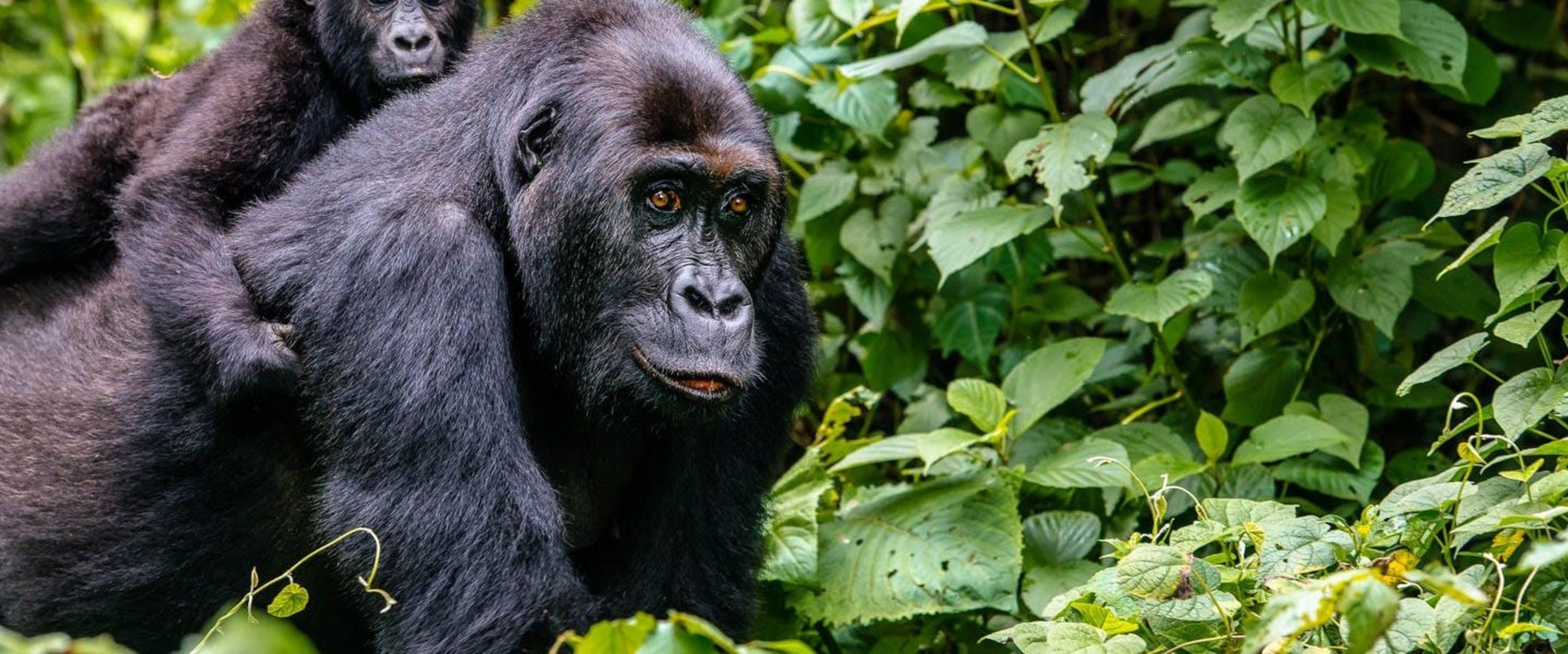
The relatively dry months from June to September and December to February usually offer the easiest trail and road conditions. However, trekking operates throughout the year.
What is the single best month for gorilla trekking in Bwindi?
July is often considered one of the best months because rainfall is usually lower. June, August, January, and February are also excellent. The best month still depends on permit availability, budget, and tolerance for crowds.
Can I trek gorillas during the rainy season?
Yes. Gorilla trekking continues during March, April, May, October, and November. Bring strong waterproof boots, rain gear, gloves, and gaiters.
Does rain make it harder to find gorillas?
Trackers continue monitoring gorilla families in all seasons. Rain may make the path harder, but it does not mean the gorillas cannot be located.
Is Bwindi cold?
Mornings and evenings can feel cool, especially in high-elevation areas such as Ruhija and Nkuringo. A fleece or warm layer is useful.
How difficult is gorilla trekking?
Difficulty varies. Some families may be found quickly, while others require several hours of hiking. Terrain can include steep, muddy, and uneven sections.
How long can visitors stay with the gorillas?
Standard trekking generally allows one controlled hour after the gorilla family is located, subject to official instructions and animal welfare considerations.
Are gorilla sightings guaranteed?
No wild-animal encounter can be guaranteed absolutely. However, experienced trackers and daily monitoring create a strong chance of locating the allocated habituated family.
Is gorilla trekking suitable for older travelers?
Many older travelers complete the trek successfully. Advance planning, honest communication about mobility, porter support, and suitable family allocation can help.
Do I need a porter?
A porter is not always compulsory, but hiring one is strongly recommended. It makes the trek easier and supports community employment.
How many nights should I spend in Bwindi?
A minimum of two nights is advisable: one night before the trek and one night after or on the trekking day. Three nights provide a more relaxed visit.
Is June a good month for Bwindi?
Yes. June often combines green scenery with improving trail conditions. It is also the start of the main peak season.
Is April a bad month for gorilla trekking?
April can be wet and muddy, but it is not necessarily a bad month. It suits travelers who value fewer visitors and lush scenery and who are prepared for rain.
Should I choose Buhoma or Rushaga?
Choose according to permit availability, route, lodge preference, and wider itinerary. Buhoma connects well with Ishasha, while Rushaga often works well for travelers approaching from Kigali or Kisoro.
Final Verdict: When Should You Visit Bwindi?
The best time for gorilla trekking in Bwindi depends on what matters most to you.
Choose June to September or December to February if you want relatively dry trails, more reliable road conditions, and easier connections with other safari parks. These months are ideal for first-time visitors, families, senior travelers, and people planning a longer Uganda wildlife safari.
Choose March to May or October to November if you prefer fewer visitors, greener landscapes, softer photography light, and greater lodge flexibility. Be ready for rain, mud, and potentially slower road transfers.
Regardless of the month, success depends on good planning. Secure the correct permit, stay near your assigned sector, arrive the day before the trek, wear suitable boots, hire a porter, and follow the ranger’s instructions.
Bwindi is beautiful in every season. The dry months may make the hike easier, while the rainy months reveal the forest at its greenest and most atmospheric. With suitable preparation, almost any month can become the right time for an unforgettable Uganda gorilla safari.
Plan Your Bwindi Gorilla Trek with Universal Ventures Rwanda
Choosing the best time for gorilla trekking in Bwindi becomes easier when an experienced regional tour operator handles the details. Universal Ventures Rwanda organizes customized gorilla safaris in Uganda and Rwanda. Our team can assist with gorilla permit arrangements, private 4×4 transportation, border transfers, accommodation, professional safari guides, and tailor-made itineraries.
Whether you plan to begin your journey in Kigali, Entebbe, or Kampala, we can design a suitable route to Buhoma, Ruhija, Rushaga, or Nkuringo. We also arrange combined Rwanda and Uganda safaris featuring gorilla trekking, chimpanzee tracking, Lake Bunyonyi, Lake Mutanda, Queen Elizabeth National Park, Akagera National Park, and Volcanoes National Park.
Contact Universal Ventures Rwanda for permit availability, current safari prices, suitable accommodation, and a personalized Bwindi gorilla trekking itinerary.
Universal Ventures Rwanda Ltd
- Telephone/WhatsApp: +250 781 441 853
- Email: info@universalventuresrwanda.com
- Address: KK 15 Road, opposite the IPRC main entrance, BGRD Building, Kigali, Rwanda
- Website: www.universalventuresrwanda.com