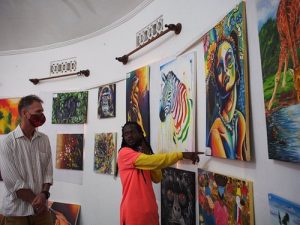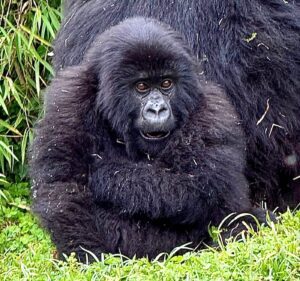

Rwanda may be one of Africa’s smallest countries, but it offers an extraordinary variety of landscapes, wildlife, cultures, and outdoor adventures. Within a relatively compact area, travelers can explore a modern capital, misty volcanic mountains, tropical rainforests, peaceful lakes, rolling tea plantations, and wildlife-rich savannahs. This geographical diversity makes self-drive safaris in Rwanda an attractive option for visitors who want more independence and flexibility.
A Rwanda self-drive safari allows you to travel at your own pace. You can stop at roadside viewpoints, spend additional time in a destination you enjoy, choose your accommodation, and design an itinerary around your interests. Instead of following a fixed group schedule, you decide when to leave, where to stop, and how long to stay.
However, successful independent travel requires careful preparation. Rwanda’s main roads are generally good, but secondary roads, mountain routes, and national park tracks can become challenging. Driving customs may also differ from those in your home country. You must understand the rental agreement, insurance conditions, road rules, fuel availability, park regulations, and emergency procedures before beginning your trip.
This complete guide explains everything you need to know about planning a Rwanda road trip. It covers vehicle selection, car rental requirements, national parks, driving conditions, costs, sample itineraries, safety, accommodation, packing, gorilla trekking, and responsible tourism.
For travelers who appreciate independence but still want reliable local support, Universal Ventures Rwanda can arrange a suitable 4×4 vehicle, reserve accommodation, secure activity permits, and provide professional assistance throughout the journey.
Why Choose Self-Drive Safaris in Rwanda?
Self-driving offers a different experience from joining a scheduled group safari. It gives travelers more responsibility, but it also provides greater control over the journey.
Freedom to create your own itinerary
The greatest advantage is flexibility. A traditional guided safari normally follows a planned departure time and route. On a self-drive holiday, you can make reasonable adjustments as you travel.
You might decide to spend longer photographing the Twin Lakes, stop at a tea plantation near Nyungwe, enjoy lunch beside Lake Kivu, or add an extra night near Volcanoes National Park. You can also leave early to avoid traffic or take a slower scenic route when conditions permit.
This independence is particularly valuable to photographers, couples, repeat visitors, families, and travelers planning a longer East African road trip.
Rwanda is compact and easy to combine
Distances between major destinations are manageable compared with many larger African countries. Kigali provides a convenient central starting point, while the principal tourism regions are located in different directions:
- Akagera National Park lies east of Kigali.
- Volcanoes National Park is in northwestern Rwanda.
- Lake Kivu follows much of the western border.
- Nyungwe National Park is in the southwest.
- Huye and Nyanza are found along the southern cultural route.
You should never judge a journey by distance alone, however. Rwanda is known as the Land of a Thousand Hills for good reason. Winding roads, towns, pedestrians, bicycles, weather, and mountain conditions can increase travel time.
Excellent scenery between destinations
A self-drive journey is not only about reaching national parks. The routes themselves form part of the experience. Travelers pass terraced hillsides, cultivated valleys, banana plantations, eucalyptus forests, busy villages, tea estates, wetlands, and views of the Virunga volcanoes.
Driving allows you to appreciate these gradual changes in landscape. Nevertheless, photographs should be taken only after safely stopping in an appropriate place. Never stop suddenly on a narrow road or blind corner.
Accommodation for different budgets

Rwanda offers accommodation ranging from simple guesthouses and campsites to comfortable midrange lodges and internationally recognized luxury properties. Independent travelers can therefore build itineraries suited to different budgets.
Advance reservations remain important, particularly during the main dry seasons and around gorilla trekking dates. Accommodation near Volcanoes National Park and inside Akagera can become fully booked.
Combining independence with local support
Self-drive travel does not have to mean handling every arrangement alone. A local tour operator can reserve the rental vehicle and accommodation while allowing you to drive independently. The operator can also organize airport delivery, permits, emergency assistance, route briefings, and additional services.
This supported approach preserves your freedom while reducing avoidable planning problems.
Are Self-Drive Safaris in Rwanda Safe?
Rwanda is widely appreciated by visitors for its orderliness, cleanliness, and developed road network. Nevertheless, road travel carries risks in every country. Safe driving depends on preparation, patience, weather, vehicle condition, and respect for local rules.
Most visitors complete their Rwanda road trips without serious difficulty. The safest approach is to avoid rushing, minimize night driving, follow road signs, and choose a suitable vehicle.
Drive on the right
Vehicles in Rwanda travel on the right-hand side of the road. Travelers from countries where traffic keeps left should allow time to adjust, particularly at junctions and roundabouts.
Before entering a busy road, become familiar with the location of the indicators, lights, windshield controls, handbrake, spare tire, and hazard-warning switch.
Follow the posted speed limit
Speed limits can vary according to the location and road. Towns and built-up areas often have lower limits, while some intercity roads permit higher speeds. Do not rely on a general national figure when a road sign gives a specific limit.
Rwanda uses traffic enforcement measures, including speed cameras. The Rwanda road-safety program also emphasizes digital enforcement and vehicle inspection. Drivers should therefore observe every posted sign rather than following the speed of surrounding vehicles.
Expect pedestrians, cyclists, and motorcycles
Roads may be shared by cars, buses, trucks, motorcycles, cyclists, pedestrians, and sometimes livestock. This is especially common near towns, markets, schools, and villages.
Reduce your speed early when approaching populated areas. Children, cyclists, or animals may move unexpectedly. Give other road users sufficient space, but overtake only when visibility and road markings allow it.
Avoid unnecessary night driving
Driving after dark is less comfortable because visibility is reduced and some roads have limited lighting. Pedestrians, bicycles, animals, sharp bends, and road obstacles may be difficult to see.
Plan to reach your lodge before sunset whenever possible. If a flight arrives late, consider spending the first night in Kigali instead of immediately driving to a distant destination.
Do not use a handheld telephone
Using a telephone while driving creates a serious distraction. Set your navigation before departure or ask a passenger to handle directions. If you need to make a call, stop in a safe and legal location.
Seat belts are essential
All occupants should use the installed seat belts. Confirm that they work correctly when accepting the rental vehicle. Children should travel in age-appropriate child seats arranged in advance with the rental provider.
Never drive when tired
Long flights, early gorilla trekking departures, and full-day game drives can create fatigue. Do not underestimate its effect. Share the driving with an approved additional driver or schedule shorter travel days.
Planning Self-Drive Safaris in Rwanda
Good planning is the foundation of a comfortable self-drive holiday. Before reserving a vehicle, decide when to travel, how many people will join, which regions you want to visit, and what activities need permits.
Decide how many days you need
Although travelers can visit Akagera or Volcanoes National Park on a short trip, a complete Rwanda circuit deserves more time.
A practical guideline is:
- Three to four days: Kigali and one major destination
- Five to seven days: Kigali, Akagera, and Volcanoes or Lake Kivu
- Eight to ten days: Kigali, Akagera, Volcanoes, Lake Kivu, and Nyungwe
- Twelve to fourteen days: A relaxed nationwide circuit with cultural and nature experiences
Trying to include every attraction in a short itinerary creates long driving days and reduces the time available for activities.
Reserve restricted activities early
Some of Rwanda’s most sought-after experiences require advance permits. Mountain gorilla trekking in Volcanoes National Park is the most important example. Permits are limited for each date, and demand can be high.
Chimpanzee tracking and certain Nyungwe activities should also be reserved in advance. A rental car reservation does not include tourism permits unless the contract or package clearly says so.
Build realistic journey times
Online maps provide useful estimates, but they cannot predict every delay. Weather, roadworks, town traffic, stops, and mountain roads affect the actual journey.
Add extra time and avoid scheduling an important activity immediately after a long intercity drive. Gorilla trekking, for example, requires an early-morning briefing. Travelers should stay near Volcanoes National Park the night before.
Keep a flexible margin
Do not plan every day to the minute. A road trip works best when the itinerary includes time for meals, photographs, rest, fuel stops, and unexpected delays.
Flexibility is valuable, but changes affecting permits or prepaid accommodation may incur charges. Always read cancellation and amendment conditions.
Best Time for Self-Drive Safaris in Rwanda
Rwanda can be visited throughout the year. The best period depends on the traveler’s priorities, preferred activities, and comfort with wet-road conditions.
Long dry season: approximately June to September
The long dry period is popular for gorilla trekking, general touring, and game viewing in Akagera. Roads and park tracks are normally easier to navigate than during periods of heavy rain.
Because these months are popular, vehicles, lodges, and gorilla permits should be booked well in advance.
Short dry season: approximately December to February
The shorter dry period is another attractive time for a Rwanda road trip. Conditions can be favorable for trekking, wildlife viewing, and photography, although occasional rainfall remains possible.
Travel demand may increase around Christmas and New Year.
Rainy seasons
Rainfall generally increases from March to May and again around October and November, although weather patterns are never completely predictable.
The wet seasons create lush scenery, dramatic skies, and beautiful photography conditions. They can also bring mud, reduced visibility, slippery park tracks, and slower mountain travel.
A capable 4×4 becomes especially valuable during wetter months. Travelers entering Akagera during the rainy season should ask reception about current track conditions before beginning a game drive.
Choosing a Vehicle for Self-Drive Safaris in Rwanda
The appropriate vehicle depends on your route, season, group size, luggage, and accommodation style. A small car may handle paved city and intercity roads, but it is not automatically suitable for a national park or an extensive Rwanda road trip.
Why a 4×4 is recommended
A reliable four-wheel-drive vehicle gives you better ground clearance, stability, luggage space, and confidence on uneven tracks. It is particularly useful for:
- Akagera National Park game drives
- Rainy-season travel
- Remote lodges
- Unpaved access roads
- Mountain and rural routes
- Multi-country journeys
- Camping safaris
Common safari vehicles include a Toyota Land Cruiser, Toyota Prado, Land Cruiser hardtop, or another well-maintained four-wheel-drive model.
Compact 4×4 versus Land Cruiser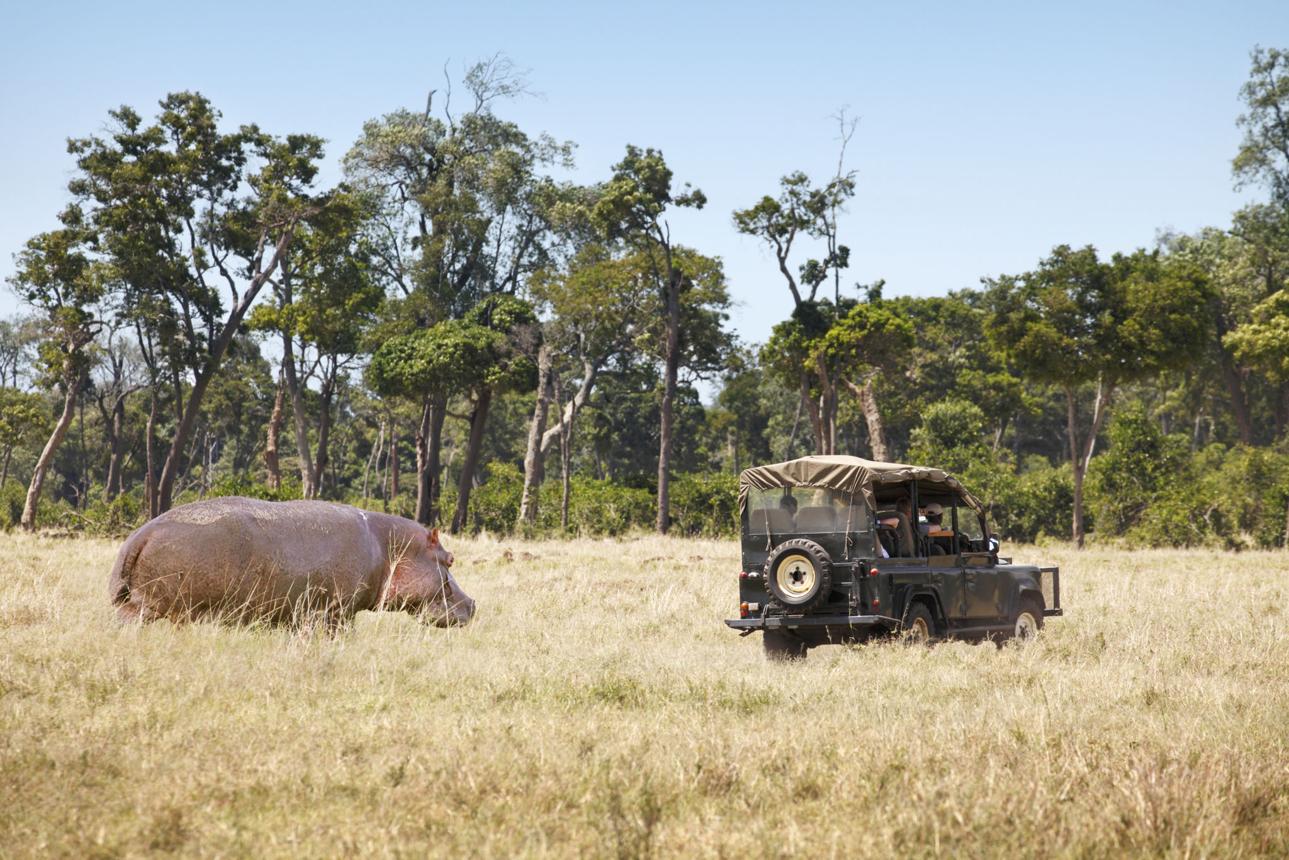
A compact 4×4 may suit one or two travelers carrying limited luggage. It can consume less fuel and may be easier to park in Kigali.
A larger Land Cruiser is preferable for families, groups, longer journeys, camping equipment, or travelers who want more luggage capacity. Its higher seating position can also improve wildlife viewing in Akagera.
The larger vehicle generally costs more to rent and operate. Choose based on your actual requirements rather than appearance alone.
Manual or automatic transmission
Confirm the transmission type before paying. Automatic vehicles may be easier for drivers adapting to unfamiliar roads, while manual vehicles can offer more control to experienced drivers on certain surfaces.
Never assume an automatic model will be available. Ask for written confirmation.
Pop-up roof safari vehicles
A pop-up roof can improve photography and wildlife viewing when used in permitted areas. It may not be necessary for travelers whose itinerary focuses on gorilla trekking, Lake Kivu, Kigali, and cultural sites.
The roof must remain properly secured during normal road travel. Follow the rental company’s and national park’s operating instructions.
Rooftop-tent vehicles
Camping vehicles with rooftop tents appeal to adventurous travelers. They can include bedding, chairs, cooking equipment, a refrigerator, water storage, and recovery tools.
Before renting, ask:
- What camping equipment is included?
- Is bedding supplied?
- Is gas included?
- How many people can sleep comfortably?
- Are campsites reserved separately?
- Is camping permitted at every planned location?
- What should be done if equipment is damaged?
- Is roadside assistance available outside Kigali?
Wild camping should never be assumed to be legal or safe. Use recognized campsites and follow local instructions.
Inspecting Your Rwanda Car Rental
Never accept a vehicle without a careful inspection. Take time to understand both the car and the rental agreement.
Exterior inspection
Walk around the vehicle with a representative and record existing scratches, dents, cracked lights, windshield marks, tire damage, and missing accessories. Photographs or a short video can provide a useful dated record.
Make sure every existing issue appears on the inspection form.
Tire condition
Check the four main tires and the spare. Tires should have suitable tread and no obvious sidewall damage. Confirm that the jack and wheel tools are present.
Ask whether the vehicle carries one or two spare tires. A second spare can be valuable for remote or cross-border journeys.
Mechanical checks
Check:
- Headlights and brake lights
- Indicators and hazard lights
- Windshield wipers
- Horn
- Seat belts
- Air conditioning
- Fuel gauge
- Mirrors
- Door locks
- Battery
- Fluid levels
- Dashboard warning lights
You do not need to be a mechanic, but obvious problems should be resolved before departure.
Safety and recovery equipment
Depending on the vehicle and route, useful equipment may include:
- Reflective warning triangles
- First-aid kit
- Fire extinguisher
- Tow rope
- Jack and wheel spanner
- Spare wheel
- Tire-pressure gauge
- Air compressor
- Basic tool kit
- Jumper cables
- Emergency contact information
Recovery equipment should be used only when you know how to use it safely. If the car becomes stuck inside a national park, contact park staff or the rental company instead of creating additional risk.
Vehicle orientation
Ask the representative to demonstrate:
- Four-wheel-drive engagement
- Differential settings, if applicable
- Fuel-tank selection
- Spare-wheel removal
- Jack points
- Rooftop-tent operation
- Pop-up roof operation
- Refrigerator and camping power
- Alarm or immobilizer
- Emergency communication procedure
Understanding these features at the rental office is easier than learning beside an isolated road.
Rental Documents and Driving Requirements
Requirements can change, and they may differ according to nationality and rental company. Confirm them before travel.
Travelers will normally need:
- A valid passport
- A valid driving licence
- An international driving permit when required
- A minimum period of driving experience
- A payment card or agreed deposit
- Contact and accommodation details
- Authorization for every additional driver
An international driving permit usually supports rather than replaces the original licence. Carry both when applicable.
Age requirements
Rental companies establish minimum and sometimes maximum driver ages. Younger drivers may face additional fees, insurance restrictions, or vehicle limitations.
The person making the booking should provide the age and licence details of every intended driver.
Additional drivers
Only approved drivers listed in the agreement should operate the vehicle. Allowing an unauthorized person to drive could affect insurance coverage.
Cross-border documents
Driving from Rwanda into Uganda, Tanzania, Burundi, Kenya, or the Democratic Republic of the Congo requires additional authorization and documentation. These may include a cross-border letter, temporary import documents, insurance, and country-specific charges.
Never take a rental vehicle across an international border without written authorization from the owner.
Understanding Rwanda Car Rental Insurance
Insurance is one of the most important parts of a self-drive booking. The cheapest advertised daily rate may provide limited protection or carry a high excess.
Ask the rental company to explain: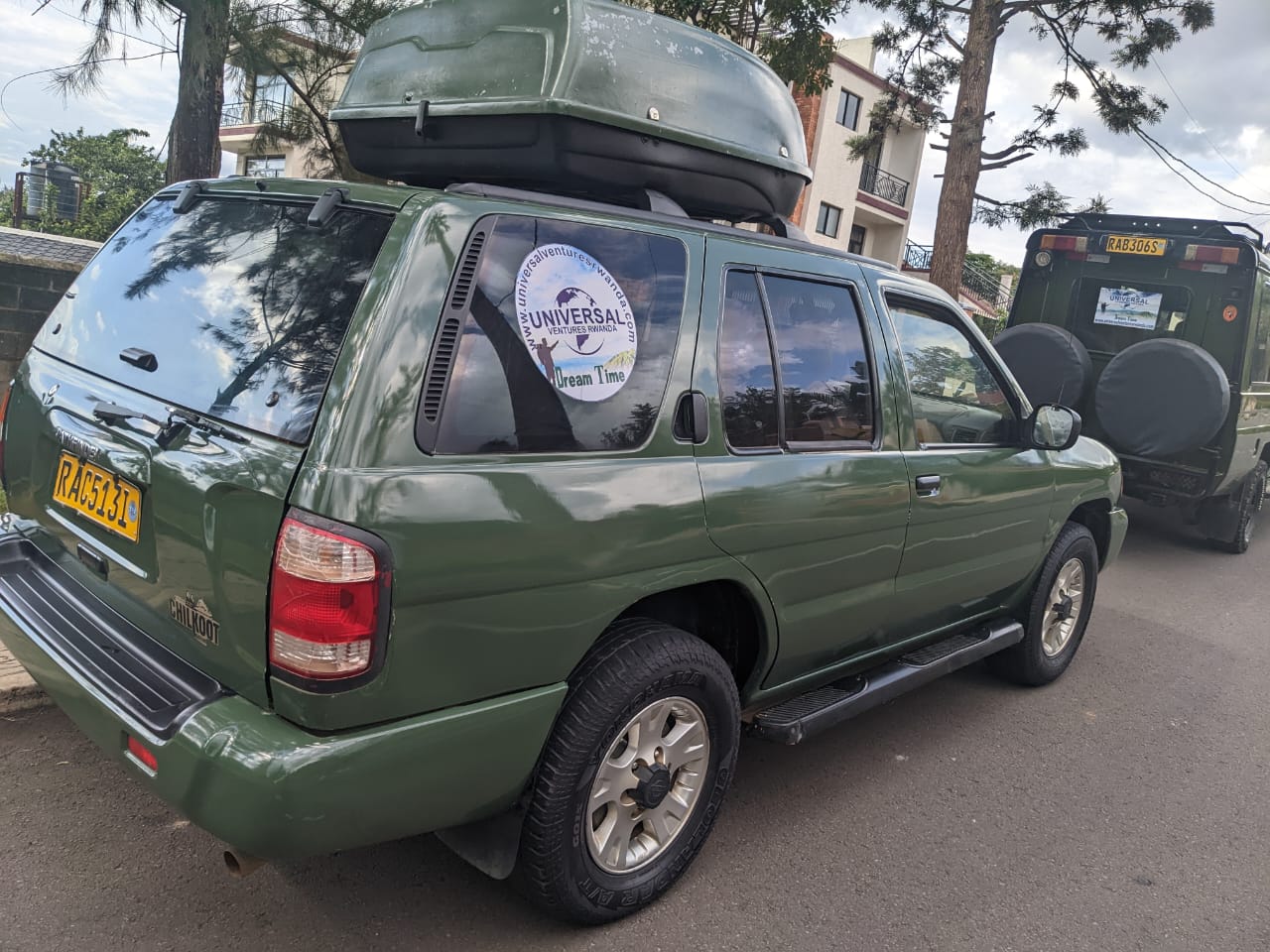
- What insurance is included?
- What is the excess or deductible?
- Is tire damage covered?
- Is windshield damage covered?
- Is underbody damage covered?
- Is the roof covered?
- Is water damage covered?
- Are single-vehicle accidents covered?
- Are national park tracks included?
- Is towing included?
- What situations invalidate the policy?
- What is required after an accident?
Common exclusions may involve reckless driving, unauthorized drivers, speeding, intoxication, prohibited roads, cross-border travel without permission, or failure to report an incident correctly.
Read the entire agreement. If a clause is unclear, request a written explanation before accepting the vehicle.
Rwanda Road Conditions
The main routes connecting Kigali with major towns and tourism destinations are generally paved. Even so, road conditions can change, and the final approach to a lodge or attraction may be unpaved.
Kigali roads
Kigali has developed roads, roundabouts, traffic signals, motorcycles, buses, and busy commuter periods. Navigation can be demanding for first-time visitors, especially after a long flight.
Ask the rental provider to deliver the car to your hotel if you prefer to rest before driving. Alternatively, arrange an airport transfer and begin the rental the following morning.
Intercity roads
Major roads are scenic but frequently winding. Passing through towns and villages lowers the average speed. Heavy vehicles may also move slowly on hills.
Overtaking should be approached cautiously. Wait for clear visibility and follow road markings.
Rural and lodge-access roads
Some rural roads are gravel, rocky, narrow, or muddy. Conditions can deteriorate after rain. Ask the lodge or operator for an updated route description rather than relying exclusively on the navigation application.
Mountain roads
Northern and western Rwanda contain steep slopes and repeated bends. Use an appropriate gear when descending and avoid riding the brakes continuously.
Fog and rain can reduce visibility in highland areas. Slow down and use the correct vehicle lights.
Akagera tracks
Akagera’s game-drive network includes dirt tracks that vary according to season and location. Some sections may be closed or unsuitable after heavy rain.
Receive a current briefing at reception, follow the recommended route, and do not enter a closed track. The park’s published visitor guidance instructs motorists not to drive off-road and not to leave their vehicles except in designated places. Visitors must also manage their time carefully so that they reach an authorized destination before closing. See Akagera’s visitor guidance.
Navigation for Self-Drive Safaris in Rwanda
Digital navigation makes road trips easier, but it should not be treated as perfect.
Download offline maps
Mobile data may be weaker in rural areas, forests, valleys, or parks. Download maps before leaving Kigali and save the locations of your accommodation, fuel stations, park gates, hospitals, and meeting points.
Confirm the lodge location
Some lodges have similar names, multiple entrances, or inaccurate map pins. Ask for:
- A location pin
- The correct access road
- Gate opening times
- A telephone number
- Important landmarks
- Advice for rainy conditions
Carry a backup
A paper map, written route summary, or screenshot can be helpful if a telephone loses power. Keep a charger and power bank in the vehicle.
Do not follow an unsafe suggestion
Navigation applications sometimes recommend minor roads because they appear shorter. If a route looks unsuitable, stop safely and contact your lodge, rental company, or tour operator.
A longer main road can be safer and faster than an uncertain shortcut.
Fuel, Payments, and Practical Costs
Fuel stations are available in Kigali and larger towns, but travelers should not wait until the tank is nearly empty.
Fuel planning
Fill the tank before:
- Entering Akagera National Park
- Beginning a long western route
- Traveling to a remote campsite
- Crossing a border
- Starting an early-morning activity
Ask which fuel the vehicle requires. Using the wrong fuel can cause expensive damage and may not be covered by insurance.
Payment methods
Cards and digital payments are increasingly common, especially in Kigali, but cash remains useful for smaller establishments, tips, local purchases, or situations where a terminal is unavailable.
Carry reasonable amounts rather than large sums. Keep money and documents secure.
Main cost categories
The budget for self-drive safaris in Rwanda may include:
- Daily vehicle rental
- Insurance or excess reduction
- Security deposit
- Fuel
- Additional driver fee
- Airport delivery or collection
- One-way drop-off fee
- Camping equipment
- National park entrance
- Vehicle entrance charges
- Activity permits
- Accommodation
- Meals and drinks
- Local park guide
- Parking
- Laundry
- Telephone data
- Cross-border documents
- Emergency or repair expenses
Request an itemized quotation. It should clearly state what is included and excluded.
Self-Drive Safaris in Rwanda’s National Parks
Rwanda has four national parks, each offering a distinct environment. Self-driving is most closely associated with Akagera because visitors can conduct game drives using their own approved vehicles. In other parks, the car mainly provides transport to activity starting points.
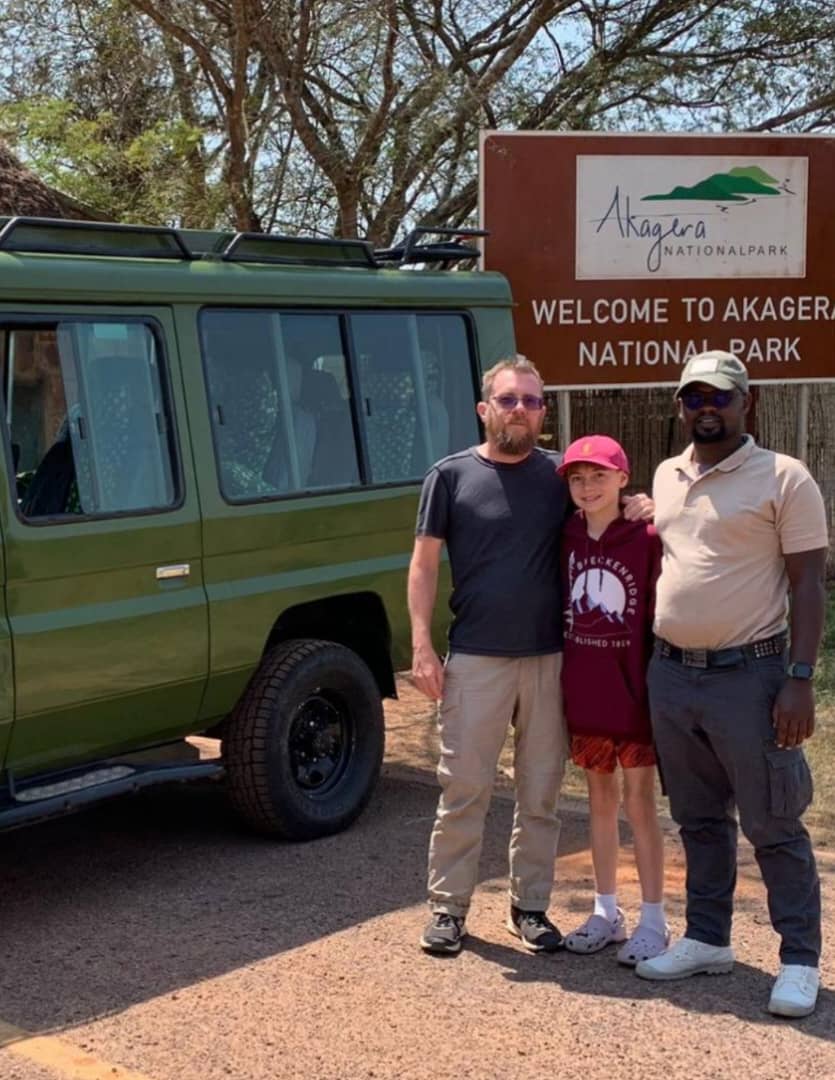
Akagera National Park Self-Drive Safari
Akagera National Park is Rwanda’s leading savannah destination and the country’s principal location for traditional wildlife drives. Its landscapes include open plains, woodland, wetlands, lakes, and rolling hills.
The park protects a diverse range of wildlife, including elephants, buffaloes, giraffes, zebras, antelopes, hippos, crocodiles, lions, and rhinoceroses. Wildlife sightings can never be guaranteed, but patient driving and good timing increase the possibilities.
Entering Akagera
Most road travelers enter through the southern gate. Before setting out, confirm:
- Gate and reception opening times
- Current entrance fees
- Vehicle charges
- Available tracks
- Road closures
- Latest exit time
- Fuel level
- Accommodation or campsite location
- Emergency contact procedure
Park fees and regulations may change, so check the official information when booking.
South-to-north game drive
A popular plan is to enter through the south, travel through the park, and leave through the north. This can provide a varied full-day experience.
However, it should not be treated as a race. The road network, wildlife stops, and track conditions make exact timings difficult. Start early and regularly check your position.
If you are uncertain about completing the route before the required time, follow staff advice and choose a shorter circuit.
Hiring a park guide
Independent driving does not prevent you from hiring a guide. A local guide can accompany you in your vehicle and help with navigation, animal identification, park interpretation, and responsible wildlife viewing.
A guide is especially useful for first-time visitors. Guides know which tracks are currently productive and which areas may be difficult after rain. Their expertise cannot guarantee sightings, but it can make the experience more informative and efficient.
Wildlife-viewing etiquette
Drive slowly and remain considerate of animals and other visitors.
- Never drive off the designated track.
- Never feed wildlife.
- Do not crowd an animal.
- Keep noise low.
- Allow animals to cross freely.
- Remain inside the vehicle except in designated areas.
- Do not block another vehicle’s view.
- Take all litter with you.
- Obey instructions from park staff.
The official visitor guidance emphasizes staying on the road and leaving the vehicle only in authorized locations. These rules protect both wildlife and visitors.
Boat safari on Lake Ihema
A boat excursion on Lake Ihema can complement a self-drive game drive. It offers a different perspective on the park’s wetland ecosystem and may provide opportunities to observe hippos, crocodiles, waterbirds, and animals near the shore.
Reserve the boat trip in advance when possible. Arrive at the departure point with sufficient time, because the park’s distances can be deceptive.
Night game drives
Night drives are specialized guided activities and should be booked through the park or an approved provider. Do not attempt to remain on the tracks after normal hours without authorization.
Self-Drive Safaris in Rwanda and Gorilla Trekking
Volcanoes National Park is Rwanda’s famous mountain gorilla destination. Visitors do not drive themselves through the forest to find gorillas. Instead, your rental car transports you to the park headquarters and, after allocation, toward the relevant trailhead.
Gorilla permits
Every trekker requires a valid permit for the correct date. Rwanda gorilla permits are limited and should be secured before finalizing non-refundable travel arrangements.
A permit is separate from vehicle rental, accommodation, meals, porter services, and other activities unless these are explicitly included in a package.
Stay near the park the previous night
Gorilla trekking begins with an early briefing. Stay in Musanze, Kinigi, or another appropriately located area the night before.
Driving from Kigali on the morning of the trek creates unnecessary risk. A delay, wrong turn, mechanical issue, or traffic problem could cause you to miss the briefing.
Reaching the trailhead
After briefing and group allocation, participants may need to travel from the headquarters to a trailhead. Access conditions vary. A capable 4×4 is therefore useful.
Confirm whether your rental arrangement permits this use and whether you need a local driver for the trailhead transfer. Park procedures can change, and staff instructions should always take priority.
What happens during the trek?
The experience involves walking through mountain terrain with park personnel. Duration and difficulty vary according to the gorillas’ location, terrain, weather, and group allocation.
Trekkers should carry suitable rain protection, water, gloves, sturdy footwear, and a small daypack. Porters can provide valuable practical support while contributing directly to local livelihoods.
Additional Volcanoes activities
A self-drive itinerary can combine gorilla trekking with:
- Golden monkey trekking
- Dian Fossey memorial hike
- Mount Bisoke hike
- Twin Lakes excursion
- Ellen DeGeneres Campus of the Dian Fossey Gorilla Fund
- Iby’Iwacu cultural experience
- Musanze Cave
- Local community and cultural visits
Each activity has its own timing, physical requirements, and reservation procedures.
Self-Driving to Nyungwe National Park
Nyungwe is a vast montane rainforest in southwestern Rwanda. It is associated with chimpanzee tracking, colobus monkeys, forest hiking, birdwatching, waterfalls, the canopy walkway, and beautiful tea-growing landscapes.
Routes to Nyungwe
Many travelers drive from Kigali through Nyanza and Huye. This route creates opportunities to visit historical and cultural attractions.
Another option is to approach from the Lake Kivu side, depending on the itinerary and current road conditions.
Allow sufficient time
Nyungwe’s mountain roads are winding, and travel may be slower than expected. Avoid arriving after dark. Book accommodation near the correct activity sector because different activities may begin at different locations.
Chimpanzee trekking logistics
Chimpanzee tracking normally starts early. Travelers need a valid reservation and must report to the specified briefing location at the required time.
Confirm the sector, reporting point, and drive time with your operator or accommodation. Simply entering “Nyungwe National Park” into a navigation application is not sufficiently precise.
Canopy walkway and forest trails
The canopy experience is normally combined with a guided forest walk. Visitors should arrange the activity and required park entry in advance.
Weather in the rainforest can change quickly. Carry a waterproof layer and protect cameras and telephones from moisture.
Driving through the forest
Drive cautiously and follow posted rules. Do not stop in unsafe positions or disturb animals. Fog, rain, bends, and forest wildlife can affect the journey.
Self-Driving to Gishwati-Mukura National Park
Gishwati-Mukura is Rwanda’s newest national park and protects restored montane forest ecosystems. It offers a quieter nature experience than the country’s better-known destinations.
Activities may include guided forest walks, birding, primate experiences, and conservation-focused visits. Availability and access arrangements should be confirmed in advance.
Visitors should not assume they can arrive without a reservation and explore independently. A self-drive vehicle provides transport to the designated meeting point, but activities inside the protected area are managed according to park procedures.
Lake Kivu on a Rwanda Road Trip
Lake Kivu adds relaxation and scenic beauty to a wildlife-focused itinerary. Its main tourism towns include Rubavu, Karongi, and Rusizi.
Rubavu
Rubavu is convenient after visiting Volcanoes National Park. Visitors can enjoy lake views, boat trips, local restaurants, beaches, and access to sections of the Congo Nile Trail.
The route from Musanze is scenic, but drivers should remain attentive on bends and through settlements.
Karongi
Karongi offers a peaceful setting with bays, islands, and surrounding hills. It works well as a stop between Volcanoes National Park and Nyungwe.
Boat excursions can visit islands or provide sunset views. Use a reputable operator and follow safety instructions.
Rusizi
Rusizi is positioned near the southern end of Lake Kivu and can be combined with Nyungwe. It offers lakeside accommodation and access to additional boat experiences.
Congo Nile Trail
The Congo Nile Trail extends along the Lake Kivu region and is best known for hiking and cycling. Motorists can explore towns and accessible points along the broader corridor, but not every trail section is suitable for vehicles.
Ask locally before entering an unfamiliar minor road.
Kigali as the Starting Point
Most Rwanda fly-drive holidays begin at Kigali International Airport. Kigali is more than a collection point for a rental car; it deserves time in the itinerary.
Popular experiences include:
- Kigali Genocide Memorial
- Art galleries
- Local markets
- Community initiatives
- Cultural and historical tours
- Restaurants serving Rwandan and international cuisine
- Neighborhood and city-view excursions
A guided Kigali city tour can provide valuable historical context before traveling elsewhere. It also allows visitors to learn about local customs and contemporary Rwanda.
Driving in Kigali
Traffic may be busiest during commuting hours. Motorcycles move efficiently through traffic, while roundabouts and multi-lane roads require concentration.
Parking regulations should be followed carefully. Ask your hotel or restaurant where customers may park rather than leaving the vehicle in an uncertain location.
Cultural Stops on Self-Drive Safaris in Rwanda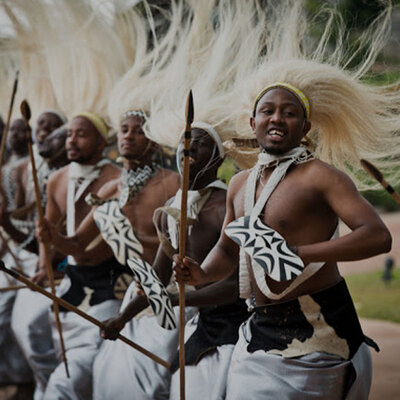
Rwanda’s appeal extends beyond wildlife. Cultural and historical sites help travelers understand the country’s royal traditions, social development, conservation story, and contemporary identity.
Nyanza
Nyanza is associated with Rwanda’s royal history. It fits naturally into a southern itinerary between Kigali and Nyungwe.
A visit can provide context about leadership, architecture, traditions, and the historical organization of Rwandan society.
Huye
Huye is an important academic and cultural center. Museums and cultural attractions make it a valuable overnight or daytime stop.
Community experiences
Community-based tourism can introduce visitors to traditional crafts, music, farming, food production, and local conservation initiatives.
Choose experiences that respect residents, compensate participants fairly, and avoid treating communities as displays. Ask permission before photographing people.
Coffee and tea
Rwanda produces internationally appreciated coffee and tea. Plantation or processing experiences can be added around Lake Kivu, Nyungwe, and other agricultural areas.
These visits explain how crops are grown, harvested, processed, and prepared while connecting tourism with local enterprise.
Suggested Seven-Day Rwanda Self-Drive Itinerary
This route works for travelers who want to combine savannah wildlife with mountain scenery and gorilla trekking.
Day 1: Arrival in Kigali
Collect the vehicle during daylight if possible. Complete the inspection, receive a route briefing, purchase mobile data, and spend the night in Kigali.
If time permits, visit a gallery or take a short city tour.
Day 2: Kigali to Akagera National Park
Leave after breakfast and drive east toward Akagera. Complete registration, check in at your accommodation, and enjoy a short afternoon activity if timing permits.
Avoid planning a long game drive if you arrive late.
Day 3: Akagera game drive
Begin early. Explore the park with an optional local guide and carry packed meals or refreshments where permitted.
Spend a second night in or near Akagera.
Day 4: Akagera to Kigali
Enjoy a morning activity, then return to Kigali. Staying overnight breaks up the journey and avoids an exhausting direct transfer to Volcanoes National Park.
Day 5: Kigali to Volcanoes National Park
Visit the Kigali Genocide Memorial or another city attraction in the morning, then drive north to Musanze or Kinigi.
Arrive with enough daylight to find the lodge and prepare for trekking.
Day 6: Gorilla trekking
Attend the morning briefing and complete the gorilla trek. Return to the lodge for rest.
An evening cultural activity should be scheduled only if you have sufficient energy and time.
Day 7: Volcanoes to Kigali
Visit the Twin Lakes, Ellen DeGeneres Campus, or a community project before returning to Kigali.
Allow a generous margin before an international flight.
Suggested Ten-Day Self-Drive Safari in Rwanda
This broader circuit includes Akagera, Volcanoes, Lake Kivu, and Nyungwe.
Day 1: Kigali arrival
Airport collection, vehicle orientation, and overnight in Kigali.
Day 2: Kigali city experience
Explore Kigali’s historical and cultural attractions. Use the day to become comfortable with the car.
Day 3: Kigali to Akagera
Drive east, register at the park, and enjoy an afternoon boat safari or short game drive.
Day 4: Full-day Akagera safari
Explore the savannah and wetland ecosystems. Consider hiring a park guide.
Day 5: Akagera to Volcanoes
This is a substantial travel day. Begin early, use the main roads, and take breaks.
Day 6: Gorilla trekking
Complete the trek and spend another night near the park.
Day 7: Volcanoes to Lake Kivu
Choose a morning activity, then drive to Rubavu or Karongi. Enjoy a relaxed lakeside evening.
Day 8: Lake Kivu to Nyungwe
Travel south along the most appropriate route according to current conditions. Stop for views, coffee, or lunch, but arrive before dark.
Day 9: Nyungwe activity
Choose chimpanzee tracking, the canopy walkway, birding, or a guided forest hike.
Day 10: Nyungwe to Kigali
Travel through Huye and Nyanza. If your schedule allows, visit a cultural attraction before continuing to Kigali.
For a late-night flight, maintain a substantial time buffer. Otherwise, add a final night in Kigali.
Suggested Fourteen-Day Rwanda Road Trip
A two-week itinerary provides a more comfortable pace:
- Arrival and overnight in Kigali
- Kigali city tour
- Drive to Akagera
- Akagera game drive
- Second Akagera activity
- Drive to Volcanoes
- Gorilla trekking
- Golden monkeys or cultural experience
- Drive to Lake Kivu
- Lake Kivu boat and coffee experience
- Drive to Nyungwe
- Chimpanzee tracking
- Canopy walkway or forest hike
- Return to Kigali through Huye and Nyanza
Additional nights can be added in Karongi, Nyungwe, or Kigali for a slower journey.
Self-Drive Safari Accommodation
Your accommodation influences both comfort and route planning.
Hotels and guesthouses
These are widely available in Kigali and tourism towns. Check whether secure parking is included, especially when the vehicle carries camping gear.
Safari lodges
Lodges near or inside national parks reduce early-morning driving. Properties inside Akagera can also help travelers maximize wildlife-viewing time.
Campsites
Camping can lower accommodation expenses and create a closer connection with nature. Campsites should be booked where required.
Confirm:
- Check-in deadline
- Security
- Toilets and showers
- Cooking facilities
- Drinking-water availability
- Fire regulations
- Waste-disposal rules
- Electricity
- Tent or rooftop-tent restrictions
Luxury properties
Rwanda has exceptional luxury accommodation near Volcanoes, Nyungwe, Kigali, and Akagera. A self-drive vehicle may still be practical, but some high-end properties offer transfers or include transport in particular packages.
Compare the convenience and cost of keeping the vehicle throughout the stay.
What to Pack for Self-Drive Safaris in Rwanda
Pack lightly but prepare for changing environments. Temperatures can differ between Kigali, the savannah, mountain areas, and rainforests.
Travel documents
Carry:
- Passport
- Driving licence
- International driving permit when applicable
- Rental agreement
- Insurance information
- Permit confirmations
- Accommodation vouchers
- Emergency contacts
- Cross-border documents when relevant
Keep digital copies stored securely.
Clothing
Useful clothing includes:
- Lightweight daytime layers
- Warm layer for mountain mornings
- Waterproof jacket
- Long trousers
- Long-sleeved shirt
- Comfortable closed footwear
- Hiking boots for trekking
- Hat
- Sleepwear
- Smart-casual clothing for city evenings
Neutral-colored clothing is useful for wildlife activities.
Health and personal items
Pack personal medication, sunscreen, insect repellent, hand sanitizer, reusable water bottles, and a compact personal first-aid kit.
Travelers should seek professional medical advice about vaccinations and health preparation before departure.
Electronics
Consider bringing:
- Telephone
- Camera
- Power bank
- Vehicle charger
- Charging cables
- Universal adapter
- Waterproof camera protection
- Binoculars
- Headlamp for camping
Do not leave visible electronics unattended in a parked car.
Vehicle essentials
Even when the rental company supplies safety equipment, travelers may find the following useful:
- Offline maps
- Flashlight
- Drinking water
- Snacks
- Small rubbish bags
- Paper towels
- Reusable shopping bag
- Emergency telephone list
Common Mistakes on Rwanda Self-Drive Holidays
Planning too much in one day
The map may make destinations appear close, but hills, towns, activities, and stops increase travel time. A holiday should not feel like a transport competition.
Beginning a long drive after an overnight flight
Fatigue affects judgment. Rest in Kigali and start the road trip when alert.
Choosing the cheapest vehicle
A very low rate may come with limited insurance, worn tires, poor support, or a vehicle unsuitable for park tracks.
Compare condition, coverage, equipment, support, and reliability—not only the price.
Ignoring the rental contract
Assuming that every type of damage is insured can lead to unexpected costs. Read the exclusions and ask questions.
Depending entirely on online navigation
Confirm remote locations directly with lodges and activity providers.
Arriving late for permits
Gorilla and chimpanzee activities operate according to fixed briefings. Missing the reporting time can mean losing the experience without a refund.
Driving in Akagera without monitoring time
Game viewing is absorbing, and visitors can underestimate the distance to the gate or lodge. Check your position throughout the day.
Leaving valuables inside the car
Keep passports, cash, cameras, and telephones secure. Use hotel storage facilities where appropriate.
Forgetting to refuel
Fill up before national parks and remote regions.
Taking unauthorized cross-border trips
Written approval and the correct documents are essential.
Guided Safari or Self-Drive Safari?
Neither option is universally better. The right choice depends on your confidence, budget, interests, and travel style.
| Consideration | Self-drive safari | Guided safari |
|---|---|---|
| Flexibility | High | Based on agreed itinerary |
| Driving responsibility | Traveler | Professional driver-guide |
| Navigation | Traveler | Driver-guide |
| Wildlife interpretation | Optional local guide | Usually included |
| Relaxation during transfers | Lower | Higher |
| Privacy | High | High on a private guided tour |
| Local knowledge | Requires preparation | Immediately available |
| Suitability for first visit | Good with planning | Very convenient |
| Photography flexibility | High | High when privately guided |
| Emergency coordination | Rental support | Tour operator and guide |
A self-drive safari is ideal for experienced, confident travelers who enjoy independent road trips. A guided safari is preferable for visitors who want to focus entirely on scenery, wildlife, photography, and relaxation.
A hybrid option
A hybrid safari combines both styles. You drive between destinations but hire:
- An Akagera park guide
- A Kigali city guide
- A community guide
- A specialist birding guide
- A driver for a demanding section
- A local transfer for a trekking trailhead
This approach offers independence without giving up expert interpretation.
Family Self-Drive Safaris in Rwanda
Rwanda can be an enjoyable family destination, but the itinerary should be designed around the children’s ages, interests, and activity restrictions.
Plan shorter travel days
Children may find repeated long drives tiring. Add breaks and allow time for meals, rest, and flexible activities.
Arrange child seats
Request the correct child seat before arrival and verify its condition and installation.
Check activity age limits
Gorilla trekking has a minimum participation age, and other activities may have restrictions. Confirm every rule before purchasing permits.
Choose family-friendly accommodation
Ask about:
- Family rooms
- Interconnecting rooms
- Meal options
- Swimming pools
- Secure outdoor space
- Early breakfast
- Packed meals
- Child policies
- Parking
Carry familiar snacks
Pack appropriate snacks and sufficient drinking water for longer drives, while observing park rules about food and waste.
Solo Self-Drive Travel in Rwanda
Solo travel offers complete freedom but places all driving, navigation, and decision-making on one person.
A solo driver should: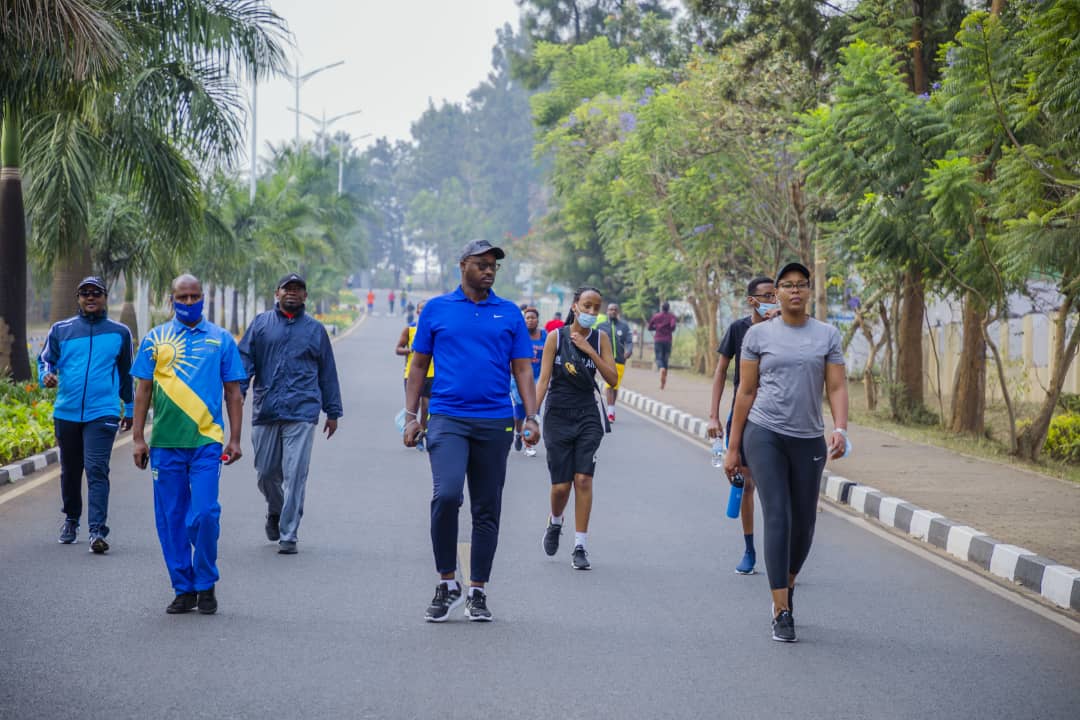
- Avoid overly long routes
- Share the itinerary with a trusted contact
- Check in with the rental company when required
- Keep the telephone charged
- Avoid night driving
- Stop only in safe places
- Follow park guidance
- Carry water
- Know how to change a tire
- Ask for help rather than taking unnecessary risks
Hiring a local guide in Akagera can improve both navigation and wildlife interpretation while providing company during the game drive.
Photography on Self-Drive Safaris in Rwanda
Independent driving gives photographers control over departure times and stops, but safety remains more important than any photograph.
Use a passenger photographer
The driver must concentrate on the road. Ask a passenger to take photographs or stop in a safe designated place.
Wildlife photography
In Akagera:
- Do not leave the road for a better angle.
- Do not pressure animals to move.
- Avoid loud voices.
- Switch off unnecessary sounds.
- Allow other vehicles space.
- Never leave the vehicle in an unauthorized area.
Gorilla photography
Flash photography is not permitted around gorillas. Follow all instructions from park personnel concerning distance, movement, health, and equipment.
Protect equipment
Rain, dust, and humidity can affect cameras. Carry protective covers, dry bags, lens cloths, and spare batteries.
Responsible Self-Drive Safaris in Rwanda
Responsible tourism protects wildlife, communities, and the quality of future travel experiences.
Respect wildlife
Animals always have priority. Never feed, touch, chase, surround, or provoke them.
Remain on approved roads
Off-road driving damages vegetation, disturbs wildlife, and can leave a vehicle stuck. In Akagera, follow designated tracks and current park instructions.
Reduce waste
Carry reusable water bottles where practical and remove your rubbish. Never throw waste from the vehicle.
Support local businesses
Use locally owned accommodation, guides, restaurants, craft businesses, and community tourism initiatives where they meet your needs.
Ask before photographing people
A friendly interaction matters more than a photograph. Obtain permission, particularly when photographing children, homes, workplaces, ceremonies, or community activities.
Respect memorial sites
Rwanda’s memorials require sensitivity and appropriate conduct. Follow photography rules, dress respectfully, and engage thoughtfully with the history presented.
Conserve water and energy
Use resources carefully, especially at remote lodges and campsites.
Rwanda Self-Drive Safari Frequently Asked Questions
Is Rwanda suitable for a self-drive safari?
Yes. Rwanda’s compact size, paved main roads, varied attractions, and established tourism infrastructure make independent road travel possible. Drivers still need careful planning, a reliable vehicle, realistic travel times, and respect for local regulations.
Do I need a 4×4 in Rwanda?
A 4×4 is strongly recommended for Akagera, wet-season travel, unpaved lodge roads, camping trips, and longer circuits. A smaller vehicle may handle paved city and intercity travel, but it provides less flexibility.
Can I drive myself inside Akagera National Park?
Self-driving is permitted subject to the park’s current entry procedures, vehicle approval, fees, routes, and rules. Ask for a safety and track briefing at reception before departure.
Should I hire a guide in Akagera?
A guide is highly recommended for first-time visitors. Guides assist with navigation, animal identification, park knowledge, and current track information.
Can I self-drive to a gorilla trek?
You can drive to the Volcanoes National Park area, but gorilla trekking itself is a regulated, guided activity requiring a valid permit. Follow the instructions provided during the morning briefing regarding the trailhead.
Can I book a gorilla permit after arriving?
It may occasionally be possible, but relying on last-minute availability is risky. Reserve in advance, especially during popular travel periods.
Is it safe to drive at night?
Night driving should be minimized because visibility is reduced and roads may include pedestrians, bicycles, animals, bends, and poorly lit sections.
Are Rwanda’s roads paved?
The major routes connecting Kigali and principal towns are generally paved, but park tracks, secondary roads, and some lodge approaches are unpaved.
Is fuel widely available?
Fuel is available in Kigali and major towns. Fill the tank before entering a national park or traveling through less populated areas.
Can I rent an automatic 4×4?
Automatic vehicles may be available, but supply can be limited. Request one early and obtain written confirmation.
Can I take the rental vehicle into Uganda?
Only with the rental company’s written authorization and the correct cross-border, insurance, and customs documents.
Is camping possible?
Yes, camping is available in selected places. Use authorized campsites and reserve in advance when required.
How many days do I need?
Seven days can combine Kigali, Akagera, and Volcanoes. Ten to fourteen days is better for a broader circuit incorporating Lake Kivu and Nyungwe.
What happens if the vehicle breaks down?
Contact the rental company using the emergency procedure stated in your agreement. Do not authorize major repairs without permission unless an immediate safety issue requires action.
What should I do after an accident?
Prioritize safety, notify the appropriate authorities where required, contact the rental provider immediately, and follow the insurance reporting procedure. Do not make informal agreements that conflict with the contract.
Is mobile coverage reliable?
Coverage is good in many populated areas but can weaken inside parks, forests, valleys, and remote regions. Download offline maps and save emergency information.
Do I need cash?
Cards and digital payments are accepted in many tourism establishments, but some cash remains useful for smaller expenses and places where electronic payment is unavailable.
Why Book Through Universal Ventures Rwanda?
Planning an independent road trip becomes easier when the vehicle, permits, accommodation, and route are coordinated by a locally based company.
Universal Ventures Rwanda can assist with:
- Rwanda 4×4 car rental
- Self-drive itinerary planning
- Airport vehicle delivery
- Safari-ready Land Cruisers
- Akagera National Park arrangements
- Gorilla permit reservations
- Chimpanzee permit reservations
- Accommodation bookings
- Camping arrangements
- Kigali city tours
- Lake Kivu excursions
- Local guides
- Cross-border Rwanda and Uganda itineraries
- Emergency travel support
- Fully guided alternatives
The team can help match the vehicle to your itinerary, travel dates, group size, luggage, and preferred accommodation level. Travelers who later decide that they would rather not drive can also request a professional driver-guide.
Book Self-Drive Safaris in Rwanda
Self-drive safaris in Rwanda combine independence with remarkable geographical variety. In one journey, travelers can explore Kigali, search for wildlife in Akagera, walk through the rainforest in Nyungwe, relax beside Lake Kivu, experience Rwandan culture, and trek in the volcanic highlands.
The key to a successful journey is preparation. Choose a dependable vehicle, inspect it carefully, understand your insurance, reserve permits early, allow realistic travel times, and respect national park regulations. Avoid unnecessary night driving and ask for local advice whenever weather or road conditions are uncertain.
With the right arrangements, self-drive safaris in Rwanda offer much more than transportation. They create a flexible, personal way to discover the Land of a Thousand Hills—one scenic road, community, forest, lake, and wildlife encounter at a time.
Contact Universal Ventures Rwanda
For vehicle rental, permits, accommodation, itinerary planning, guided safaris, or complete support for self-drive safaris in Rwanda, contact:
Universal Ventures Rwanda
Telephone/WhatsApp: +250 781 441 853
Email: info@universalventuresrwanda.com
Address: KK 15 Road, opposite the IPRC main entrance, BGRD Building, Kigali, Rwanda
Website: www.universalventuresrwanda.com