This Uganda Gorilla Safari Packing Guide explains what to wear, what to carry in your trekking daypack and what to leave at the lodge. It also covers luggage, documents, photography equipment, health preparations, seasonal conditions and the items you are unlikely to need.
Packing correctly can make the difference between a comfortable gorilla trek and a difficult day in the forest. Uganda’s mountain gorillas live in high-altitude environments where rain, mud, thick vegetation and changing temperatures are normal. Travellers must prepare for warm sunshine, cool mornings and tropical rain—sometimes on the same day.
Gorilla trekking in Uganda takes place in Bwindi Impenetrable National Park and Mgahinga Gorilla National Park. The Uganda Wildlife Authority advises that treks require moderate fitness and may last several hours, depending on the location of the assigned gorilla family.
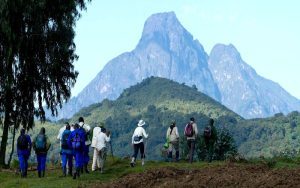
Visitors move through natural forest rather than a carefully surfaced tourist path. Depending on the day, the route may involve steep slopes, roots, streams, mud and dense vegetation. The weather can also change quickly.
You do not need specialist mountaineering equipment. However, strong footwear, long clothing, rain protection and a well-organized daypack are important.
Use this guide as a general checklist, then adjust it according to your travel season, safari length and personal needs.
Quick Uganda Gorilla Safari Packing Checklist
If you need a simple overview, start with these essentials:
- Passport and required travel documents
- Gorilla permit confirmation
- Yellow fever certificate where required
- Travel insurance information
- Strong waterproof or water-resistant hiking boots
- Long lightweight trekking trousers
- Long-sleeved trekking shirt
- Waterproof rain jacket
- Long socks
- Gardening or trekking gloves
- Small waterproof daypack
- Reusable water bottle
- Packed lunch or snacks provided by the lodge
- Personal medication
- Sunscreen
- Insect repellent
- Hat
- Camera
- Spare battery
- Waterproof camera protection
- Binoculars for the wider safari
- Warm layer for cool mornings
- Comfortable clothes for the lodge
- Soft-sided main luggage
This is only the starting point. The following sections explain why each item matters and how to choose it.
Understanding Uganda’s Gorilla Trekking Environment
Before deciding what to pack, it helps to understand the conditions in Bwindi and Mgahinga.
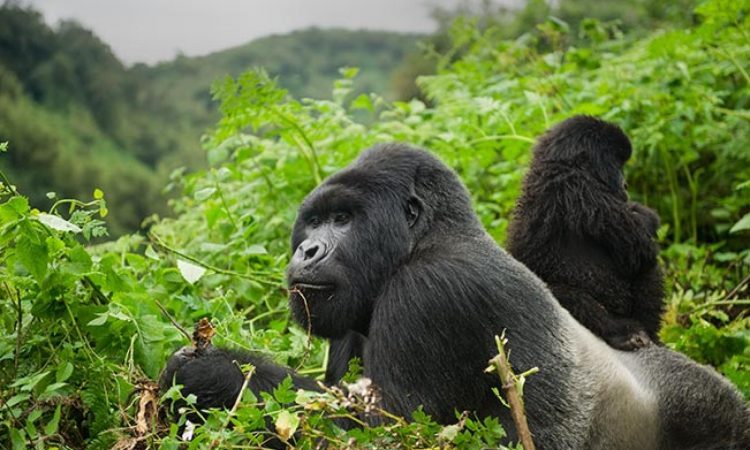
Bwindi is a mountainous tropical forest in southwestern Uganda. It contains steep ridges, deep valleys, dense vegetation and streams. Trekking conditions vary between its principal tourism sectors: Buhoma, Ruhija, Rushaga and Nkuringo.
Mgahinga Gorilla National Park lies in the Virunga Mountains near Kisoro. Its volcanic terrain and elevation can produce cool conditions, particularly early in the morning.
Neither destination has completely predictable weather. Even during a generally drier period, rain can fall in the forest. During wetter months, paths may become muddy and slippery.
A trek can take a few hours or occupy much of the day. The gorillas move through their habitat in search of food and suitable resting areas, so the distance cannot be determined in advance.
Your clothing must therefore perform several jobs:
- Protect your skin from vegetation
- Remain comfortable during physical activity
- Provide warmth during cool periods
- Manage light rain and moisture
- Dry reasonably quickly
- Allow unrestricted movement
The goal is practical comfort rather than fashion. Neutral-coloured outdoor clothing is usually the most useful choice.
What to Wear for Gorilla Trekking in Uganda
Long trekking trousers
Long trousers protect your legs from branches, insects, nettles and other forest vegetation. Shorts are generally unsuitable for gorilla trekking.
Choose lightweight or medium-weight hiking trousers with enough flexibility for stepping over roots and climbing slopes. Quick-drying material is preferable to heavy cotton.
Suitable features include:
- Stretch fabric
- Secure pockets
- Reinforced knees
- Adjustable waist
- Quick-drying material
- Breathable construction
Avoid trousers that are very tight, heavy or difficult to move in. Jeans can become uncomfortable when wet and may take a long time to dry.
Convertible trousers with removable lower sections can be useful during the wider safari, but keep the legs attached while trekking.
Travellers often tuck their trousers into long socks. This helps prevent insects and plant material from entering around the ankles.
Long-sleeved trekking shirt
A breathable long-sleeved shirt protects the arms from scratches, insects and sunlight.
Choose a shirt that allows airflow and manages moisture. Lightweight outdoor fabrics are generally more comfortable than thick cotton.
A buttoned trekking shirt can be opened slightly when conditions become warm. Some designs also provide roll-up sleeves, although sleeves should normally remain down inside dense vegetation.
Pack at least two suitable shirts if your itinerary includes more than one forest activity. This gives one shirt time to dry after rain or washing.
Neutral colours such as green, brown, beige and grey are practical. Bright colours are not automatically prohibited, but neutral clothing is less distracting and works well for other safari activities.
Waterproof rain jacket
A dependable rain jacket is one of the most important items in any Uganda Gorilla Safari Packing Guide.
Select a lightweight waterproof jacket with:
- A functional hood
- Sealed or protected zips
- Breathable material
- Adjustable cuffs
- Enough room for a warm layer
- A compact packed size
A thin emergency poncho offers some protection but may tear on vegetation and can restrict movement. A fitted waterproof jacket is usually more practical.
Water-resistant and waterproof are not identical. A water-resistant jacket may handle light rain but become saturated during a longer downpour.
Avoid a heavy insulated winter coat. Layering a lightweight rain shell over a fleece normally offers more flexibility.
Warm fleece or lightweight sweater
Early mornings in Bwindi and Mgahinga can feel cool, especially at higher elevations. Pack a light fleece, sweater or insulated layer.
You may remove it after beginning the trek, so it should fit easily inside your daypack.
A fleece is also useful during:
- Early game drives
- Evening lodge meals
- Outdoor breakfasts
- Boat trips
- Cool transfers through southwestern Uganda
One versatile layer is normally sufficient for a standard safari. Travellers who feel cold easily may bring an additional lightweight base layer.
Hiking boots for a Uganda gorilla safari
Footwear is one of the most important packing decisions. Trekking paths can be muddy, uneven and steep.
Choose hiking boots with:
- Good grip
- Ankle support
- A secure fit
- A stable sole
- Water-resistant or waterproof construction
- Enough toe room for descents
The boots do not have to be technical mountaineering footwear. A reliable pair of mid-height hiking boots is suitable for most visitors.
Do not begin the trek in brand-new boots. Wear them during several walks before travelling so you can identify pressure points or discomfort.
Pack suitable trekking socks and any blister-prevention products you normally use. If using insoles, test them at home.
Running shoes may be comfortable on dry, easy paths, but they provide less protection and grip in mud. Open sandals are not suitable for the forest trek.
Long trekking socks
Wear socks that reach above the top of your boots. Moisture-managing hiking socks help reduce friction and discomfort.
Pack at least two or three pairs, depending on the itinerary. A spare dry pair can be valuable after a wet trek.
Tucking trousers into long socks can help protect the ankles. Choose socks that hold the trousers securely without restricting circulation.
Avoid relying only on thin everyday socks. Hiking socks generally provide better cushioning and moisture control.
Gardening or trekking gloves
Gloves are frequently overlooked, but they can be extremely useful. During steep sections, trekkers may reach for branches, vines or the ground for support.
Simple gardening gloves provide protection from rough surfaces and vegetation. Lightweight outdoor work gloves are another option.
Choose gloves with:
- A good grip
- Flexible fingers
- Breathable material
- A secure wrist
- Enough durability for wet vegetation
Heavy winter gloves are unnecessary unless being used separately for warmth.
Gloves do not replace careful movement. Follow the guide’s route and avoid grabbing unknown plants unless necessary.
Hat and sun protection
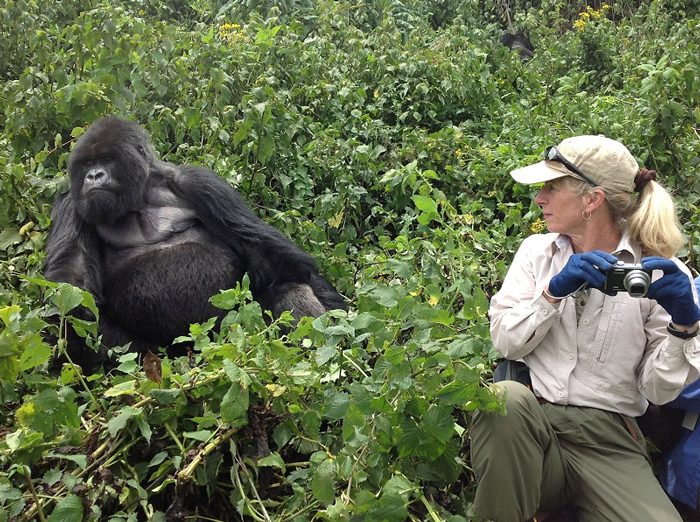
Although much of the trek takes place under forest cover, travellers may spend time in open areas before entering or after leaving the forest.
A lightweight hat provides protection from sunlight and light rain. Choose one that can be folded into the daypack.
A cap works well, while a broad-brimmed hat provides additional neck protection. Secure loose hats when conditions are windy.
Uganda Gorilla Safari Packing Guide for Your Daypack
Your trekking daypack should be large enough for essential items but small enough to carry comfortably.
A capacity of approximately 15 to 25 litres is sufficient for most travellers. You do not need a large expedition backpack for a one-day gorilla trek.
Useful daypack features include:
- Comfortable shoulder straps
- Chest strap
- Water-resistant material
- External bottle pocket
- Secure zips
- Internal organization
- Lightweight construction
- Rain cover
Even when a bag is described as waterproof, protect documents, electronics and medication in separate waterproof pouches.
A porter can carry your daypack, but you should still pack it sensibly. An unnecessarily heavy bag makes the trek harder for everyone.
Drinking water
Carry enough safe drinking water for the trek. The exact quantity depends on weather, personal needs and expected duration.
Many lodges or tour operators supply bottled water. A reusable bottle or hydration system may also be used where appropriate.
Do not drink water from forest streams. Carry treated water from a reliable source.
Take regular small drinks instead of waiting until you feel very thirsty. Your guide will advise when and where the group can stop.
Eating and drinking near the gorillas are restricted. Follow the ranger’s instructions once the gorilla family is approached.
Packed lunch and snacks
Because trekking duration is unpredictable, visitors may receive a packed lunch from the lodge.
Typical packed items can include fruit, sandwiches, boiled eggs, biscuits or similar foods. Travellers with allergies or dietary requirements should notify the lodge in advance.
Choose snacks that:
- Are easy to carry
- Produce little waste
- Remain stable without refrigeration
- Can be eaten during an authorized break
Keep all wrappers and food waste inside the bag. Nothing should be left in the forest.
Do not eat while observing the gorillas. The ranger will identify appropriate times for breaks.
Waterproof bags and dry pouches
Place sensitive items inside reusable waterproof bags or dry pouches.
Protect:
- Passport copy
- Permit confirmation
- Phone
- Camera accessories
- Batteries
- Medication
- Spare clothing
- Money
A daypack rain cover helps, but water can still enter around zips or through the back panel.
Avoid loosely packing everything in disposable plastic bags. Uganda has restrictions concerning certain plastic carrier bags, and reusable waterproof organizers are more durable.
Small towel or absorbent cloth
A compact quick-drying towel can be used to wipe rain, mud or equipment. It takes little space and can be useful after the trek.
A separate lens cloth protects camera equipment. Do not use a muddy clothing towel on lenses.
Personal medication
Carry any medication needed during the trekking day. Keep it in clearly labelled original packaging where possible.
Bring enough prescribed medicine for the entire trip, plus a sensible allowance for delays. Discuss storage requirements with a healthcare professional, particularly if a medicine needs refrigeration.
Never place essential medicine in checked luggage only. Keep it accessible during flights, transfers and the trek.
Documents to Pack for a Uganda Gorilla Safari
Travel documents should be organized before departure.
Important items may include:
- Passport
- Uganda visa or entry authorization where required
- Gorilla permit confirmation
- Travel insurance certificate
- Flight information
- Accommodation confirmations
- Emergency contact details
- Vaccination documentation where required
- Copies of prescriptions
- Driver’s licence for self-drive travel
- Cross-border documents where applicable
Keep printed and electronic copies in separate locations.
The passport used for booking should match the identification presented during travel. Notify your tour operator if your passport changes after the permit has been arranged.
Gorilla permit documentation
A gorilla permit is issued for a specific trekking date and location. Your operator may hold the official permit or provide the required confirmation.
Before travelling, verify:
- Correct traveller name
- Trekking date
- National park
- Bwindi sector where applicable
- Pickup arrangements
- Briefing location
- Required identification
Do not assume that every lodge in Bwindi is convenient for every trekking sector. Buhoma, Ruhija, Rushaga and Nkuringo are separated by significant driving distances.
Passport and visa documents
Check Uganda’s current entry requirements through an official government source before travelling.
Ensure your passport has sufficient validity and available pages. Carry a secure copy separately from the original.
If entering Uganda from Rwanda or combining several East African countries, confirm that the selected visa or entry arrangement matches the complete itinerary.
Visa rules can change. Avoid relying entirely on old travel articles or unofficial application websites.
Vaccination and health documentation
Health requirements depend on the destination, route, age and personal medical circumstances.
Current CDC guidance recommends yellow fever vaccination for eligible travellers to Uganda and reports a certificate requirement for arriving travellers from the relevant age threshold. Requirements and medical suitability should be checked with an official source and qualified healthcare professional.
Uganda is also a malaria-risk destination. CDC advises travellers to discuss prescription malaria prevention with a clinician because the correct choice and timing vary by person.
Arrange a travel-health appointment well before departure. Ask about:
- Routine vaccinations
- Yellow fever
- Malaria prevention
- Hepatitis
- Typhoid
- Personal medical conditions
- Medication interactions
- Insect-bite prevention
This article provides packing guidance, not personalized medical advice.
Health and First-Aid Packing List
Your tour vehicle or lodge may have a general first-aid kit, but bring personal supplies for common minor needs.
Consider packing:
- Prescription medication
- Adhesive bandages
- Blister dressings
- Antiseptic wipes
- Oral rehydration salts
- Personal pain relief
- Motion-sickness medication if normally required
- Insect-bite treatment
- Hand sanitizer
- Sunscreen
- Insect repellent
- Any medically required allergy supplies
Ask a qualified healthcare professional which medicines are suitable for you. Do not take unfamiliar medication based only on another traveller’s recommendation.
Insect repellent
Choose an effective insect repellent suitable for your age, health and destination. Follow the product instructions.
Apply it to exposed skin and clothing as directed. Reapplication may be necessary after sweating or rain.
Long sleeves, trousers and closed shoes provide additional physical protection. At the lodge, use the mosquito net where supplied and keep doors or screens closed.
Sunscreen
Uganda lies near the Equator, so sun protection remains important even during a forest-focused itinerary.
Use broad-spectrum sunscreen and follow the application instructions. Apply it before leaving the lodge and reapply as necessary.
Include sun protection for:
- Road transfers
- Game drives
- Boat safaris
- Open trekking areas
- Lodge terraces
- City tours
Hand hygiene
Carry a small bottle of hand sanitizer for situations where soap and water are unavailable. Use it before eating and after handling shared surfaces.
A small packet of tissues can also be helpful. Every used item must be packed out of the forest.
Camera Equipment for Gorilla Trekking
Gorilla photography presents unique conditions. The forest can be dark, subjects may move and rain is possible.
You do not need professional equipment to capture meaningful photographs. A modern phone or compact camera can produce excellent results when used carefully.
Camera body and lens
A camera with good performance in lower light is helpful. A moderate zoom lens offers flexibility without becoming excessively heavy.
A focal range around a standard-to-medium telephoto level is often practical. Very large wildlife lenses may be difficult to use in dense vegetation and at the regulated viewing distance.
Do not change lenses repeatedly in rain, dust or mud. If carrying two lenses is essential, a second camera body may be more convenient, although it adds weight.
Flash photography
Flash photography is not permitted during gorilla viewing. Turn off automatic flash before approaching the gorillas.
Some cameras and phones activate flash automatically in dark conditions. Check the settings during the evening before the trek.
Use available light, steady camera technique and suitable exposure settings instead.
Spare batteries
Cold conditions, video recording and frequent image review can drain batteries quickly.
Charge equipment fully before the trek and carry at least one spare battery when possible.
Protect spare batteries from moisture. Store them in a secure case rather than loose with metal objects.
Electricity may be limited or supplied only during certain hours at remote lodges. Charge whenever power is available.
Memory cards and storage
Use a clean memory card with enough capacity for photographs and video. Carry a backup card in a waterproof case.
Download or back up images when practical. Do not rely on cloud storage because internet access can be limited.
Phone photography
A smartphone is convenient and lightweight. Prepare it before entering the forest:
- Free adequate storage
- Charge the battery
- Disable the flash
- Activate silent or low-noise settings
- Download offline travel documents
- Protect it with a waterproof case
- Carry a power bank if needed
Keep attention on the experience rather than viewing the entire encounter through the screen.
Binoculars
Binoculars are not essential for viewing gorillas at the authorized observation point, but they are valuable during the rest of the safari.
Uganda offers outstanding birdlife and other wildlife in Bwindi, Mgahinga, Queen Elizabeth, Lake Mburo, Kibale and Murchison Falls.
A compact pair is easier to carry. If gorilla trekking is the only activity that day, binoculars can remain with the driver unless you are interested in forest birds.
Equipment to Leave Behind
Tripods are often impractical on a gorilla trek because of dense vegetation, uneven ground and limited viewing time. A monopod may also become inconvenient.
Drones should not be packed for casual use in protected areas. Their operation is restricted and can disturb wildlife. Do not fly a drone without the required authorization.
Avoid bringing an unnecessarily large camera bag. Heavy equipment increases fatigue and may slow movement through the forest.
Seasonal Uganda Gorilla Safari Packing Guide
Uganda’s gorilla destinations can be visited throughout the year. However, packing should account for seasonal conditions.
Packing for generally drier months
During drier periods, trekking trails may be easier to navigate, but rain is still possible.
Pack:
- Waterproof jacket
- Breathable trekking clothes
- Sun protection
- Insect repellent
- Reusable water bottle
- Dust protection for cameras
- Light warm layer
Do not remove rain gear from the list simply because the trip falls in a commonly drier month.
Packing for wetter months
Wet-season trekking can be highly rewarding, with green landscapes and atmospheric forest conditions.
Add or prioritize:
- High-quality waterproof jacket
- Waterproof daypack cover
- Dry bags
- Quick-drying trousers
- Spare trekking socks
- Waterproof or water-resistant boots
- Gaiters if preferred
- Extra clothing for after the trek
- Protective camera covering
A compact umbrella may be useful at the lodge, but it is usually less practical while moving through thick forest.
Packing for cool highland mornings
Ruhija, Nkuringo, Rushaga, Mgahinga and other elevated areas can feel cold early in the day.
Layer clothing rather than wearing one heavy garment:
- Breathable base layer
- Long-sleeved trekking shirt
- Lightweight fleece
- Waterproof outer shell
Layers can be removed as activity and temperature increase.
Packing for a Gorilla and Wildlife Safari
Many visitors combine gorilla trekking with Queen Elizabeth, Lake Mburo, Murchison Falls or another savannah destination.
Add the following for the wider safari:
- Binoculars
- Sun hat
- Sunglasses
- Lightweight casual clothing
- Sandals or comfortable lodge shoes
- Camera zoom lens
- Swimsuit where relevant
- Light scarf
- Warm layer for early game drives
- Small torch or headlamp
Avoid military-style camouflage clothing because restrictions or sensitivities can apply in some destinations. Neutral safari colours work well without full camouflage patterns.
Main Luggage for a Uganda Gorilla Safari
Soft-sided luggage is usually more practical than a large hard suitcase, particularly when travelling in a safari vehicle.
A soft duffel bag:
- Fits irregular luggage compartments
- Is easier to lift
- Takes less space
- Can be compressed
- Works better on light-aircraft transfers
Check airline luggage allowances if the itinerary includes a domestic flight. Small aircraft often impose stricter weight and bag-dimension limits than international airlines.
Use packing cubes or organizers to separate:
- Trekking clothes
- Lodge clothes
- Underwear and socks
- Electronics
- Toiletries
- Laundry
Keep essential items in your hand luggage in case the checked bag is delayed.
How Much Clothing Should You Pack?
Most Uganda safari lodges offer laundry services, although underwear and certain delicate items may not be accepted.
For a one-week safari, a practical clothing list could include:
- Two or three long-sleeved trekking or safari shirts
- Two pairs of long trousers
- One waterproof jacket
- One fleece
- Several pairs of socks
- Comfortable lodge clothes
- Sleepwear
- Underwear
- One pair of hiking boots
- One pair of casual shoes or sandals
- Hat
Adjust quantities according to laundry access and personal needs.
Packing fewer versatile items creates more room in the safari vehicle and makes transfers easier.
Toiletries and Personal Items
Bring travel-sized toiletries where practical.
Useful items include:
- Toothbrush and toothpaste
- Deodorant
- Moisturizer
- Lip balm
- Sunscreen
- Insect repellent
- Personal hygiene products
- Quick-drying towel
- Comb or brush
- Contact-lens supplies
- Spare glasses
Avoid strongly scented products before trekking. A mild or unscented option is more suitable in a wildlife environment.
Where possible, choose reusable containers and environmentally considerate products.
Should You Hire a Porter?
Hiring a porter is strongly recommended, even for travellers who consider themselves fit.
A porter can:
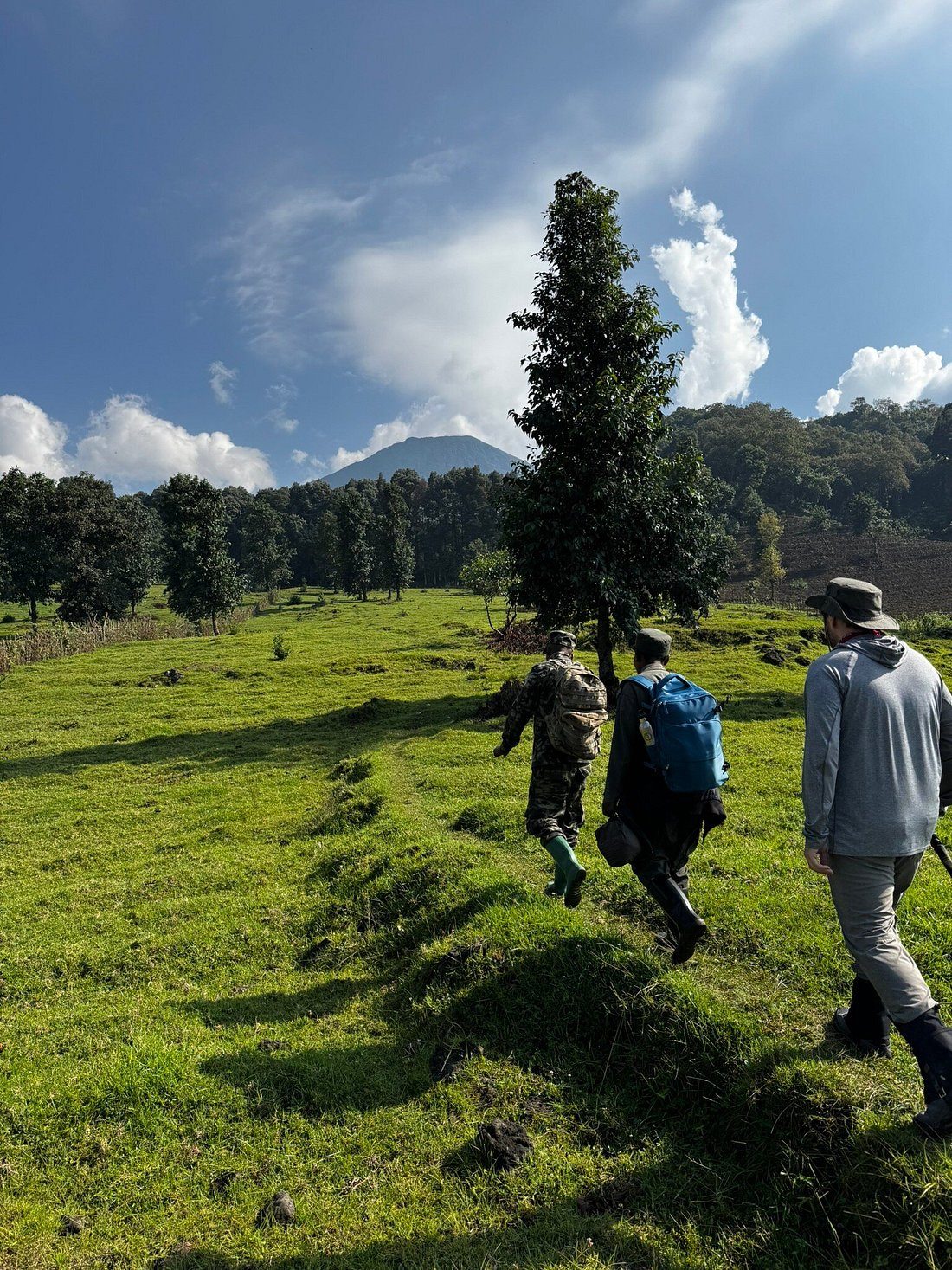
- Carry the daypack
- Help on slippery sections
- Offer a steady hand on steep slopes
- Reduce fatigue
- Help protect camera equipment
- Support local livelihoods
Porters are members of nearby communities and depend partly on tourism income. Hiring one creates a direct local benefit.
The porter does not replace personal preparation. You still need proper boots, appropriate clothing and reasonable fitness.
Bring suitable cash for the porter fee and gratuity. Ask your operator for current local guidance rather than relying on an old online amount.
What Not to Pack for Gorilla Trekking
Some items create unnecessary weight or may be inappropriate.
Consider leaving behind:
- Heavy formal clothing
- Multiple hard suitcases
- Open shoes for trekking
- High-heeled footwear
- Heavy winter coats
- Excessive jewellery
- Large amounts of cash
- Speakers
- Strong perfume
- Flash-only photography equipment
- Disposable plastic carrier bags
- Drones without authorization
- Large tripods
- Unnecessary food packaging
Do not bring firearms, wildlife products or prohibited substances into protected areas.
Common Gorilla Safari Packing Mistakes
Wearing jeans on the trek
Jeans absorb water, become heavy and dry slowly. Lightweight hiking trousers are more practical.
Using new hiking boots
New boots may create pressure points or blisters. Wear them before the safari.
Forgetting rain protection
Bwindi and Mgahinga are forest environments where rain can occur at any time.
Carrying too much camera equipment
A heavy camera bag becomes difficult during a long or steep trek. Bring equipment you can use confidently.
Packing only short clothing
Shorts and short sleeves provide limited protection against plants and insects.
Leaving documents at the wrong lodge
Keep required identification and permit information ready for the morning briefing.
Packing every essential item in checked luggage
Medication, documents, one change of clothing and essential electronics should remain in hand luggage.
Ignoring the Bwindi sector
Confirm whether the trek begins in Buhoma, Ruhija, Rushaga or Nkuringo before booking accommodation and transport.
Packing the Night Before Your Gorilla Trek
Prepare everything before going to sleep so the morning remains calm.
Complete this checklist:
- Charge the phone and camera
- Disable camera flash
- Install the memory card
- Pack spare batteries
- Place documents in a waterproof pouch
- Fill the water bottle
- Confirm the packed lunch
- Pack the rain jacket
- Prepare trekking clothes
- Check boots and socks
- Add gloves
- Pack medication
- Confirm departure time
- Arrange porter cash
- Set an alarm
Ask the lodge about breakfast timing and the transfer to the briefing point.
Final Uganda Gorilla Safari Packing Checklist
Clothing
- Long trekking trousers
- Long-sleeved shirt
- Waterproof jacket
- Lightweight fleece
- Hiking socks
- Comfortable lodge clothing
- Sleepwear
- Hat
- Underwear
Footwear
- Broken-in hiking boots
- Casual shoes or sandals
- Optional gaiters
Trekking daypack
- Drinking water
- Packed lunch
- Rain jacket
- Gloves
- Sunscreen
- Insect repellent
- Medication
- Documents
- Camera
- Spare battery
- Waterproof pouches
- Small towel
Documents
- Passport
- Visa information
- Gorilla permit confirmation
- Travel insurance
- Vaccination certificate where required
- Flight details
- Emergency contacts
- Driver’s licence when applicable
Photography
- Camera or smartphone
- Suitable lens
- Spare batteries
- Memory cards
- Waterproof cover
- Charger
- Power bank
- Binoculars
Health and hygiene
- Prescription medication
- Basic personal first-aid supplies
- Blister dressings
- Hand sanitizer
- Personal toiletries
- Sunscreen
- Insect repellent
Frequently Asked Questions
What colour should I wear for gorilla trekking?
Neutral colours such as green, brown, beige and grey are practical. Comfort, protection and fabric performance are more important than wearing a traditional safari colour.
Can I wear shorts?
Long trousers are strongly recommended because they protect against vegetation, insects and mud.
Do I need waterproof hiking boots?
Waterproof or water-resistant boots are helpful. Good grip, support and a comfortable fit are equally important.
Are gardening gloves necessary?
They are not always compulsory, but they are useful when holding branches or supporting yourself on steep ground.
Can I carry my own bag?
Yes. However, hiring a porter reduces fatigue and supports the local community.
Is a rain jacket needed in the dry season?
Yes. Rain can occur throughout the year in Uganda’s mountain forests.
Can I use flash photography?
No. Turn off automatic flash before approaching the gorillas.
Do I need a professional camera?
No. A smartphone or compact camera can produce memorable images. The photographer should understand the device’s low-light settings and keep flash disabled.
How heavy should my daypack be?
Keep it as light as practical. Carry water, food, rain gear, essential medication, documents and necessary camera equipment.
Should I bring trekking poles?
They may be useful for some travellers, but discuss them with the guide. Local walking sticks may also be available. A porter often provides more practical assistance.
Can I wear white clothing?
You can, but white shows mud and dirt quickly. Neutral medium or darker colours are generally more practical.
Book Your Uganda Gorilla Safari
Universal Ventures Rwanda organizes gorilla trekking journeys in Uganda and Rwanda, including permits, accommodation, private transportation and customized safari extensions.
Our team can help arrange:
- Uganda gorilla permits
- Bwindi accommodation
- Mgahinga gorilla safaris
- Private 4×4 transportation
- Kigali–Bwindi transfers
- Entebbe–Bwindi safaris
- Queen Elizabeth National Park extensions
- Chimpanzee trekking
- Driver-guided tours
- Cross-border itineraries
Contact Universal Ventures Rwanda
Address: KN 15 Road, opposite the IPRC entrance, First Floor, Sangwa Plaza, Kigali, Rwanda
Telephone and WhatsApp: +250 781 441 853
Email: info@universalventuresrwanda.com
Website: www.universalventuresrwanda.com