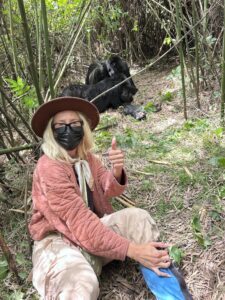
Family Gorilla Safaris in Uganda offer a rare wildlife experience. Parents and teenagers can meet mountain gorillas in a wild forest. At the same time, younger children can enjoy safe activities near the park.
Uganda is one of the few countries that protects wild mountain gorillas. Gorilla trekking takes place in Bwindi Impenetrable National Park and Mgahinga Gorilla National Park. Both parks are in southwestern Uganda.
Bwindi is the country’s main gorilla destination. It has several habituated gorilla families and four trekking sectors. Mgahinga is smaller. However, it offers volcanic scenery, golden monkeys, and Batwa cultural experiences.
Planning a family safari requires special care. For example, Uganda’s official minimum age for gorilla trekking is 15 years. Children below that age cannot join the standard trek. Instead, they need a safe and supervised programme.
Moreover, family rooms, meals, transport, and rest stops must be planned early. A private vehicle is often the best choice. It allows the family to stop when needed.
This guide explains how to plan Family Gorilla Safaris in Uganda. It covers permits, age rules, accommodation, transport, safety, packing, costs, and itineraries.
Why Choose Family Gorilla Safaris in Uganda?
Uganda offers much more than gorilla trekking. For example, families can combine mountain gorillas with game drives, boat safaris, chimpanzees, and cultural experiences. Moreover, the country has several family-friendly national parks. As a result, every traveller can enjoy an activity suited to their age.
Gorilla trekking often becomes the main highlight. However, the wider safari is equally important for families. Queen Elizabeth National Park offers game drives and boat trips. Meanwhile, Lake Mburo provides a useful stop between Entebbe and Bwindi. In addition, Kibale Forest adds chimpanzees, birds, monkeys, and community activities.
Uganda also offers several accommodation levels. Therefore, families can choose budget, midrange, or luxury lodges. Most importantly, private tours can be adjusted around school holidays, children’s ages, and family interests.
A Powerful Family Wildlife Experience
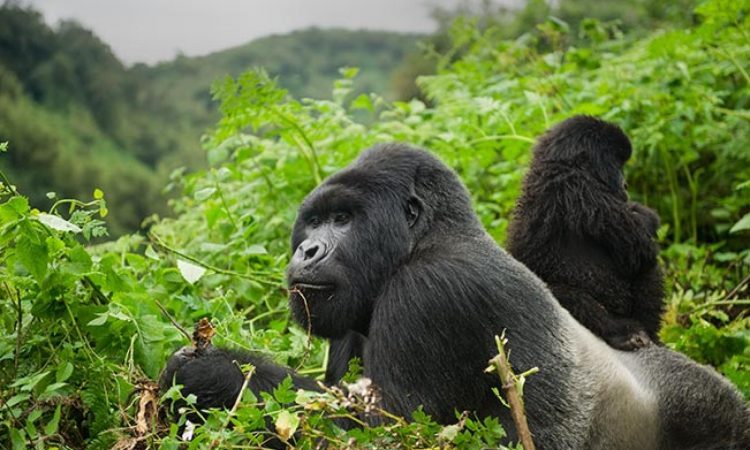
Meeting mountain gorillas can be deeply moving. Visitors watch them feed, rest, play, and care for their young. Unlike animals in a zoo, these gorillas move freely through the forest.
Furthermore, the trek helps young travellers understand conservation. Rangers explain why gorillas need protection. They also teach visitors how tourism supports the parks and nearby communities.
Many Activities in One Country
Uganda combines forests, lakes, wetlands, mountains, and savannah. Consequently, families can enjoy several types of safari without crossing many international borders.
For instance, a family may track gorillas in Bwindi and then visit Queen Elizabeth National Park. There, they can search for elephants, buffaloes, lions, hippos, and antelopes.
Alternatively, the family can continue to Kibale Forest. Eligible visitors can track chimpanzees. Younger children can enjoy community and wetland activities.
Flexible Safari Options
Family Gorilla Safaris in Uganda can begin in Entebbe, Kampala, or Kigali. Entebbe works well for longer Uganda tours. In contrast, Kigali is practical for short trips to southern Bwindi and Mgahinga.
Families can also choose different accommodation levels. Budget guesthouses, midrange lodges, and luxury forest properties are available.
Therefore, the trip can be adjusted to fit the family’s time and budget.
Where Do Family Gorilla Safaris in Uganda Take Place?
Uganda has two main gorilla trekking destinations. These are Bwindi Impenetrable National Park and Mgahinga Gorilla National Park.
Both parks offer guided trekking. However, their landscapes and access routes are different.
Family Gorilla Safaris in Uganda in Bwindi
Bwindi Impenetrable National Park is Uganda’s best-known gorilla park. Its ancient rainforest covers steep hills and deep valleys.
Several mountain gorilla families have been habituated for tourism. This process helps gorillas become used to controlled human visits. Still, the animals remain wild.
The Four Bwindi Trekking Sectors
Bwindi has four main gorilla trekking sectors:
- Buhoma
- Ruhija
- Rushaga
- Nkuringo
Each sector has its own trekking headquarters. It also has separate gorilla families and accommodation.
Therefore, a permit booked for Rushaga cannot simply be used in Buhoma. The lodge and permit sector must match.
What Is the Bwindi Forest Like?

Bwindi has thick plants, streams, hills, and narrow forest paths. Some areas are steep. In addition, rain can make the ground wet and slippery.
Trekking time changes from day to day. Gorillas move freely while searching for food. As a result, one family may find them quickly, while another group may walk for several hours.
An easy trek cannot be promised. However, parents should share fitness or mobility concerns before arrival. This information can help the guide and park team prepare.
Family Gorilla Safaris in Uganda in Mgahinga
Mgahinga Gorilla National Park lies near Kisoro. It is also close to Uganda’s borders with Rwanda and the Democratic Republic of Congo.
The park forms part of the Virunga conservation area. Therefore, it shares a wider mountain ecosystem with Rwanda’s Volcanoes National Park.
Why Families Choose Mgahinga
Mgahinga is smaller than Bwindi. However, it offers a quiet setting and impressive volcanic views.
Families can combine gorilla trekking with golden monkey tracking. They may also visit Lake Mutanda or join an approved cultural experience.
Furthermore, Mgahinga is easy to include in a safari from Kigali. After crossing into Uganda, the family can continue toward Kisoro and the park.
Other Activities Around Mgahinga
The region offers several activities, including:
- Golden monkey tracking
- Birdwatching
- Nature walks
- Batwa cultural experiences
- Lake Mutanda excursions
- Scenic photography
- Volcano hiking for suitable visitors
However, age and fitness rules may apply. Therefore, families should confirm each activity before booking.
Minimum Age for Gorilla Trekking in Uganda
The official minimum age for gorilla trekking in Uganda is 15 years. Therefore, parents should check every child’s age before reserving permits. In addition, passport details must match the information used during booking.
The rule supports both safety and conservation. First, the forest can be steep, wet, and muddy. Second, visitors must remain calm near wild gorillas. Finally, mountain gorillas can catch human illnesses.
Children below 15 cannot join the standard trek. Instead, they should follow a supervised alternative programme. For example, they may enjoy crafts, birdwatching, nature walks, or cultural experiences. Meanwhile, eligible relatives can complete the gorilla trek.
Can a Child Under 15 Trek Gorillas?
Parents should not depend on unofficial promises of an exception. Unless Uganda Wildlife Authority gives clear written approval, a child under 15 should not be included in the trekking group.
Instead, arrange another activity before the safari begins. This avoids disappointment on the trekking morning.
Moreover, buying a permit does not remove the age rule. Park staff may check passport information before the briefing.
Family Gorilla Safaris in Uganda With Younger Children
Children under 15 can still travel to Bwindi or Mgahinga. They can stay at the family lodge and enjoy supervised activities.
However, parents must organise safe supervision. The gorilla trek may last several hours. Therefore, a child should not remain alone at the lodge.
Activities for Children Under 15
Suitable activities may include:
- Lodge games
- Art and craft sessions
- Birdwatching
- Short nature walks
- Community visits
- Storytelling
- Farm experiences
- Scenic drives
- Lake Mutanda trips
- Cultural music and dance
The programme should match the child’s age. For example, a young child may prefer games and crafts. Meanwhile, an older child may enjoy photography or birdwatching.
Planning Child Supervision
Parents can choose one adult to remain with younger children. Alternatively, the tour operator may arrange a trusted guide or caregiver.
The plan should be confirmed in writing. In addition, parents should know where the children will go, who will supervise them, and when they will return.
Family Gorilla Safaris in Uganda With Teenagers
Teenagers aged 15 and older may join the gorilla trek. However, age is not the only factor.
They should be able to walk on uneven ground. Moreover, they need patience because the trekking time is uncertain.
Preparing Teenagers for the Trek
Regular walks before the safari can help. There is no need for extreme training. Instead, teenagers should become comfortable with hills and longer walks.
They should also test their hiking boots before travelling. New boots may cause pain or blisters.
In addition, parents should explain the forest conditions. Mud, rain, insects, and steep paths are all possible.
Teaching Gorilla Trekking Rules
Teenagers must follow ranger instructions. They should speak quietly near the gorillas and avoid sudden movement.
Flash photography is not allowed. Therefore, cameras and phones should be prepared before the encounter.
Most importantly, teenagers should look beyond their screens. A few good photographs are valuable. However, observing the gorillas directly creates a stronger memory.
Gorilla Permit Prices for Families
Each eligible trekker needs an individual gorilla permit. Teenagers aged 15 and older pay the same permit rate as adults.
Uganda Wildlife Authority listed the foreign non-resident permit at USD 800 under its July 2024 to June 2026 tariff. However, that tariff period has ended. Therefore, travellers should confirm the price that applies to their trekking date.
The final rate may depend on nationality or residency status. In addition, official prices can change.
What Does a Gorilla Permit Cover?
A standard permit normally covers:
- Permission to track one gorilla family
- Park access for the trekking activity
- Ranger and tracker services
- The permitted viewing period
- Conservation contributions
- Community support linked to tourism
However, it does not normally cover accommodation, transport, porters, or travel insurance.
How to Book Family Gorilla Safaris in Uganda
Begin by choosing the travel dates. Next, record the age of each child on the trekking day.
After that, check permit availability. Gorilla permits should be secured before non-refundable lodge bookings are made.
Step One: Confirm Family Details
Provide:
- Number of adults
- Number of children
- Children’s ages
- Passport nationalities
- Travel dates
- Arrival airport
- Preferred trip length
- Accommodation level
- Dietary needs
- Health or mobility concerns
These details help the operator design the correct safari.
Step Two: Check Gorilla Permits
The operator should check Bwindi and Mgahinga availability. If the preferred sector is full, another sector may be offered.
Nevertheless, the family should never accept a permit without knowing its location.
Step Three: Match the Lodge and Sector
Once the permits are secured, book accommodation near the right headquarters.
For example, a Rushaga permit should be matched with accommodation in or near Rushaga. Staying in Buhoma would create an unsuitable morning transfer.
Step Four: Arrange Younger Children’s Activities
If some children are under 15, confirm their programme early.
The booking should show:
- Activity type
- Supervising adult
- Starting time
- Meal arrangements
- Emergency contact
- Expected return time
Step Five: Confirm the Final Package
The final confirmation should include permits, accommodation, transport, meals, activities, and airport transfers.
Therefore, parents can review the complete journey before travel.
Choosing the Best Bwindi Sector
Bwindi has four main trekking sectors. Therefore, families must match their permit with the correct lodge. A Rushaga permit should be paired with accommodation near Rushaga. Likewise, a Buhoma permit requires a lodge near Buhoma.
Buhoma connects well with Queen Elizabeth National Park. In contrast, Rushaga and Nkuringo are more convenient for tours from Kigali. Ruhija offers quiet forest scenery. Meanwhile, Mgahinga provides an alternative near Kisoro.
Permit availability may influence the final choice. For this reason, families should remain flexible during the early planning stage. Once permits are confirmed, accommodation and transport can be booked.
Buhoma for Family Gorilla Safaris in Uganda
Buhoma lies in northern Bwindi. It has a long tourism history and many lodge options.
Families can find luxury, midrange, and budget accommodation. In addition, several cultural and community activities are available.
Buhoma connects well with the Ishasha area of Queen Elizabeth National Park. Therefore, it is ideal for families adding wildlife game drives.
However, Buhoma is farther from Kigali than the southern sectors.
Ruhija for Family Gorilla Safaris in Uganda
Ruhija is in eastern Bwindi. It offers quiet forest views and excellent birdlife.
Because of its elevation, the area may feel cool. Therefore, pack warm clothing for mornings and evenings.
Roads may become slow during wet weather. Even so, Ruhija can fit well between Kabale, Buhoma, and Queen Elizabeth National Park.
Rushaga for Family Gorilla Safaris in Uganda
Rushaga is in southern Bwindi. It is one of the most practical sectors for tours from Kigali.
Several lodges are available near the trekking area. Moreover, the sector combines well with Lake Mutanda and Kisoro.
Families planning a short three- or four-day tour often choose Rushaga. Still, permits must be checked before confirming the lodge.
Nkuringo for Family Gorilla Safaris in Uganda

Nkuringo offers wide highland views. It also connects well with Lake Mutanda and southern Bwindi.
However, some parts of the landscape are steep. As a result, families should discuss fitness and road access before booking.
The sector can still provide an excellent experience. Proper planning is the key.
Bwindi or Mgahinga: Which Is Better?
Bwindi has more trekking sectors and more lodge options. Mgahinga offers a smaller park and volcanic scenery.
Choose Bwindi when:
- You want more accommodation choices.
- You plan to visit Queen Elizabeth National Park.
- You need several permit options.
- You want a broad price range.
In contrast, choose Mgahinga when:
- You are starting from Kigali.
- You want to visit Lake Mutanda.
- You are interested in golden monkeys.
- You prefer the Kisoro region.
Permit availability may make the final decision. Therefore, remain flexible during the booking stage.
Family Gorilla Safaris in Uganda From Kigali
Kigali is a useful starting point for southern Bwindi and Mgahinga. The safari can begin at Kigali International Airport or a city hotel.
A private driver-guide collects the family. Afterwards, the journey continues to the Rwanda–Uganda border.
Border procedures take time. In addition, road and traffic conditions may change. Therefore, do not schedule the gorilla trek on the arrival day.
Benefits of Starting in Kigali
A Kigali start may provide:
- Shorter access to southern Uganda
- Easy airport collection
- A Kigali city tour
- Access to Rwanda attractions
- Flexible hotel pickup
- A practical route for short safaris
Still, families need valid travel documents and the correct visa arrangements.
Family Gorilla Safaris in Uganda From Entebbe
Entebbe is the main entry point for a complete Uganda safari. It works well for families visiting several national parks.
The road journey to Bwindi is long. Therefore, add an overnight stop at Lake Mburo or another suitable destination.
Alternatively, families can use a domestic flight. This reduces road time. However, baggage limits and airstrip transfers need to be checked.
Three-Day Family Gorilla Safari From Kigali
Day 1: Kigali to Bwindi
Meet your driver-guide at Kigali Airport or your hotel. Travel toward the Uganda border and complete immigration.
Afterwards, continue to the correct Bwindi sector. Arrive at the lodge, check in, and prepare for trekking.
Day 2: Gorilla Trekking and Children’s Programme
Eligible family members attend the morning briefing. Next, they enter the forest with rangers.
Meanwhile, children under 15 enjoy their supervised programme. Later, the family meets again at the lodge.
Day 3: Return to Kigali
After breakfast, drive back to Kigali. Drop-off takes place at the airport or a city hotel.
An extra Kigali night is helpful when the international flight leaves early.
Ten-Day Family Gorilla and Wildlife Safari
Day 1: Arrival in Entebbe
Meet your driver-guide and transfer to the hotel.
Day 2: Entebbe to Lake Mburo
Travel to Lake Mburo. Afterwards, enjoy an afternoon game drive.
Day 3: Lake Mburo to Bwindi
Complete a morning activity. Next, drive to Bwindi.
Day 4: Gorilla Trekking
Eligible visitors enter the forest. Meanwhile, younger children follow their planned programme.
Day 5: Bwindi Family Day
Enjoy a cultural visit, nature activity, or relaxed lodge day.
Day 6: Bwindi to Queen Elizabeth
Travel through the Ishasha region. Where possible, search for tree-climbing lions.
Day 7: Game Drive and Kazinga Channel
Start with a morning game drive. Later, join a Kazinga Channel boat safari.
Day 8: Queen Elizabeth to Kibale
Drive to the Kibale region. Stop for scenic views along the way.
Day 9: Chimpanzees and Family Activities
Eligible travellers track chimpanzees. Meanwhile, other family members enjoy a wetland or community experience.
Day 10: Return to Entebbe
Drive back to Entebbe. Add another night when the departure flight leaves early.
Activities for Children Under 15
Younger children can still enjoy the gorilla region. For example, they may join a village walk, craft session, or birdwatching activity. Alternatively, the family can arrange a Lake Mutanda excursion.
Lodge activities are useful on the trekking morning. Meanwhile, eligible family members can enter the forest. Afterwards, everyone meets at the lodge and shares their experiences.
Supervision must be arranged early. Therefore, parents should confirm who will remain with the children. In addition, the programme should show the activities, meals, starting time, and expected return.
Lake Mutanda Boat Trip
Lake Mutanda offers calm scenery and views of the Virunga volcanoes.
A guided boat trip can suit families. However, life jackets and professional supervision are essential.
Community Experiences
A respectful village visit can introduce children to crafts, farming, dance, and music.
However, visitors should ask before taking photographs. They should also use programmes that support local residents.
Nature and Birdwatching Walks
Short guided walks can focus on birds, plants, butterflies, and local landscapes.
The route should match the child’s age. In addition, a responsible adult should join the activity.
Lodge Games and Crafts
Some lodges provide gardens, games, storytelling, or craft activities. These options work well on the gorilla trekking morning.
Family Game Drives
Game drives suit a wide range of ages. Children can search for zebras, elephants, giraffes, buffaloes, hippos, monkeys, and antelopes.
Furthermore, a wildlife checklist can keep younger travellers interested.
Preparing for the Gorilla Trek
Regular walking before the safari can improve comfort. However, extreme training is not needed.
Families should practise walking on hills where possible. They should also test their boots and rain jackets.
Preparing for Rain and Mud
Bwindi is a rainforest. Therefore, showers can occur in any month.
Pack a light rain jacket and waterproof boots. In addition, gaiters can help keep mud away from socks.
Preparing Teenagers for Gorilla Trekking
Teenagers do not need extreme training. However, regular walks can improve their comfort. In particular, walking on hills helps prepare them for Bwindi’s terrain.
Good footwear is also important. Therefore, hiking boots should be tested before the safari. Otherwise, new shoes may cause pain or blisters.
Rain can fall during any month. Consequently, every trekker should carry a light rain jacket. In addition, long trousers, gloves, and strong socks offer protection.
The trekking time cannot be predicted. As a result, teenagers should prepare for either a short or long walk. Most importantly, they must follow every ranger instruction.
What Happens on the Trekking Day?
The day starts with an early breakfast. Afterwards, eligible trekkers travel to the park headquarters.
Rangers provide a briefing. Next, visitors are divided into groups.
Trackers help locate the gorillas. Meanwhile, the trekking group follows forest paths and ranger instructions.
Once the gorillas are found, visitors observe them for the allowed time. Finally, the group walks back to the starting point.
The family should keep the afternoon flexible. Some trekkers return early, while others arrive later.
Why Families Should Hire Porters
Porters carry water, cameras, packed lunches, and rain jackets. Moreover, they can offer support on steep ground.
This service makes the trek more comfortable. It also provides local income.
Each person who wants regular help should consider hiring a porter.
Packing for Family Gorilla Safaris in Uganda
Trekking Clothes
Pack:
- Waterproof hiking boots
- Long trousers
- Long-sleeved shirts
- Rain jackets
- Warm sweaters
- Strong socks
- Gardening gloves
- Sun hats
Safari Essentials
Also bring:
- Passports
- Travel documents
- Personal medicine
- Refillable water bottles
- Sunscreen
- Insect repellent
- Cameras
- Binoculars
- Power banks
- Waterproof bags
- Simple road-trip games
Main luggage can remain in the safari vehicle. Therefore, trekkers only need a small daypack.
Choosing Family-Friendly Accommodation
A good lodge should provide comfort and practical services.
Look for:
- Family cottages
- Connecting rooms
- Twin or triple rooms
- Child-friendly meals
- Safe grounds
- Hot water
- Early breakfast
- Packed lunches
- Laundry
- Charging points
- Younger children’s activities
Most importantly, the lodge must be near the correct trekking sector.
Best Time for Family Gorilla Safaris in Uganda
Gorilla trekking operates throughout the year. However, weather conditions change between seasons.
June to September is often drier. Therefore, these months are popular with families. As a result, permits and family rooms may sell out early.
December to February can also offer good conditions. Nevertheless, Christmas and New Year are busy travel periods.
Rain is more common from March to May. Consequently, forest paths may become muddy. On the positive side, the landscape appears green and visitor numbers may be lower.
Cost of Family Gorilla Safaris in Uganda
The total price depends on:
- Family size
- Number of trekkers
- Permit rates
- Accommodation
- Transport
- Trip duration
- Park activities
- Domestic flights
- Child supervision
- Meals
Families should request an itemised quotation. It should separate activities, accommodation, transport, and logistics.
Budget Family Gorilla Safaris
Families can reduce costs by choosing midrange lodges and road transport.
In addition, a short Kigali-based trip may reduce the number of hotel nights. Shared family rooms can also lower the price where available.
However, legal permits, suitable vehicles, and professional guides should never be removed.
Luxury Family Gorilla Safaris
Luxury tours may include private flights, premium lodges, family cottages, and full-board meals.
Moreover, private guides and smooth transfers create greater comfort. Laundry and personalised meals may also be included.
Still, the gorilla trek remains a natural forest activity. Luxury services cannot remove rain, hills, or mud.
Family Gorilla Safaris and Queen Elizabeth National Park
Queen Elizabeth National Park is a strong addition to a Bwindi safari.
Families can enjoy game drives and a Kazinga Channel boat trip. Wildlife may include elephants, buffaloes, hippos, crocodiles, antelopes, and lions.
Buhoma connects well with the Ishasha region. Therefore, it works well within this route.
Family Gorilla Safaris and Lake Mburo
Lake Mburo can divide the long journey between Entebbe and Bwindi.
The park is known for zebras, giraffes, impalas, buffaloes, and birds. In addition, it offers a quieter safari experience.
One night provides a useful break. However, two nights create a more relaxed visit.
Family Gorilla Safaris and Kibale Forest
Kibale is Uganda’s main chimpanzee destination.
The minimum age for standard chimpanzee tracking is lower than the gorilla trekking age. Therefore, some younger teenagers may qualify.
Meanwhile, younger children can join suitable wetland or community activities.
Safety During Family Gorilla Safaris
Professional guides manage the main safari activities. Still, families must follow all safety instructions.
During game drives, travellers should remain inside the vehicle unless the guide allows them to leave. Likewise, trekkers must stay with their ranger in the forest.
Anyone with an infectious illness should not track gorillas. This is because human illnesses can affect the animals. Therefore, visitors should report symptoms before the trek.
Travel insurance is also important. In particular, the policy should cover medical care, trip interruption, and gorilla trekking.
Responsible Family Travel
Responsible tourism supports wildlife and communities.
Use refillable bottles and avoid litter. Moreover, stay on approved routes and never feed wild animals.
Ask before photographing people. Finally, buy crafts through responsible community programmes.
Booking Family Gorilla Safaris in Uganda
Start by confirming the travel dates and children’s ages. Next, check gorilla permit availability. Afterwards, choose a lodge near the correct trekking sector.
If younger children are travelling, plan their activities early. Meanwhile, confirm transport, meals, and family-room arrangements. Finally, review all services before making the main payment.
A clear booking process prevents common mistakes. Furthermore, it allows the tour operator to design a safe and comfortable journey.
These revisions should push the transition-word score above 30% while also removing repeated sentence openings.
Universal Ventures Rwanda
Address: KK 15 Road, Kigali, Rwanda
Phone/WhatsApp: +250 781 441 853
Email: info@universalventuresrwanda.com
Website: www.universalventuresrwanda.com