Uganda Gorilla Trekking Permit Guide: Prices, Booking Process, Rules and Expert Tips
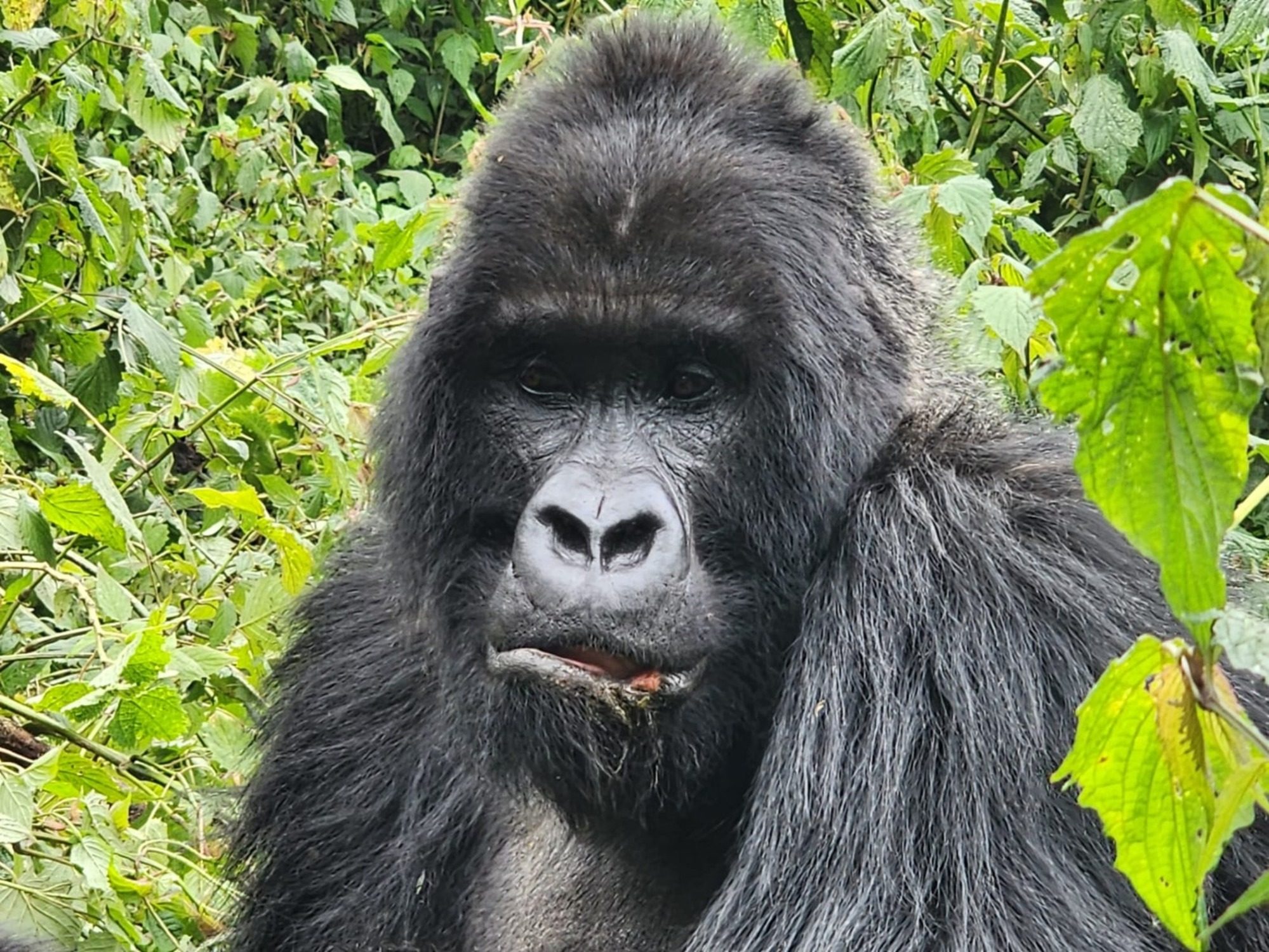
Uganda Gorilla trekking offers one of Africa’s most memorable wildlife experiences. Deep inside the green forests of Bwindi and Mgahinga, visitors can observe endangered mountain gorillas in their natural habitat. However, every visitor must first obtain a valid gorilla permit.
This Uganda Gorilla Trekking Permit Guide explains how permits work, how much they cost, where to book them, and what they include. It also covers trekking sectors, cancellation policies, age restrictions, packing advice, and safari planning.
Because daily visitor numbers remain limited, gorilla permits can sell out. Early booking is therefore essential, especially during the busiest travel months. Your confirmed permit should guide your accommodation, transport, and wider Uganda safari itinerary.
Permit fees and booking conditions may change. Uganda Wildlife Authority’s published July 2024–June 2026 tariff listed a standard gorilla permit at USD 800 for foreign non-residents. Since that tariff period has ended, anyone planning a later trek should request written confirmation of the current fee before making payment.
What Is a Uganda Gorilla Trekking Permit?
A Uganda gorilla trekking permit is an official document that allows one visitor to join a guided mountain gorilla trek on a specific date. Uganda Wildlife Authority, commonly known as UWA, manages these permits.
Each booking is connected to an approved gorilla trekking destination. In Bwindi Impenetrable National Park, it may also relate to a particular trekking sector. Therefore, visitors cannot freely use the same permit in another park, sector, or on another date.
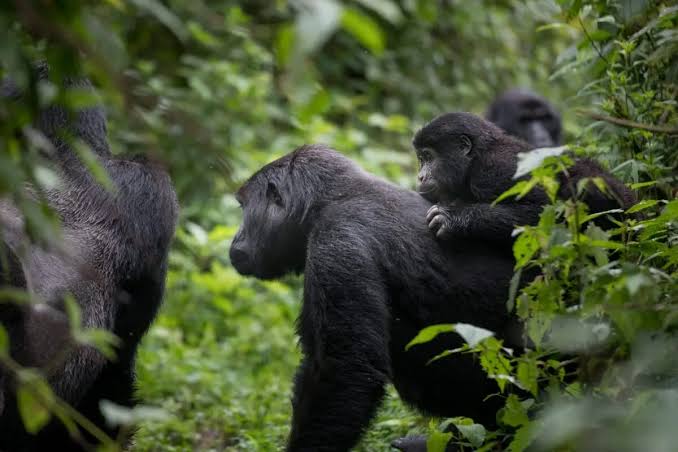
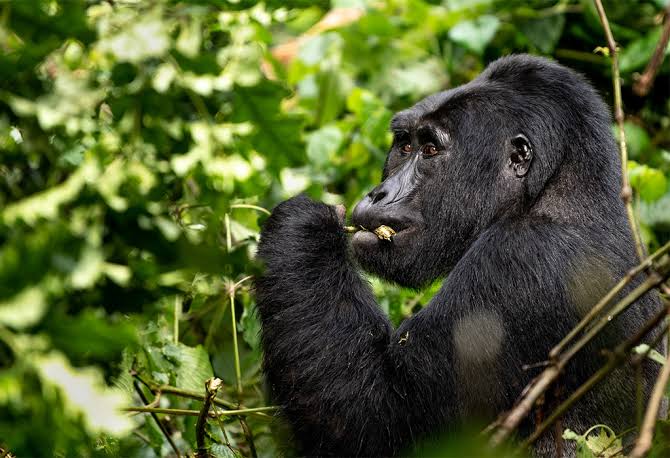
The document gives the visitor access to a ranger-led forest experience. After trackers locate the assigned gorilla family, participants may spend up to one hour observing it. The entire activity can take several hours because the gorillas move freely through their habitat.
Permit revenue supports conservation work. It contributes to ranger patrols, gorilla monitoring, veterinary services, habitat protection, visitor management, and conservation education. Nearby communities also benefit through tourism employment and revenue-sharing projects.
Why You Need a Gorilla Permit in Uganda
Mountain gorillas are endangered and highly protected. Allowing unlimited visitors into their habitat would increase noise, disturb their natural behavior, damage forest trails, and create health risks.
Uganda therefore controls daily visitor numbers. Only people holding valid permits can join an official trek.
The permit system also helps park authorities record everyone entering the forest. Rangers can organize manageable groups, enforce wildlife rules, and respond more effectively when assistance is needed.
A permit is not simply an entrance ticket. Instead, it forms part of a carefully managed conservation program. By purchasing one through legal channels, visitors directly support the long-term protection of mountain gorillas.
Uganda Gorilla Trekking Permit Guide to Current Prices
The price of a Uganda gorilla permit depends on the visitor’s nationality or residency category. It also changes according to the type of gorilla experience.
Under Uganda Wildlife Authority’s published July 2024–June 2026 conservation tariff, a standard gorilla trekking permit cost:
- USD 800 for a foreign non-resident
- USD 700 for an eligible foreign resident
- UGX 300,000 for an East African citizen
For the Gorilla Habituation Experience, the published prices were:
- USD 1,500 for a foreign non-resident
- USD 1,000 for an eligible foreign resident
- UGX 750,000 for an East African citizen
These prices provide a useful reference. Nevertheless, the tariff covered activities only until June 2026. Visitors booking later dates should obtain an updated quotation before paying. UWA also notes that conservation tariffs may change without prior notice.
Foreign Non-Resident Gorilla Permit
Most international holidaymakers fall under the foreign non-resident category. This generally applies to travelers who do not hold recognized residency documents from Uganda or another qualifying East African country.
The published rate for this category was USD 800 per person for standard trekking. Payment is normally required before the permit can be fully confirmed.
Additional bank, card, or transfer charges may apply. Consequently, ask whether the invoice includes all payment-processing costs.
Foreign Resident Gorilla Permit
Foreign nationals who legally live in Uganda or another qualifying East African country may be eligible for the foreign resident rate. Valid residence or work documentation will usually be required.
A visitor visa does not normally establish residency. Likewise, staying in East Africa for several weeks does not automatically qualify someone for the reduced rate.
Send the appropriate document before requesting the booking. The tour operator can then verify the correct category with UWA.
East African Citizen Permit
Citizens of eligible East African countries can access a regional permit rate. Applicants generally need a valid passport or national identity card.
Eligibility should be checked against the tariff that applies to the selected trekking date. Regional categories and documentary requirements can change.
The identification used for booking should also be presented during registration. Names must match the official permit record.
What Does a Uganda Gorilla Permit Include?
A standard gorilla permit normally covers the official trekking activity, ranger guidance, tracker support, and up to one hour with a habituated gorilla family.
Before entering the forest, participants attend a safety and conservation briefing. Rangers explain how to behave, what distance to maintain, and what to do if a gorilla comes close.
Trackers help locate the gorilla family. Since the animals move each day, the walking distance cannot be predicted with certainty.
Reaching the gorillas may take less than two hours on some days. On others, the search can continue for much longer. Once the family is found, rangers manage the viewing period and help visitors observe without causing unnecessary disturbance.
Services Not Covered by the Permit
A gorilla permit does not usually include:
- Accommodation
- Road or air transportation
- Porter services
- Visa fees
- Travel insurance
- Personal trekking equipment
- Optional cultural activities
- Tips and gratuities
- Drinks outside the meal plan
- Personal expenses
Some safari packages include these services together with the permit. Therefore, read the quotation carefully and confirm what the final price covers.
How to Book a Uganda Gorilla Trekking Permit
Booking a permit requires accurate information, timely payment, and careful planning. Visitors may arrange it through a licensed tour operator or follow the direct procedure available through Uganda Wildlife Authority.
International travelers often prefer using a tour company. An experienced operator can check availability, reserve a suitable date, select accommodation near the correct sector, and organize transportation.
Choose Several Possible Dates
Begin with one preferred trekking date and at least two alternatives. Flexibility increases the chance of finding permits, especially during busy months.
The trek should take place after you have slept near the park. Do not plan to arrive from Entebbe, Kampala, or another distant location on the trekking morning.
Mountain roads, weather, border formalities, and traffic can cause delays. Missing the briefing could mean losing the activity without a refund.
Decide Between Bwindi and Mgahinga
Uganda offers mountain gorilla trekking in Bwindi Impenetrable National Park and Mgahinga Gorilla National Park.
Bwindi has more habituated gorilla families, several trekking sectors, and a wide choice of lodges. Mgahinga is smaller and offers beautiful views of the Virunga volcanoes.
Availability, transport routes, other planned activities, and accommodation preferences should guide the decision.
Provide Accurate Personal Information
Permit applications generally require the traveler’s full name, nationality, passport details, and residency category.
Write every name exactly as it appears on the passport. Small errors can create problems during registration.
Foreign residents and East African citizens should submit valid supporting documents. Clear copies make verification easier.
Confirm Live Permit Availability
Online articles cannot show reliable, real-time availability. An operator must check the requested date through the official booking system or relevant UWA office.
A message saying that spaces “appear available” does not mean they have been secured. Written confirmation should show the date, destination, number of travelers, visitor category, and applicable price.
Pay Within the Given Deadline
Permit spaces can disappear quickly. Complete payment within the stated period if you want to secure the available places.
Use a traceable payment method and keep the receipt. Bank fees should also be confirmed before sending funds.
When payment arrives short, the permit may remain unconfirmed. Ask who will cover transfer, card, or intermediary bank charges.
Check the Final Confirmation
Review the confirmation as soon as you receive it. Pay close attention to:
- Full traveler names
- Trekking date
- Park or Bwindi sector
- Number of permits
- Visitor category
- Activity type
- Amount paid
Report any error immediately. Early corrections are usually easier to handle than changes requested close to the trekking date.
How Early Should You Book Gorilla Permits?
Booking six months before travel is a sensible target. For June, July, August, September, December, and early January, starting six to twelve months ahead offers greater flexibility.
Visitors traveling as a group should act even earlier. Finding one available permit is often easier than securing six or eight places for the same date.
Early confirmation also improves accommodation choices. Popular lodges near the park can fill quickly after permits are released.
Last-minute permits occasionally appear because of cancellations. However, building an entire safari around that possibility carries significant risk.
Peak-Season Permit Planning
The relatively dry months attract many international visitors. Trail conditions may be more comfortable, while the wider period also works well for game viewing.
High demand makes flexible dates valuable. If the preferred day has sold out, shifting the itinerary by one or two nights may solve the problem.
Holiday periods need particular attention. Travelers planning Christmas, New Year, or summer vacations should avoid waiting until the final months.
Booking During the Wetter Season
April, May, October, and November often receive more rain. Availability may be better on selected dates, although this is never guaranteed.
The forests appear green and vibrant during these months. Mist and softer light can also create excellent photography conditions.
On the other hand, muddy trails increase the importance of good boots, gaiters, gloves, and a waterproof jacket.
Uganda Gorilla Trekking Permit Guide to Bwindi’s Sectors
Bwindi Impenetrable National Park has four main gorilla trekking sectors: Buhoma, Ruhija, Rushaga, and Nkuringo.
Each area has a separate briefing point and nearby accommodation. Although all four lie within the wider Bwindi region, travel between them can take several hours.
For this reason, your permit sector must match your lodge location. A property advertised as being “near Bwindi” may still be too far from the correct starting point.
Buhoma Gorilla Trekking Sector
Buhoma lies in northern Bwindi. It has a long history of gorilla tourism and offers accommodation across several price categories.
Community walks, craft shops, forest activities, and birding experiences are also available in the area. Its established tourism infrastructure appeals to first-time visitors.
Buhoma connects well with the Ishasha sector of Queen Elizabeth National Park. This makes it useful for itineraries combining gorillas with tree-climbing lion searches and wildlife drives.
Demand can be high, so early booking remains advisable.
Ruhija Gorilla Trekking Sector
Ruhija is located on the eastern side of Bwindi. Its higher elevation brings cool mornings, beautiful forest views, and strong birdwatching opportunities.
The sector can fit well into journeys from Kabale or Lake Bunyonyi. Road conditions and transfer times should still be checked before confirming a lodge.
Accommodation choices are available, though the range may be smaller than around Buhoma or Rushaga.
Warm layers are useful because evenings can feel cold at this altitude.
Rushaga Gorilla Trekking Sector
Rushaga sits in southern Bwindi and provides access to several gorilla families. It is a popular choice for visitors entering Uganda from Kigali.
A good range of budget, midrange, and luxury accommodation operates nearby. The area also serves as the main base for the Gorilla Habituation Experience, subject to current UWA operations.
Rushaga can work well with Lake Bunyonyi, Kisoro, Mgahinga, or Rwanda safari extensions.
Despite the sector’s popularity, visitors should not choose a lodge until the permit location has been confirmed.
Nkuringo Gorilla Trekking Sector
Nkuringo offers dramatic hills and broad views across southwestern Uganda. The landscape is striking, although some routes can be physically demanding.
Visitors who enjoy quieter surroundings often appreciate this sector. Lodges around Nkuringo range from comfortable local properties to premium forest accommodation.
Strong walking shoes and a reasonable fitness level are valuable. Still, the difficulty of each trek depends on the gorillas’ daily location rather than the sector alone.
Gorilla Trekking in Mgahinga National Park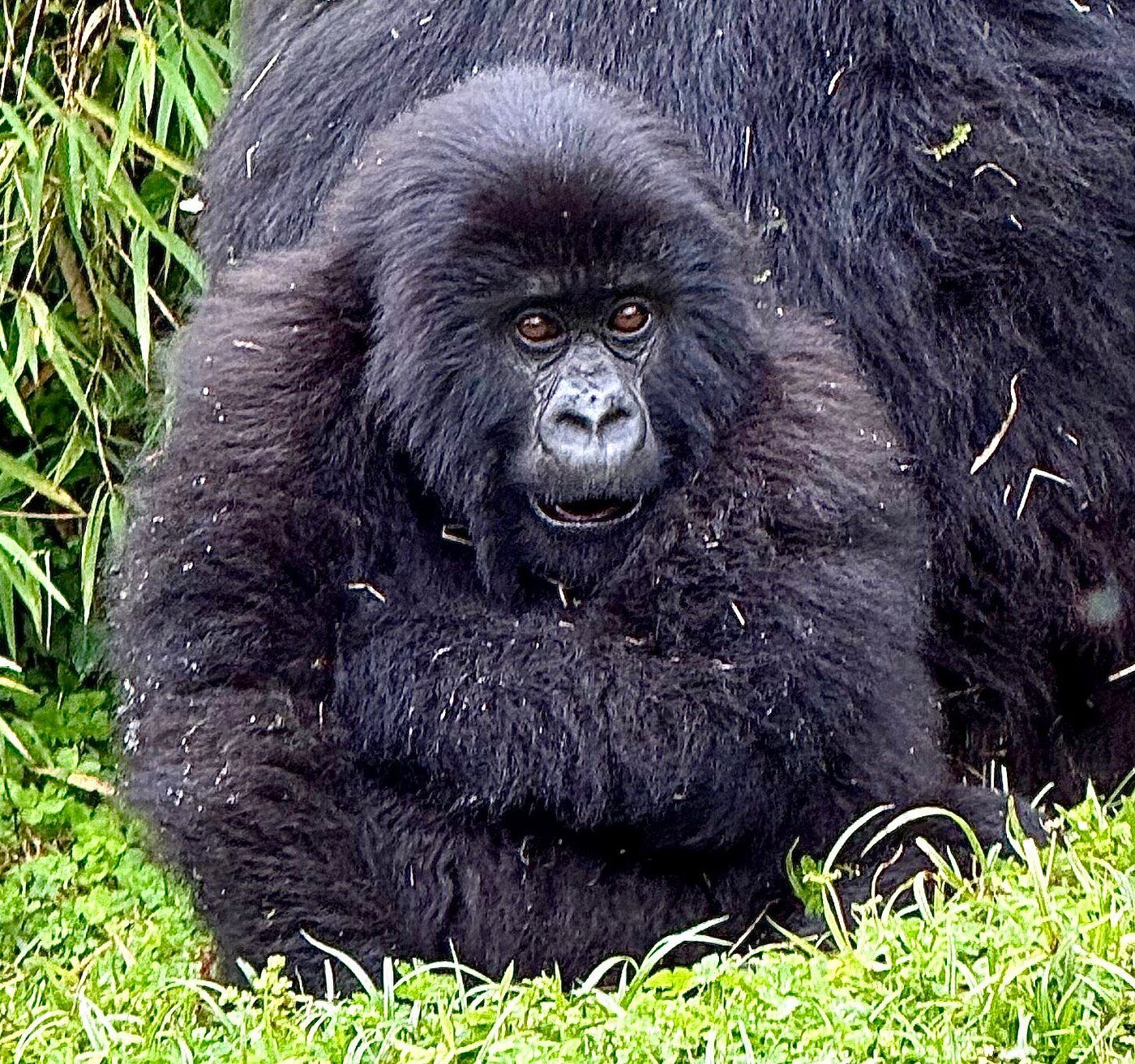
Mgahinga Gorilla National Park protects part of Uganda’s Virunga landscape. Bamboo forest, volcanic slopes, and mountain views create a different setting from Bwindi.
The park lies close to Kisoro in southwestern Uganda. It can be reached from Rwanda, southern Bwindi, Lake Bunyonyi, or other regional destinations.
Because Mgahinga has fewer permits, availability can be limited. It should not be treated as an unlimited alternative when Bwindi sells out.
Golden monkey trekking, volcano hiking, birding, and cultural activities can complement a Mgahinga gorilla safari. Combining these experiences may justify spending two or three nights in the area.
Standard Gorilla Trekking and Gorilla Habituation Compared
Uganda offers two main permit-based gorilla experiences. Standard tracking provides the classic encounter, while gorilla habituation allows a longer period with a group undergoing the gradual habituation process.
Both activities involve forest walking and strict wildlife rules. However, their prices, group arrangements, and observation periods differ.
Standard Uganda Gorilla Trekking Permit
Standard trekking suits most visitors. Participants join a guided group, search for a fully habituated gorilla family, and spend up to one hour observing it.
The experience offers enough time to watch feeding, resting, grooming, and family interaction. Photography is allowed without flash.
Since the permit costs less than a habituation permit, it works well for travelers managing a fixed budget. More dates and sectors may also be available.
Gorilla Habituation Experience Permit
Gorilla habituation appeals to photographers, wildlife enthusiasts, and returning visitors who want more observation time.
Participants may accompany researchers, trackers, and rangers during a controlled visit to a gorilla group that is becoming accustomed to human presence.
The activity can involve a longer and more demanding forest day. Gorillas may also remain partly hidden or move often because their behavior cannot be staged.
Extended time does not mean unrestricted access. Every participant must still follow ranger instructions, maintain the required distance, and avoid disturbing the animals.
Minimum Age for Gorilla Trekking in Uganda
The generally applied minimum age for gorilla trekking in Uganda is 15 years. Families should confirm the rule before purchasing permits because policies may be updated.
This restriction supports visitor safety and wildlife protection. Younger children may struggle with long forest walks, quiet observation, or sudden gorilla movements.
Passport information can be checked during the booking and registration process. Families should never provide an incorrect age to obtain a permit.
Parents traveling with younger children still have several options. One adult can trek while the other remains with the children. If permits are available on two dates, the adults may trek separately.
Lodges can sometimes arrange age-appropriate community visits, craft activities, nature walks, or supervised time. Such services must be discussed and confirmed in advance.
Gorilla Permit Cancellation and Rescheduling
Gorilla permits carry strict cancellation conditions. Refund amounts can depend on how early the request reaches Uganda Wildlife Authority.
A late cancellation may result in a partial refund or no refund. Moreover, banking fees and an operator’s administrative charges may not be recoverable.
Always read both the official UWA conditions and the tour company’s booking terms before paying. Ask for written clarification when any rule appears unclear.
Requesting a Date Change
Rescheduling depends on the applicable policy, the reason for the request, available permits, and how soon the original trek will take place.
Approval is not automatic. Until a written change has been issued, the original booking date remains valid.
Do not reserve replacement flights or hotels based only on a verbal message. Wait until the new permit date has been officially confirmed.
Changing the Traveler’s Name
Permit transfers and name changes are controlled processes. Visitors cannot privately sell or give permits to another person without approval.
Contact the booking company immediately if someone can no longer travel. The operator can then ask whether UWA will permit a lawful change.
Documentation and administrative charges may apply. Conditions can also depend on when the request is submitted.
Refunds for Canceled Permits
The percentage refunded may decline as the trekking day approaches. Short-notice cancellations can lead to the loss of the full permit payment.
A tour operator should explain how an approved refund will be processed. Currency movements, transfer fees, and other charges may affect the amount finally received.
Processing can take time because the operator may need to wait for UWA’s formal approval and payment.
The Importance of Travel Insurance
Comprehensive travel insurance can protect against certain unexpected cancellations. Nevertheless, not every policy covers expensive wildlife permits.
Check whether the plan includes non-refundable activities, medical disruption, flight cancellation, emergency evacuation, and the traveler’s chosen destination.
Pre-existing medical conditions may require separate declaration. Read the terms rather than assuming that every cancellation is covered.
What Happens on the Trekking Day?
The morning begins with an early breakfast and a transfer to the correct briefing point. Your guide will confirm the required arrival time.
Park staff register visitors and explain the conservation rules. They may also discuss fitness, mobility, and other practical considerations before dividing everyone into groups.
Each trekking party enters the forest with trained rangers. Trackers may already be ahead, following signs from the gorillas’ previous location.
The route can cross muddy trails, thick plants, streams, farmland edges, and steep slopes. Walking time varies according to where the assigned family has moved.
Once the gorillas are located, the ranger explains how to approach. Visitors prepare their cameras, speak quietly, and remain together.
The standard viewing period lasts up to one hour. Afterwards, the group walks back to the starting point.
How Long Does Gorilla Trekking Take?
A complete gorilla trekking activity may take between a few hours and most of the day. No one can accurately predict the duration in advance.
Mountain gorillas move in search of food and suitable resting areas. Weather, family behavior, vegetation, and elevation all affect the route.
Avoid booking an afternoon flight or an inflexible long-distance transfer after the trek. Leaving the rest of the day open creates a safer itinerary.
If you finish early, you can relax at the lodge or enjoy an optional nearby activity. A late return will then cause no disruption.
Uganda Gorilla Trekking Rules
Wildlife rules protect visitors and the gorillas. Every participant must follow the ranger’s instructions throughout the experience.
Anyone with symptoms of a contagious illness should report them honestly. Mountain gorillas are vulnerable to some human diseases.
Visitors must maintain the required distance whenever conditions allow. If a gorilla approaches, remain calm and wait for guidance.
Running, touching the animals, shouting, or making sudden movements is prohibited. Food and drinks should remain packed away during the encounter.
Flash photography is not allowed. Check camera and phone settings before reaching the gorillas.
Smoking, eating, and littering are also forbidden near the gorilla family. Everything carried into the forest should return with the visitor.
When a toilet stop becomes necessary, notify the ranger. The team will explain the correct procedure.
Fitness Requirements for Gorilla Trekking
You do not need to be a professional athlete. However, a reasonable level of fitness makes the walk more comfortable.
Regular walking, gentle hiking, and stair climbing can help you prepare. Start several weeks before the safari if your normal routine involves little physical activity.
Forest terrain can be muddy, steep, and uneven. Slow, steady movement is usually more useful than speed.
Tell the operator about mobility concerns before booking. Although staff may try to assign a manageable route, no one can guarantee an easy trek.
Hiring a Porter
A porter can carry your daypack and help you cross difficult sections. This support is valuable even for fit visitors.
Hiring one also creates direct income for nearby communities. Many porters are residents who depend on tourism-related work.
Agree on the fee before starting and carry cash for payment and a possible tip. Your guide can explain the normal local arrangement.
Support for Travelers with Limited Mobility
Special carrying services may be available for visitors who cannot manage the entire route on foot. These arrangements require advance notice, several porters, and a separate payment.
Suitability depends on current trail conditions and individual needs. Discuss the practical details openly with the operator before purchasing the permit.
Medical advice should come from a qualified healthcare professional. A tour company can explain terrain and logistics but cannot assess personal medical fitness.
What to Pack for Uganda Gorilla Trekking
Good equipment improves comfort and safety. Since weather can change quickly, lightweight layers work better than one heavy outfit.
Choose broken-in hiking boots with strong grip. New boots may cause blisters during a long trek.
Long trousers and a long-sleeved shirt protect the skin from insects and vegetation. Neutral colors are practical for forest activities.
A waterproof jacket should remain in the daypack even during a relatively dry month. Rain can fall at any time in Bwindi or Mgahinga.
Useful items include:
- Waterproof hiking boots
- Long trekking trousers
- Long-sleeved shirt
- Lightweight rain jacket
- Gardening or trekking gloves
- Gaiters
- Hat
- Insect repellent
- Sunscreen
- Drinking water
- Packed lunch
- Personal medication
- Spare socks
- Camera
- Extra battery
- Waterproof bag for electronics
Keep the pack light. A heavy load becomes uncomfortable on steep slopes.
Gorilla Trekking Clothing
Avoid shorts because plants, insects, and mud can make the route uncomfortable. Thin, quick-drying trousers are usually more practical.
Tuck the trouser legs into long socks or use gaiters. This helps keep insects and loose vegetation away from the ankles.
Temperatures may feel cool during the early morning. A light sweater or fleece can help before the trek begins.
Bright fashion is not necessary in the forest. Comfortable, durable clothing should remain the priority.
Photography Equipment
Forest light can be limited, so a camera that performs well in darker conditions is useful. A moderate zoom lens often provides enough flexibility.
Heavy lenses may become difficult to carry. Consider the equipment’s weight before packing several camera bodies or accessories.
Turn off the flash before approaching the gorillas. Spare batteries and memory cards should remain in a waterproof pouch.
While photographs are important, the experience should not be viewed only through a screen. Take time to watch the animals directly.
Best Time for Gorilla Trekking in Uganda
Gorilla trekking takes place throughout the year. Each season offers advantages and challenges.
June through September and December through February are often relatively dry. Trails may be easier to walk, although rainforest showers remain possible.
March through May and October through November generally receive more rain. During these periods, the forest appears lush and beautifully green.
Permit availability, personal schedule, lodge prices, and the wider safari plan should all influence the final choice.
Trekking During the Dry Season
Drier months are popular because road and trail conditions may be more manageable. These periods also combine well with classic wildlife safaris.
Demand for permits and accommodation rises. Booking several months ahead gives you more options.
Rain gear remains necessary. Mountain weather can change even when regional forecasts predict sunshine.
Trekking During the Rainy Season
Rain increases mud and makes slopes more slippery. Proper boots, gaiters, gloves, and porter support become especially helpful.
Fewer visitors may travel on certain dates. Lodges can also offer attractive seasonal value.
The forest looks vibrant, while clouds and mist create dramatic scenery. Photographers often appreciate the soft light.
How to Reach Bwindi Impenetrable National Park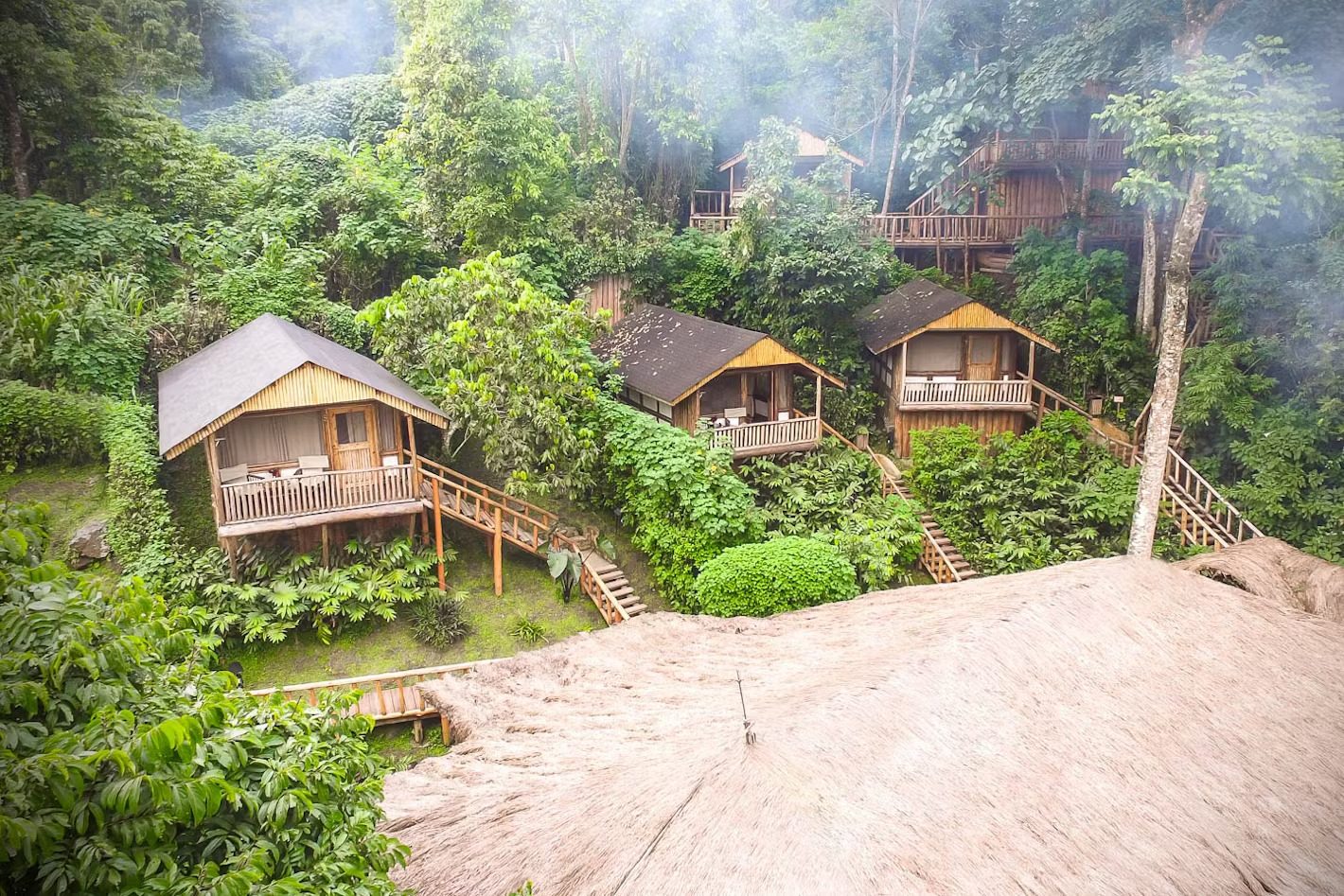
Bwindi can be reached by road or a combination of domestic flight and road transfer.
From Entebbe or Kampala, the drive usually takes most of a day. Many visitors break the journey with Lake Mburo National Park or another overnight stop.
Domestic flights can connect Entebbe with Kihihi or Kisoro. The correct airstrip depends on the trekking sector.
A road transfer remains necessary after landing. Flight schedules, baggage restrictions, and weather conditions should be checked.
Traveling from Entebbe or Kampala
A private safari vehicle offers flexibility and space for luggage. It also allows visitors to add cultural stops and national parks.
The road journey reveals Uganda’s changing landscapes, towns, farms, and highlands. However, it should not be rushed.
Spending an extra night along the route can reduce fatigue. This approach works especially well in longer Uganda safari itineraries.
Gorilla Trekking in Uganda from Kigali
Kigali provides a practical gateway to southern Bwindi and Mgahinga. Depending on the border used and road conditions, the journey may be shorter than traveling from Entebbe.
Visitors must complete immigration procedures when leaving Rwanda and entering Uganda. Passport, visa, vehicle, and health requirements should be checked before departure.
Border queues and mountain roads can affect travel time. Therefore, arrive near the park one day before the trek.
A combined Rwanda and Uganda itinerary can include Kigali, Volcanoes National Park, Lake Kivu, Bwindi, Mgahinga, or Queen Elizabeth National Park.
Using Domestic Flights
Flying saves time and suits short or luxury itineraries. Kihihi commonly serves northern Bwindi, while Kisoro is useful for southern sectors and Mgahinga.
The final lodge transfer can still take several hours. Road and weather conditions affect the journey.
Small aircraft often have strict baggage limits. Soft-sided bags are usually more practical than large hard suitcases.
Choosing Accommodation Near the Correct Sector
Accommodation must match the confirmed trekking area. Booking a beautiful lodge in the wrong sector can create a major problem on the trekking morning.
Ask the operator for the estimated drive between the lodge and briefing point. A very early journey on rough roads is not ideal before a demanding forest walk.
Properties range from basic guesthouses to luxury forest lodges. Comfort, location, meal plan, hot water, charging facilities, and road access should guide the decision.
Full-board accommodation works well because restaurants are limited around many park areas. Lodges normally provide breakfast and a packed lunch on trekking day.
Confirm whether the property offers walking sticks, gaiters, boot cleaning, laundry, and drinking water. These small services add practical value.
Total Cost of a Uganda Gorilla Safari
The permit represents only part of the complete safari price. Visitors must also consider transport, accommodation, meals, guiding, and other activities.
A short road trip from Kigali may reduce the driving distance to southern Bwindi. However, border arrangements and cross-border transport costs should be included.
Longer tours from Entebbe can combine gorilla trekking with several Ugandan parks. Although the total price rises, the traveler enjoys a broader safari experience.
Group members can share vehicle and guide costs. Permit prices remain individual and usually do not decrease with group size.
Budget Gorilla Trekking Safari
Budget packages use simple accommodation and practical road transport. Rooms should still provide basic comfort, cleanliness, and a suitable location.
Read the quotation carefully. Very low prices may exclude the permit, meals, fuel, border fees, or park transfers.
A properly planned budget tour can still deliver an excellent gorilla experience. The wildlife rules and viewing time remain the same for every standard permit holder.
Midrange Uganda Gorilla Safari
Midrange accommodation often provides en-suite rooms, reliable meals, attractive locations, and personalized service.
This level suits couples, families, and small groups seeking comfort without luxury prices.
Private transport and professional guiding can be included. Early booking gives access to a wider lodge selection.
Luxury Gorilla Trekking Safari
Luxury packages may feature premium forest lodges, domestic flights, private vehicles, upgraded meals, and personalized service.
A higher package price improves comfort and convenience. It does not provide extra gorilla viewing time under a standard permit.
Anyone wanting longer observation should ask about the official Gorilla Habituation Experience instead.
Uganda Versus Rwanda Gorilla Permits
Uganda and Rwanda both provide regulated mountain gorilla trekking. The experiences follow similar conservation principles, but logistics and permit prices differ.
Uganda offers several Bwindi sectors, Mgahinga National Park, and the Gorilla Habituation Experience. It also connects easily with Queen Elizabeth and Kibale national parks.
Rwanda’s Volcanoes National Park lies within a shorter drive of Kigali. This convenience suits travelers with limited time.
The best destination depends on total budget, permit availability, lodge preference, driving tolerance, and the desired itinerary. Looking only at the permit price can produce a misleading comparison.
Some visitors trek in both countries. Two separate permits are required, but the journey provides distinct forest settings and supports regional conservation.
Combining Gorilla Trekking with Other Activities
Uganda offers much more than gorilla trekking. Adding other destinations creates a richer itinerary.
Queen Elizabeth National Park features wildlife drives, the Kazinga Channel boat safari, birdwatching, and the Ishasha area’s tree-climbing lions.
Kibale National Park provides one of Uganda’s leading chimpanzee trekking experiences. Bigodi Wetland Sanctuary can add community-guided nature and birding activities.
Lake Bunyonyi offers peaceful scenery and relaxation after trekking. Mgahinga can be combined with golden monkey tracking or a cultural visit.
Lake Mburo National Park provides a convenient stop between southwestern Uganda and Entebbe. Depending on current operations, visitors may enjoy game drives, walking experiences, or boat activities.
Common Gorilla Permit Booking Mistakes
Booking accommodation before checking permits is one of the biggest mistakes. The confirmed permit should guide the rest of the safari.
Selecting a lodge in the wrong sector causes another frequent problem. Always match Buhoma with Buhoma, Ruhija with Ruhija, Rushaga with Rushaga, or Nkuringo with Nkuringo unless a qualified operator confirms a workable alternative.
Using outdated online prices can lead to an incorrect budget. Ask for a current written quotation covering the exact trekking date.
Incorrect passport details may delay verification. Check spelling, nationality, and document numbers before submitting them.
Travelers should also avoid arriving from a distant city on the trekking morning. One traffic, road, or border delay could cause them to miss the activity.
Finally, never assume that a permit can be freely canceled, transferred, or rescheduled. Read the applicable conditions before payment.
Frequently Asked Questions About Uganda Gorilla Permits
How Much Is a Uganda Gorilla Trekking Permit?
UWA’s published July 2024–June 2026 tariff listed standard permits at USD 800 for foreign non-residents, USD 700 for eligible foreign residents, and UGX 300,000 for East African citizens. Since that tariff period has ended, confirm the current price for your intended travel date.
Is the Permit Included in a Gorilla Safari Package?
Some packages include it, while others quote the permit separately. Review the inclusions before paying.
A clear invoice should identify the permit, accommodation, transport, meals, and additional activities.
Is It Possible to Buy a Permit at the Park?
Visitors should not depend on same-day availability. Permits can sell out months ahead, especially during busy periods.
Secure the permit before traveling to Bwindi or Mgahinga.
Is Gorilla Trekking Allowed Without a Permit?
No. Every eligible visitor must hold valid authorization for the correct date and activity.
Entering the protected gorilla habitat outside the official system is not permitted.
Does a Permit Guarantee a Gorilla Sighting?
Trackers monitor habituated families, so successful sightings are highly reliable. Nevertheless, gorillas remain wild animals and move freely.
An ethical operator should not make an absolute sighting guarantee.
How Long Can Visitors Observe the Gorillas?
A standard permit allows up to one hour with the assigned family after it has been located.
The complete forest activity can last much longer because the trekking time varies.
Is It Possible to Select a Particular Gorilla Family?
Family allocation usually takes place during the morning briefing. Park staff consider gorilla locations, group needs, and operational factors.
A specific family cannot normally be guaranteed at the permit-booking stage.
How Safe Is Gorilla Trekking in Uganda?
Trained rangers, guides, and trackers manage the activity. Habituated gorillas have gradually become accustomed to controlled human visits.
Safety still depends on following instructions. Visitors must remain calm, maintain the required distance, and never touch the animals.
Is Gorilla Trekking Suitable for Older Visitors?
Many older travelers complete the trek successfully. Fitness and mobility vary, so age alone does not determine suitability.
Early preparation, porter support, and an honest discussion with the operator can improve the experience.
Does the Gorilla Permit Include a Porter?
Porter service is usually paid separately. Hiring one helps with carrying equipment and navigating difficult sections.
The payment also provides direct support to local households.
Are Mobile Phones Allowed for Photography?
Phones may be used if the flash remains off. Protect the device from rain and keep it silent.
Ranger instructions always take priority over taking a photograph.
What Happens If a Visitor Becomes Ill?
Report any contagious symptoms to the guide or park staff. Protecting gorillas from human illness is an important conservation responsibility.
Travel insurance may help cover eligible financial losses, depending on the policy.
Are Toilets Available Along the Trek?
Formal toilets are generally available around the briefing areas, but not deep inside the forest.
When necessary, speak privately with the ranger. The team will direct you to an appropriate place and explain the environmental procedure.
Do Visitors Need a Uganda Visa?
Visa requirements depend on nationality and current immigration rules. Consult Uganda’s official immigration information before travel.
Anyone entering from Rwanda should also confirm the requirements for both countries.
How Gorilla Tourism Supports Conservation
Mountain gorilla tourism helps finance ranger patrols, research, veterinary support, forest management, and conservation education.
Local communities benefit through employment, lodge supply chains, porter services, crafts, guiding, agriculture, and revenue-sharing programs.
These benefits encourage cooperation between conservation authorities and people living near protected forests. When communities gain value from tourism, habitat protection becomes more sustainable.
Responsible visitors contribute by buying legal permits, respecting wildlife rules, hiring local services, and avoiding activities that exploit people or animals.
Final Uganda Gorilla Trekking Permit Guide
A well-planned gorilla safari starts with confirmed permit availability. Choose several possible dates, decide between Bwindi and Mgahinga, and provide accurate traveler details.
Once the permit is secured, select accommodation near the correct briefing point. Transport and other safari activities can then be arranged around the confirmed date.
Always request the current permit price in writing. Older tariffs and travel articles may no longer reflect the applicable amount.
Read cancellation and amendment policies before paying. Comprehensive travel insurance is also valuable because permits and lodge bookings can carry strict conditions.
Finally, arrive near the park one day before trekking. Proper boots, waterproof clothing, porter support, and a flexible attitude will help you enjoy this remarkable experience.
Book a Uganda Gorilla Trekking Safari with Universal Ventures Rwanda
Universal Ventures Rwanda arranges customized gorilla trekking safaris in Uganda and Rwanda. The team can help you check permit availability, identify the correct Bwindi sector, select suitable accommodation, and arrange private transportation.
Safari packages may start from Kigali, Entebbe, or another East African destination. Travelers can also combine gorilla trekking with Queen Elizabeth National Park, Kibale chimpanzee trekking, Lake Bunyonyi, Mgahinga golden monkeys, Akagera National Park, or Rwanda cultural experiences.
For current permit prices and personalized safari planning, contact:
Universal Ventures Rwanda Ltd
KK 15 Road, Kigali, Rwanda
Phone/WhatsApp: +250 781 441 853
Email: info@universalventuresrwanda.com
Website: www.universalventuresrwanda.com