The hidden tourist attractions in Rwanda introduce travelers to landscapes and communities that receive fewer international visitors. You might hike through Gishwati-Mukura National Park, kayak across the Twin Lakes, cycle between Lake Kivu villages or listen to royal herdsmen sing traditional poetry to long-horned Inyambo cattle.
Rwanda is internationally known for mountain gorilla trekking, but the country offers far more than one celebrated wildlife encounter. Beyond Volcanoes National Park, travelers can explore ancient forests, volcanic caves, remote islands, royal heritage sites, sacred pilgrimage centers, wetlands and quiet lakes surrounded by cultivated hills.
Many of the most rewarding places remain outside conventional tourist itineraries. Visitors often travel directly from Kigali to Volcanoes National Park, continue to Lake Kivu and then leave the country. Although this classic route provides memorable experiences, it reveals only part of Rwanda’s character.
In eastern Rwanda, Lake Muhazi offers a quiet alternative to popular Lake Kivu. Farther south, Rusumo Falls combines natural scenery with regional history. Around Kigali, restored wetlands and bird sanctuaries provide peaceful escapes from the city.
Exploring these places also distributes tourism income beyond established destinations. Community guides, small guesthouses, coffee farmers, artists, boat operators and cultural cooperatives all benefit when travelers spend more time away from the standard circuit.
This complete guide presents the best hidden tourist attractions in Rwanda, explains why each place deserves attention and shows how to include them in a meaningful Rwanda safari.
Why Explore Hidden Tourist Attractions in Rwanda?
Travelers who move beyond famous landmarks gain a deeper understanding of Rwanda’s geography and culture.
Rwanda is a small country, but its landscapes change dramatically over short distances. The volcanic northwest contains crater lakes, caves and fertile farmland. Western Rwanda descends through tea plantations and rainforest toward Lake Kivu. Eastern Rwanda opens into warmer savannah, wetlands and agricultural plains.
Less-visited attractions create opportunities for slower travel. Instead of rushing between permits and scheduled activities, visitors can walk through villages, speak with local guides, photograph landscapes and experience daily life.
Smaller attractions also tend to offer more personal experiences. A coffee farmer may explain every stage from planting to roasting. A traditional artist may help visitors create an Imigongo pattern. A boat captain can identify birds and tell stories connected to the lake.
Hidden destinations are particularly valuable for returning visitors, photographers, birdwatchers and families. They also work well for travelers who want to extend a gorilla safari without adding another expensive permit.
1. Gishwati-Mukura National Park
Gishwati-Mukura is Rwanda’s fourth national park and one of its most important emerging ecotourism destinations. It consists of two separate forests: the larger Gishwati Forest and the smaller Mukura Forest.
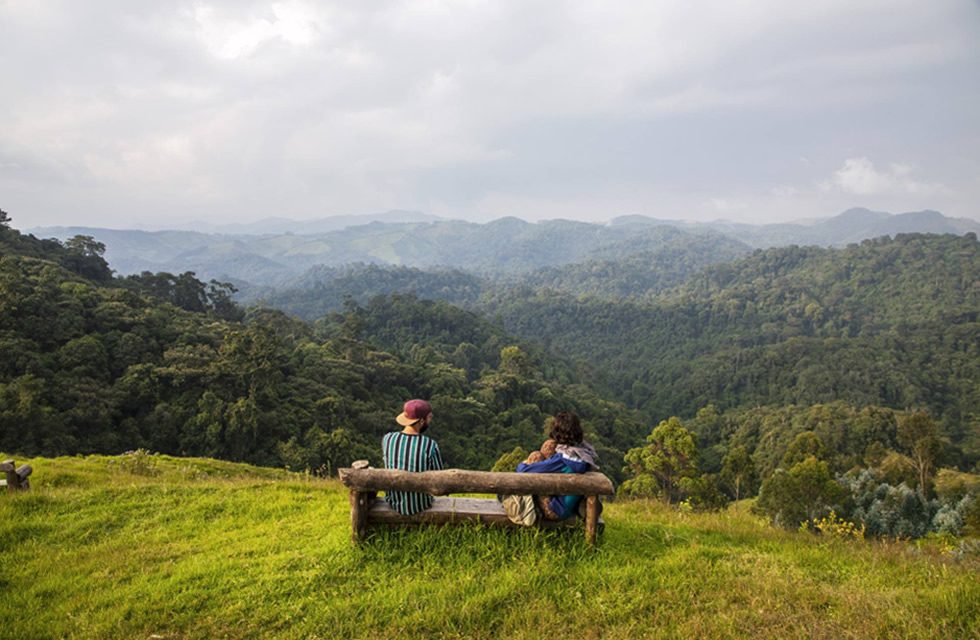
The park protects montane forest, recovering habitat and several primate species. Chimpanzees, golden monkeys, blue monkeys and L’Hoest’s monkeys live within its wider ecosystem. Forest birds, butterflies and smaller animals add to its biodiversity.
Compared with Volcanoes and Nyungwe, Gishwati-Mukura receives relatively few visitors. This creates an intimate atmosphere for travelers interested in forest walks, conservation and community tourism.
The landscape around the park tells an important environmental story. Forest clearance and pressure on natural resources once fragmented the habitat. Restoration and conservation initiatives now aim to reconnect ecosystems while improving local livelihoods.
Activities may include guided forest hikes, birdwatching, primate experiences, community visits and waterfall walks, depending on current operations and permit availability.
Rwanda’s official tourism platform describes Gishwati-Mukura as two forest areas that support chimpanzees, golden monkeys, blue monkeys and L’Hoest’s monkeys, together with many bird species. Visit Rwanda
Why Gishwati-Mukura Is One of the Best Hidden Tourist Attractions in Rwanda
The park suits travelers who enjoy natural history and want to visit a forest that is still developing its tourism identity.
Unlike a conventional wildlife experience focused on a single famous species, Gishwati encourages visitors to appreciate the entire ecosystem. The forest’s recovery also demonstrates how conservation can restore habitat after years of human pressure.
Combine Gishwati with Rubavu, the Congo Nile Trail or Karongi. Two nights in the area allow enough time for a forest activity and a community-based experience.
2. Congo Nile Trail
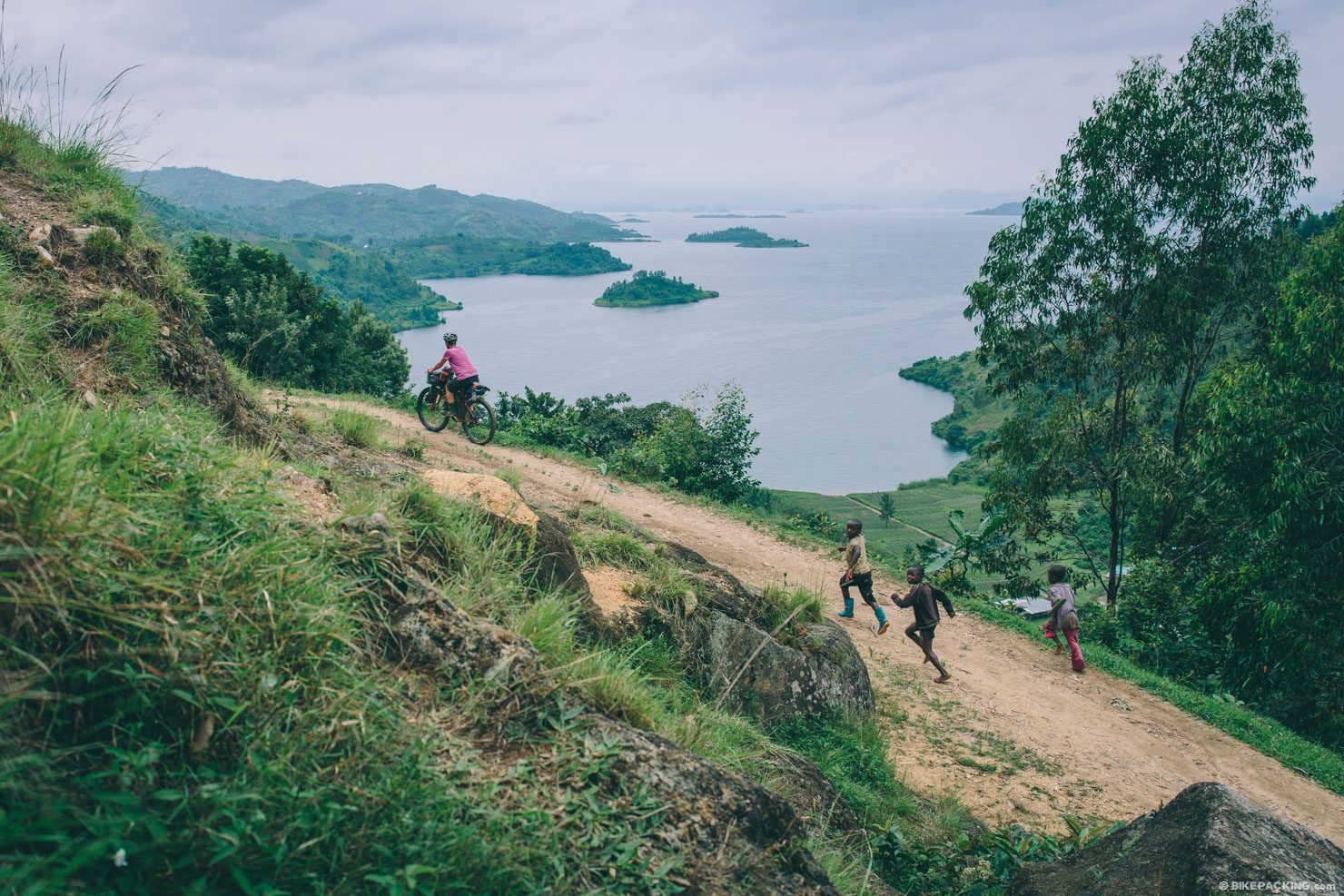
The Congo Nile Trail follows the hills and shoreline of Lake Kivu between Rubavu in the north and Rusizi in the south.
Despite its name, the trail does not follow the Congo or Nile rivers. Instead, it crosses the highland divide separating waters that flow toward the Congo Basin from those that eventually join the Nile system.
The complete route extends approximately 227 kilometers. Travelers can hike, cycle or explore selected sections by vehicle and boat. Completing the entire trail on foot can take around ten days, while cycling itineraries often require five to eight days.
The route passes coffee-washing stations, tea plantations, villages, beaches, farms and beautiful lake viewpoints. Accommodation ranges from simple guesthouses and campsites to comfortable hotels in larger towns.
Rwanda’s official tourism website describes the trail as a 227-kilometer route through rainforests, bamboo, villages, beaches, coffee stations and tea plantations. Visit Rwanda hiking guide
Best Sections of the Congo Nile Trail
Travelers without time for the full trail can complete shorter sections around Rubavu, Kinunu, Karongi or Nyamasheke.
The Rubavu-to-Kinunu section offers lake views, village encounters and coffee experiences. Routes near Karongi combine hills, islands and quieter sections of the shoreline.
Southern sections toward Rusizi feel more remote and can be included before or after Nyungwe National Park.
Use a trained guide for hiking or cycling. The route contains steep climbs, road junctions and rural paths that may be difficult to follow without local knowledge.
3. Lake Burera and Lake Ruhondo
Known collectively as Rwanda’s Twin Lakes, Burera and Ruhondo lie near Musanze beneath the Virunga volcanoes.
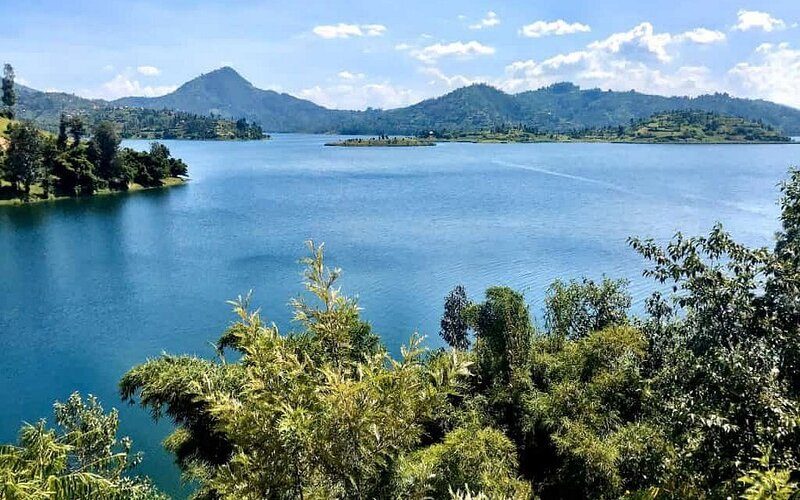
Volcanic activity shaped the surrounding landscape, creating deep valleys and lakes framed by cultivated hills. On clear days, the Virunga peaks rise dramatically beyond the water.
Many travelers pass near the Twin Lakes while traveling to Volcanoes National Park but never stop to explore them.
Activities include boat trips, kayaking, canoeing, village walks, birdwatching and photography. Some tours visit islands or lakeside communities where residents depend on fishing and agriculture.
The Twin Lakes provide an excellent afternoon activity before or after gorilla trekking. They also deserve an overnight stay for travelers who enjoy quiet landscapes and sunrise photography.
Community Experiences at the Twin Lakes
Community-based activities may include traditional fishing demonstrations, beekeeping, cooking, farming or visits to local households.
Choose organized experiences that respect privacy and provide direct benefits to the community. Ask permission before photographing people or their homes.
A knowledgeable local guide can explain how volcanic soils, lake resources and agriculture shape daily life.
4. Buhanga Eco-Park
Buhanga Eco-Park is a small ancient forest near Musanze associated with Rwanda’s royal traditions and oral history.
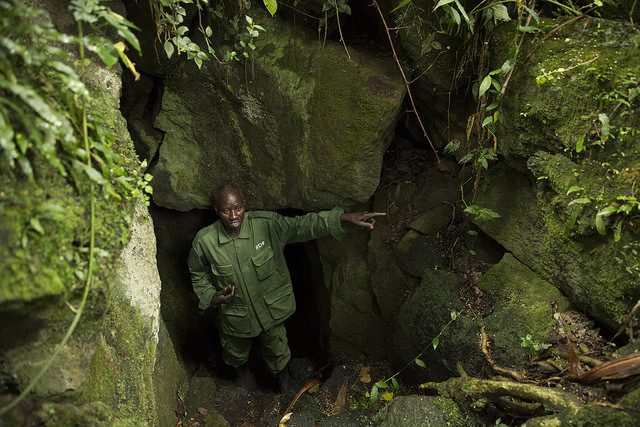
According to local tradition, kings once visited the forest for ceremonies connected with coronation and leadership. Specific trees, caves and natural features carry cultural meaning.
Walking through Buhanga reveals lava formations, forest vegetation and birdlife. The experience combines nature with stories that may not appear in conventional history books.
The official Rwanda tourism website identifies Buhanga Eco-Park as an ancient forest with some of the country’s most intriguing folklore. Visit Rwanda
Buhanga is less physically demanding than most volcano hikes, making it suitable for families, older travelers and visitors with limited time.
A guided walk is essential because the forest’s value lies not only in its appearance but also in the stories connected to each location.
5. Musanze Caves
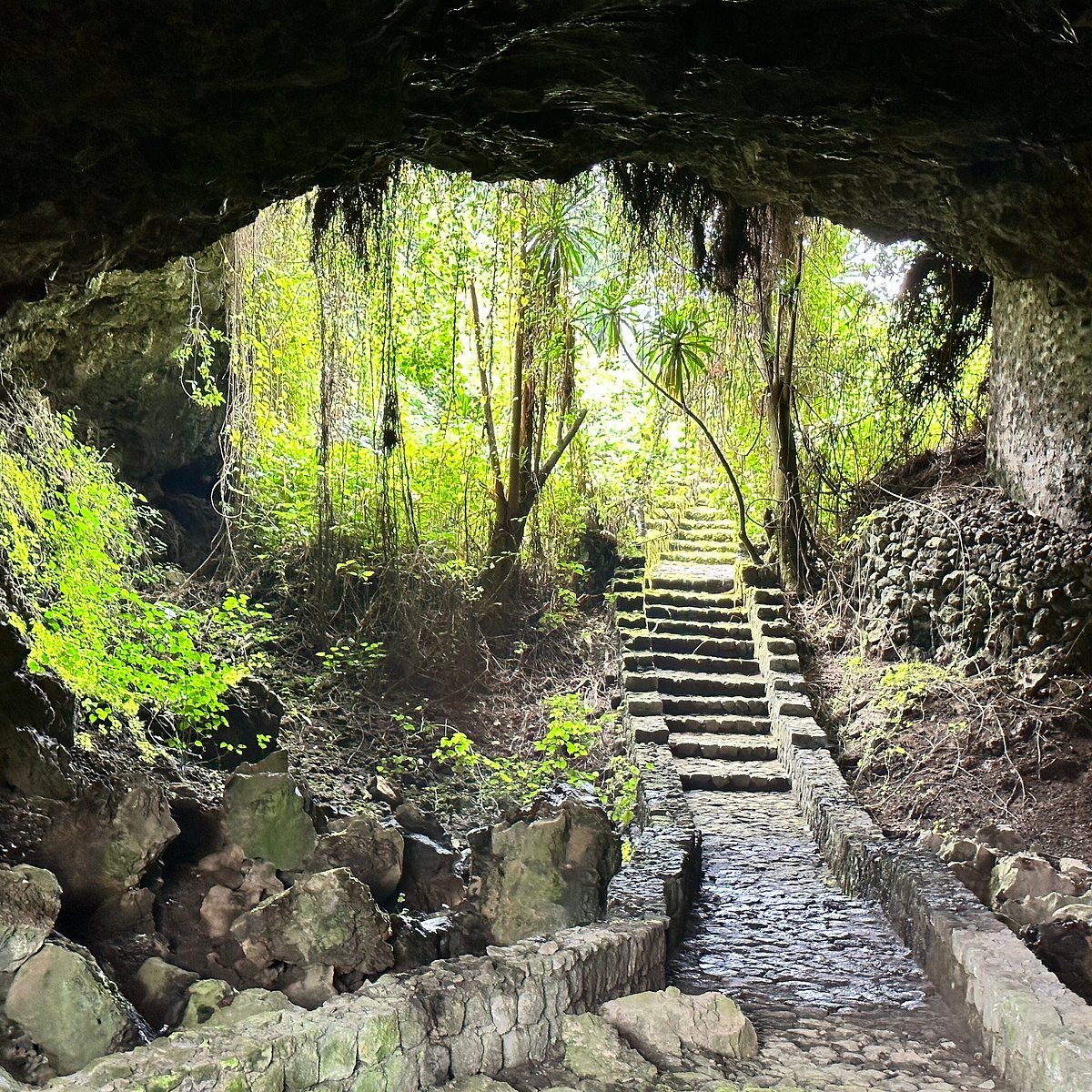
Beneath the volcanic landscape near Musanze lies an extensive system of caves formed by ancient lava flows.
The largest accessible cave includes dark passages, rock formations and openings where vegetation grows toward the light. A guided visit reveals the geological forces that shaped northern Rwanda.
Helmets, boots and protective equipment may be provided depending on current arrangements. Travelers should wear comfortable clothing that can handle dust, water or mud.
The caves offer a valuable alternative for travelers who do not plan to trek gorillas or who have a free afternoon in Musanze.
Official tourism information lists the Musanze Caves alongside Buhanga Eco-Park as one of the additional attractions around Volcanoes National Park. Visit Rwanda
Visitors with mobility concerns or discomfort in enclosed spaces should ask about conditions before booking.
6. Lake Karago
Lake Karago is a small and little-visited lake in northwestern Rwanda. It receives far less attention than Lake Kivu or the Twin Lakes.
The surrounding landscape includes farmland, forested hills and rural communities. The lake appeals to travelers searching for quiet scenery rather than organized resort activities.
A visit may include a picnic, short walk, birdwatching or photography. Facilities remain limited, so travelers should carry water and plan transportation in advance.
Lake Karago combines naturally with Musanze, Gishwati-Mukura or routes toward Rubavu.
Its attraction lies in simplicity: still water, cultivated hills and an absence of large tourist groups.
7. Mount Kabuye
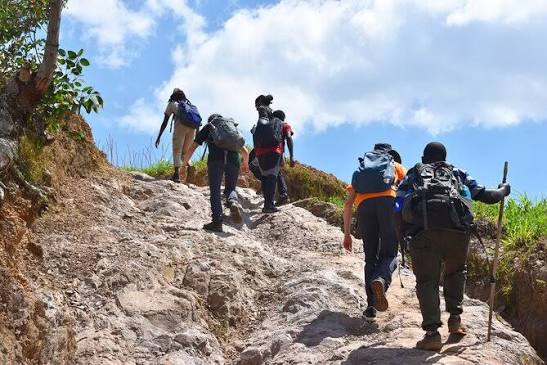
Mount Kabuye lies southeast of Volcanoes National Park and offers a challenging alternative to the better-known Bisoke and Karisimbi hikes.
The route crosses farmland and rural communities before climbing toward broad views over Rwanda’s northern hills. The summit reaches approximately 2,700 meters.
A complete hike can take around five hours to reach the top, depending on the selected route, weather and fitness. Official tourism guidance notes that Mount Kabuye requires a permit and guide. Visit Rwanda
Because it receives fewer international hikers, Mount Kabuye creates opportunities for genuine village interactions. Children, farmers and local residents may greet walkers along the route.
Wear sturdy footwear and carry rain protection. The trail can become slippery after rain.
8. Kinigi Rural Villages
Kinigi is widely known as the starting point for gorilla trekking, but the surrounding villages deserve more attention.
Guided community walks reveal potato farms, pyrethrum fields, traditional homes and small businesses. Travelers may learn about basket weaving, cooking, banana-beer production or medicinal plants.
The experience helps visitors understand the human landscape beside Volcanoes National Park. Conservation succeeds only when neighboring communities see meaningful benefits from wildlife tourism.
Avoid visiting households without an organized guide. A respectful community tour should involve prior agreement, fair payment and clear expectations.
These walks work particularly well on the afternoon before gorilla trekking or after visiting the Ellen DeGeneres Campus of the Dian Fossey Gorilla Fund.
9. Mukungwa River Canoeing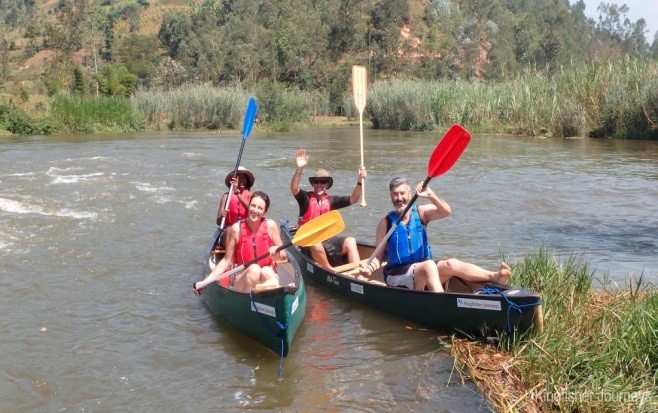
The Mukungwa River flows through the countryside near Musanze, creating opportunities for canoeing and gentle water-based exploration.
From the river, travelers can observe cultivated hills, wetland birds and rural life. The pace feels completely different from a game drive or mountain trek.
On clear days, volcanic peaks create a dramatic background. Conditions depend on water level, weather and local operations.
Use an experienced operator that supplies life jackets and understands the river. Travelers should disclose swimming ability and health concerns before departure.
This activity suits couples, families and photographers looking for an uncrowded northern Rwanda experience.
10. Rugezi Marsh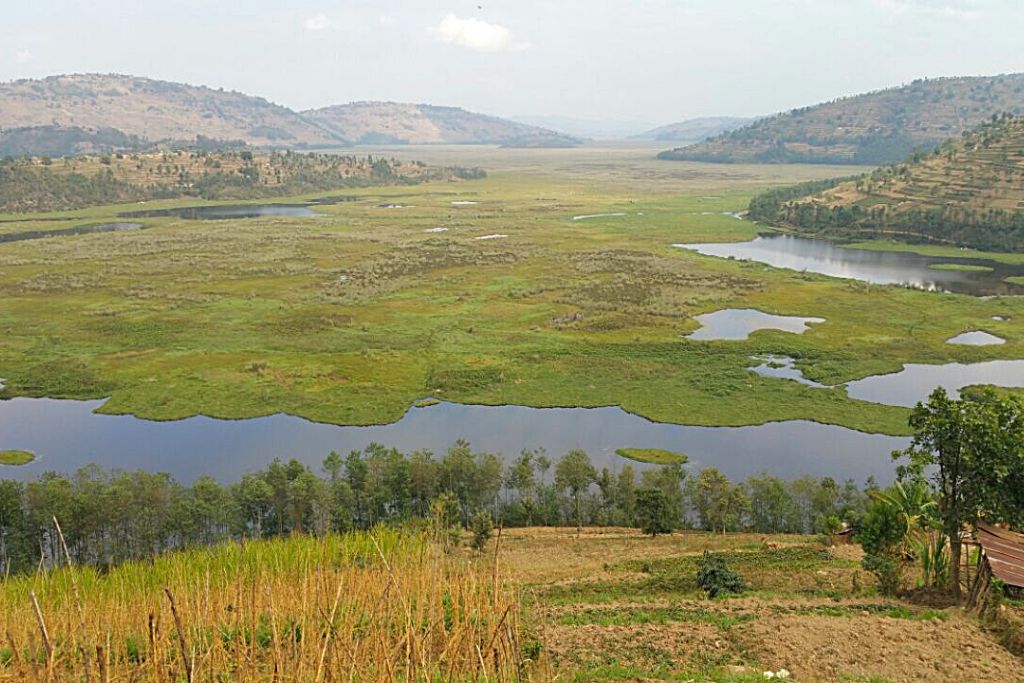
Rugezi Marsh is a high-altitude wetland in northern Rwanda and an important bird habitat.
Its papyrus, open water and surrounding grassland support waterbirds and wetland species. The area is especially interesting to birdwatchers searching for Albertine Rift and highland birds.
Rugezi is not a conventional developed attraction with large visitor facilities. Travelers should arrange access and guiding through a knowledgeable local operator.
Early morning provides better bird activity and softer photographic light. Carry binoculars, waterproof footwear and warm layers.
The wetland can be combined with the Twin Lakes or a longer northern Rwanda birding itinerary.
11. Ndambarare Waterfall
Ndambarare Waterfall lies along the Congo Nile Trail area near Lake Kivu. Reaching it involves a hike through farmland and villages before descending toward the falls.
The trail creates opportunities to observe coffee plants, banana farms and daily rural life.
Water volume changes with rainfall, so the waterfall’s appearance varies through the year. Trails can become muddy and slippery during wet conditions.
Use a local guide who understands the route and can arrange community access appropriately.
The waterfall fits naturally into a hiking or cycling itinerary around Kinunu and the northern Lake Kivu region.
12. Napoleon Island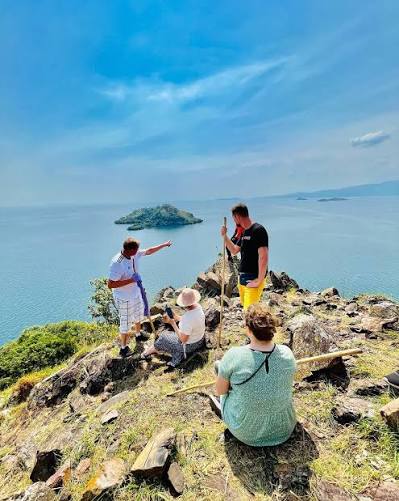
Napoleon Island rises from Lake Kivu near Karongi. Its shape is sometimes compared with Napoleon Bonaparte’s hat, giving the island its popular name.
The island is known for a large colony of fruit bats. A guided hike allows visitors to observe the bats, birds and panoramic views across the lake.
Travel usually begins with a boat trip from Karongi. Weather and water conditions influence the journey.
The hike contains steep sections, so proper shoes are recommended. Visitors should avoid disturbing or approaching the bat colony too closely.
Napoleon Island can be combined with other islands during a half-day Lake Kivu boat excursion.
13. Amahoro Island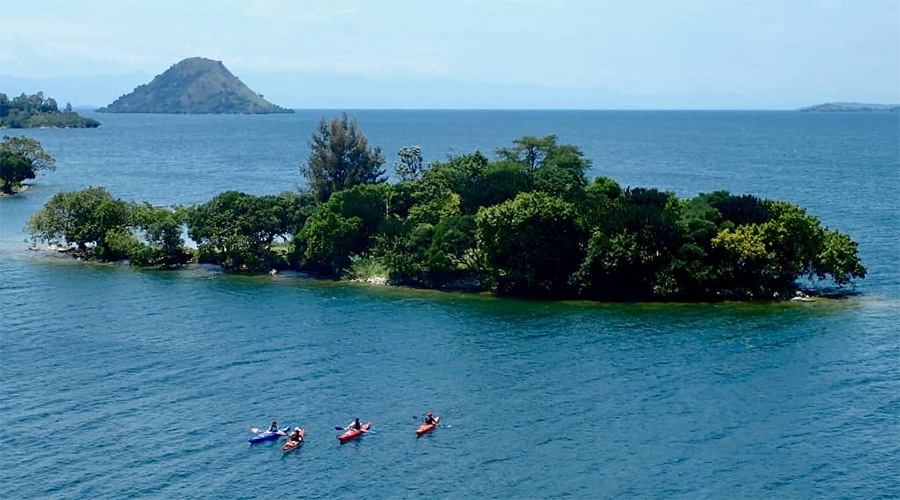
Amahoro means “peace” in Kinyarwanda, an appropriate name for this quiet Lake Kivu island.
The island offers relaxing scenery, swimming opportunities where locally approved, birdwatching and simple lakeside meals.
Travelers can include Amahoro Island in a boat trip from Karongi. Some itineraries combine it with Napoleon Island, Monkey Island and coffee experiences along the shore.
Lake conditions can change quickly. Always use an experienced boat operator and wear a life jacket.
14. Monkey Island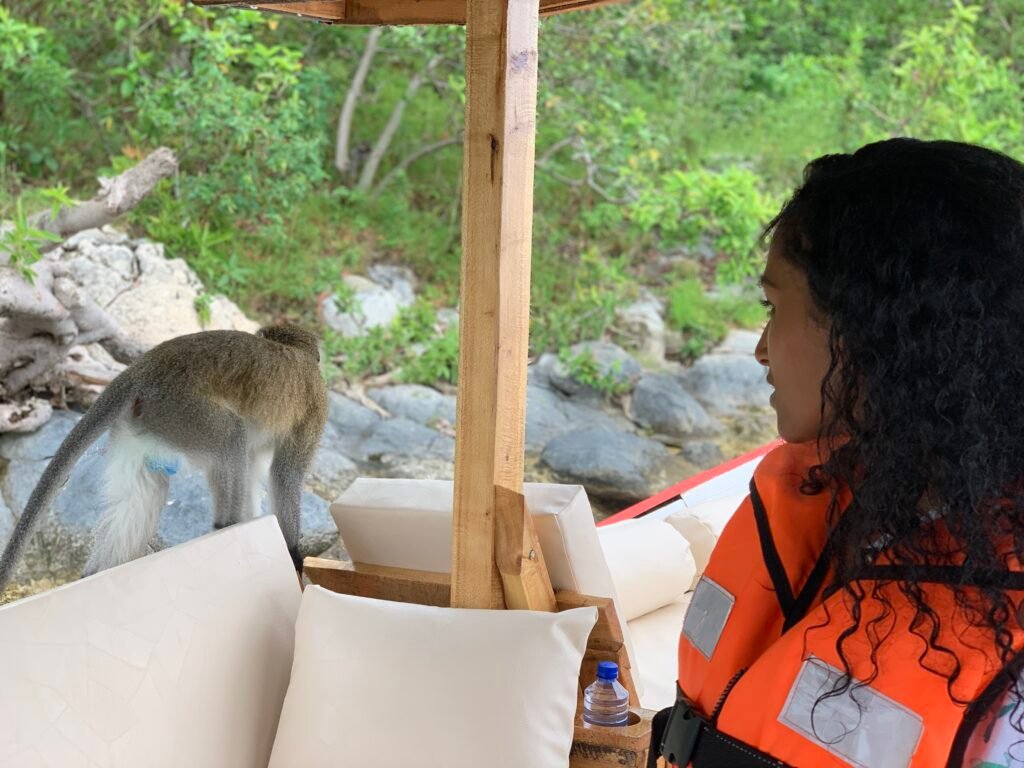
Another small island near Karongi is commonly known as Monkey Island because of its resident primates.
A boat trip may provide opportunities to observe monkeys, birds and the surrounding lake scenery. Wildlife sightings depend on natural movement and should never be guaranteed.
Do not feed the monkeys. Feeding changes their behavior, affects their health and may make them aggressive toward future visitors.
Ask the guide to keep an appropriate distance and avoid surrounding the animals.
15. Bisesero Genocide Memorial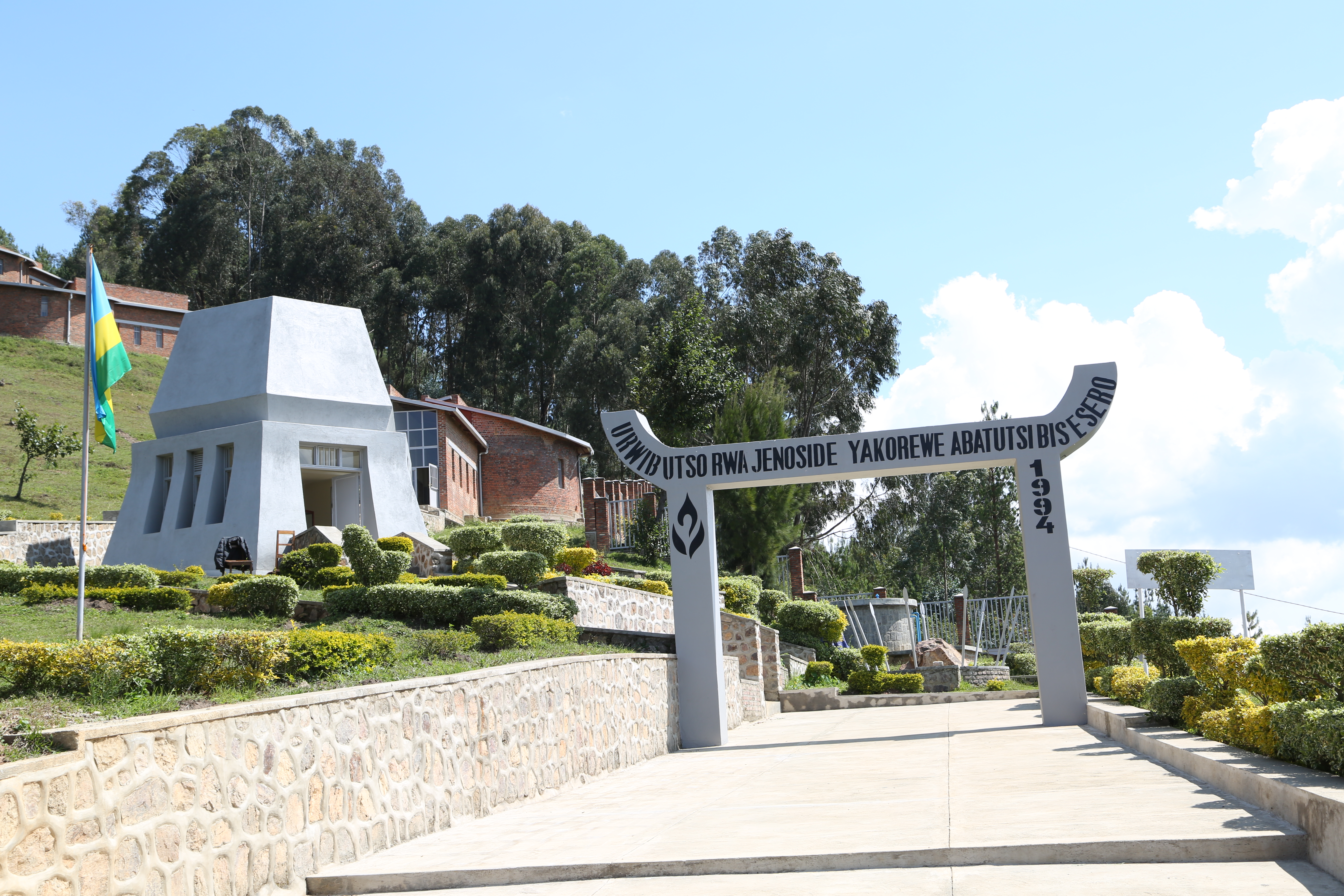
Bisesero lies in the hills beyond Karongi and preserves the memory of Tutsi communities who resisted attacks during the 1994 Genocide against the Tutsi.
The location differs from larger memorials because the surrounding landscape forms an important part of the history. Visitors gain insight into the resistance and suffering that occurred across these hills.
This is not an entertainment stop. Approach the memorial with respect, allow time for reflection and follow the guidance of staff.
Bisesero can be included while traveling between Karongi and Nyungwe, but road conditions and travel time should be assessed in advance.
16. Kumbya Peninsula
Kumbya Peninsula extends into Lake Kivu in southwestern Rwanda. Forest, quiet water and birdlife create a peaceful environment far from busy resort areas.
The peninsula has historical and religious associations and has hosted retreats and gatherings. It may appeal to birdwatchers, campers and travelers seeking solitude.
Access and accommodation arrangements should be confirmed before travel. Facilities may be limited, and parts of the area may require prior permission.
Kumbya combines naturally with Nyungwe National Park, Rusizi or southern Lake Kivu itineraries.
17. Rusizi and the Southern Lake Kivu Shore
Rusizi sits near the southern end of Lake Kivu beside the border with the Democratic Republic of the Congo.
Most tourists use it only as a base for Nyungwe, but the town and surrounding shoreline deserve more time.
Boat excursions may explore the Rusizi River and sections of Lake Kivu. Birdlife can be excellent around wetlands and quiet bays.
The region provides a different view of Lake Kivu from the better-known towns of Rubavu and Karongi. Mountains rise beyond the water, while fishing boats and shoreline communities create a lively local atmosphere.
Rusizi also offers practical accommodation for self-drive travelers visiting Nyungwe. Visit Rwanda
18. Kamiranzovu Waterfall and Wetland
Nyungwe National Park is famous for chimpanzee trekking and its canopy walkway, but the Kamiranzovu area offers a quieter forest experience.
A guided trail passes through rainforest and wetland habitats before reaching a waterfall. Along the route, hikers may encounter birds, butterflies, orchids and primates.
The name Kamiranzovu is connected with elephants that once occurred in the forest. Although elephants no longer live in Nyungwe, the wetland remains ecologically significant.
The trail can become muddy, especially after rain. Wear hiking boots, long trousers and waterproof clothing.
This experience suits travelers who want to explore Nyungwe beyond its two most popular activities.
19. Isumo Waterfall Trail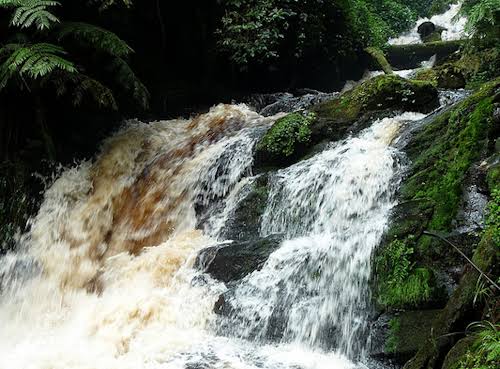
The Isumo Waterfall Trail is another rewarding Nyungwe hike. It descends through tea fields and forest toward an impressive waterfall.
The route reveals the transition between cultivated land and protected rainforest. Birds, monkeys and colorful plant life may appear along the way.
Compared with the canopy walkway, the trail provides a more immersive forest experience and a stronger physical challenge.
Allow enough time and carry water. Hiking conditions depend on rainfall, and the return climb can be tiring.
A guided trail walk also helps visitors understand forest ecology, medicinal plants and conservation efforts.
20. Karamba Birding Trail
The Karamba Trail follows a relatively gentle route through an area that once contained a gold mine, market and military camp.
Fern trees and open forest sections make it one of Nyungwe’s productive birding routes. Travelers may also encounter primates and butterflies.
The official Rwanda hiking guide identifies Karamba as a comparatively easy trail and one of the park’s notable birdwatching areas. Visit Rwanda
This trail works well for visitors who want a shorter Nyungwe activity or who prefer not to undertake steep hikes.
21. Gisakura Tea Plantations
The vivid tea fields around Gisakura form one of southern Rwanda’s most attractive cultural landscapes.
A guided tea experience may include walking through the fields, learning how workers select leaves and following the production process from harvesting to tasting.
Tea remains one of Rwanda’s important exports. Visiting a plantation helps travelers understand how geography, climate and labor influence the final product.
Experiences differ between estates and cooperatives. Some focus mainly on tea picking, while others include factory processing and formal tastings.
Wear closed shoes because paths may be wet or muddy. Ask before photographing workers.
22. Ivomo Tea Cooperative
Ivomo Tea Cooperative offers a more intimate way to discover Rwanda’s tea culture.
Visitors may learn to pick, process and taste tea while interacting with people whose livelihoods depend on the crop. Related ecotourism activities can include birdwatching, canoeing, fishing and community food experiences.
The cooperative has also supported local employment and community projects, demonstrating how tourism and agriculture can work together. TIME
This destination suits travelers interested in responsible tourism, food production and meaningful community encounters.
23. Cyamudongo Forest
Cyamudongo is a small forest fragment associated with the wider Nyungwe landscape. It is especially important for chimpanzees and forest biodiversity.
Its terrain and vegetation differ from the main Nyungwe trekking sectors. The smaller forest can sometimes provide a concentrated primate-tracking experience, depending on permit arrangements and chimpanzee movement.
Visitors must book through authorized channels and follow the same health and wildlife rules applied to other chimpanzee activities.
The drive to the trekking area may begin very early. Road conditions vary, so staying near the correct starting point is important.
24. Nyanza King’s Palace and Inyambo Cattle
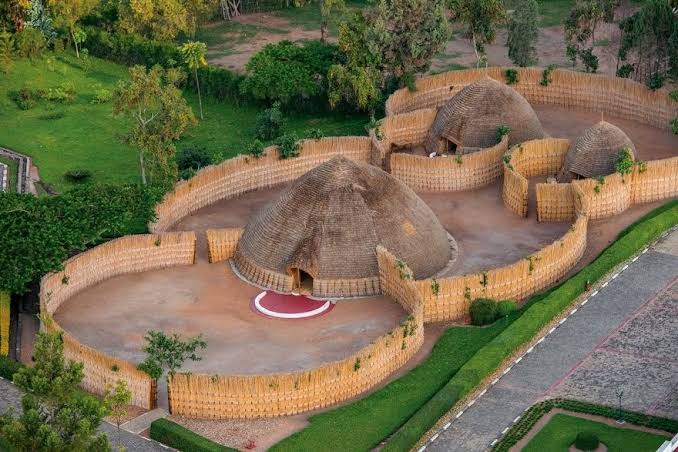
Nyanza was once the royal capital of Rwanda. Today, the King’s Palace Museum preserves a reconstruction of the traditional royal residence.
The large thatched structure resembles a carefully formed beehive. Its architecture reflects the skill, symbolism and organization of precolonial Rwandan society.
Behind the palace live long-horned Inyambo cattle descended from the royal herd. Their keepers groom them and preserve traditions involving songs and poetry.
Official tourism information describes Nyanza as an important cultural center and explains that the town became Rwanda’s permanent royal capital in 1899. Visit Rwanda
The palace works well as a stop between Kigali and Nyungwe. Allow enough time for a guided tour rather than treating it only as a short photographic stop.
25. Ethnographic Museum in Huye
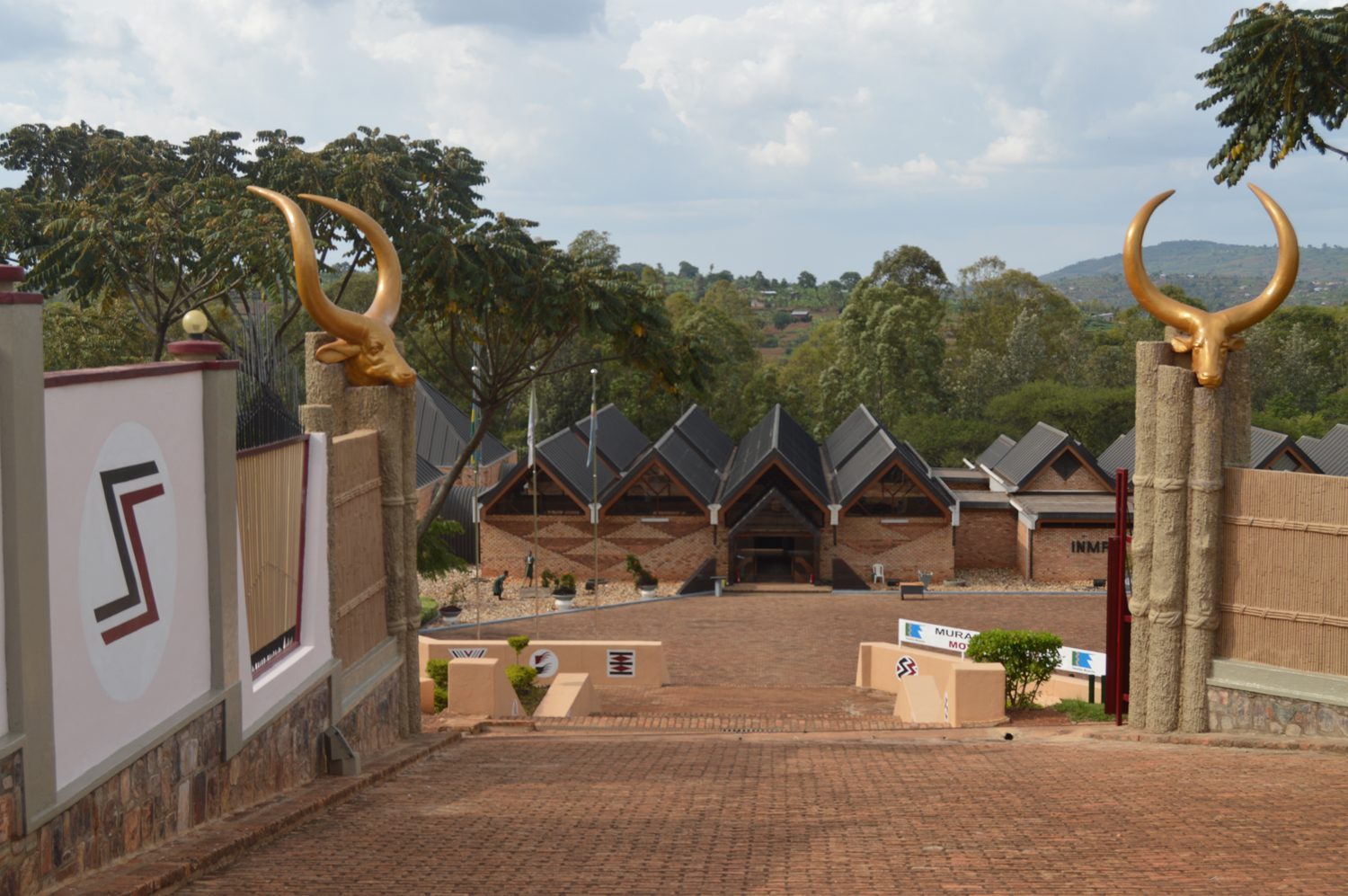
The Ethnographic Museum contains one of the region’s strongest collections related to Rwandan culture and traditional life.
Its galleries explore agriculture, livestock, clothing, architecture, craftsmanship, music, social organization and belief systems.
The museum provides valuable background for travelers visiting community projects or historic sites elsewhere in Rwanda. It helps explain the cultural meaning behind objects that might otherwise appear simply decorative.
Traditional dance performances may be available according to scheduling.
Huye itself deserves exploration. The city has an academic atmosphere, local restaurants, markets and historic architecture.
26. Huye Mountain and Surrounding Trails
Huye Mountain rises near the city and offers hiking opportunities with views over the surrounding hills.
The trail is less developed as an international attraction than Rwanda’s volcanic hikes. This makes it suitable for visitors looking for a local outdoor experience.
A community guide can assist with navigation and explain the landscape. Conditions may become slippery during rain.
Combine the hike with the Ethnographic Museum, coffee experiences or a night in Huye.
27. Kibeho Pilgrimage Centre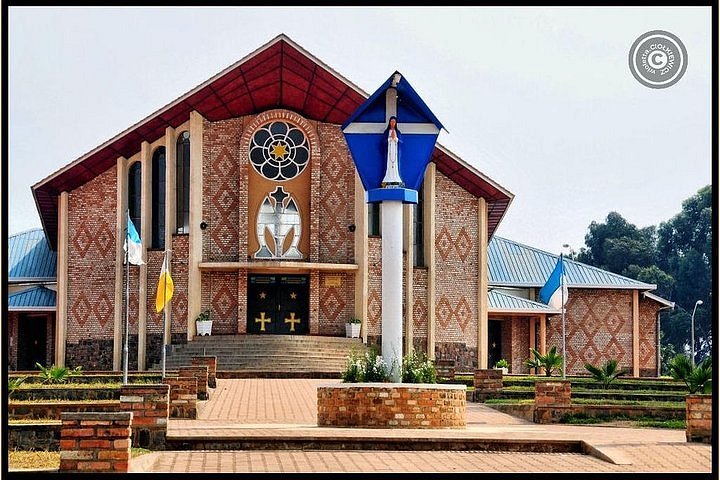
Kibeho is one of Africa’s best-known Catholic pilgrimage destinations but remains outside most general Rwanda itineraries.
The Sanctuary of Our Lady of Kibeho attracts pilgrims for prayer, Mass and reflection. The site is associated with reported Marian apparitions that began in the early 1980s.
Pilgrimage dates can attract large crowds. Travelers seeking a quiet visit may prefer ordinary weekdays, while religious groups may plan around special celebrations.
Visitors should dress respectfully and avoid interrupting worship.
Kibeho can be combined with Nyanza, Huye and Nyungwe in a southern Rwanda itinerary.
28. Save and Rwanda’s Early Catholic Heritage
Save, near Huye, has an important place in Rwanda’s Catholic history. Early missionaries established a mission in the area at the beginning of the twentieth century.
The landscape contains churches, schools, farms and communities shaped by this history.
Save is particularly relevant to religious travelers connecting Kigali with Kibeho. Guided visits may also incorporate coffee or agricultural experiences.
As with all active religious sites, visitors should confirm access before arriving and respect services or private ceremonies.
29. Nyamata and Ntarama Beyond the Main Memorial Visit
Nyamata and Ntarama are widely known for memorial sites connected to the 1994 Genocide against the Tutsi.
A responsible visit should extend beyond viewing physical evidence. Trained guides explain the history, community impact and long process of remembrance and rebuilding.
These locations are emotionally demanding. Travelers should avoid taking insensitive photographs or approaching the sites as casual attractions.
Combining the memorials with appropriate reconciliation or community initiatives can provide deeper historical understanding, but such visits must be organized ethically.
30. Rusumo Falls
Rusumo Falls lies on the Kagera River near Rwanda’s border with Tanzania.
The broad river passes through rocky channels before continuing toward Lake Victoria and the Nile system. The location has both natural and historical significance.
Rusumo can be included in an eastern Rwanda road trip or as a stop for travelers crossing between Rwanda and Tanzania.
Border infrastructure and road conditions can influence access. Use current local guidance and avoid photographing sensitive border installations.
Nearby Ngoma provides a practical regional stopover. Rwanda’s official tourism platform identifies Rusumo waterfall as a possible half-day excursion from Ngoma. Visit Rwanda
31. Lake Mugesera
Lake Mugesera lies southeast of Kigali and forms part of a broader system of lakes and wetlands.
The area appeals to birdwatchers, photographers and visitors seeking peaceful rural scenery. Fishing communities and cultivated hills surround sections of the shoreline.
Tourism facilities remain limited compared with Lake Kivu. Arrange transportation, guiding and boat activities in advance.
Lake Mugesera can be combined with Nyamata, eastern Rwanda or a longer route toward Akagera.
32. Lake Sake
Lake Sake is another lesser-known eastern Rwanda lake. Wetlands, farmland and village life create an attractive setting for slow exploration.
Birdwatching may be rewarding, particularly during the early morning. Local fishing activity also provides insight into lakeside livelihoods.
The destination is best suited to travelers with private transport and a flexible itinerary. Do not expect resort facilities or a heavily developed visitor center.
33. Lake Muhazi
Lake Muhazi stretches through eastern Rwanda within relatively easy reach of Kigali.
Although it is known locally, many international travelers bypass it on their way to Akagera National Park.
The lake offers kayaking, birdwatching, fishing, picnics and quiet lodge stays. Its long, narrow shape creates peaceful bays framed by hills and agricultural land.
Muhazi works well for a final night after Akagera or a weekend escape from Kigali.
Travelers who want a relaxing lake experience without driving to Lake Kivu may find it especially convenient.
34. Karenge Bush Camp in Akagera
Akagera National Park is no longer hidden, but some of its experiences remain far less familiar than the standard day game drive.
Karenge Bush Camp operates seasonally in a remote part of the park. Its simple tented style creates a close connection with the wilderness.
Guests experience the sounds of wildlife at night and gain access to quieter game-drive areas.
Because operations are seasonal, availability must be confirmed before building the itinerary.
A bush-camp stay suits adventurous travelers who value atmosphere and location over conventional hotel facilities.
35. Lake Rwanyakazinga
Lake Ihema attracts most Akagera boat safaris, while Lake Rwanyakazinga receives far less public attention.
The lake lies in the park’s northern region and supports hippos, crocodiles, waterbirds and other wildlife.
Accommodation overlooking the lake can provide an exclusive safari atmosphere, particularly during sunrise and sunset.
This area works best as part of a multi-night Akagera itinerary rather than a rushed day trip from Kigali.
36. Mutumba Hills
The Mutumba Hills rise in northern Akagera and offer wide views across the park’s savannahs, wetlands and lakes.
Wildlife density varies, but the landscape itself makes the northern region special. Giraffes, elephants, buffaloes, antelopes and predators may occur in the surrounding plains.
Many day visitors exit before exploring this area thoroughly. Staying two or three nights gives travelers more time to reach it.
The northern exit can also reduce unnecessary backtracking when the broader itinerary continues toward Nyagatare or another eastern destination.
37. Nyandungu Eco-Park
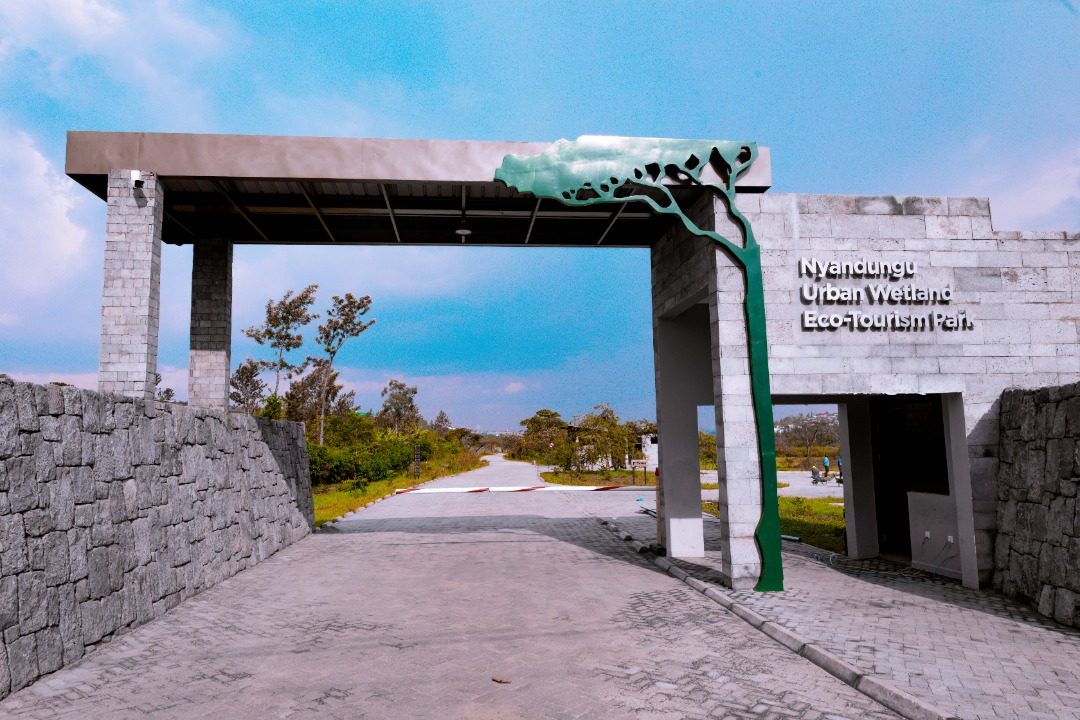
Nyandungu Eco-Park transformed a degraded wetland in Kigali into an urban conservation and recreation area.
Walking and cycling paths pass restored habitats, gardens and birding areas. The park provides a quiet contrast to Kigali’s roads and commercial districts.
It is suitable for families, birdwatchers and travelers with a free morning before an airport transfer.
Nyandungu also demonstrates how cities can restore natural ecosystems while creating public spaces.
Rwanda’s official tourism materials include Nyandungu among Kigali’s nature-based visitor experiences. Visit Rwanda
38. Umusambi Village
Umusambi Village is a restored wetland sanctuary in Kigali associated with the conservation of grey crowned cranes.
The project has provided a protected environment for cranes rescued from illegal captivity. Wetland paths also support birdwatching and nature walks.
Visitors can learn about threats facing crowned cranes, including habitat loss and capture for private display.
The sanctuary offers a meaningful half-day activity for families, schools and conservation-minded travelers.
39. Mount Kigali
Mount Kigali is not a dramatic isolated mountain. Instead, it forms part of the high terrain overlooking the capital.
Trails, viewpoints and outdoor recreation areas provide broad views over Kigali and the surrounding hills.
Activities can include walking, horseback riding, photography and relaxation at establishments in the area.
Visit during the morning or late afternoon for cooler temperatures. Carry rain protection during the wet seasons.
Mount Kigali works well for travelers who want an active experience without leaving the city.
40. Nyamirambo Neighborhood Experiences
Nyamirambo is one of Kigali’s most dynamic neighborhoods. Its markets, mosques, tailoring shops, restaurants and residential streets reflect the city’s cultural diversity.
A guided walking tour provides more depth than driving quickly through the district. Community-led experiences may include cooking, food tasting, sewing projects and neighborhood history.
The goal should be cultural exchange rather than treating ordinary residents as tourist displays.
Buy directly from local businesses and ask permission before photographing people.
41. Kigali Milk Bars
Milk bars once played an important role as social meeting places in Kigali and other Rwandan towns.
Visitors may taste fresh milk, fermented milk known as ikivuguto and simple snacks. These establishments provide insight into the cultural importance of cattle and dairy products.
Independent milk bars have become less common as Kigali changes, making the remaining examples interesting pieces of living culture.
Visit with a local guide who can explain what to order and how the tradition developed.
42. Kimironko Market Beyond Souvenir Shopping
Kimironko Market is often presented as a place to buy fabrics and souvenirs. However, a thoughtful visit reveals much more.
Sections of the market sell vegetables, fruit, grains, spices, household items, clothing and traditional textiles. Tailors can sometimes transform selected fabric into clothing, subject to available time.
The market offers a vivid view of Kigali’s everyday economy.
Keep personal belongings secure, ask before photographing vendors and avoid blocking busy walkways.
43. Kigali’s Independent Art Studios
Kigali’s creative scene extends beyond its best-known galleries.
Independent studios, fashion workshops and small exhibition spaces showcase painting, sculpture, photography, jewelry and contemporary design.
Because studios open, close or move, use current local recommendations rather than relying only on old online lists.
Buying directly from an artist creates a personal connection and supports Rwanda’s creative economy.
44. Rwanda’s Specialty Coffee Experiences
Rwandan coffee is grown across the country’s hills, but many travelers taste it without understanding how it reaches the cup.
A coffee experience may include visiting a farm, picking ripe cherries, observing washing and drying, roasting beans and learning professional tasting techniques.
Lake Kivu and the northern highlands contain several coffee-washing stations that welcome organized visitors.
Kigali also has specialty coffee venues where travelers can learn about brewing methods and regional flavor profiles.
Coffee tourism fits naturally into a Congo Nile Trail journey or a relaxed final day in Kigali.
Best Time to Explore Hidden Tourist Attractions in Rwanda
Rwanda can be visited throughout the year, but weather affects hiking, road conditions and photography.
The main drier periods commonly occur from June to September and from approximately mid-December through February. These months generally provide easier hiking conditions.
March through May brings heavier rainfall in many regions. October and November often experience shorter rains.
Rain does not usually fall continuously all day. Wet periods bring green landscapes, dramatic clouds and active birdlife.
Forest trails, waterfalls and tea plantations can be particularly beautiful during or shortly after rain. However, paths may become muddy and slippery.
Pack waterproof clothing regardless of season. Rwanda’s elevation creates local weather differences, and mountain areas can change quickly.
Planning an Itinerary Around Hidden Tourist Attractions in Rwanda
A successful hidden-gem itinerary should not attempt to include every destination.
Choose attractions that connect naturally along the same route. This reduces driving and allows more time for genuine experiences.
Seven-Day Hidden Rwanda Itinerary
Day one can introduce Kigali through Nyandungu Eco-Park, Umusambi Village and a local art or food experience.
On day two, travel north toward Musanze and explore Buhanga Eco-Park or the Musanze Caves.
Day three can include the Twin Lakes, Mukungwa canoeing or a rural community experience.
On day four, continue toward Gishwati-Mukura National Park for a forest walk and overnight stay.
Day five follows a Congo Nile Trail section toward Karongi.
Day six includes a Lake Kivu boat trip to Napoleon and Amahoro islands.
Day seven returns to Kigali with optional stops at Nyanza or another cultural location, depending on the route.
Ten-Day Off-the-Beaten-Path Rwanda Itinerary
A longer itinerary can begin in Kigali before continuing to Lake Muhazi and the eastern countryside.
Spend two or three nights in Akagera to explore its northern hills and quieter lakes.
Travel back through Kigali toward Musanze for the caves, Buhanga and Twin Lakes.
Continue through Gishwati-Mukura and selected Congo Nile Trail sections.
Finish with Karongi, Nyanza and Huye before returning to Kigali.
Fourteen-Day Complete Hidden Rwanda Journey
Two weeks allow travelers to connect the east, north, west and south without excessive rushing.
Begin with Kigali’s wetlands, neighborhoods and art.
Continue to Lake Muhazi and Akagera, then cross to Musanze for northern cultural and outdoor activities.
Explore Gishwati-Mukura before following the Kivu Belt south through Rubavu, Kinunu, Karongi and Rusizi.
Add Nyungwe’s lesser-known hiking trails, tea experiences, Huye, Nyanza and Kibeho before returning to Kigali.
Transportation and Road Conditions
Rwanda’s relatively compact size makes it possible to explore several regions within one trip.
Main roads between Kigali and provincial towns are generally paved. Roads leading to lakes, trailheads, farms and community attractions may be unpaved.
A standard vehicle works for many major routes, while a 4×4 provides greater security during the rainy season or on remote roads.
Drive times should remain realistic. Rwanda’s hills, towns, speed limits and local traffic can make journeys slower than distances suggest.
A professional driver-guide removes the burden of navigation and helps travelers communicate with community hosts.
Self-drive visitors should download offline maps and confirm routes locally before entering remote areas.
Responsible Travel at Rwanda’s Hidden Gems
Lesser-known destinations may lack the infrastructure found at established attractions. Visitors should travel gently and respect community priorities.
Use trained local guides whenever possible. Their knowledge adds meaning and helps tourism revenue remain within the destination.
Ask permission before photographing people, homes, ceremonies or agricultural work.
Do not enter private land simply because a route appears on an online map.
Carry reusable water bottles and remove all rubbish. Avoid single-use plastics and never leave waste at campsites or viewpoints.
Follow wildlife regulations, keep a respectful distance and avoid feeding animals.
At genocide memorials, churches and pilgrimage sites, dress appropriately and maintain a respectful tone.
Who Should Explore Hidden Rwanda?
Hidden attractions appeal to travelers who value depth over a checklist.
Photographers gain access to landscapes and daily life beyond famous viewpoints. Birdwatchers can explore wetlands, forest fragments and rural lakes.
Families may prefer canoeing, cultural activities and short forest walks to demanding trekking.
Returning visitors can discover regions missed during a first gorilla-focused safari.
Honeymooners may enjoy private island trips, lakeside stays and quiet forest experiences.
These destinations also suit travelers interested in conservation, food, agriculture, history and contemporary African culture.
Frequently Asked Questions
What are the best hidden tourist attractions in Rwanda?
Gishwati-Mukura National Park, Buhanga Eco-Park, Musanze Caves, the Twin Lakes, Congo Nile Trail, Napoleon Island, Rugezi Marsh, Rusumo Falls and Kumbya Peninsula are among the strongest options.
Can I visit Rwanda without gorilla trekking?
Yes. Travelers can build a complete itinerary around Akagera wildlife safaris, Nyungwe hiking, Lake Kivu, cultural heritage, birdwatching, coffee, tea and community experiences.
How many days do I need to explore hidden Rwanda?
Seven days provide a useful introduction. Ten to fourteen days allow a more complete route through eastern, northern, western and southern Rwanda.
Is Gishwati-Mukura worth visiting?
Yes, particularly for travelers interested in forest conservation, hiking, primates, birdwatching and less crowded destinations.
Can I cycle the Congo Nile Trail?
Yes. Travelers can cycle the full trail or selected sections. Use a guide, a suitable bicycle and a support vehicle for longer itineraries.
Are the Twin Lakes close to Volcanoes National Park?
Yes. Burera and Ruhondo lie near Musanze and can be visited before or after a Volcanoes National Park experience.
Is Lake Kivu safe for swimming?
Swimming conditions depend on the specific location, weather and local guidance. Use recognized beaches or lodge areas and follow advice from experienced local operators.
Can hidden attractions be visited on day trips from Kigali?
Nyandungu, Umusambi Village, Mount Kigali, Lake Muhazi, Nyamata, Ntarama and selected eastern or central attractions can be visited from Kigali. Remote destinations require overnight stays.
Do I need a guide?
Some national park hikes require permits and official guides. Local guides are also strongly recommended for community visits, remote trails, birding and cultural sites.
What should I pack?
Bring comfortable walking shoes, a rain jacket, sun protection, insect repellent, binoculars, reusable water bottle and modest clothing for religious or memorial visits.
Final Thoughts on Hidden Tourist Attractions in Rwanda
Rwanda’s gorillas deserve their international reputation, but they represent only one part of the country’s tourism story.
The hidden tourist attractions in Rwanda reveal ancient forests, volcanic landscapes, royal traditions, island ecosystems and communities shaped by farming, fishing, art and faith.
Gishwati-Mukura introduces visitors to forest restoration. The Congo Nile Trail connects travelers with Lake Kivu communities. Buhanga preserves royal folklore, while Nyanza protects the history of Rwanda’s monarchy.
Remote wetlands, lakes and forest trails reward birdwatchers and hikers. Coffee and tea experiences connect landscapes with livelihoods. Kigali’s restored nature areas show how conservation can exist within a growing city.
Travel slowly, choose responsible local experiences and leave space for conversations and unexpected discoveries. These moments often become more memorable than the most famous stops.
By combining renowned national parks with Rwanda’s quieter places, travelers gain a more complete understanding of the Land of a Thousand Hills.
Explore Hidden Tourist Attractions in Rwanda with Universal Ventures Rwanda
Universal Ventures Rwanda organizes private and customized tours to Rwanda’s national parks, cultural heritage sites, lakes, hiking trails and lesser-known destinations.
Our team can combine hidden tourist attractions in Rwanda with gorilla trekking, chimpanzee tracking, Akagera Big Five safaris, Lake Kivu and cross-border East African adventures.
Email: info@universalventuresrwanda.com
Call or WhatsApp: +250 781 441 853
Address: KK 15 Road, Kigali, Rwanda
Website: Universal Ventures Rwanda