Rwanda adventure holidays beyond gorilla trekking reveal the true diversity of the Land of a Thousand Hills. You can track chimpanzees at sunrise, cross a suspended walkway above Nyungwe Forest, watch lions in Akagera National Park and paddle between the islands of Lake Kivu. On another day, you might hike to a volcanic crater lake, cycle beside coffee plantations or join local artisans for a traditional craft experience.
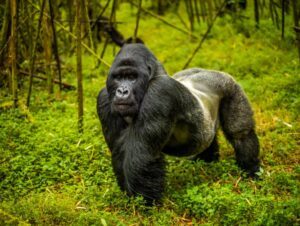
Rwanda is internationally celebrated for mountain gorilla trekking, yet the country offers far more than its most famous wildlife experience. Travellers who explore beyond Volcanoes National Park discover Big Five safaris, ancient rainforests, volcanic mountains, kayaking expeditions, cycling routes, canopy walks, caves, lakes, cultural communities and some of East Africa’s most rewarding hiking trails.
The country’s compact size makes these combinations possible. Visitors do not need several domestic flights to experience dramatically different landscapes. Rwanda’s national parks, lakes and cultural centres connect through a good road network, allowing travellers to build a varied private itinerary around their available time.
Adventure in Rwanda does not always require extreme fitness. The country offers experiences for gentle explorers, families, senior travellers and serious hikers. A holiday might involve demanding volcano climbs, or it could focus on scenic drives, boat trips, short nature walks and cultural encounters.
This complete guide explores the most exciting Rwanda adventure holidays beyond gorilla trekking, explains where to find them and helps you design an unforgettable journey through one of Africa’s most naturally beautiful destinations.
Why Explore Rwanda Beyond Gorilla Trekking?
Mountain gorillas deserve their global reputation. Meeting them in their natural environment can be one of the most emotional wildlife experiences in Africa. However, treating Rwanda as a single-attraction destination means overlooking most of what makes the country exceptional.
Rwanda contains four national parks, numerous lakes, volcanic peaks, protected wetlands and extensive hiking and cycling opportunities. Its landscapes change quickly as travellers move between regions.
Eastern Rwanda opens into the savannas and lakes of Akagera National Park. The west is dominated by Lake Kivu and the Congo Nile Divide. Southwestern Rwanda protects the ancient rainforest of Nyungwe, while the north rises toward the Virunga volcanoes.
These contrasting environments support a wide range of activities. Rwanda’s official tourism information highlights cycling, kayaking, hiking, caving, canopy walks and helicopter experiences alongside its famous wildlife attractions. Visit Rwanda’s sports and adventure guide confirms the growing range of outdoor experiences available across the country.
Travellers who explore beyond the gorillas can also spend more time learning about Rwanda’s people. Community visits, food experiences, coffee tours, tea plantations, museums and art centres bring a human dimension to the journey.
Most importantly, a varied itinerary creates a more complete holiday. Gorilla trekking may remain one important day, but it becomes part of a broader exploration rather than the entire reason for visiting.
What Top-Ranking Competitors Cover—and What Travellers Still Need
A review of leading pages about adventure travel in Rwanda reveals several common themes. Most competitors mention Akagera National Park, Nyungwe Forest, Lake Kivu, the Congo Nile Trail and cultural tours.
Travel publishers often present short lists of attractions. Luxury operators focus on premium gorilla lodges, helicopter transfers and high-end safari camps. Activity platforms promote bookable day trips, while specialist operators highlight hiking, cycling and primate tracking.
However, many pages provide limited guidance on connecting these experiences into a practical itinerary. They may list kayaking, volcano hiking and chimpanzee trekking without discussing physical demands, transfer times or the number of nights needed in each region.
This article addresses those gaps by explaining:
- Which activities suit different fitness levels
- How destinations connect geographically
- How many nights to allocate to each region
- Which adventures work during different seasons
- How to combine active days with recovery time
- What to pack for Rwanda’s changing environments
- How to choose between short and extended itineraries
- What costs and permits travellers should expect
- How to combine wildlife, culture and outdoor adventure
The goal is not simply to create a longer list. It is to help visitors turn Rwanda adventure holidays beyond gorilla trekking into comfortable, realistic and rewarding journeys.
Best Rwanda Adventure Holidays Beyond Gorilla Trekking
Rwanda offers adventures in forests, mountains, lakes, cities and savannas. The following experiences can form the foundation of a personalised Rwanda tour.
1. Big Five Safaris in Akagera National Park
Akagera National Park provides Rwanda’s classic African wildlife safari. Its rolling savanna, woodland, lakes, papyrus wetlands and open plains create a striking contrast with the country’s mountain rainforests.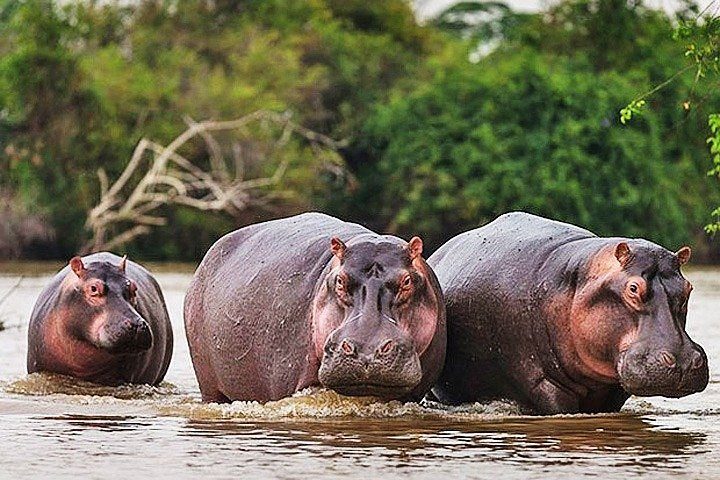
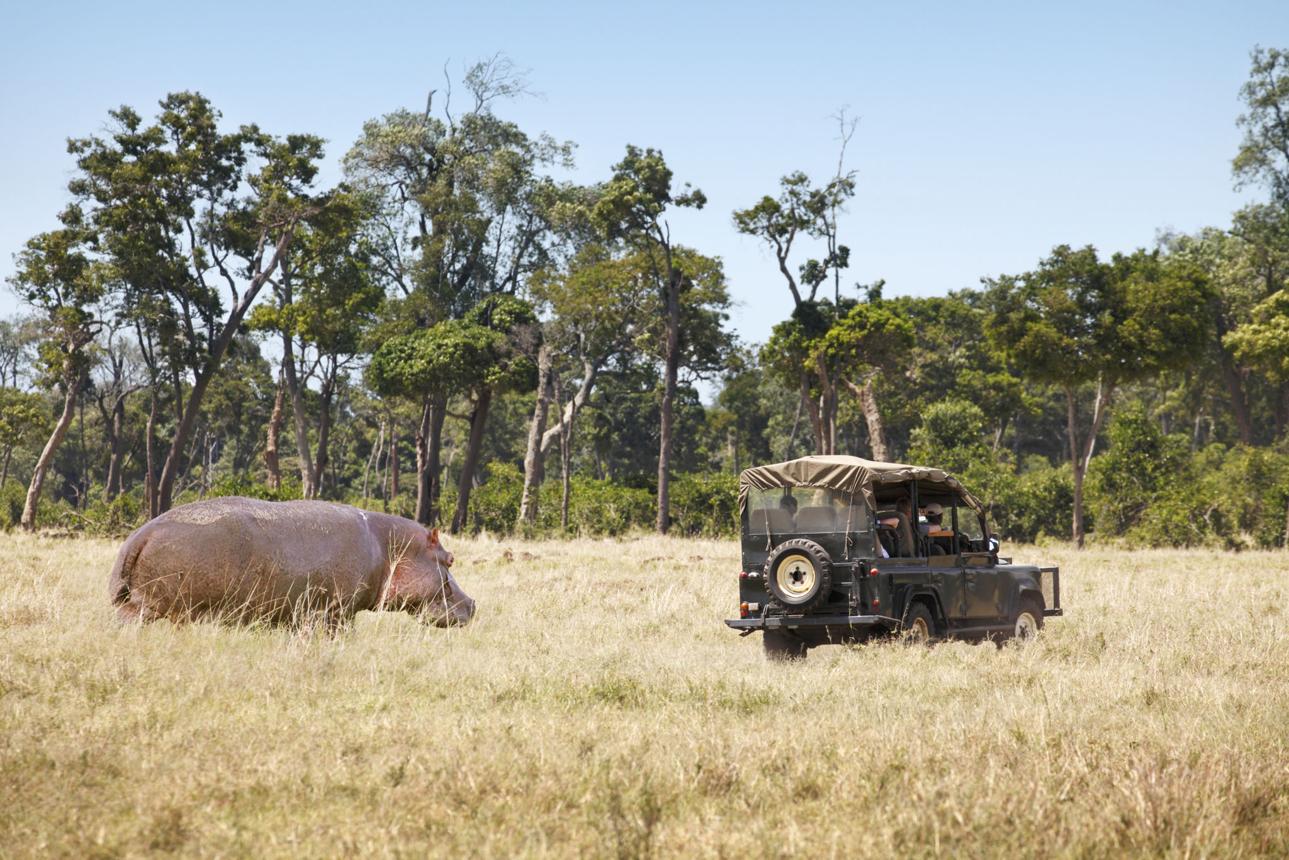
The park is home to lions, leopards, elephants, buffaloes and rhinoceroses. Visitors can also search for giraffes, zebras, topis, impalas, waterbucks, warthogs, baboons, monkeys, hippos, crocodiles and numerous bird species.
Akagera offers an excellent adventure for travellers who want to combine primates with traditional African wildlife. Instead of flying to Kenya or Tanzania immediately after a gorilla trek, visitors can experience the Big Five within Rwanda.
Wildlife sightings remain unpredictable because Akagera is a natural ecosystem rather than a controlled attraction. However, a professional guide understands seasonal movement, preferred habitats and animal behaviour.
Full-Day Akagera Game Drive
A full-day game drive allows visitors to explore the changing ecosystems between southern and northern Akagera. The route may begin near the park’s southern entrance and continue toward the more open northern plains.
Travellers should expect a long but rewarding day. Picnic lunches allow the group to remain inside the park, while planned stops provide opportunities to stretch and enjoy the scenery.
Private game drives offer greater flexibility than shared tours. Guests can spend longer photographing animals, concentrate on birds or adjust the pace according to their interests.
Sunrise and Sunset Game Drives
Early morning is an excellent time to enter the park because temperatures are cooler and many animals remain active. The landscape also offers beautiful light for photography.
An afternoon or sunset drive creates a different atmosphere. Wildlife may emerge as the heat decreases, while the colours across the lakes and hills become particularly striking.
Staying near or inside Akagera makes it easier to enjoy these quieter hours without completing a tiring return journey to Kigali.
Night Game Drives
A night safari introduces visitors to Akagera’s nocturnal environment. Guides use controlled spotlights to search for animals that are difficult to see during the day.
Potential sightings include genets, civets, bush babies, porcupines, owls, hyenas and occasionally leopards. No particular animal can be guaranteed.
Night drives must follow park regulations and should be arranged through authorised operators. They work best as part of a two- or three-night Akagera stay.
2. Lake Ihema Boat Safaris
Lake Ihema is one of Akagera National Park’s most appealing environments. A guided boat safari provides a water-level perspective on the park’s wildlife.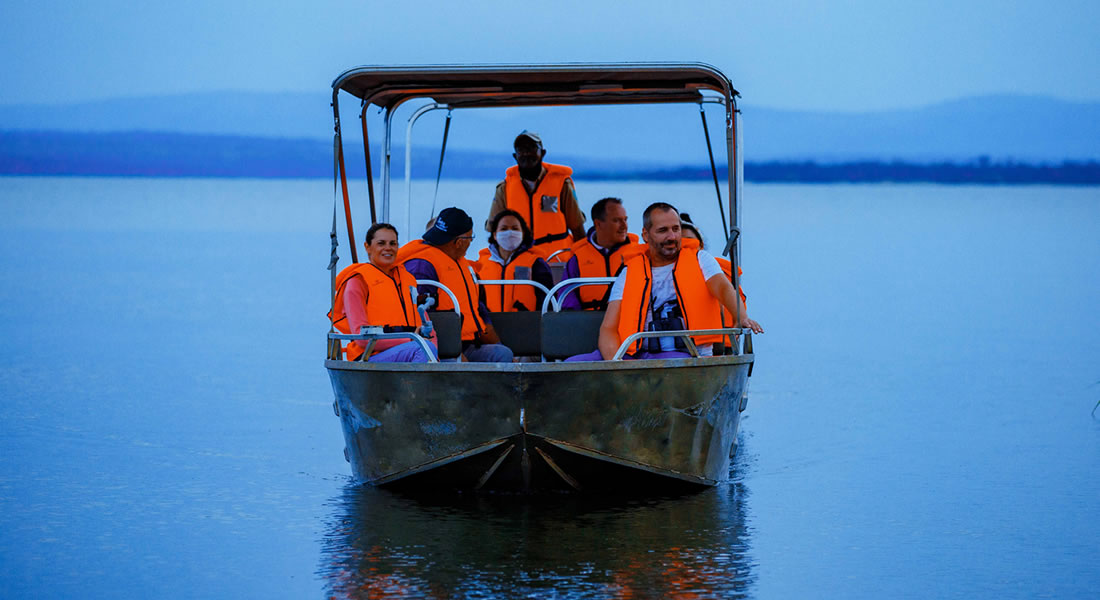
Hippos often become the main attraction, while Nile crocodiles may rest near the shoreline. Elephants, buffaloes and antelopes sometimes approach the water to drink. Birdlife can include African fish eagles, kingfishers, herons, egrets, cormorants and colourful bee-eaters.
A boat safari is especially valuable after a long game drive. Changing from a vehicle to a boat adds variety and creates new photography opportunities.
Scheduled departures suit many travellers, while private boat trips provide additional flexibility. Always follow the captain’s safety instructions and keep cameras secured.
3. Chimpanzee Trekking in Nyungwe National Park
Chimpanzee tracking is one of the most exciting alternatives to gorilla trekking. Nyungwe National Park protects an extensive montane rainforest in southwestern Rwanda and supports a rich variety of primates.
The experience often starts early. After a briefing, trackers lead visitors into the forest while listening for calls and watching for movement in the canopy.
Chimpanzees can travel quickly, so the activity may require determined walking over uneven and slippery trails. Unlike gorillas, which often remain on the ground for long periods, chimpanzees may feed, call and move through the trees.
This fast-moving encounter creates a completely different primate experience. Visitors hear the forest come alive through powerful vocalisations before they clearly see the animals.
Chimpanzee sightings are never guaranteed. The duration and difficulty depend on weather, terrain and the location of the group.
Participants should wear sturdy hiking footwear, long trousers, long sleeves and waterproof clothing. A small backpack with water, snacks and camera protection is also useful.
4. Nyungwe Canopy Walkway Adventure
Suspended above a forest ravine, the Nyungwe canopy walkway provides an exhilarating view of one of Africa’s important mountain rainforests. The bridge allows visitors to look across the treetops rather than experiencing the forest only from ground level.
The official tourism authority describes the walkway as an adventure suspended above a ravine in Nyungwe’s montane rainforest. Visit Rwanda includes it among the country’s leading outdoor attractions.
The approach requires a guided forest walk, so visitors should prepare for uneven paths and possible rain. Once on the suspended sections, the forest opens below and around them.
Birds and monkeys may appear, although wildlife sightings vary. The scenery itself remains the primary reward.
People with a severe fear of heights should discuss the experience with their guide. There is no need to cross simply because it appears in a standard itinerary; Nyungwe offers several ground-level trails as alternatives.
5. Nyungwe Zipline and Rope-Course Adventure
The Nyungwe zipline introduces a faster and more energetic way to experience Rwanda’s rainforest landscape. Participants move through a professionally managed course using safety equipment and guidance from trained instructors.
A zipline experience works well for travellers who want an adrenaline activity in addition to forest trekking. It can also complement chimpanzee tracking, a tea experience or the canopy walkway.
Age, height, weight and health restrictions may apply. These conditions should be confirmed before booking because operators can update their requirements.
Wear comfortable outdoor clothing and closed shoes. Avoid loose accessories that could interfere with the equipment. Visitors should also inform instructors about medical conditions or mobility concerns.
The zipline should not be treated as an unregulated spontaneous activity. Book through a responsible operator that follows current safety protocols, uses appropriate equipment and conducts a full briefing.
6. Hiking the Isumo Waterfall Trail
Nyungwe’s Isumo Waterfall Trail leads through tea fields and dense rainforest to an attractive waterfall. Along the way, walkers may encounter birds, monkeys, butterflies, tree ferns and varied plant life.
The trail gives visitors time to appreciate the forest rather than concentrating entirely on a particular primate sighting.
Conditions can be muddy, especially after rain. Hikers need proper footwear, water and a waterproof layer. Walking poles may help on slippery sections.
A waterfall hike fits well into a longer Nyungwe stay. It can follow a morning of chimpanzee tracking or occupy a separate day for travellers who prefer a relaxed pace.
7. Colobus Monkey Tracking
Nyungwe National Park supports troops of black-and-white colobus monkeys, sometimes seen in impressive numbers.
Colobus tracking provides an alternative for travellers who want another primate encounter. Their contrasting black-and-white coats, long tails and movement through the canopy make them particularly photogenic.
The physical demands depend on the troop’s location and trail conditions. As with all wild primate experiences, sightings and viewing conditions cannot be guaranteed.
Colobus tracking also encourages visitors to observe the wider forest ecosystem. Guides may identify other primates, birds and plant species during the walk.
8. Tea Plantation Experiences Near Nyungwe
Southwestern Rwanda produces high-quality tea across green plantations that spread over the hills. A guided tea experience can explain cultivation, harvesting, processing and tasting.
Visitors may learn how workers select the appropriate leaves and how freshly harvested tea moves from the plantation to the finished product.
This experience creates a meaningful connection between Rwanda’s landscape and rural economy. It also offers a gentler activity between strenuous forest adventures.
Some tea programmes combine plantation walks with cultural interpretation, birdwatching or local food. The exact itinerary depends on the estate or cooperative.
Comfortable walking shoes, sun protection and rain gear remain useful. Tea estates may look gentle from a distance, but paths can become muddy.
9. Kayaking on Lake Kivu
Lake Kivu is one of Rwanda’s most beautiful adventure destinations. Surrounded by green hills and waterfront communities, it offers opportunities for guided kayaking, canoeing and boat exploration.
Kayaking allows visitors to travel quietly along the shoreline, observe birds and see rural life from the water. Short excursions suit beginners, while experienced paddlers can plan longer journeys.
Safety must remain the priority. Use a reputable guide, wear a properly fitted life jacket and follow weather advice. Visitors should not attempt unfamiliar routes alone.
A morning paddle often provides calmer conditions and softer light. The experience can begin from Rubavu, Karongi or another suitable location, depending on the itinerary and local operations.
Lake Kivu kayaking combines naturally with the Congo Nile Trail, coffee tours and relaxing waterfront accommodation.
10. The Congo Nile Trail
The Congo Nile Trail is one of Rwanda’s signature outdoor adventures. It follows the landscapes beside Lake Kivu, connecting hills, plantations, villages and lakeside communities.
The route can be explored by bicycle, on foot or through a combination of cycling and kayaking. Travellers do not need to complete the entire trail to appreciate it.
Short sections can fit into a one-day excursion, while active visitors may undertake a multiday journey with overnight stops.
The experience goes beyond physical adventure. Travellers pass through inhabited landscapes and gain insight into farming, fishing and community life.
Trail conditions, elevation and daily distances vary. Even experienced cyclists should not underestimate Rwanda’s hills. A guide, suitable bicycle, repair equipment, water and luggage support can make the journey safer and more enjoyable.
11. Cycling Holidays in Rwanda
Rwanda’s hills, scenic roads and strong cycling culture make it an exciting destination for bicycle travel.
Routes range from gentle community rides to challenging mountain stages. Visitors can cycle beside Lake Kivu, explore rural areas around Musanze or take guided rides near Kigali.
The best route depends on fitness, technical experience and traffic confidence. Recreational cyclists should choose shorter distances and allow time for stops.
Serious riders may seek demanding climbs and multiday routes. Support vehicles can carry luggage, provide water and assist if a participant becomes tired.
A properly fitted helmet is essential. Cyclists should also use sunscreen, carry rain protection and wear visible clothing.
Guided cycling offers a deeper connection with the landscape than fast vehicle travel. Smells, sounds and conversations become part of the journey.
12. Mount Bisoke Hiking Adventure
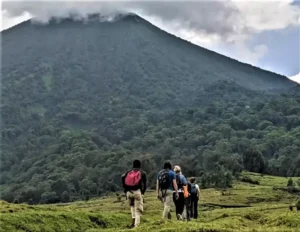
Mount Bisoke rises within the Virunga volcanic range and offers one of Rwanda’s most memorable full-day hikes. Its summit contains a dramatic crater lake.
The hike begins after registration and a briefing. Climbers then follow guides and porters through farmland, forest and increasingly high-altitude vegetation.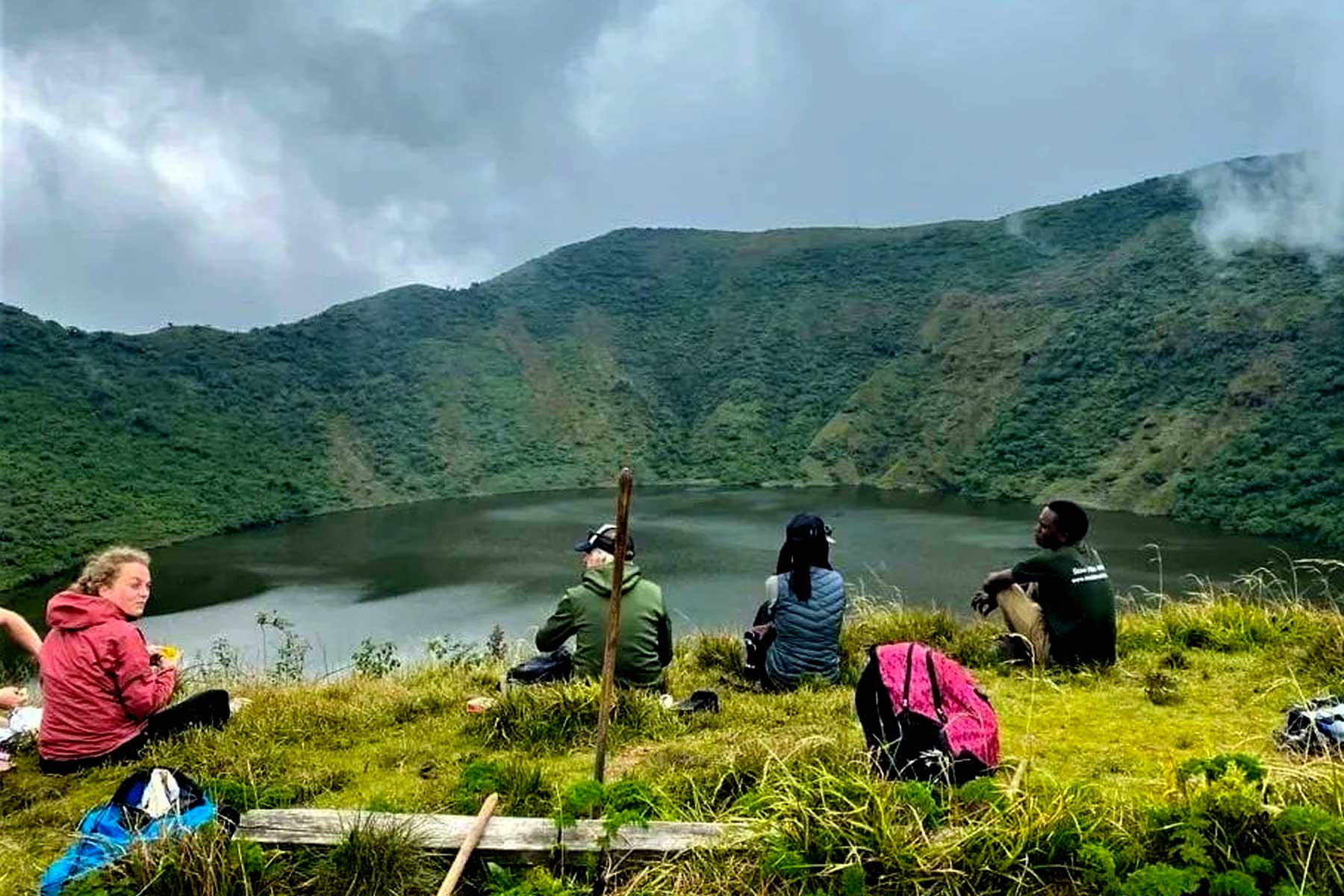
Trail conditions can be muddy and steep. Rain may arrive without warning, while altitude can affect even physically fit travellers.
Hikers should prepare through regular cardiovascular exercise and hill walking. Sturdy boots, gaiters, gloves, long trousers, warm layers and waterproof clothing are recommended.
Reaching the crater lake produces a strong sense of achievement. Clouds may move rapidly across the summit, sometimes revealing and then hiding the surrounding landscape.
Wildlife encounters remain unpredictable, although the hike passes through an ecosystem that supports several species. The entire group must follow park instructions and remain together under the guidance of rangers.
13. Dian Fossey Tomb and Karisoke Hike
The Dian Fossey hike combines physical adventure with conservation history. The trail leads toward the former Karisoke Research Centre area and Fossey’s burial site.
Visitors learn about her research, the challenges of early gorilla conservation and the continuing work of modern conservation organisations.
The route crosses forested and sometimes muddy terrain at elevation. It requires appropriate hiking equipment and reasonable fitness.
This experience appeals to visitors who want historical and scientific context rather than a second primate trek. It also pairs well with a visit to the Ellen DeGeneres Campus of the Dian Fossey Gorilla Fund.
14. Mount Karisimbi Trek
Mount Karisimbi is Rwanda’s highest volcano and one of its most demanding hiking adventures. The climb generally requires more than one day and includes an overnight camp.
This trek suits experienced and well-prepared hikers. Participants face steep terrain, cold temperatures, mud, rain and the effects of altitude.
A professional support team is essential. Climbers need appropriate clothing, sleeping equipment, water, food and emergency planning.
Mount Karisimbi should not be added casually to a crowded safari itinerary. Travellers need preparation time and a recovery period afterward.
For capable hikers, however, the ascent offers a serious mountain experience within the extraordinary Virunga landscape.
15. Twin Lakes of Burera and Ruhondo
The Twin Lakes lie beneath the Virunga volcanoes and provide a calmer outdoor adventure near Musanze.
Visitors can enjoy scenic drives, guided walks, birdwatching and boat or canoe experiences where safely available. The combination of cultivated hills, water and volcanic peaks creates excellent photography.
A Twin Lakes excursion works well after a demanding hike or gorilla trek. It allows travellers to remain active without repeating another strenuous forest experience.
Community interactions should be respectful and arranged through responsible guides. Ask permission before photographing local people and avoid treating inhabited areas as displays.
16. Musanze Cave Exploration
Northern Rwanda contains numerous caves formed through past volcanic activity. Musanze Cave is among the best-known examples and offers a very different adventure from wildlife trekking.
Rwanda’s official tourism information states that the Northern Province has 52 caves and describes Musanze Cave’s main entrance as cathedral-sized. Visit Rwanda lists caving among the country’s adventure activities.
A guided cave visit introduces travellers to Rwanda’s volcanic geology. Helmets, lights and other safety equipment may be provided according to the current operating arrangements.
Closed footwear with good grip is important because cave surfaces can be uneven or damp. Visitors who experience claustrophobia should discuss the route before entering.
Cave access, operating conditions and permit requirements should be reconfirmed before travel.
17. Golden Monkey Tracking
Golden monkeys live in the bamboo forests of Volcanoes National Park. Their energetic movement and distinctive colouring create a lively primate experience.
Tracking them normally begins with a park briefing, followed by a guided walk into the forest. The activity may feel less demanding than some gorilla or volcano hikes, although trails can still be muddy and uneven.
Golden monkeys often move quickly while feeding, so photographers should prepare for changing light and rapid movement.
This experience fits naturally into a two- or three-night Volcanoes National Park itinerary. It can also be combined with the Twin Lakes, a conservation visit or cultural activities around Musanze.
18. Gishwati-Mukura Forest Adventures
Gishwati-Mukura National Park offers a quieter alternative to Rwanda’s better-known protected areas. Its forest restoration story, birdlife, primates and hiking opportunities appeal to returning visitors and travellers interested in conservation.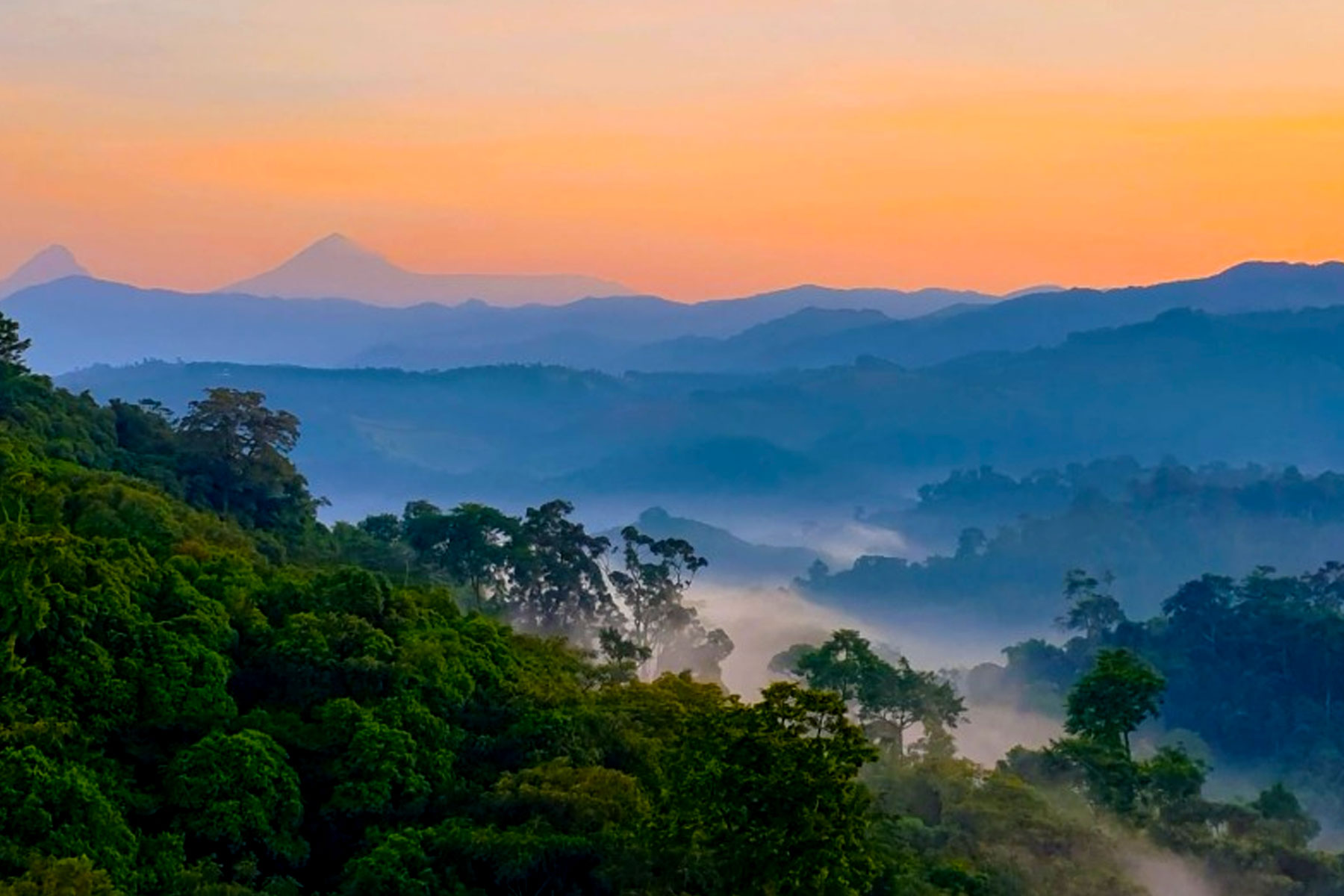
Guided nature walks may introduce visitors to forest ecology and the work required to restore fragmented habitats.
The park works best for travellers who appreciate slower exploration rather than expecting a large checklist of famous animals. Birdwatchers and conservation-focused guests may find it particularly rewarding.
Infrastructure and activity schedules can change, so all arrangements should be confirmed before finalising the itinerary.
19. Birdwatching Across Rwanda
Rwanda’s varied elevation and habitats make it an excellent birding destination. Forest specialists, wetland birds, savanna species and Albertine Rift endemics can all feature in one journey.
Nyungwe is especially important for forest birding, while Akagera provides open-country and wetland species. Volcanoes National Park, Lake Kivu, Gishwati-Mukura and wetlands around Kigali add further variety.
A specialist birding guide dramatically improves the experience. Skilled guides recognise calls, know seasonal patterns and understand where difficult species may occur.
Birdwatching can be as gentle or active as the traveller chooses. Some guests prefer relaxed photography from a vehicle, while others hike forest trails before sunrise.
20. Coffee Experiences Around Lake Kivu
Rwanda’s western hills produce high-quality coffee. Guided experiences can take visitors from the growing process to roasting and tasting.
Depending on the programme and season, guests may walk through plantations, learn how cherries are selected, observe washing and drying, and taste coffee prepared through different methods.
A coffee tour connects agriculture, landscape and community livelihoods. It also offers a rewarding rest-day activity between cycling, kayaking or hiking adventures.
Ask what the experience includes before booking. Programmes differ between washing stations, farms and community operators.
21. Kigali Urban Adventures
Adventure travel does not have to remain in remote landscapes. Kigali offers walking experiences, cycling, art, food, markets and cultural discovery.
A guided city tour can introduce neighbourhoods, local businesses and contemporary life. Food-focused travellers may explore Rwanda’s growing culinary scene, from traditional dishes to innovative African dining.
Art galleries and creative workshops show another side of the capital. Visitors can meet artists, learn about local techniques and purchase work directly from recognised producers.
Kigali’s historical sites require time and sensitivity. The Kigali Genocide Memorial is not an adventure attraction, but it provides essential context for understanding Rwanda. Visitors should approach it respectfully and allow time for reflection.
An urban day works well at the beginning or end of an active itinerary.
22. Cultural Experiences and Community Tourism
Responsible cultural tourism allows visitors to learn through conversation, food, music, dance, farming and craft traditions.
Around Volcanoes National Park, travellers may join guided programmes involving basket weaving, pottery, traditional dance or food preparation. Other regions offer coffee, tea and agricultural experiences.
The strongest programmes create a respectful exchange and provide clear benefits to local participants. Avoid experiences that encourage intrusive photography or present communities as unchanging attractions.
Ask your operator how the activity works, how long it lasts and whether it supports a recognised community initiative.
Cultural experiences add balance to Rwanda adventure holidays beyond gorilla trekking by connecting natural landscapes with the people who live around them.
23. Imigongo Art Experiences
Imigongo is a distinctive Rwandan decorative art tradition associated particularly with eastern Rwanda. Its geometric patterns and earth-toned designs make it visually recognisable.
A guided art experience can explain the history, materials and creative process. Some programmes allow visitors to try designing their own piece under the guidance of local artists.
This activity combines naturally with a journey to or from Akagera National Park. It also provides a calm contrast to game drives and hiking.
Purchasing directly from legitimate cooperatives supports artists and helps sustain the tradition.
24. Scenic Helicopter Flights
Travellers with a larger budget can see Rwanda’s hills, forests, lakes and volcanoes from the air. Scenic helicopter flights also reduce transfer time between distant regions.
Rwanda’s official adventure information lists helicopter charters and scenic tours among the available experiences. Visit Rwanda identifies Kigali International Airport as a principal base for these services.
Flights depend on weather, aircraft availability and aviation regulations. Luggage limits may be strict.
A helicopter is not necessary for a rewarding Rwanda holiday. Nevertheless, it can add a dramatic perspective or make a high-end itinerary more efficient.
25. Kigali Ziplining, Horse Riding and Outdoor Recreation
Adventure facilities around Kigali may offer ziplining, horse riding, archery, quad biking or other organised outdoor activities.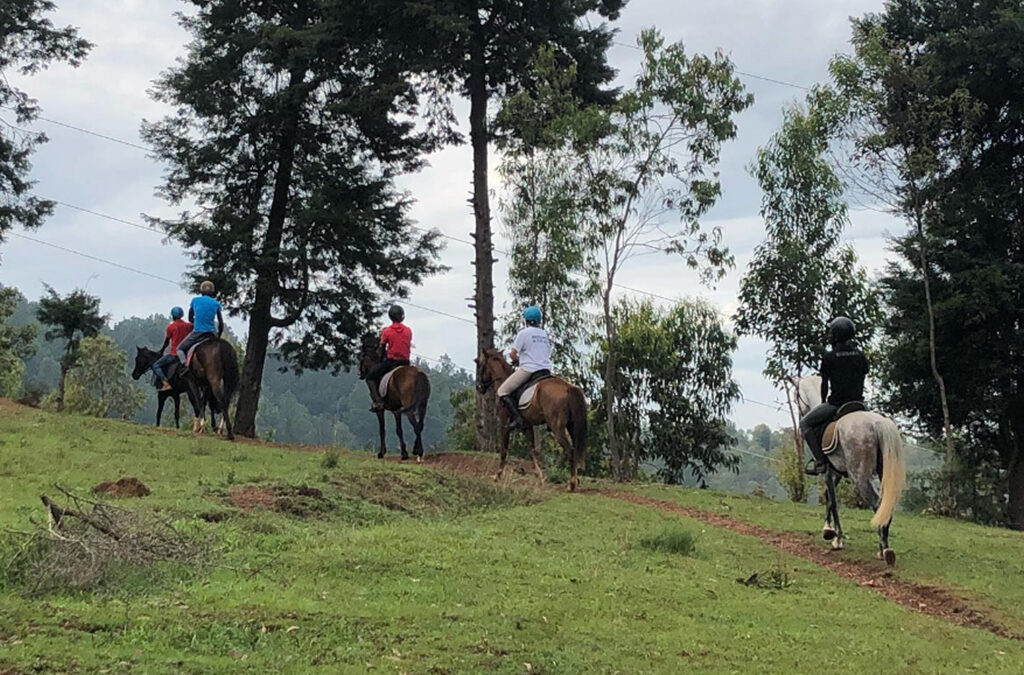
These experiences suit travellers with a free half-day or families seeking an activity near the capital. They can also provide an energetic start before a longer safari.
Operating conditions, age limits, safety standards and available activities should be confirmed directly before booking. Choose established providers with trained instructors and properly maintained equipment.
Best Destinations for Rwanda Adventure Holidays Beyond Gorilla Trekking
Each region has a different character. Choosing the right combination depends on time, fitness and personal interests.
Akagera National Park for Wildlife and Boat Adventures
Choose Akagera if you want Big Five game drives, night safaris, boat trips, birdwatching and classic savanna landscapes.
Two nights work well for a first visit. Three nights allow a slower schedule with multiple drives and recovery time at the lodge.
Nyungwe National Park for Rainforest Adventure
Nyungwe suits travellers interested in chimpanzees, colobus monkeys, canopy walks, ziplining, waterfalls, birdwatching and tea.
Plan at least two nights. Three nights provide enough time for several forest experiences without forcing every activity into one day.
Lake Kivu for Water and Trail Adventures
Lake Kivu is ideal for kayaking, boating, cycling, coffee experiences and relaxation.
Rubavu connects conveniently with Musanze, while Karongi works well along the Congo Nile Trail. Rusizi can complement a Nyungwe itinerary.
Volcanoes National Park and Musanze for Hiking
The northern region offers Mount Bisoke, Mount Karisimbi, the Dian Fossey trail, golden monkeys, caves, Twin Lakes, cycling and conservation activities.
Even travellers who decide not to trek gorillas can spend two or three rewarding nights here.
Kigali for Food, Art and Urban Exploration
Kigali provides excellent restaurants, museums, historical sites, galleries, markets and day adventures.
Include at least one night after arrival and another before departure if flight schedules allow.
Who Should Book Rwanda Adventure Holidays Beyond Gorilla Trekking?
Rwanda’s adventure experiences suit several types of travellers.
Active couples can combine volcano hiking, cycling and kayaking. Families may prefer Akagera, Lake Kivu and shorter nature walks. Solo travellers benefit from private guiding and structured activities. Senior visitors can choose scenic drives, boat trips, gentle cultural experiences and selected forest walks.
Photographers will find varied landscapes and wildlife within manageable distances. Birdwatchers can explore several ecosystems, while conservation-focused travellers can visit restoration projects and protected areas.
Visitors who have already trekked gorillas may return specifically for Nyungwe, Akagera or the Congo Nile Trail.
The most successful itinerary matches the activities to the traveller rather than following a standard package.
Best Time for Rwanda Adventure Travel
Rwanda welcomes visitors throughout the year, but seasonal conditions influence hiking, road travel, photography and wildlife viewing.
June to September
The longer dry season is popular for trekking, hiking, cycling and safari activities. Forest trails may be less muddy, although rain remains possible in mountainous areas.
Demand for accommodation and guides can be high. Book early, especially if the itinerary includes limited permits.
December to February
The shorter dry period also suits outdoor travel. It can be an excellent time for hiking, Akagera safaris and Lake Kivu activities.
Christmas and New Year often bring strong demand and higher lodge rates.
March to May
The longer rains create green landscapes and dramatic photography. Forest trails can become very slippery, and heavy rain may affect cycling or water activities.
Visitors who travel during this period should bring reliable waterproof clothing and maintain a flexible programme.
October and November
The shorter rainy season brings changing weather and rich green scenery. Adventure activities continue, but visitors should expect showers.
No travel month guarantees completely dry conditions. Nyungwe and Volcanoes National Park contain rainforest and mountain environments where rain may fall at any time.
How Many Days Do You Need?
A five-day itinerary can combine Kigali, Akagera and one additional activity. Seven days allow visitors to include Akagera, Lake Kivu or Volcanoes National Park without excessive rushing.
Ten days work well for a broader circuit. Travellers can explore Akagera, Nyungwe, Lake Kivu and Musanze while including rest between strenuous activities.
Two weeks allow a complete adventure holiday with multiday cycling, several national parks and cultural experiences.
The best route does not always visit every destination. Longer stays and fewer hotel changes often produce a more enjoyable holiday.
Sample 7-Day Rwanda Adventure Holiday Beyond Gorilla Trekking
Day 1: Arrival and Kigali
Meet your private driver-guide at Kigali International Airport and transfer to your hotel. Depending on the arrival time, enjoy a gentle city orientation or rest.
Day 2: Kigali to Akagera National Park
Drive east toward Akagera. After checking in, join a Lake Ihema boat safari or an afternoon game drive.
Day 3: Akagera Wildlife Safari
Spend the day exploring Akagera with a professional guide. Search for elephants, giraffes, zebras, buffaloes, lions, rhinoceroses and other wildlife.
Day 4: Akagera to Nyungwe
Travel toward southwestern Rwanda. Because this is a long journey, a carefully planned route may include meaningful stops or an overnight break.
Day 5: Chimpanzee Tracking and Tea Experience
Begin with an early chimpanzee trek. Later, learn about Rwanda’s tea production during a guided plantation experience.
Day 6: Canopy Walk or Zipline Adventure
Explore Nyungwe from above through the canopy walkway or a professionally managed zipline experience.
Day 7: Return to Kigali and Departure
Travel back to Kigali with suitable stops before transferring to the airport.
For a more comfortable pace, add at least one night between Akagera and Nyungwe.
Sample 10-Day Rwanda Adventure Itinerary
Day 1: Kigali Arrival
Airport transfer and overnight in Kigali.
Day 2: Kigali Culture and Food
Explore selected historical sites, local art and Rwanda’s evolving food culture.
Day 3: Kigali to Akagera
Transfer to Akagera and enjoy an afternoon boat safari.
Day 4: Full-Day Akagera Safari
Explore the park from south to north with a picnic lunch.
Day 5: Akagera to Kigali
Complete a sunrise drive before returning to Kigali.
Day 6: Kigali to Nyungwe
Travel south through Nyanza and Huye, with selected cultural stops.
Day 7: Chimpanzee Trekking and Tea
Track chimpanzees in the morning and visit a tea plantation later in the day.
Day 8: Nyungwe Canopy Walk and Zipline
Combine a rainforest walk with an adrenaline activity, depending on current schedules and fitness.
Day 9: Nyungwe to Lake Kivu
Transfer to the lakeshore for a relaxed afternoon.
Day 10: Kayaking and Departure Route
Enjoy a guided paddle before continuing toward Kigali or adding extra nights.
Sample 14-Day Active Rwanda Holiday
A two-week programme can start with two nights in Kigali and three nights in Akagera. The journey then continues toward Nyungwe with a stop in Nyanza or Huye.
Three nights near Nyungwe provide time for chimpanzees, the canopy walkway, ziplining and a tea experience.
The route can continue to Lake Kivu for kayaking, coffee and cycling. Active travellers may spend several days on selected sections of the Congo Nile Trail.
The final stage includes Musanze for Mount Bisoke, caves, golden monkeys or the Twin Lakes. The tour ends with a return to Kigali.
This itinerary demonstrates how Rwanda adventure holidays beyond gorilla trekking can fill two weeks without depending on a single gorilla encounter.
Fitness Levels and Activity Selection
Gentle Adventure
Gentle options include Akagera game drives, Lake Ihema boat safaris, cultural experiences, tea and coffee tours, scenic drives, art workshops and short lakeside walks.
These activities suit travellers who want discovery without demanding physical exertion.
Moderate Adventure
Moderate experiences include the Nyungwe canopy walk, golden monkey tracking, short Congo Nile Trail sections, guided kayaking and selected forest hikes.
Participants should feel comfortable walking on uneven ground for several hours.
Challenging Adventure
Mount Bisoke, extended cycling routes, demanding Nyungwe trails and fast-moving chimpanzee tracking can require strong fitness.
Weather and altitude may increase the difficulty.
Serious Adventure
Mount Karisimbi and multiday cycling or hiking expeditions require preparation, suitable equipment and professional support.
Travellers should disclose medical conditions and discuss their experience honestly with the operator.
What to Pack for Rwanda Adventure Holidays
Rwanda’s elevation and changing environments require versatile clothing. Kigali and Akagera may feel warm, while Volcanoes National Park can be cold and wet.
Pack lightweight long trousers, breathable shirts, a warm fleece, waterproof jacket and sturdy walking footwear.
Hikers should consider gaiters, gardening-style gloves, trekking poles and moisture-resistant bags. Cyclists need suitable clothing, helmets and sun protection, while kayakers should carry quick-drying clothes and secure protection for electronics.
Other useful items include sunscreen, insect repellent, binoculars, a reusable water bottle, a compact first-aid kit, prescribed medication and portable chargers.
Carry essential medication and one change of clothes in hand luggage.
Safety During Rwanda Adventure Tours
Book activities through licensed or reputable operators. Follow ranger, instructor and guide directions throughout each experience.
Never approach wildlife, feed animals or leave a safari vehicle without permission. During boat and kayaking activities, wear a properly fitted life jacket.
Hikers should remain with their group and avoid attempting unfamiliar routes without professional guidance. Weather can change quickly in forests and mountains.
Consult a travel-health professional before departure. Discuss vaccinations, malaria prevention, personal medical conditions and the physical demands of the planned activities.
Comprehensive travel insurance should cover medical treatment, evacuation, cancellation and specific adventure activities. Standard policies sometimes exclude high-altitude hiking, cycling or other specialised experiences.
Responsible Adventure Travel in Rwanda
Adventure tourism should support conservation and local communities rather than creating unnecessary pressure.
Respect park rules, carry out all rubbish and use refillable bottles where practical. Stay on authorised trails and avoid disturbing wildlife for photographs.
Ask permission before photographing people. Purchase crafts through recognised artisans or cooperatives and choose cultural experiences that provide clear community benefits.
Hiring local guides and porters supports employment and enriches the experience. Guides contribute knowledge that visitors cannot gain from maps or online descriptions alone.
Responsible travel also means slowing down. Spending more nights in fewer places reduces rushed transfers and allows more tourism revenue to remain within local destinations.
Combining Gorilla Trekking with Other Rwanda Adventures
“Beyond gorilla trekking” does not necessarily mean excluding gorillas. It means building an itinerary in which the gorilla experience forms one part of a wider journey.
A well-balanced programme might include one gorilla trek, one Mount Bisoke hike, two nights in Akagera, three nights in Nyungwe and several days at Lake Kivu.
Another traveller may skip gorillas entirely and focus the budget on cycling, kayaking, chimpanzees and a longer Big Five safari.
Rwanda’s standard international gorilla permit currently costs USD 1,500 per person. Visitors must be at least 15 years old, and advance booking is strongly recommended. Visit Rwanda’s official gorilla information provides the latest permit and participation guidance.
Travellers who do not purchase a gorilla permit can use that portion of their budget for extra accommodation, private activities or a longer circuit.
Rwanda Adventure Holiday Costs
The total cost depends on travel dates, group size, vehicle type, accommodation category, permits and selected activities.
A private adventure package may include airport transfers, a professional driver-guide, a safari vehicle, fuel, accommodation, meals, park fees, activity permits and bottled water.
Premium lodges and helicopter transfers can increase the price considerably. Good midrange accommodation provides a comfortable alternative for travellers who value experiences more than luxury branding.
Request a detailed proposal showing:
- Accommodation and room category
- Meals included each day
- Private transportation
- Park entrance fees
- Activity permits
- Boat, cycling or kayaking charges
- Guiding services
- Taxes
- Items excluded
- Deposit and cancellation conditions
The cheapest package may omit major expenses. Compare the full inclusions rather than only the advertised total.
Frequently Asked Questions
What can you do in Rwanda besides gorilla trekking?
Visitors can enjoy Big Five safaris, chimpanzee tracking, golden monkeys, canopy walks, ziplining, volcano hikes, kayaking, cycling, birdwatching, caving, tea tours, coffee experiences and cultural activities.
Is Rwanda good for adventure holidays?
Yes. Its mountains, rainforests, lakes, savannas and strong tourism infrastructure support a wide range of outdoor adventures.
Can I visit Rwanda without trekking gorillas?
Absolutely. A complete itinerary can focus on Akagera, Nyungwe, Lake Kivu, Kigali, Gishwati-Mukura and the Congo Nile Trail.
What is Rwanda’s best adventure destination?
The answer depends on your interests. Nyungwe suits rainforest adventure, Akagera offers wildlife, Lake Kivu provides water activities and Musanze is best for volcano hiking.
How difficult is Mount Bisoke?
Mount Bisoke is a demanding full-day hike involving elevation, mud and steep terrain. Good fitness and proper equipment are important.
Is chimpanzee tracking easier than gorilla trekking?
Not always. Chimpanzees move quickly, and trackers may need to follow them over challenging forest terrain.
Can beginners kayak on Lake Kivu?
Beginners can join suitable guided excursions. Choose a reputable operator, wear a life jacket and follow weather and safety guidance.
How long is the Congo Nile Trail?
The full trail extends for more than 200 kilometres along Rwanda’s western landscapes. Travellers can select short sections rather than completing the entire route.
Can I cycle the Congo Nile Trail?
Yes. It is one of Rwanda’s best-known cycling adventures. Route difficulty and daily distances should match your fitness and experience.
Does Rwanda have Big Five wildlife?
Yes. Akagera National Park protects lions, leopards, elephants, buffaloes and rhinoceroses.
How many nights should I spend in Akagera?
Two nights suit most first-time visitors. Three nights provide more time for game drives, a boat safari and relaxation.
How many nights do I need in Nyungwe?
Plan two or three nights. A longer stay allows chimpanzee tracking, canopy adventures and hiking without rushing.
Is the Nyungwe canopy walkway safe?
It operates as a managed tourism activity. Visitors must follow the guide’s instructions and consider whether they are comfortable with heights.
What should I wear for rainforest activities?
Wear long trousers, long sleeves, sturdy hiking boots and a waterproof jacket. Gaiters and gloves may provide extra protection.
What is the best time for hiking in Rwanda?
The drier periods from June to September and December to February are popular, but weather remains unpredictable in the mountains.
Can families enjoy Rwanda adventure holidays?
Yes. Families can choose game drives, boat safaris, gentle cycling, cultural visits and suitable nature walks. Age restrictions may apply to certain activities.
Are private Rwanda tours better than group tours?
Private tours provide more flexibility, especially for travellers with specific fitness, photography or pacing needs.
Can Rwanda be combined with Uganda?
Yes. A cross-border itinerary can add Bwindi, Mgahinga, Queen Elizabeth National Park, Kibale Forest or Lake Bunyonyi.
Can Rwanda be combined with Kenya or Tanzania?
Yes. Travellers often combine Rwanda’s forests and lakes with the Maasai Mara or Serengeti.
Should adventure activities be booked in advance?
Advance booking is recommended for limited permits, popular seasons, specialist guides and activities with restricted capacity.
Why Book a Private Rwanda Adventure Holiday?
Private travel allows the itinerary to match your interests and fitness. You can start early for photography, stop at viewpoints and adjust the pace when weather changes.
A private driver-guide also handles logistics between different regions. This support becomes valuable when an itinerary includes permits, park reception points, early departures and equipment.
Instead of following a fixed group schedule, travellers can balance challenging activities with recovery time. One guest may hike Mount Bisoke while another enjoys the Twin Lakes or a conservation experience.
This flexibility creates safer and more enjoyable Rwanda adventure holidays beyond gorilla trekking.
Final Thoughts on Rwanda Adventure Holidays Beyond Gorilla Trekking
Mountain gorillas may introduce the world to Rwanda, but they represent only one part of the country’s adventure potential.
Akagera’s lions, rhinoceroses and lakes provide a traditional African safari. Nyungwe brings chimpanzees, canopy walks, waterfalls and rainforest thrills. Lake Kivu offers kayaking and beautiful waterfront trails, while northern Rwanda challenges hikers with volcanoes, caves and highland landscapes.
Cyclists can follow the Congo Nile Trail. Birdwatchers can move between forest, wetland and savanna ecosystems. Culture-focused travellers can explore food, art, tea, coffee and community traditions.
Most importantly, Rwanda makes these contrasts accessible within one relatively compact destination. A traveller can watch elephants, cross a rainforest canopy and reach Lake Kivu within the same carefully planned holiday.
Whether you want a gentle outdoor escape or a demanding active journey, Rwanda offers an itinerary to match. The right private tour combines adventure with safety, cultural respect, comfortable accommodation and enough time to appreciate each destination.
Rwanda adventure holidays beyond gorilla trekking do not diminish the importance of the country’s famous primates. Instead, they reveal the complete Land of a Thousand Hills—diverse, energetic, welcoming and filled with experiences that deserve equal attention.
Plan Your Rwanda Adventure with Universal Ventures Rwanda
Universal Ventures Rwanda arranges customised private tours throughout Rwanda and East Africa. Experiences can include Akagera Big Five safaris, Lake Ihema boat trips, Nyungwe chimpanzee tracking, canopy walks, ziplining, Mount Bisoke hiking, Lake Kivu kayaking, Congo Nile Trail adventures, cultural tours and gorilla trekking.
Your itinerary can be personalised according to your travel dates, fitness, accommodation preferences, group size and budget.
Universal Ventures Rwanda
Email: info@universalventuresrwanda.com
Telephone/WhatsApp: +250 781 441 853
Address: Kigali, Rwanda
Website: www.universalventuresrwanda.com