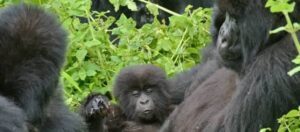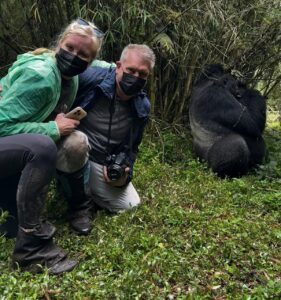
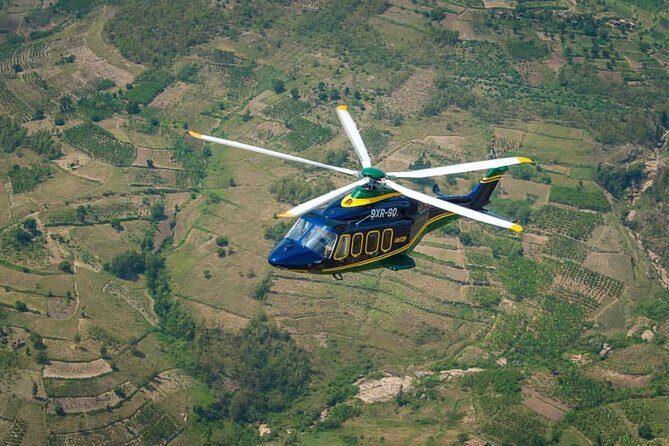
Fly-in gorilla safaris in Uganda offer one of the fastest and most comfortable ways to encounter mountain gorillas in the wild. Instead of spending a full day driving from Entebbe or Kampala to southwestern Uganda, travelers can take a domestic flight to Kihihi or Kisoro. From the airstrip, a professional safari guide transfers them to a lodge near Bwindi Impenetrable National Park or Mgahinga Gorilla National Park.
This travel style is ideal for visitors with limited time. It also suits honeymooners, senior travelers, families with teenagers, photographers, business travelers, and guests who prefer a more relaxed journey. Although flying costs more than traveling entirely by road, it saves valuable time and reduces fatigue.
Uganda is one of the few countries where travelers can see mountain gorillas in their natural habitat. Trekking takes place in Bwindi Impenetrable National Park and Mgahinga Gorilla National Park. Bwindi contains several trekking sectors, a wide choice of accommodation, and many habituated gorilla families. Mgahinga provides a quieter alternative within Uganda’s section of the Virunga Mountains.
A well-planned fly-in safari can take only three days. However, travelers who want a slower experience can add a second gorilla trek, gorilla habituation, golden monkey tracking, Queen Elizabeth National Park, chimpanzee trekking in Kibale, Lake Mburo, or a cultural experience.
This complete guide explains how fly-in gorilla safaris in Uganda work, where to fly, which trekking sector to choose, how much the trip may cost, what to pack, and how to select the right itinerary.
What Are Fly-In Gorilla Safaris in Uganda?
Fly-in gorilla safaris in Uganda are trips that use a scheduled or chartered domestic flight to reach the gorilla trekking region. Most journeys begin at Entebbe International Airport. Travelers then fly to either Kihihi Airstrip or Kisoro Airstrip.
Kihihi is normally used for the northern and eastern parts of Bwindi. Therefore, it is convenient for Buhoma and some lodges serving Ruhija. Kisoro is generally better for the southern Bwindi sectors of Rushaga and Nkuringo. It is also the main air gateway for Mgahinga Gorilla National Park.
After landing, guests continue by four-wheel-drive safari vehicle. The exact road-transfer time depends on the airstrip, trekking sector, lodge, weather, and road conditions. For this reason, the domestic flight does not remove every road journey. Nevertheless, it can reduce a long cross-country drive to a short flight followed by a regional transfer.
A typical three-day fly-in itinerary follows this pattern:
- Day one: Fly from Entebbe to Kihihi or Kisoro and transfer to the lodge.
- Day two: Complete the gorilla trek and return to the lodge.
- Day three: Transfer to the airstrip and fly back to Entebbe.
Longer tours may include two nights before the trek, extra forest activities, community visits, birdwatching, or another national park.
Why Choose a Fly-In Gorilla Safari?
The greatest benefit is time. Driving between Entebbe and Bwindi can take most of the day. The journey is scenic, but it may not suit a short holiday. By contrast, a domestic flight usually reaches southwestern Uganda in a little over an hour, although the complete door-to-door journey is longer because of check-in and ground transfers.
A flight also helps travelers arrive with more energy. Gorilla trekking can involve steep paths, thick vegetation, mud, rain, and changing altitude. Therefore, avoiding a long road journey immediately before the trek may improve the overall experience.
In addition, flying creates more room in the itinerary. A traveler arriving in Uganda for a business event may have only three free days. A honeymoon couple may want to combine gorilla trekking with a beach holiday. Another guest may be connecting Uganda with Kenya, Tanzania, Rwanda, or Zanzibar. In each case, a fly-in itinerary can make the schedule more practical.
Key advantages include:
- Shorter travel time between Entebbe and the gorilla region
- Less fatigue than a full-day road transfer
- More time at the lodge or in the forest
- Easy connection with international flights
- Better use of a short East African holiday
- Convenient access to luxury and midrange forest lodges
- Flexible options for private charters
- Easier combinations with other Ugandan national parks
However, flying is not automatically the best choice for everyone. A road safari offers more chances to see rural landscapes, towns, farms, and attractions along the route. It can also be more economical, especially for a private group sharing one vehicle. The right option depends on time, budget, comfort, and travel interests.
Where Do Fly-In Gorilla Safaris in Uganda Begin?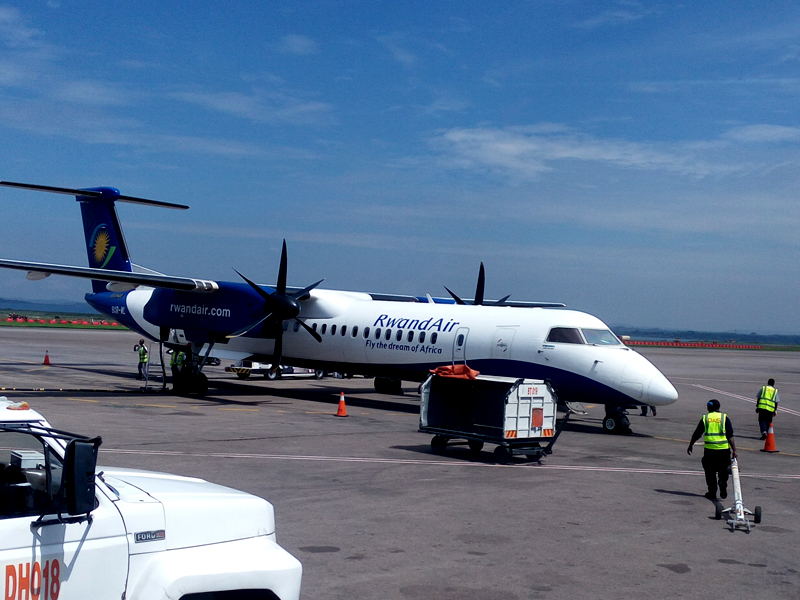
Most fly-in gorilla tours begin at Entebbe International Airport. Entebbe is Uganda’s principal international gateway and lies beside Lake Victoria. Scheduled domestic flights usually depart from Entebbe, making it convenient for international visitors.
Some aviation services may also operate from Kajjansi Airfield near Kampala. However, routes and schedules can change. Travelers should confirm the departure airfield before booking accommodation or airport transfers.
An overnight stay in Entebbe is often advisable. International flights may arrive after domestic services have finished for the day. Furthermore, building a buffer into the itinerary protects the safari if the international flight is delayed.
A comfortable arrangement is to arrive in Entebbe, spend one night nearby, and take a morning domestic flight the following day. On the return journey, travelers should also leave enough time before their international departure. Weather, aircraft movements, and operational changes can affect domestic schedules.
Flying from Entebbe to Bwindi Impenetrable National Park
Bwindi does not have an airstrip inside the national park. Instead, visitors use Kihihi or Kisoro and continue by road.
Published AeroLink routes connect Entebbe with both airstrips. Its destination information shows several Kihihi services and morning or mid-morning Kisoro options. Flight schedules vary by season, and some services may include stops. Therefore, exact times must be reconfirmed for the intended travel date. See AeroLink’s published Bwindi flight information.
The flight offers impressive views when the weather is clear. Travelers may see Lake Victoria, cultivated hills, wetlands, valleys, and the highlands of southwestern Uganda. Nevertheless, visibility depends on cloud cover and the assigned route.
Domestic aircraft are smaller than international airliners. As a result, luggage limits are usually stricter. Soft-sided bags are easier to load than hard suitcases. Passengers should check current baggage allowances directly with the airline or through their tour operator before departure.
Entebbe to Kihihi Airstrip
Kihihi Airstrip is the usual choice for travelers trekking in the Buhoma sector. It can also serve some itineraries involving Ruhija, Queen Elizabeth National Park, and the Ishasha region.
Buhoma was the first major gorilla tourism area developed in Bwindi. Today, it has accommodation at several price levels, from simple camps to high-end forest lodges. It also offers community walks, birdwatching, forest walks, and access to the Buhoma–Nkuringo trail.
A Kihihi flight can also support a combined gorilla and wildlife safari. For example, visitors may fly to Kihihi, explore Queen Elizabeth National Park, continue to Bwindi, trek the gorillas, and then fly back from the same airstrip.
The road transfer from Kihihi to Buhoma often takes around one and a half to two hours. However, conditions vary. Rain, road works, stops, and the precise location of the lodge can affect the timing.
Entebbe to Kisoro Airstrip
Kisoro Airstrip serves the southern Bwindi sectors and Mgahinga Gorilla National Park. It is commonly used for lodges around Rushaga and Nkuringo.
The surrounding landscape is dramatic. Kisoro lies near volcanic peaks, lakes, terraced farms, and the borders of Rwanda and the Democratic Republic of Congo. Therefore, the ground transfer can be visually rewarding even after the flight.
Kisoro flights are more sensitive to morning weather because of the mountainous terrain. Airlines may prioritize early departures when visibility is usually better. Visitors should keep this in mind when arranging international connections.
Travelers trekking in Mgahinga generally fly to Kisoro and continue by road to their lodge. Mgahinga is Uganda’s smallest national park and protects mountain gorillas, golden monkeys, high-altitude forest, and three striking Virunga volcanoes. Uganda Wildlife Authority’s Mgahinga overview confirms that the park lies in Kisoro District and forms part of the wider Virunga Conservation Area.
Gorilla Trekking in Bwindi Impenetrable National Park

Bwindi Impenetrable National Park is one of Africa’s most important primate destinations. The forest covers approximately 321 square kilometres and rises from about 1,160 to 2,607 metres above sea level. Uganda Wildlife Authority describes it as an ancient and biologically rich rainforest that protects a major population of mountain gorillas. Read the official Bwindi park profile.
The landscape contains steep ridges, streams, tangled vegetation, and deep valleys. As a result, every trek is different. Some groups may find the gorillas relatively quickly. Others may walk for several hours before reaching them.
The gorillas move freely in the forest. Trackers monitor their recent location and share information with the ranger teams. Still, sightings cannot be predicted by a simple timetable. This uncertainty is part of an authentic wildlife experience.
Once visitors reach a habituated gorilla family, the standard trekking experience normally allows one hour of observation. Travelers can watch the gorillas feed, rest, groom, communicate, and move through the vegetation. Rangers control the encounter and explain the required behavior.
Uganda Wildlife Authority states that gorilla treks can last roughly two to seven hours and require moderate fitness. Official UWA gorilla-tracking information also identifies Buhoma, Ruhija, Rushaga, and Nkuringo as Bwindi’s main trekking sectors.
The Four Gorilla Trekking Sectors of Bwindi
Buhoma Sector
Buhoma is located in northern Bwindi. It is one of Uganda’s best-known gorilla trekking bases and has a broad selection of lodges. Many fly-in gorilla safaris in Uganda use Kihihi Airstrip because it provides convenient access to Buhoma.
Buhoma is suitable for travelers who want established tourism services and several accommodation choices. It can also be combined with the Ishasha sector of Queen Elizabeth National Park.
Besides gorilla trekking, visitors may explore community projects, take guided nature walks, look for forest birds, or walk across Bwindi toward Nkuringo when trail conditions and arrangements permit.
Ruhija Sector
Ruhija lies in eastern Bwindi and is known for high-altitude scenery and excellent birdlife. It can appeal to travelers who prefer a quieter forest environment.
Access often requires a longer ground transfer than Buhoma, depending on the chosen airstrip and lodge. Therefore, the itinerary must be organized carefully. Some travelers combine Ruhija with a visit to Lake Bunyonyi or continue toward Queen Elizabeth National Park.
Ruhija can be cool, particularly early in the morning. Warm layers are useful during the briefing, even if the day becomes warmer during the trek.
Rushaga Sector
Rushaga is in southern Bwindi and is commonly reached through Kisoro Airstrip. It has several habituated gorilla families and a growing range of lodges.
This sector is also associated with Uganda’s gorilla habituation experience. The habituation activity differs from the standard one-hour trek and requires a separate permit. Availability is limited, so it should be booked well in advance.
Rushaga is a convenient choice for travelers arriving from Rwanda by road. It also works well for fly-in visitors who want to land in Kisoro and stay in southern Bwindi.
Nkuringo Sector
Nkuringo occupies the dramatic southern side of Bwindi. It is known for steep terrain, panoramic hills, and high-quality accommodation.
Trekking can be physically demanding because of the area’s slopes. However, the exact difficulty still depends on the gorillas’ location that day. Travelers should discuss mobility and fitness concerns with their operator before the safari.
Kisoro is usually the preferred airstrip. After landing, guests transfer through cultivated highlands and villages to their lodge.
Gorilla Trekking in Mgahinga Gorilla National Park
Mgahinga Gorilla National Park offers a different setting from Bwindi. It covers approximately 33.7 square kilometres and lies beneath the Virunga volcanoes. Although it is smaller, its scenery is remarkable.
The park is home to mountain gorillas and endangered golden monkeys. Therefore, visitors can combine a gorilla trek with golden monkey tracking. Active travelers may also consider volcano hiking, subject to local conditions and park arrangements.
Mgahinga has fewer gorilla permits than Bwindi. Consequently, availability can be more limited. On the other hand, the park often feels quieter and can provide an intimate highland atmosphere.
Fly-in guests use Kisoro Airstrip. From there, they transfer to accommodation near the park or in the wider Kisoro region.
Mgahinga may be especially suitable for:
- Travelers who want to combine gorillas and golden monkeys
- Visitors attracted to volcanic scenery
- Guests seeking a quieter alternative to Bwindi
- Travelers combining Uganda and Rwanda
- Repeat visitors who have already trekked in Bwindi
How a Gorilla Trekking Day Works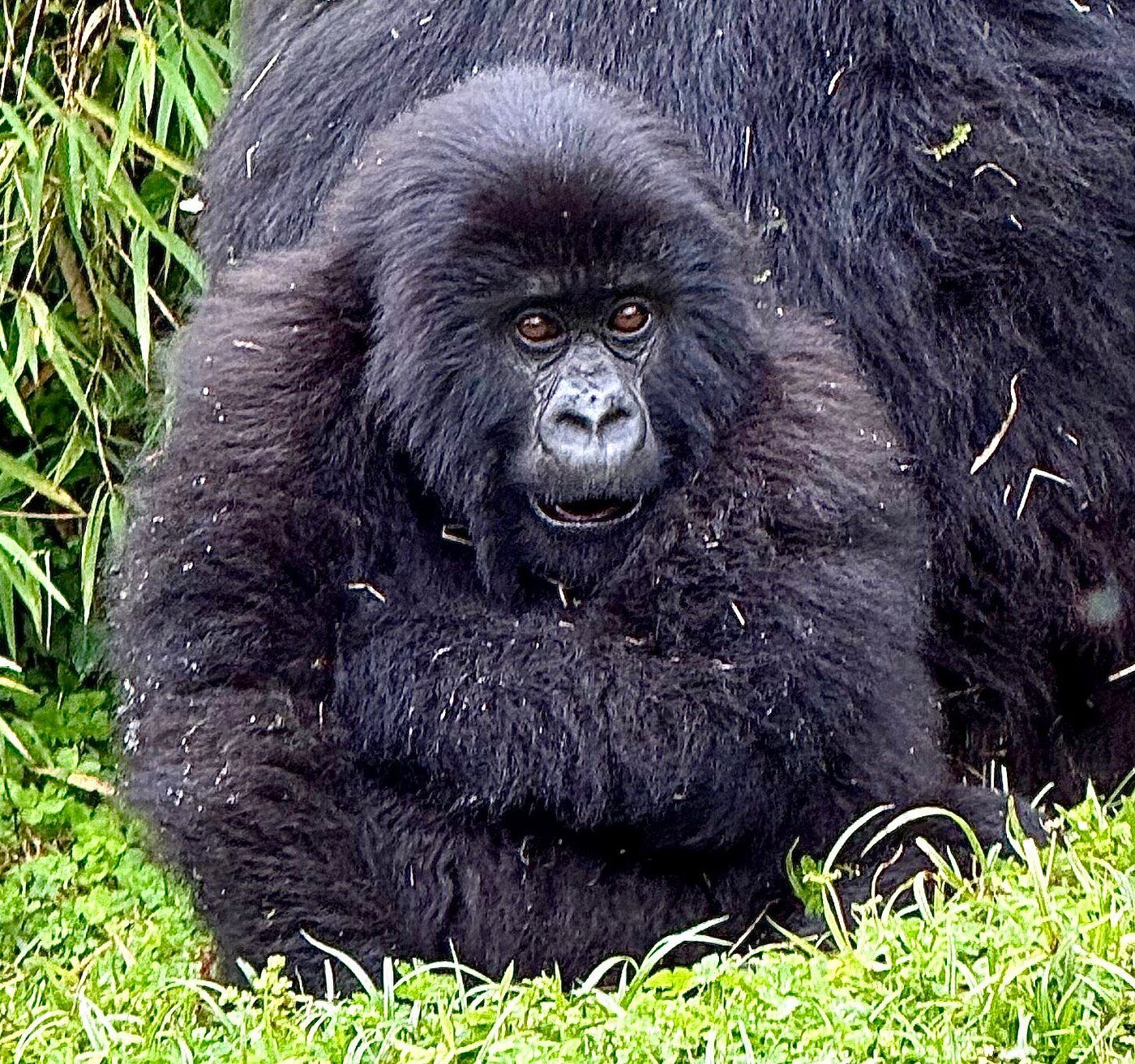
The day usually starts early. Guests eat breakfast at the lodge and then travel to the designated park headquarters. They must carry their passport or another document required for permit verification.
At the headquarters, rangers conduct a briefing. They explain forest behavior, trekking procedures, conservation rules, and what to do near the gorillas. Visitors are then divided into groups and assigned a ranger team.
Where practical, officials may consider age, mobility, and fitness when allocating groups. However, no route can be guaranteed to remain easy because wild gorillas move continuously.
The trek begins through forest paths, farmland edges, or thick vegetation, depending on the sector and the gorillas’ location. Rangers may clear a safe route when necessary. Porters can carry daypacks and provide support on difficult sections. Hiring a porter also contributes directly to local livelihoods.
After finding the gorillas, guests follow ranger instructions and spend the permitted viewing period with the family. The group then walks back and receives a trekking certificate.
The entire activity may occupy much of the day. For that reason, travelers should not schedule a domestic flight immediately after the trek. An extra lodge night is the safer and more relaxing arrangement.
Uganda Gorilla Permit Prices
Every traveler must have a valid permit for the assigned date and sector. Permits are issued under Uganda Wildlife Authority procedures and are limited.
The official tariff covering July 2024 through June 2026 listed the standard foreign non-resident gorilla permit at USD 800 per person. The Uganda Wildlife Authority rates page now references tariff changes for 2026–2027. Current industry and UWA-linked updates indicate that the standard foreign non-resident price remains USD 800, with promotional low-season rates reported for selected months. Because rates and conditions can change, guests should request written confirmation before paying. Check the UWA tariff page.
A standard permit generally includes:
- Entry into the park for the gorilla trek
- Ranger-guide services
- Gorilla tracking
- The allowed viewing period after finding the family
- A contribution toward conservation and community programs
It generally does not include:
- Accommodation
- Domestic flights
- Ground transportation
- Porter services
- Tips
- Personal travel insurance
- Visa charges
- Extra lodge services
- Activities outside the gorilla trek
The minimum age for gorilla trekking is normally 15 years. Families traveling with younger children should arrange supervised lodge activities or an alternative program.
How Early Should You Book a Permit?
Book as early as possible, especially for June through September and December through February. These periods are popular because many travelers expect drier trekking conditions.
Permits may also become scarce around Christmas, New Year, Easter, and major international holiday periods. Lodge rooms and domestic flight seats can sell out at the same time.
A reasonable planning window is six to twelve months before travel. However, last-minute trips are sometimes possible if permits, rooms, and flights remain available.
The operator usually needs:
- Full names as shown on passports
- Nationality
- Passport number
- Date of birth
- Preferred trekking date
- Preferred accommodation level
- Proof of residence where a resident rate is requested
Permit conditions can be strict. Therefore, travelers should read the cancellation and rescheduling terms before booking.
How Much Do Fly-In Gorilla Safaris in Uganda Cost?
There is no single price because the total depends on the permit, flight, accommodation, group size, season, airstrip transfers, and number of nights.
A fly-in safari usually costs more than a road package because domestic flight seats are added to the itinerary. Luxury lodges can increase the price substantially. Solo travelers also pay more because they do not share the private vehicle and guide costs.
The main expenses are:
- Gorilla trekking permit
- Return domestic flights
- Airport and airstrip transfers
- Four-wheel-drive safari vehicle
- Professional driver-guide
- Accommodation and meals
- Drinking water during road transfers
- Park or activity fees not covered by the permit
- Administrative and booking services
- Optional porter, gratuities, drinks, and personal purchases
Estimated Safari Price Levels
These ranges are broad planning estimates rather than fixed quotations.
| Safari style | Typical accommodation | Estimated three-day cost per person |
|---|---|---|
| Budget or simple | Basic lodge or guesthouse | USD 1,700–2,400 |
| Midrange | Comfortable en-suite forest lodge | USD 2,200–3,200 |
| Luxury | Premium lodge with refined services | USD 3,500–6,500+ |
| Exclusive charter | Luxury lodge and private aircraft | Quoted individually |
Prices may be lower or higher depending on the season and number of guests. A private charter can be especially expensive for one or two passengers. However, it may become more practical for a larger private group.
Always request a detailed inclusion list. A low advertised price may exclude flights, permits, airstrip transfers, or meals.
Scheduled Flights Versus Private Charter Flights
Most travelers use scheduled domestic flights. These services operate at published times and may stop at another airstrip to collect or drop off passengers.
Scheduled flights are usually the most cost-effective air option. Nevertheless, passengers must follow fixed departure times, baggage limits, and check-in procedures.
Private charter flights provide more flexibility. The aircraft is booked for a particular group, subject to aviation approval, daylight, weather, and aircraft availability. Charters are useful for families, film crews, executive travelers, large groups, and high-end safaris requiring specific timing.
A charter may offer:
- More flexible departure planning
- Exclusive use of the aircraft
- Easier coordination for a private group
- Direct routing where operationally possible
- Better control over a complex safari schedule
Still, private flights remain subject to safety and weather decisions. Paying for a charter does not remove operational restrictions.
Domestic Flight Baggage Rules
Small safari aircraft have limited storage space and strict weight requirements. Travelers should use soft-sided duffel bags rather than hard-shell suitcases.
Typical restrictions may cover:
- Maximum total baggage weight
- Size and shape of the bag
- Hand-luggage allowance
- Carriage of camera equipment
- Dangerous or restricted items
- Excess-baggage charges
- Passenger weight information for aircraft planning
Exact rules vary by airline and ticket. Therefore, check the current policy before packing. If the Uganda safari is part of a longer international trip, excess luggage may be stored securely in Entebbe and collected after the fly-in tour.
Photographers should declare heavy equipment early. It may be necessary to purchase an extra freight allowance or an additional seat, depending on the aircraft and airline policy.
Best Time for Fly-In Gorilla Safaris in Uganda
Gorilla trekking operates throughout the year. Mountain gorillas live in the forest permanently, so the experience is not based on a seasonal migration.
The drier periods generally run from June to September and from December to February. During these months, forest trails may be less muddy. However, rain can fall at any time in a tropical mountain environment.
The wetter periods often occur from March to May and around October or November. These months may bring heavier rain, greener scenery, fewer visitors, and possible seasonal offers.
June to September
This is one of the busiest travel periods. Conditions often feel drier, although rain remains possible. Permits, flights, and popular lodges should be reserved early.
December to February
These months are also popular. They work well for travelers escaping the Northern Hemisphere winter or combining Uganda with another East African destination.
March to May
Rainfall can be heavier, and paths may be muddy. Nevertheless, the forest is green, visitor numbers may be lower, and selected services may offer better value.
October and November
Conditions can be wet and changeable. Still, photographers may enjoy dramatic clouds, rich vegetation, and softer forest light. Current 2026–2027 tariff announcements should be checked for any qualifying low-season permit arrangements.
No month guarantees easy trekking. The gorillas’ location, trail gradient, rainfall, and individual fitness matter more than the calendar alone.
Sample Three-Day Fly-In Gorilla Safari in Uganda
Day 1: Entebbe to Kihihi or Kisoro
After breakfast, transfer to the domestic terminal at Entebbe International Airport. Check in for the flight to Kihihi or Kisoro.
On arrival, meet your professional driver-guide and continue to the lodge in a private four-wheel-drive vehicle. Enjoy views of southwestern Uganda’s farms, hills, villages, and forest landscapes.
Check in, have lunch where timing allows, and spend the afternoon resting. Depending on arrival time, an optional community walk or nature activity may be arranged.
Dinner and overnight near Bwindi or Mgahinga.
Day 2: Gorilla Trekking
After an early breakfast, transfer to the park headquarters with your passport, permit details, packed lunch, drinking water, rain jacket, and trekking equipment.
Attend the ranger briefing before entering the forest. The search may last from a few hours to most of the day. Once the gorillas are located, follow the ranger’s instructions during the viewing period.
Afterward, return to the trailhead and transfer to the lodge. Relax, enjoy dinner, and reflect on the experience.
Day 3: Return Flight to Entebbe
Have breakfast and check out. Transfer to Kihihi or Kisoro Airstrip for the scheduled flight to Entebbe.
Depending on the domestic schedule, connect with your international flight or stay overnight in Entebbe. An overnight stay is strongly recommended when the international connection is tight.
Four-Day Luxury Fly-In Gorilla Safari
A four-day itinerary offers more breathing room and suits travelers who dislike rushing.
Day 1: Arrival in Entebbe
Meet your representative at Entebbe International Airport and transfer to a comfortable hotel. Rest after the international flight.
Day 2: Fly to Bwindi
Transfer to the domestic terminal and fly to Kihihi or Kisoro. Meet the safari guide and continue to a luxury forest lodge. Enjoy lunch and a relaxing afternoon.
Day 3: Gorilla Trekking
Complete the gorilla trek with ranger guides. Return to the lodge for a late lunch or afternoon refreshments. Consider a massage or a quiet evening overlooking the forest, depending on lodge facilities.
Day 4: Fly Back to Entebbe
Transfer to the airstrip and fly to Entebbe. Continue with your international journey or another East African safari.
Five-Day Gorilla and Golden Monkey Fly-In Safari
This program works particularly well through Kisoro.
Day 1: Arrive in Entebbe
Meet and transfer to an Entebbe hotel.
Day 2: Fly to Kisoro
Take a morning flight to Kisoro. Meet the driver-guide and transfer to a lodge near Mgahinga or southern Bwindi.
Day 3: Gorilla Trekking
Complete the gorilla trek in the sector stated on the permit.
Day 4: Golden Monkey Tracking
Visit Mgahinga Gorilla National Park for golden monkey tracking. These active primates live in the bamboo forest and offer a different experience from gorilla trekking.
Day 5: Fly to Entebbe
Return to Kisoro Airstrip and fly back to Entebbe.
Fly-In Gorilla and Queen Elizabeth National Park Safari
Kihihi makes it possible to combine gorilla trekking with a classic wildlife safari.
A sample six-day plan may include:
- Day one: Arrive in Entebbe
- Day two: Fly to Kihihi and transfer to Queen Elizabeth National Park
- Day three: Morning game drive and Kazinga Channel boat safari
- Day four: Travel through Ishasha to Bwindi
- Day five: Gorilla trekking
- Day six: Fly from Kihihi to Entebbe
Queen Elizabeth National Park is known for elephants, buffaloes, hippos, antelopes, lions, birds, and varied landscapes. Wildlife sightings are never guaranteed, but the park adds a classic savannah dimension to the forest experience.
The Ishasha region is famous for lions that are sometimes seen resting in trees. However, sightings depend on natural animal movement.
Gorilla and Chimpanzee Fly-In Safari
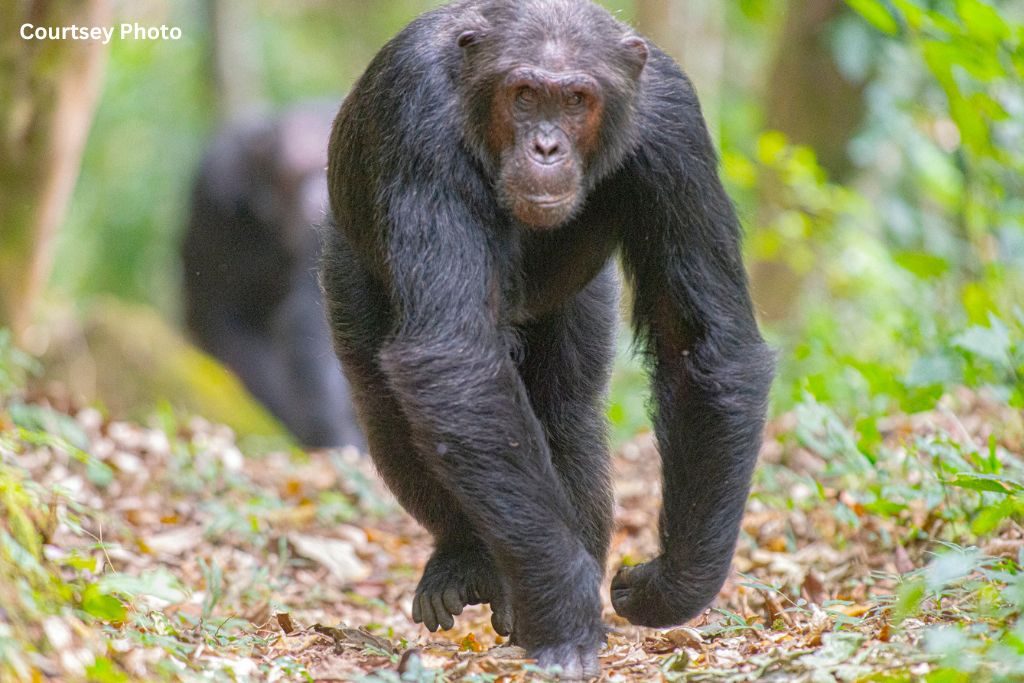
Uganda is an excellent destination for travelers interested in primates. In addition to mountain gorillas, visitors can trek chimpanzees in Kibale National Park.
A longer fly-in itinerary can connect Bwindi, Queen Elizabeth National Park, and Kibale. Some routes use airstrips near Kasese, while others combine flights with private road transfers.
A possible eight-day itinerary includes:
- Arrival in Entebbe
- Fly toward the Kibale or Kasese region
- Chimpanzee trekking in Kibale
- Transfer to Queen Elizabeth National Park
- Game drive and boat safari
- Continue to Bwindi
- Gorilla trekking
- Fly from Kihihi or Kisoro to Entebbe
This trip provides a fuller understanding of Uganda’s ecosystems. Travelers experience rainforest, crater landscapes, savannah, wetlands, and mountain forest in one journey.
Fly-In Gorilla Safari from Kigali
Not every short Uganda gorilla safari requires a domestic flight. Kigali, Rwanda, lies closer by road to southern Bwindi and Mgahinga than Entebbe does. Consequently, some travelers fly internationally into Kigali and travel across the border by road.
A Kigali–Uganda gorilla itinerary can be completed in two or three days. It may be more efficient than flying domestically from Entebbe, depending on the international flight schedule.
However, this is technically a cross-border road safari rather than a domestic fly-in safari. Travelers must meet the entry requirements for both Rwanda and Uganda. Border timing, visas, vehicle documents, and travel regulations should be checked before departure.
Universal Ventures Rwanda can arrange private transfers from Kigali to Bwindi or Mgahinga, as well as fly-in arrangements beginning in Entebbe.
Accommodation for Fly-In Gorilla Safaris in Uganda
Accommodation ranges from simple guesthouses to exclusive forest lodges. The best property is not always the most expensive one. Location matters because the lodge should correspond with the trekking sector.
Budget Accommodation
Budget properties provide essential services such as a private or shared room, hot water where available, meals, and basic hospitality. They suit travelers who prioritize the gorilla experience over luxury facilities.
Before booking, check:
- Distance from the briefing point
- Bathroom arrangement
- Electricity and charging hours
- Hot-water availability
- Meal plan
- Wi-Fi access
- Road accessibility
- Early breakfast and packed lunch arrangements
Midrange Lodges
Midrange lodges normally offer en-suite rooms, dependable meals, comfortable beds, attractive views, and attentive service. This category often provides the best balance between comfort and price.
Many travelers choose midrange accommodation because the lodge experience remains pleasant without dominating the safari budget.
Luxury Lodges
Luxury lodges may include spacious cottages, refined dining, fireplaces, private terraces, butler-style attention, spa services, laundry, and exceptional forest locations.
Rates vary widely. Some premium lodges include selected drinks, transfers, or activities, while others charge separately. Therefore, inclusions must be compared carefully.
Choosing the Right Lodge Location
The lodge should be selected after confirming the trekking sector. A beautiful lodge in the wrong part of Bwindi can cause an extremely early departure and a long drive on the trekking morning.
Ask these questions:
- Is the lodge in the same sector as the permit?
- How long is the transfer to the briefing point?
- Which airstrip best serves the lodge?
- Is a four-wheel-drive vehicle required?
- Can the lodge prepare an early breakfast and packed lunch?
- Is there secure storage for valuables?
- What is included in the room rate?
What to Pack for a Uganda Gorilla Fly-In Safari
Pack lightly because domestic aircraft have limited baggage capacity. However, do not leave out essential trekking clothing.
Recommended items include:
- Lightweight waterproof jacket
- Long trekking trousers
- Long-sleeved shirt
- Waterproof or water-resistant hiking boots
- Long socks or gaiters
- Gardening or trekking gloves
- Small daypack
- Reusable water bottle
- Sunscreen
- Insect repellent
- Hat
- Sunglasses
- Warm layer for cool mornings
- Camera with spare battery
- Waterproof protection for electronics
- Personal medication
- Passport and required travel documents
- Small amount of cash for porters and tips
Neutral-colored clothing is practical. Bright colors are not automatically prohibited, but muted shades are less distracting and tend to work well for wildlife travel.
Avoid packing unnecessary formal clothing unless the safari connects with a business event or luxury property requiring it. Laundry may be available at the lodge, although same-day service should not be assumed.
Fitness and Preparation
Gorilla trekking does not require elite athletic ability. Still, it can be physically demanding. Trails may be steep, slippery, uneven, and muddy.
Prepare with regular walking before the trip. Include hills or stairs where possible. Comfortable, broken-in hiking boots are more important than expensive new equipment.
During the trek:
- Walk at a sustainable pace
- Drink water regularly
- Tell the ranger if you need a short break
- Use a walking stick when offered
- Hire a porter
- Keep rain protection accessible
- Follow the guide rather than rushing ahead
Travelers with medical conditions should speak with a qualified healthcare professional before traveling. They should also disclose relevant mobility concerns to the operator so the logistics can be planned responsibly.
Gorilla Trekking Rules and Responsible Conduct
Mountain gorillas are endangered wild animals. The rules protect visitors, gorillas, and the forest.
Travelers should follow all ranger instructions. Common requirements include keeping the instructed distance, avoiding flash photography, speaking quietly, remaining with the group, and not eating near the gorillas.
Visitors who are unwell should report their symptoms before the trek. Human respiratory infections can threaten gorillas because of their close biological relationship with people.
Other responsible practices include:
- Do not leave rubbish in the forest
- Do not touch gorillas
- Do not imitate threatening behavior
- Do not block an animal’s path
- Keep camera sounds low
- Avoid sudden movements
- Respect the allowed viewing time
- Support local porters and community enterprises
- Choose responsible accommodation and tour operators
The ranger has the final authority during the encounter. Even when a gorilla moves closer than expected, visitors should remain calm and follow instructions.
Photography Tips
Forest photography can be challenging. Light is low, vegetation is dense, and gorillas may move between bright and shaded areas.
A camera with good low-light performance is helpful. However, modern smartphones can also produce excellent images at close viewing distances.
Useful tips include:
- Disable flash before entering the forest
- Carry spare batteries
- Protect equipment from rain
- Use a fast enough shutter speed for moving subjects
- Raise ISO when the forest is dark
- Avoid spending the entire hour looking through the camera
- Capture wide forest scenes as well as portraits
- Listen to the ranger’s positioning advice
- Keep gear simple enough to carry comfortably
A telephoto lens can be useful, but extremely long lenses may be unnecessary at permitted viewing distances. A midrange zoom often provides greater flexibility.
Professional filmmakers and commercial photographers may need extra authorization. They should discuss permits, equipment, baggage, and crew logistics well in advance.
Are Fly-In Gorilla Safaris Suitable for Solo Travelers?
Yes. Fly-in gorilla safaris in Uganda work well for solo travelers because the itinerary is direct and organized. The traveler is met at the airstrip and accompanied by a local driver-guide during the road transfers.
The gorilla trek itself is conducted in a ranger-led group. Therefore, a solo visitor usually meets other travelers during the briefing and forest walk.
However, solo tours can cost more because private transport is not shared. Joining a scheduled departure or sharing transfers may reduce costs when matching arrangements are available.
Solo travelers should confirm:
- Who will meet them at each airport
- Whether the road transfer is private or shared
- Emergency contact details
- Lodge check-in arrangements
- Permit documentation
- Flight baggage limits
- The complete cost of single accommodation
Are These Safaris Suitable for Families?
They can be excellent for families with children who meet the minimum trekking age. Gorilla trekking can be educational and memorable, particularly for teenagers interested in wildlife and conservation.
Younger children cannot join the gorilla trek. Families must arrange a suitable supervised activity at the lodge or travel with another responsible adult who remains with them.
Parents should also consider each teenager’s interest, walking ability, patience, and comfort in wet forest conditions. Meeting the minimum age does not automatically make a difficult trek suitable for every young traveler.
A private family itinerary allows more flexibility with lodge selection, meals, transfers, and rest time.
Are Fly-In Safaris Suitable for Older Travelers?
Many older travelers successfully complete gorilla treks. Flying can make the journey easier because it avoids the longest road transfer.
Nevertheless, age alone does not determine trekking ability. Mobility, balance, stamina, medical history, and trail conditions are more important.
Helpful arrangements may include:
- A lodge near the briefing point
- An extra night before the trek
- Porter assistance
- A sedan-style seat position in the safari vehicle where possible
- A walking stick
- Clear communication about mobility
- Flexible scheduling after the trek
Ranger teams may try to consider mobility when allocating trekking groups, but an easy route cannot be guaranteed.
Travel Insurance and Health Planning
Comprehensive travel insurance is strongly recommended. The policy should cover the destination, domestic flights, medical care, trip interruption, delayed luggage, evacuation where applicable, and the safari activities included in the itinerary.
Gorilla permits and domestic flights may carry strict cancellation terms. Therefore, travelers should buy suitable insurance soon after confirming the trip.
Visitors should obtain current health advice from a qualified travel clinic. Entry requirements and public-health rules may change. Yellow fever documentation, routine vaccines, malaria prevention, and personal medication should be discussed with a medical professional.
Bring enough prescribed medicine for the entire trip and carry it in hand luggage where permitted. A copy of the prescription may also be helpful.
Uganda Visa and Entry Requirements
Visa rules depend on nationality and can change. Travelers should use official government information and apply through the correct channel.
Visitors combining Uganda, Rwanda, and Kenya may ask whether an East Africa Tourist Visa is suitable. Its usefulness depends on the itinerary, nationality, entry point, and current rules.
A passport should normally remain valid for the required period and contain enough blank pages. Travelers should also check requirements for minors, vaccination certificates, onward tickets, and proof of accommodation.
Avoid relying only on old travel blogs or social-media posts. Confirm current requirements before departure.
Combining Uganda With Rwanda, Kenya, Tanzania, or Zanzibar
A fly-in gorilla safari is easy to include in a broader East African holiday.
Uganda and Rwanda
Travelers may trek in Uganda and explore Kigali, Volcanoes National Park, Akagera National Park, Nyungwe Forest, or Lake Kivu. Cross-border logistics must be coordinated carefully.
Uganda and Kenya
Visitors can combine gorilla trekking with the Maasai Mara, Amboseli, Samburu, or Kenya’s coast. International connections are normally routed through Entebbe and Nairobi.
Uganda and Tanzania
A Uganda gorilla safari can precede or follow Serengeti, Ngorongoro, Tarangire, or Nyerere. Enough connection time should be included between domestic and regional flights.
Uganda and Zanzibar
Gorilla trekking followed by a beach stay creates a strong forest-and-ocean combination. Travelers should plan at least one buffer night if separate tickets and multiple airlines are involved.
Common Planning Mistakes
Booking the Lodge Before the Permit
The permit determines the trekking sector. Therefore, book the lodge only after confirming where the trek will begin.
Choosing the Wrong Airstrip
Kihihi and Kisoro serve different parts of the region. Selecting the wrong one can add hours of road travel.
Booking a Tight International Connection
Domestic flights can be affected by weather or operational changes. Avoid a short connection to an expensive international flight.
Packing a Hard Suitcase
Small aircraft have limited baggage compartments. A soft bag is usually easier to accommodate.
Underestimating the Trek
Even a short trek may involve steep and muddy ground. Pack proper footwear and consider hiring a porter.
Planning to Fly Immediately After Trekking
The return time from the forest is uncertain. Stay overnight after the trek and fly the next day.
Ignoring Cancellation Conditions
Permits, flights, and lodges may have separate rules. Read all terms before paying.
Selecting a Package Only by Price
A cheaper package may exclude the gorilla permit, flight, meals, transfers, or taxes. Compare complete inclusions.
How to Choose a Reliable Tour Operator
A fly-in gorilla safari involves several connected bookings. The operator must coordinate the permit, domestic ticket, guide, airstrip transfer, lodge, meals, and contingency arrangements.
Choose a company that:
- Provides a written itinerary
- Clearly identifies the trekking sector
- Explains which airstrip will be used
- Lists every inclusion and exclusion
- Verifies permit availability before requesting payment
- Uses professional four-wheel-drive vehicles
- Provides emergency contacts
- Understands Uganda and Rwanda cross-border travel
- Issues receipts and booking confirmations
- Explains cancellation terms
- Responds clearly and promptly
Be cautious if a company promises guaranteed easy trekking, guaranteed gorilla behavior, or unrealistically low prices without a detailed breakdown.
Why Book With Universal Ventures Rwanda?
Universal Ventures Rwanda organizes tailored gorilla trekking safaris in Uganda and Rwanda. The company can coordinate short fly-in trips, private road safaris, luxury holidays, cross-border journeys, and longer East African combinations.
Services may include:
- Gorilla permit assistance
- Scheduled domestic flight reservations
- Private charter coordination
- Entebbe airport transfers
- Kihihi and Kisoro airstrip transfers
- Private four-wheel-drive safari vehicles
- Professional driver-guides
- Budget, midrange, luxury, and super-luxury lodges
- Uganda and Rwanda cross-border arrangements
- Gorilla and chimpanzee safari combinations
- Queen Elizabeth National Park extensions
- Personalized itinerary planning
- 24-hour local support during the trip
Every itinerary is designed around the traveler’s dates, budget, group size, trekking sector, comfort level, and onward flight arrangements.
Frequently Asked Questions About Fly-In Gorilla Safaris in Uganda
How long is the flight from Entebbe to Bwindi?
Flights to Kihihi or Kisoro usually take a little over an hour when operating directly. However, some services include additional stops, which make the total journey longer. Schedules must be confirmed for the specific date.
Can I fly directly into Bwindi?
No. Travelers land at Kihihi or Kisoro and then continue to Bwindi by road.
Which airport is closest to Bwindi?
Kihihi is normally most convenient for Buhoma, while Kisoro is generally preferred for Rushaga and Nkuringo. Ruhija access depends on the full itinerary.
How many days do I need?
Three days is the practical minimum for a comfortable Entebbe-based fly-in safari. Four days provides more rest and safer connection planning.
Is a two-day fly-in safari possible?
It may be technically possible under certain schedules, but it is risky and rushed. Domestic flights, road transfers, check-in times, and the unpredictable length of the trek leave little flexibility.
How much is a Uganda gorilla permit?
The standard foreign non-resident permit has been listed at USD 800 per person. Selected low-season arrangements may apply under current tariffs. Confirm the exact rate and conditions before booking.
Does the permit include accommodation?
No. Accommodation, domestic flights, vehicle transfers, and personal expenses are separate.
How difficult is gorilla trekking?
Difficulty varies. A trek may last a few hours or most of the day. Terrain can be steep, muddy, and uneven.
Can I request an easy gorilla trek?
You can explain your mobility or fitness concerns during planning and at the briefing. Officials may consider them, but no easy trek can be guaranteed because the gorillas move freely.
Can children go gorilla trekking?
The standard minimum age is 15 years.
Is seeing the gorillas guaranteed?
Mountain gorilla tracking has a high success rate. However, these are wild animals, so ethical operators should avoid making an absolute guarantee.
Can I trek twice?
Yes, subject to permit availability. You need a separate permit for each trek.
Can I do gorilla habituation?
Uganda offers a gorilla habituation experience in a designated part of southern Bwindi, subject to current availability and regulations. It requires a different permit from standard trekking.
Should I use Kihihi or Kisoro?
Choose the airstrip based on the trekking sector and lodge. Kihihi usually serves Buhoma, while Kisoro generally serves Rushaga, Nkuringo, and Mgahinga.
What happens if bad weather affects the flight?
The airline makes operational decisions based on safety. Your tour operator will help coordinate alternative arrangements, but the available solution depends on timing, road conditions, aircraft availability, and ticket terms.
Are fly-in safaris worth the extra cost?
They are often worthwhile for travelers with limited time, those who want greater comfort, and guests combining Uganda with another destination. Road safaris may offer better value for groups or travelers who enjoy overland scenery.
Final Thoughts on Fly-In Gorilla Safaris in Uganda
Fly-in gorilla safaris in Uganda combine remarkable wildlife encounters with efficient travel. A short flight from Entebbe to Kihihi or Kisoro removes much of the long road journey and creates more time for the forest, the lodge, and nearby activities.
However, successful planning requires more than buying a flight. The gorilla permit must match the correct trekking sector. The lodge should be located near that sector. The chosen airstrip must work with both, and international connections need enough protection against delays.
Bwindi offers four main trekking sectors, diverse accommodation, and several gorilla experiences. Meanwhile, Mgahinga provides a peaceful setting beneath the Virunga volcanoes and the option to add golden monkey tracking.
Whether you want a short three-day escape, a luxury honeymoon safari, a private family journey, or a longer Uganda–Rwanda adventure, Universal Ventures Rwanda can customize the program around your needs.
Plan Your Uganda Fly-In Gorilla Safari
Contact Universal Ventures Rwanda for permit availability, flight options, accommodation recommendations, and a personalized quotation.
Universal Ventures Rwanda
Telephone/WhatsApp: +250 781 441 853
Email: info@universalventuresrwanda.com
Location: Kigali, Rwanda
Website: Universal Ventures Rwanda