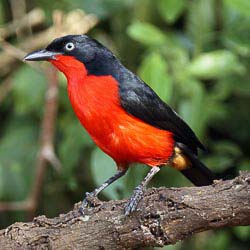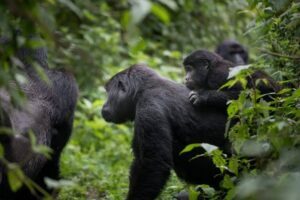
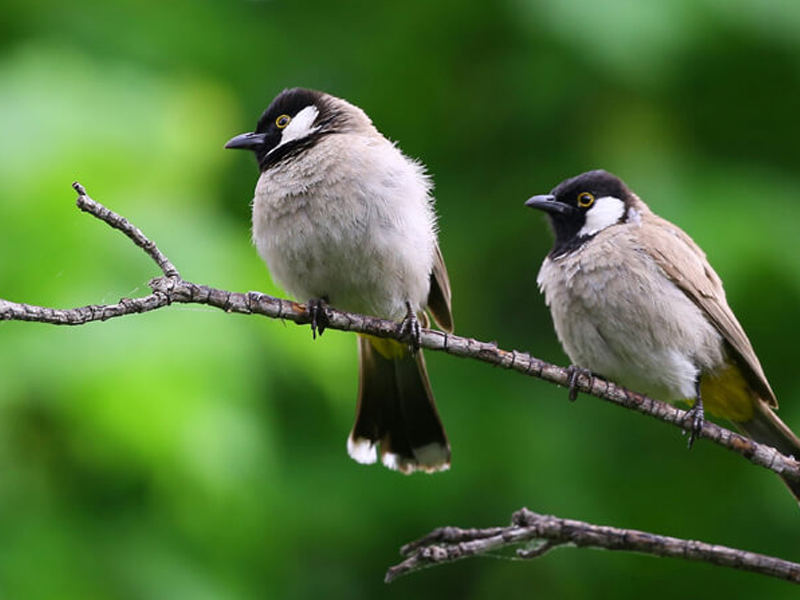
The leading Rwanda Birding Safari Destinations include Nyungwe National Park, Akagera National Park, Volcanoes National Park and Gishwati-Mukura National Park. Beyond these protected areas, excellent birdwatching opportunities exist around Kigali, Lake Kivu, Bugesera, Rugezi Marsh, Nyabarongo Wetland and Akanyaru.
Rwanda may be famous for mountain gorillas, yet its birdlife deserves equal attention. Within a relatively small country, travelers can explore montane rainforest, papyrus wetlands, volcanic slopes, freshwater lakes, savannah, woodland and urban habitats. As a result, birdwatchers can record an impressive range of species without spending weeks traveling between distant regions.
Nyungwe provides the strongest opportunity to search for Albertine Rift endemics in Rwanda. Meanwhile, Akagera combines savannah birds, waterbirds and raptors with a traditional Big Five safari. Volcanoes National Park adds high-altitude forest species, whereas Gishwati-Mukura rewards travelers interested in less-visited montane habitats.
Rwanda’s compact size gives it a major advantage over larger birding destinations. A traveler can begin with wetland birding near Kigali, continue east to Akagera and then travel west toward Nyungwe. Afterward, the route can follow Lake Kivu north toward Gishwati-Mukura and Volcanoes National Park.
Although road distances appear short, serious birding still requires patience. Birds become active at different times, weather conditions change quickly and rare species may require several attempts. Therefore, the best itineraries allow multiple mornings in the most important habitats.
This complete guide examines Rwanda’s major birdwatching locations, notable species, recommended travel seasons, accommodation areas, birding equipment and sample itineraries. It also explains how to combine birdwatching with gorilla trekking, chimpanzee tracking, game drives and cultural activities.
Why Rwanda Is an Outstanding African Birding Destination
Rwanda lies within a biologically important part of East and Central Africa. Its western mountains form part of the Albertine Rift, while the eastern lowlands connect with savannah and wetland systems. Consequently, the country supports birds associated with several different ecological regions.
In the west, montane forests provide habitat for localized and range-restricted species. Nyungwe National Park stands out as the most important location for these forest specialists. Volcanoes and Gishwati-Mukura protect additional highland habitats.
Eastern Rwanda looks completely different. Akagera National Park combines open plains, wooded savannah, lakes, papyrus swamps and river systems. Therefore, its bird list includes raptors, kingfishers, herons, storks, weavers, waterfowl and grassland species.
Kigali and the surrounding wetlands add accessible birding at the beginning or end of a safari. Even hotel gardens can attract sunbirds, bulbuls, weavers, flycatchers and other common species.
Another advantage involves Rwanda’s tourism infrastructure. Good roads connect the principal destinations, while professional guides can arrange birding walks, game drives and boat excursions. Moreover, visitors can combine specialized birdwatching with Rwanda’s best-known wildlife experiences.
Visit Rwanda identifies Nyungwe and Akagera as the country’s prime birdwatching destinations. Nevertheless, it also emphasizes that rewarding sightings occur throughout Rwanda. Visit Rwanda birdwatching guide
Competitor Analysis for Rwanda Birding Safari Destinations
An analysis of current top-ranking pages shows that most competitors concentrate on Nyungwe, Akagera and Volcanoes National Park. Several also mention Gishwati-Mukura, Lake Kivu, Kigali and major wetlands.
The strongest competitor articles highlight Albertine Rift endemics, the shoebill, papyrus specialists and the possibility of combining birding with gorilla trekking. In addition, many pages discuss binoculars, experienced guides and the best travel season.
However, several weaknesses appear across the competing content. First, bird totals differ from one article to another because sources may use different survey dates or geographical boundaries. Second, many pages provide lists of species without explaining where, when or how to search for them.
Some articles also repeat old information about seasonal patterns without acknowledging that birds remain visible throughout the year. Likewise, descriptions of trails, access and park activities can become outdated.
This article provides a stronger structure by connecting each destination with its habitat, target species, ideal length of stay and complementary activities. Furthermore, it explains how international birdwatchers can build a realistic route rather than simply collecting a list of place names.
Understanding Rwanda’s Birding Habitats
Bird distribution depends on habitat. Therefore, learning about Rwanda’s ecosystems helps travelers choose the right destinations.
Montane rainforest
Nyungwe, Gishwati-Mukura and sections of Volcanoes National Park protect montane forest. These environments contain tall trees, dense undergrowth, bamboo, clearings and high-altitude wetlands.
Forest birding requires patience because thick vegetation limits visibility. However, vocalizations often reveal species before they appear.
A specialized guide listens for calls, watches mixed feeding flocks and studies fruiting trees. As a result, expert knowledge can dramatically increase the number of species recorded.
Savannah and woodland
Akagera’s grasslands and wooded areas support birds that do not occur in Rwanda’s highland forests. Raptors, barbets, starlings, hornbills, bee-eaters and ground-dwelling species feature prominently.
Visibility is generally better than in rainforest. Nevertheless, heat haze and long distances can make identification challenging.
Morning and late-afternoon game drives provide favorable light and high bird activity. Furthermore, mammal sightings add another dimension to the experience.
Wetlands and papyrus
Papyrus marshes support some of Rwanda’s most sought-after birds. Bugesera, Nyabarongo, Akanyaru, Rugezi and Akagera all contain important wetland habitats.
Birding may take place from roads, boardwalks, boats or wetland edges. Because access varies, travelers should use a guide who knows the current conditions and permissions.
Papyrus specialists often remain hidden within thick vegetation. Therefore, success depends on listening carefully and spending enough time in suitable habitat.
Lakes and rivers
Lake Ihema, Lake Kivu, the Nyabarongo River and numerous smaller lakes attract kingfishers, cormorants, darters, jacanas, herons, egrets and migratory waterbirds.
Boat trips provide an excellent viewing angle. However, travelers should use authorized operators who respect nesting and feeding areas.
Agricultural land and urban gardens
Farms, tea estates, hotel gardens and city parks can hold an impressive number of birds. Open-country species often adapt well to these modified habitats.
Kigali birding demonstrates how productive an urban area can become. Likewise, tea plantations near Nyungwe create valuable forest-edge habitat.
Nyungwe National Park: Rwanda’s Premier Forest Birding Destination
Nyungwe National Park ranks among the most important Rwanda Birding Safari Destinations. Its montane rainforest, ridges, wetlands and forest edges support many birds associated with the Albertine Rift.
The forest stretches across mountainous terrain in southwestern Rwanda. Elevation changes create varied vegetation, which in turn produces different bird communities.
Birdwatching in Nyungwe often begins early. At sunrise, mixed feeding flocks may move through the canopy, while undergrowth species call from dense vegetation.
Unlike savannah birding, forest observation requires concentration. A bird may remain visible for only a few seconds before disappearing behind leaves. Nevertheless, those brief encounters can become the most rewarding moments of a Rwanda birding tour.
Nyungwe is also known for primates. Chimpanzees, L’Hoest’s monkeys, black-and-white colobus monkeys and other species add excitement to forest walks.
Travelers should dedicate at least two or three full days to birding in the Nyungwe area. Serious birdwatchers may prefer four or five nights, especially if they want to explore several trails and combine birding with chimpanzee tracking.
Albertine Rift birds in Nyungwe
The Albertine Rift contains many birds with restricted geographical ranges. Consequently, Nyungwe attracts international birdwatchers who want to search for species that are difficult to see elsewhere.
Possible targets include the red-collared mountain babbler, Rwenzori turaco, Rwenzori batis, blue-headed sunbird, regal sunbird, purple-breasted sunbird, stripe-breasted tit, strange weaver and Grauer’s swamp warbler.
Bird names and taxonomic classifications can change. Therefore, travelers should use an updated field guide or checklist.
Rare forest birds cannot be guaranteed. Weather, vocal activity, fruiting patterns and luck all affect sightings.
Best birding trails in Nyungwe
Nyungwe offers a network of forest trails, although access and trail conditions may change. A local guide can choose the most suitable route according to target species and fitness.
The Uwinka area provides access to several trails and forest habitats. Birders may observe canopy species, undergrowth birds and mixed feeding flocks.
Kamiranzovu introduces wetland and forest-edge habitat. Consequently, it may add species that differ from those found along drier ridges.
Bigugu reaches higher elevations and can provide specialized birding. However, the hike requires good fitness and suitable weather.
The canopy walkway offers a different perspective on the forest. Although it does not guarantee rare birds, it creates opportunities to observe canopy movement and enjoy broad views.
Birding around Gisakura and the tea estates
Gisakura lies near the western side of Nyungwe and provides convenient access to birding locations. Tea plantations, gardens and forest edges attract open-country and edge species.
Birding around tea estates can remain productive after forest activity decreases. Furthermore, the open landscape improves photography.
Travelers should avoid entering private agricultural land without permission. A professional guide can identify suitable roads and community-access areas.
Combining Nyungwe birding with chimpanzee tracking
Chimpanzee tracking can complement a birding safari. During the forest walk, participants may encounter turacos, forest robins, sunbirds and other species.
However, chimpanzee tracking focuses primarily on finding primates. Dedicated birders should therefore schedule separate birding walks.
The combination works particularly well during a three- or four-night stay. One morning can focus on chimpanzees, while the remaining sessions target birds.
Akagera National Park: Savannah, Wetlands and Waterbirds
Akagera National Park provides Rwanda’s broadest mixture of savannah and wetland birding. Lakes, papyrus marshes, woodland, open plains and rocky areas occur within the same protected landscape.
According to Visit Rwanda, Akagera supports an exceptional variety of birds, although published totals may vary as records develop. The official tourism site highlights the shoebill, red-faced barbet and numerous wetland species. Visit Rwanda Akagera information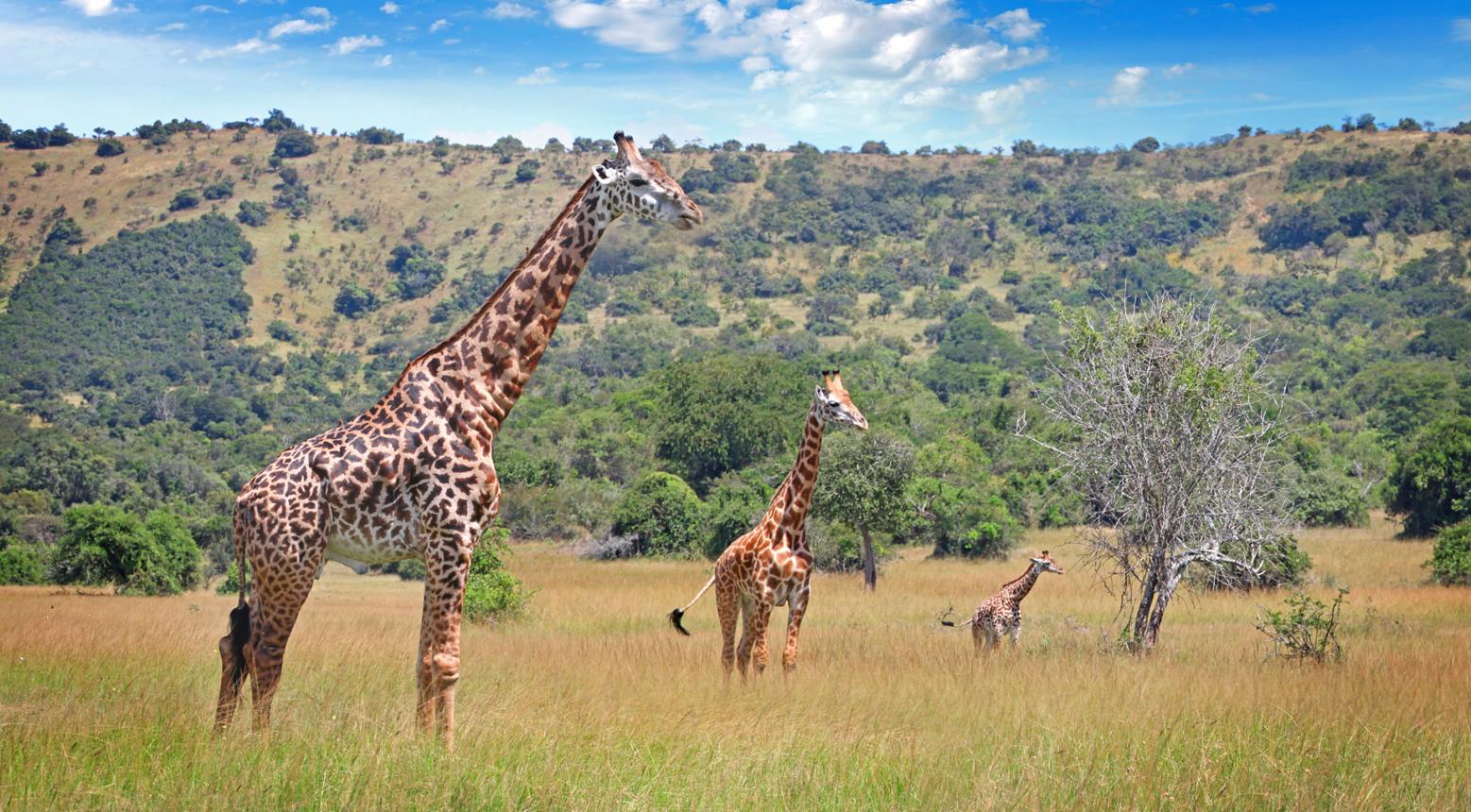
Unlike Nyungwe, Akagera allows most birding to take place from a safari vehicle or boat. Therefore, it suits travelers who prefer less demanding physical activity.
A typical birding day begins with an early game drive. Raptors, rollers, larks, pipits, barbets and other savannah birds become active before temperatures rise.
Later, a Lake Ihema boat safari can reveal waterbirds. Afternoon drives then provide additional sightings as temperatures begin to fall.
Important birds of Akagera National Park
Akagera’s diverse habitats support a long list of target species. Depending on location and season, birders may search for the red-faced barbet, papyrus gonolek, white-winged swamp warbler, African fish eagle, grey crowned crane and several kingfishers.
Large waterbirds may include storks, herons, egrets, pelicans, cormorants and darters. In addition, the park supports numerous raptors.
The shoebill remains one of the most desired sightings. However, it is elusive and cannot be guaranteed on a normal visit.
Travelers should remain cautious about absolute bird totals or guaranteed rare species. The quality of Akagera birding comes from habitat diversity and the possibility of encountering something unexpected.
Lake Ihema birding by boat
Lake Ihema provides one of Rwanda’s best boat-based birding experiences. Reeds, open water, shoreline vegetation and nearby wetlands attract a wide range of species.
African fish eagles may call from tall trees, while kingfishers watch the water from exposed branches. Meanwhile, herons and egrets feed along shallow edges.
Boat safaris also reveal hippos, crocodiles and other wildlife. Consequently, the experience appeals to birdwatchers and general safari travelers.
Morning light can work well for photography. Sunset cruises provide a different atmosphere as birds return toward roosting areas.
Book an authorized boat excursion in advance. Private or specialized birding arrangements may provide more flexibility than a standard shared cruise.
Birding during Akagera game drives
Akagera game drives combine birds and mammals. While searching for lions, elephants, leopards, buffaloes and rhinos, visitors may record dozens of bird species.
The southern section contains lakes and wetter habitats. By contrast, the northern plains introduce more open savannah.
A one-day visit provides an overview. However, two or three nights allow birders to explore the park more thoroughly.
The north–south route through Akagera can produce a rewarding full-day game drive. Nevertheless, travelers should confirm road conditions and gate operating times.
Best time for birding in Akagera
Birdwatching remains possible throughout the year. Migratory species add diversity during suitable seasons, while resident birds remain present year-round.
Wet months produce green scenery and breeding activity. However, rain can make some tracks more challenging.
Drier months generally provide easier game-drive conditions. Additionally, wildlife may gather around permanent water sources.
No single season is perfect for every target. Therefore, choose dates according to the wider safari priorities.
Volcanoes National Park: High-Altitude Birding and Primates
Volcanoes National Park ranks among the most dramatic Rwanda Birding Safari Destinations. Bamboo forest, montane vegetation and volcanic slopes provide habitat for Albertine Rift birds and other highland species.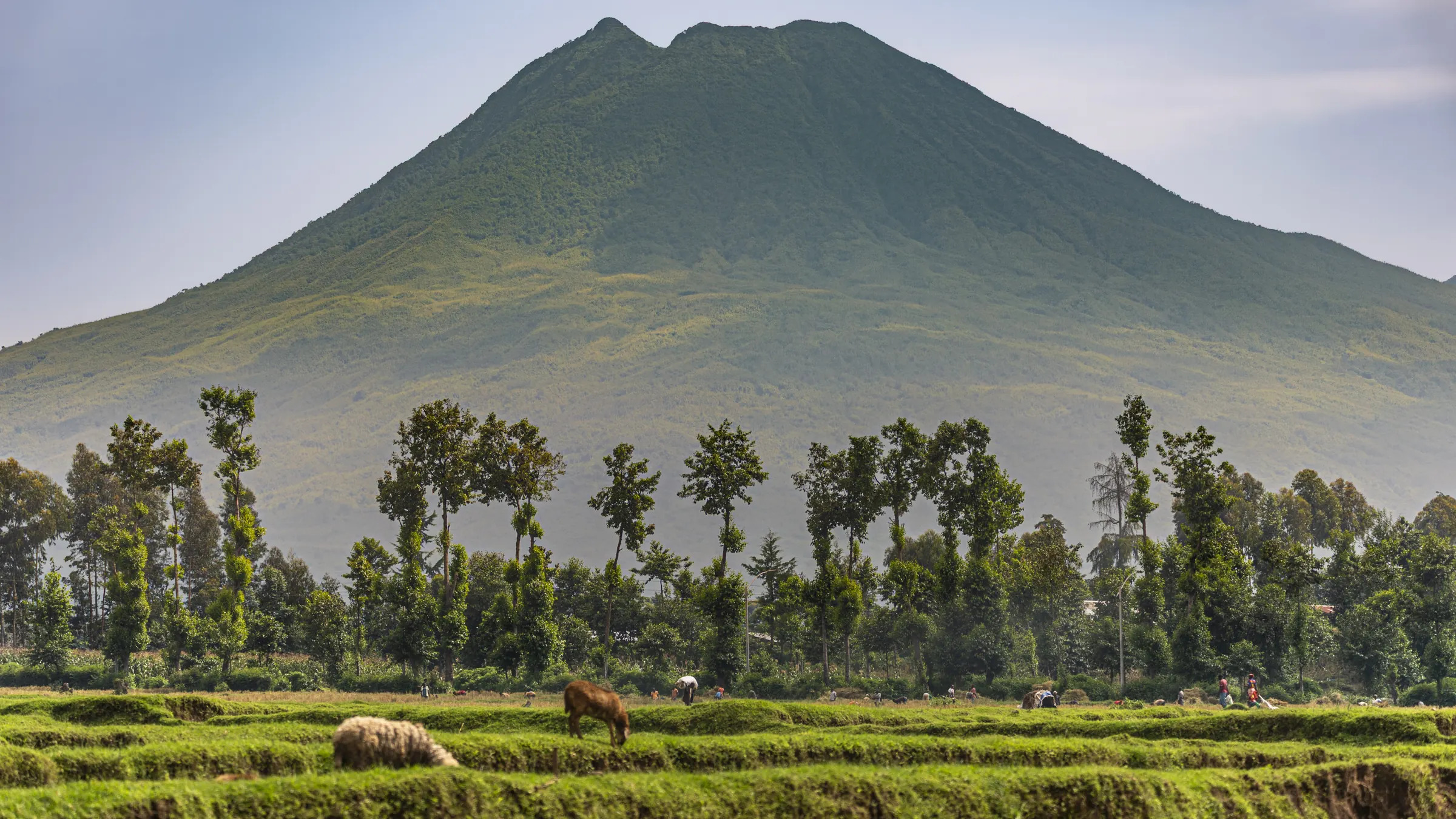
Most visitors travel to Volcanoes National Park for mountain gorilla trekking. Nevertheless, the area also offers valuable birding opportunities.
Possible targets include the Rwenzori turaco, Rwenzori double-collared sunbird, Rwenzori batis, handsome francolin, dusky crimsonwing and Archer’s ground robin.
Some species remain difficult to locate. Furthermore, weather on the volcanic slopes can change quickly.
The park’s elevation creates cool mornings and frequent mist. Waterproof clothing, strong boots and warm layers improve comfort.
Birding around Volcanoes National Park
Not every birding session requires entry deep into the national park. Farmland, gardens, wetlands and forest edges around Musanze can also produce rewarding sightings.
Early morning walks near the park boundary may reveal sunbirds, waxbills, weavers and other highland birds.
A local guide adds significant value because access rules and productive locations can change. Moreover, guides can identify calls that visitors may not recognize.
Combining birding with gorilla trekking
Gorilla trekking provides opportunities to hear and occasionally see birds along the forest route. However, the activity’s main purpose remains locating the gorilla family.
Therefore, birders should reserve a separate morning or full day for focused birdwatching.
A three-night stay works well for travelers combining gorillas and birds. The first day covers arrival and afternoon birding, the second focuses on gorilla trekking and the third allows additional birdwatching or golden monkey tracking.
Golden monkeys and birds
Golden monkey tracking takes place in bamboo habitat. Along the way, travelers may observe forest and high-altitude birds.
The monkeys move quickly, so photographers should prepare for active subjects and changing light.
As with gorilla trekking, golden monkey tracking should not replace a dedicated birding walk. Nevertheless, it adds valuable habitat exposure to the itinerary.
Gishwati-Mukura National Park: A Less-Visited Birding Forest
Gishwati-Mukura is Rwanda’s fourth national park. It consists of two separate forests and protects an important recovering montane ecosystem.
Visit Rwanda notes that the park supports chimpanzees, golden monkeys, blue monkeys, L’Hoest’s monkeys and numerous birds. Visit Rwanda national parks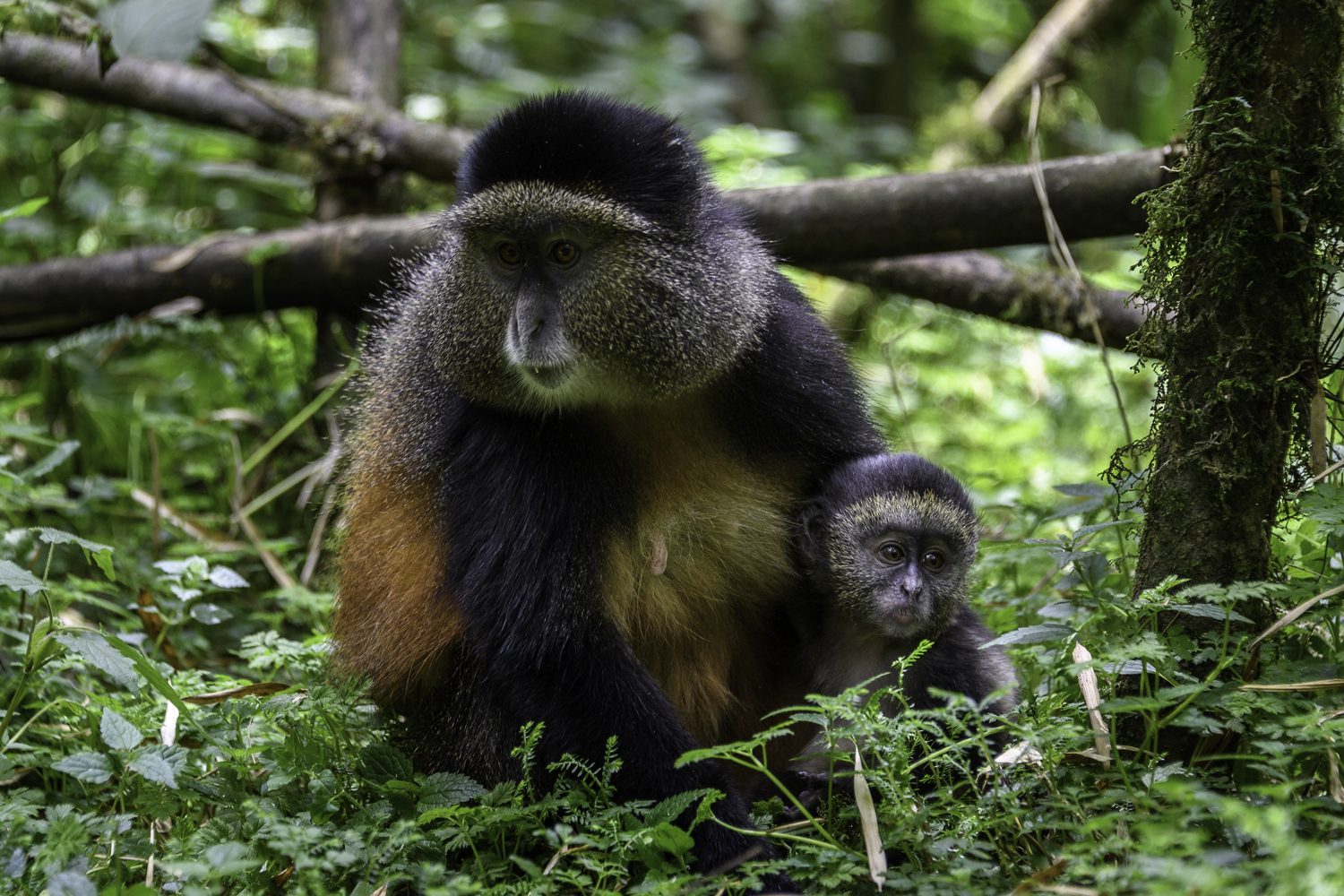
Compared with Nyungwe, Gishwati-Mukura receives fewer international visitors. Consequently, it appeals to birders who prefer less-crowded destinations.
Possible bird sightings include Albertine Rift and montane forest species. However, the exact experience depends on the visited section, current access and local conditions.
Tourism infrastructure continues to develop. Therefore, arrange park activities, guiding and accommodation before arrival rather than expecting to organize everything at the gate.
Why include Gishwati-Mukura in a birding itinerary?
The park adds geographical variety to a western Rwanda route. Travelers can connect Nyungwe, Lake Kivu, Gishwati-Mukura and Volcanoes National Park.
Because the forest is smaller and recovering, birding differs from the experience in Nyungwe. Edge habitat may provide strong viewing opportunities.
Furthermore, visiting the park supports conservation and responsible tourism in a developing destination.
Allow at least one full day for guided birding. Two nights provide a more relaxed schedule and improve the chance of an early start.
Kigali: Accessible Urban Birdwatching
Kigali provides an excellent introduction to Rwanda’s birds. Visitors can begin watching species immediately after arrival without traveling to a national park.
Gardens, wetlands, wooded neighborhoods and open spaces create varied urban habitats. Common species may include sunbirds, weavers, bulbuls, doves, flycatchers, kingfishers and raptors.
Urban birding works particularly well for travelers with limited time. A half-day excursion can also fill the hours before an evening flight.
Nyarutarama Lake and nearby wetlands
Nyarutarama Lake and its surroundings provide accessible birdwatching within the city. Waterbirds, wetland species and open-country birds may appear around the lake and nearby vegetation.
Early morning offers cooler temperatures and higher activity. Moreover, fewer pedestrians can create a quieter experience.
Urban development may affect access and habitat over time. Therefore, confirm current birding conditions with a local guide.
Umusambi Village
Umusambi Village is a restored wetland sanctuary associated with the conservation of grey crowned cranes and other birds.
The site provides trails, wetland views and accessible birding close to Kigali. As a result, it works well for families, educational groups and travelers beginning a longer safari.
A morning visit can introduce common Rwandan birds before the itinerary continues toward Akagera or Nyungwe.
Nyabarongo wetlands near Kigali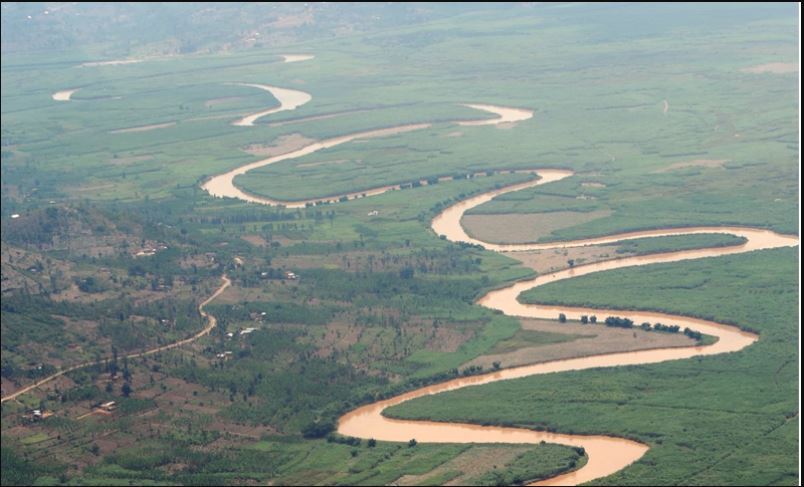
The Nyabarongo River and connected wetlands attract herons, egrets, storks, weavers and papyrus-associated birds.
Roadside viewpoints may provide access, but conditions vary. Furthermore, certain areas may be private, agricultural or environmentally sensitive.
Always use a guide and avoid entering wetlands without permission.
Hotel gardens and city parks
Many Kigali hotels maintain trees, flowers and landscaped gardens. These small green areas attract sunbirds, weavers and flycatchers.
Although hotel birding cannot replace a national park, it can add several species to a trip list.
Keep binoculars accessible on arrival day. Often, the first interesting bird appears before the formal safari begins.
Bugesera: Lakes and Wetlands Near Kigali
Bugesera District lies southeast of Kigali and offers some of Rwanda’s most accessible wetland birding.
Visit Rwanda reports that approximately 415 bird species have been recorded across the region’s varied habitats. Highlighted species include papyrus gonolek, papyrus canary, white-winged swamp warbler, lesser jacana and white-backed duck. Visit Rwanda birdwatching
The district contains lakes, marshes, agricultural land and open countryside. Consequently, a day trip can produce an impressive mix of wetland and terrestrial birds.
Bugesera works well at the beginning of a safari. It can also complement a Kigali city stay or a journey toward Akagera.
Birding around Bugesera’s lakes
Different lakes support different habitats. Some contain papyrus edges, while others provide open water and muddy margins.
Water levels change seasonally. Therefore, species distribution and access can vary.
A knowledgeable guide selects the most productive sites according to recent sightings and road conditions.
Why Bugesera deserves more attention
Many international birders travel directly from Kigali to a national park. As a result, they miss accessible wetland species near the city.
Bugesera reduces that risk. Furthermore, it requires less travel than distant destinations and suits short itineraries.
A full-day excursion offers better results than a rushed stop. Begin early and carry water, sun protection and binoculars.
Rugezi Marsh: High-Altitude Wetland Birding
Rugezi Marsh lies in northern Rwanda and protects an important high-altitude wetland ecosystem.
The marsh supports specialized wetland birds and provides scenic views surrounded by hills. Grauer’s swamp warbler remains one of the principal targets associated with suitable highland marsh habitat.
Access requires planning. Some sections may offer better visibility than others, while weather can affect both roads and bird activity.
Rugezi combines naturally with Musanze, Volcanoes National Park and the Twin Lakes region.
A professional guide should arrange the visit and ensure that birding respects local communities and sensitive wetland areas.
Akanyaru Wetlands
Akanyaru lies in southern Rwanda near the border with Burundi. Its marshes, papyrus and open water provide habitat for waterbirds and papyrus specialists.
Compared with the national parks, the area receives fewer general tourists. Therefore, it may appeal to experienced birdwatchers searching for a quieter wetland experience.
Road and site access can change with rainfall and agricultural activity. Consequently, local knowledge remains essential.
Akanyaru can form part of a route connecting Kigali, Huye and Nyungwe. However, visitors should allocate enough time instead of treating it as a quick roadside stop.
Nyabarongo Wetland and River System
The Nyabarongo River flows through a broad system of marshes and agricultural landscapes.
Birdlife may include egrets, herons, storks, ducks, weavers, kingfishers and other wetland species. Papyrus areas may also support localized birds.
Because the river system covers a large area, not every viewpoint produces equal results. An experienced guide can identify safe and productive access points.
Morning sessions generally provide the best activity. Nevertheless, late afternoon can offer attractive light and returning waterbirds.
Lake Kivu: Scenic Lakeside Birding
Lake Kivu stretches along Rwanda’s western border and provides a scenic addition to a birding itinerary.
Although the lake does not offer the same concentration of Albertine Rift forest specialists as Nyungwe, it supports cormorants, kingfishers, herons, egrets and other waterside birds.
Birding around Lake Kivu combines naturally with relaxation, boat trips and cultural activities. Towns such as Rubavu, Karongi and Rusizi provide different access points.
Birding in Rubavu
Rubavu sits near the northern end of Lake Kivu. Gardens, shoreline habitats and nearby hills offer casual birdwatching.
The town combines easily with Volcanoes National Park. Therefore, travelers can add a Lake Kivu night after gorilla trekking or high-altitude birding.
Birding around Karongi
Karongi offers islands, bays and scenic shorelines. Boat excursions may reveal kingfishers, cormorants and other waterbirds.
The location also breaks the journey between Nyungwe and northern Rwanda.
A slow-paced itinerary can include morning birding, an afternoon boat trip and time to explore the surrounding landscape.
Birding near Rusizi and southern Lake Kivu
Rusizi lies close to Nyungwe’s western access areas. Wetlands, lake edges and river-associated habitats can add species to the trip.
Because of the town’s location, it works well before or after a stay in Nyungwe National Park.
Twin Lakes of Burera and Ruhondo
The Twin Lakes lie near Volcanoes National Park and Musanze. Their open water, surrounding hills and agricultural areas create additional birding opportunities.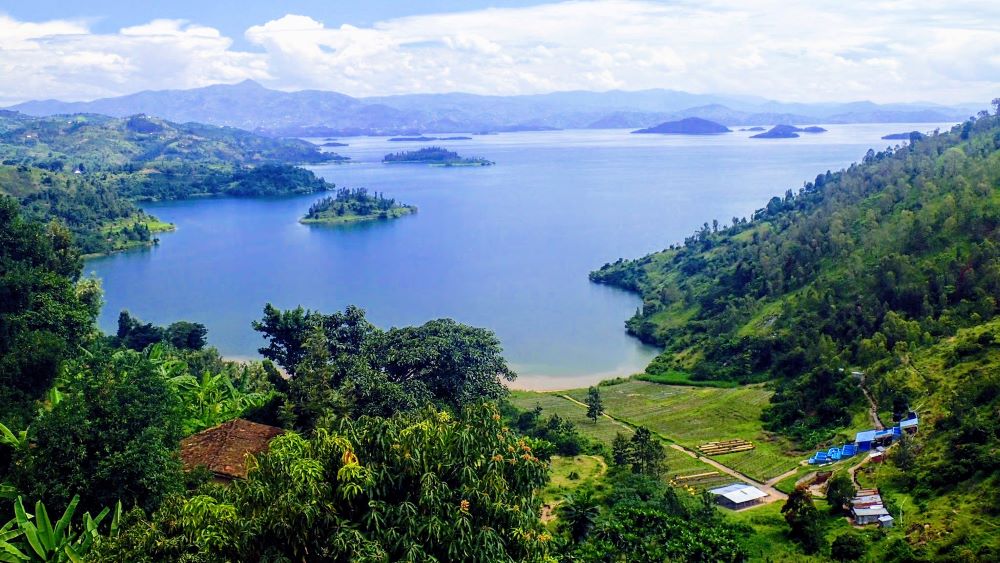
Waterbirds, kingfishers, cormorants and open-country species may appear.
A boat trip can combine birdwatching with scenic views. However, choose an experienced operator who respects weather conditions and local safety practices.
The Twin Lakes work particularly well as an afternoon activity after a morning birding walk or golden monkey trek.
Agricultural Landscapes and Tea Plantations
Rwanda’s farms and tea estates can support productive birding. Forest edges, hedgerows, flowering plants and open fields attract a different group of species from intact rainforest.
Tea plantations around Nyungwe provide excellent opportunities to observe edge birds in better light. Likewise, agricultural areas near Volcanoes National Park attract highland species.
Travelers must remember that farms are working landscapes. Therefore, request permission before entering fields or photographing people.
A responsible birding tour should respect crops, livestock and private property.
Albertine Rift Endemic Birds in Rwanda
The Albertine Rift is one of Africa’s most important biodiversity regions. It extends through highlands associated with Rwanda, Uganda, Burundi and the Democratic Republic of Congo.
Several species have narrow ranges within this region. Consequently, international birders often design Rwanda tours around Albertine Rift targets.
Nyungwe provides the strongest overall opportunity in Rwanda. Volcanoes and Gishwati-Mukura add further habitat.
Possible targets include the red-collared mountain babbler, Rwenzori turaco, Rwenzori batis, regal sunbird, purple-breasted sunbird, blue-headed sunbird, strange weaver and stripe-breasted tit.
Other sought-after birds include Grauer’s swamp warbler, Archer’s ground robin and dusky crimsonwing.
Not every endemic appears on every trip. Dense forest, quiet calling periods and difficult weather can reduce detection. Therefore, several birding days provide better chances than one short visit.
The Shoebill in Rwanda
The shoebill is one of Africa’s most recognizable birds. Its enormous bill, tall body and patient hunting behavior give it a prehistoric appearance.
Akagera’s wetlands provide a possible location for shoebill sightings. Nevertheless, observations remain unpredictable.
Birders should avoid choosing Rwanda only because they expect a guaranteed shoebill. Instead, appreciate Akagera’s complete wetland and savannah bird community.
A boat safari and carefully planned wetland birding can improve opportunities. However, guides must maintain a respectful distance and avoid disturbing feeding or nesting birds.
Papyrus Specialist Birds
Papyrus wetlands support birds adapted to this distinctive vegetation.
Important targets may include the papyrus gonolek, papyrus canary and white-winged swamp warbler. Depending on habitat and location, other wetland specialists may also appear.
Bugesera, Akagera, Nyabarongo and Akanyaru offer relevant habitats.
Because papyrus birds remain hidden, calls become especially important. A guide familiar with vocalizations can locate movement within the reeds.
Responsible birding requires restraint. Playback, where permitted, should never continue excessively or disturb breeding birds.
Raptors in Rwanda
Rwanda’s landscapes support eagles, hawks, kites, falcons and vultures.
Akagera provides the strongest opportunities for savannah raptors. Open landscapes allow birders to observe soaring birds and perched hunters.
Kigali also supports urban-adapted raptors. Meanwhile, forest parks contain species associated with wooded and montane habitats.
Identification can become difficult at long distances. Therefore, binoculars and a spotting scope provide valuable detail.
Photographs of the wings, tail and flight pattern can help confirm uncertain sightings later.
Waterbirds and Kingfishers
Rwanda’s lakes and wetlands support herons, egrets, storks, ducks, geese, jacanas, cormorants, darters and kingfishers.
Lake Ihema provides particularly strong waterbird viewing. Lake Kivu, Bugesera and the Nyabarongo system add further possibilities.
African fish eagles often create one of the most memorable sounds of a boat safari. Meanwhile, kingfishers add vivid color along the shoreline.
Water levels affect where birds feed. Consequently, a site that performs well during one season may feel quieter during another.
Best Time to Visit Rwanda for Birdwatching
Rwanda offers birdwatching throughout the year. However, each season creates different advantages.
The country generally experiences wetter periods from March to May and again around October and November. Drier conditions commonly occur from June to September and from December to February, although rainfall patterns vary.
Wet seasons support fresh vegetation, breeding activity and increased food availability. Forest birding can become highly productive, although trails may be muddy.
Drier months often provide easier hiking conditions. Nevertheless, forests can receive rain at any time.
Palearctic and intra-African migrants add seasonal diversity. Therefore, visitors interested in migration should discuss timing with a specialist birding guide.
No single month guarantees every species. Instead, choose dates according to target birds, trail conditions and complementary activities.
Birding During Rwanda’s Dry Seasons
June through September often provides easier access to forest trails and national park roads. As a result, many international travelers choose these months.
However, high demand affects accommodation, gorilla permits and guide availability. Early reservations remain important.
December through February can also provide favorable travel conditions. Migratory species may add interest during part of this period.
Even during drier months, carry waterproof clothing in Nyungwe and Volcanoes National Park.
Birding During Rwanda’s Green Seasons
Rain refreshes forests, wetlands and savannah. Consequently, the landscape becomes especially attractive for photography.
Breeding behavior and bird vocalization may increase for certain species. In addition, visitor numbers can become lower outside holiday periods.
On the other hand, forest trails may become slippery, and unpaved roads can require more time.
A flexible itinerary reduces weather-related stress. If rain affects one morning, the guide can often adjust the route or bird a more accessible habitat.
How Many Days Do You Need for a Rwanda Birding Safari?
A one-day excursion can introduce visitors to Kigali, Bugesera or Akagera. However, it cannot represent Rwanda’s complete bird diversity.
Three days allow focused birding in one principal destination. For example, a traveler could spend two nights in Akagera or explore Nyungwe from a nearby lodge.
Seven days can combine Kigali, Akagera and Nyungwe. Nevertheless, the itinerary will include substantial transfers.
Ten days provide a stronger balance. Travelers can include Kigali, Akagera, Nyungwe, Lake Kivu and Volcanoes National Park.
Fourteen days suit dedicated birdwatchers. The additional time allows Gishwati-Mukura, Rugezi Marsh and several wetland stops.
Serious birders should avoid changing accommodation every night. Multiple mornings in one habitat produce better results than a rushed checklist journey.
Seven-Day Rwanda Birding Safari Itinerary
Day one begins with arrival at Kigali International Airport and transfer to the hotel. Depending on flight time, guests can enjoy introductory birding in the garden or a nearby wetland.
On day two, early birding takes place around Kigali or Bugesera before continuing to Akagera National Park.
Day three includes a morning game drive and afternoon Lake Ihema boat safari. The combination introduces savannah birds, raptors and waterbirds.
The fourth day begins with further Akagera birding before returning to Kigali or continuing south.
Day five transfers toward Nyungwe, with birding stops along the route where time allows.
Day six focuses on Nyungwe forest birding. Early starts increase the chance of finding mixed feeding flocks.
Finally, day seven provides another morning session before returning to Kigali or continuing toward Lake Kivu.
Although possible, this route remains active. Adding several days will create a better experience.
Ten-Day Rwanda Birding Safari Itinerary
The first day covers airport pickup and an overnight stay in Kigali.
Day two begins with urban birding or a visit to Bugesera before continuing toward Akagera.
Days three and four explore Akagera through game drives and a Lake Ihema boat safari.
On day five, return toward Kigali and continue south, depending on road time and accommodation.
Days six, seven and eight focus on Nyungwe National Park. One morning may include chimpanzee tracking, while the remaining sessions target forest birds.
Day nine travels toward Lake Kivu or Kigali with suitable birding stops.
The final day includes additional birdwatching and airport transfer.
This itinerary can also replace the final Lake Kivu section with Volcanoes National Park.
Fourteen-Day Rwanda Birding Safari Itinerary
A complete fourteen-day tour can connect most major Rwanda Birding Safari Destinations.
Begin with two nights in Kigali, including Bugesera or Nyabarongo birding.
Continue to Akagera for three nights. This schedule creates time for game drives, wetland exploration and a boat safari.
Afterward, travel south and west toward Nyungwe. Spend four nights exploring different forest trails, tea estates and wetland habitats.
Proceed along Lake Kivu toward Gishwati-Mukura. Two nights allow one full day of guided forest birding.
The final section continues to Volcanoes National Park. Birding can combine with gorilla trekking, golden monkeys or a visit to the Twin Lakes.
Return to Kigali with a possible stop at Rugezi Marsh, subject to the chosen route and access conditions.
Combining Birding with Gorilla Trekking
Birding and gorilla trekking create one of Rwanda’s strongest wildlife combinations.
Volcanoes National Park offers mountain gorillas and high-altitude birds. Therefore, travelers can stay in the Musanze area and complete both activities without changing accommodation.
Gorilla trekking requires a permit and advance booking. Demand becomes high during popular travel periods.
Birders should remember that the gorilla trek does not operate as a dedicated birding walk. The ranger’s priority is locating and safely viewing the gorilla family.
Schedule an additional birding day around Volcanoes National Park. This arrangement provides more time for highland species.
Combining Birding with Chimpanzee Tracking
Nyungwe National Park allows travelers to combine forest birding with chimpanzee tracking.
The chimpanzee walk may pass through productive bird habitat. Nevertheless, participants must move according to the trackers and chimpanzees.
A dedicated birding session offers more control over pace and target species.
Three or four nights in Nyungwe provide a practical combination. One morning focuses on chimpanzees, while other sessions concentrate on birds.
Combining Birding with a Big Five Safari
Akagera National Park offers Rwanda’s most natural birding and Big Five combination.
Game drives may reveal elephants, giraffes, buffaloes, lions, rhinos, antelopes and numerous birds. Leopards remain elusive but occur within the ecosystem.
A Lake Ihema boat trip adds hippos, crocodiles and waterbirds.
Two or three nights provide a balanced stay. Birdwatchers should request a guide with strong ornithological knowledge rather than a general wildlife-only focus.
Birding Guides in Rwanda
A skilled local guide can transform a birding safari. Experienced guides identify calls, understand habitat and know productive locations.
When booking, explain your experience level and target species. A casual birdwatcher requires a different pace from someone pursuing a detailed life list.
Ask whether the guide carries a spotting scope, playback equipment where ethically appropriate and updated field references.
Specialist guides often have limited availability. Therefore, reserve them early.
A private tour provides flexibility. Guests can spend longer at interesting sightings and change the route according to weather or recent records.
Ethical Birdwatching in Rwanda
Birdwatching should never disturb the birds or damage their habitat.
Maintain a respectful distance from nests, display areas and feeding sites. If a bird repeatedly gives alarm calls, move away.
Avoid excessive playback. Although recorded calls can help locate secretive species, repeated use may disrupt feeding, territorial behavior or breeding.
Stay on established trails in forests. Likewise, avoid trampling papyrus or wetland vegetation.
Never collect feathers, eggs, nests or plants.
Use quiet voices and control sudden movement. Forest birding becomes more productive when the group remains calm.
Support local guides, community conservation projects and responsible tourism businesses.
Bird Photography in Rwanda
Rwanda’s varied habitats provide excellent bird-photography opportunities.
Akagera offers open views and strong light. Boat safaris can bring photographers closer to waterbirds without leaving an authorized vessel.
Forest photography presents greater challenges. Low light, dense vegetation and quick movement require careful settings.
A telephoto lens with image stabilization can help. In addition, modern cameras with good high-ISO performance improve results in Nyungwe.
Use a fast shutter speed for flying birds. For perched forest species, a wider aperture and steady support may become more important.
Flash should be used cautiously or avoided around sensitive birds. Always follow park and guide instructions.
Do not remove branches or alter habitat to create a cleaner photograph.
What to Pack for Rwanda Birding Safaris
A good pair of binoculars remains the most important item. Choose a model that performs well in low light and feels comfortable during long walks.
A spotting scope helps with distant wetland birds and raptors. However, it adds weight on demanding forest trails.
Carry an updated East African or Rwanda bird field guide. A digital checklist can support record keeping, although a notebook remains useful when batteries fail.
Strong waterproof hiking boots provide grip in Nyungwe and Volcanoes National Park. Long trousers and a lightweight long-sleeved shirt protect against vegetation and insects.
Rain protection is essential throughout the year. Furthermore, use a waterproof cover for cameras and field guides.
A small backpack should carry water, snacks, sunscreen, insect repellent and personal medicine.
Neutral-colored clothing works well in forest and savannah environments. Avoid noisy waterproof fabrics where possible.
Fitness and Accessibility
Birding difficulty varies by destination.
Akagera game drives and boat safaris require relatively little walking. Therefore, they suit travelers with limited mobility.
Kigali and Bugesera can also offer accessible roadside or garden birding.
Nyungwe and Volcanoes may require walking on steep, muddy or uneven trails. Travelers should discuss fitness concerns before selecting routes.
Gishwati-Mukura access also depends on the chosen activity and trail.
A private guide can adjust pace and rest stops. However, certain rare birds occur only in physically demanding habitats.
Accommodation for Rwanda Birding Safaris
Accommodation ranges from budget guesthouses to luxury lodges.
In Akagera, staying near or inside the park reduces morning transfer time. The exact choice depends on budget and availability.
Nyungwe accommodation can be based near Uwinka, Gisakura, Rusizi or other access areas. Select the lodge according to the planned trails.
Musanze offers a wide choice of hotels for Volcanoes National Park. Luxury lodges closer to the park provide comfort but may cost considerably more.
Lake Kivu towns offer scenic hotels, guesthouses and resorts. Meanwhile, Kigali provides options for every budget.
Birders should prioritize location and early-breakfast flexibility. A beautiful hotel far from the birding site may cause missed morning activity.
Rwanda Birding Safari Costs
The price depends on trip length, accommodation, vehicle, park fees, guiding and included activities.
Specialist birding guides may cost more than general guides because they provide advanced identification skills and destination knowledge.
Private transport forms another major component. Although Rwanda is compact, a complete circuit covers substantial distance.
Gorilla permits, chimpanzee permits and luxury lodges can significantly increase the budget.
A quotation should clearly show:
- Private vehicle and fuel
- Driver-guide services
- Specialist birding guide
- Accommodation
- Meals
- Park entrance fees
- Birding walks
- Boat safaris
- Primate permits
- Airport transfers
- Drinking water
- Taxes and operational support
Compare inclusions rather than final prices alone. A cheaper quotation may exclude park fees, meals or guiding.
Family Birding Safaris in Rwanda
Rwanda can provide an excellent introduction to birdwatching for children.
Akagera offers large, colorful birds alongside mammals. Consequently, children can remain engaged even when smaller species prove difficult to identify.
Boat safaris add variety, while Kigali’s accessible birding locations reduce long driving times.
Forest walks should match the child’s age and fitness. Long periods of quiet observation may not suit every young traveler.
A private itinerary allows families to shorten sessions and include cultural or wildlife activities.
Rwanda Birding for Solo Travelers
Solo travelers can book a private birding safari or join a scheduled departure when available.
Private travel costs more because one person covers the vehicle and guide. However, it provides complete control over target species and pace.
A scheduled group reduces costs and creates a social experience. Nevertheless, group members may have different priorities.
Solo travelers should book through a reputable operator and share the itinerary with a trusted contact.
Rwanda and Uganda Combined Birding Safaris
Rwanda and Uganda create a strong two-country birding combination.
Rwanda offers efficient travel, Albertine Rift forests, Akagera and accessible wetlands. Uganda adds Bwindi, Kibale, Queen Elizabeth, Murchison Falls, Mabamba and several additional habitats.
A combined itinerary may start in Kigali, visit Akagera, Volcanoes and Nyungwe, then cross into Uganda. Alternatively, it can begin in Entebbe and finish in Rwanda.
Border travel requires proper visas, vehicle documentation and current entry information.
Two weeks provide a useful introduction. Dedicated birders may prefer three weeks or longer.
Frequently Asked Questions About Rwanda Birding Safari Destinations
What are the best birding destinations in Rwanda?
Nyungwe and Akagera are the leading destinations. Volcanoes National Park, Gishwati-Mukura, Bugesera, Kigali, Lake Kivu, Rugezi Marsh, Akanyaru and Nyabarongo also provide valuable birding.
Which park is best for Albertine Rift endemics?
Nyungwe National Park provides Rwanda’s strongest opportunity to search for Albertine Rift forest species.
Where can travelers search for the shoebill?
Akagera’s wetland system provides possible shoebill sightings. However, the bird remains elusive and cannot be guaranteed.
Is Rwanda suitable for beginner birdwatchers?
Yes. Akagera, Kigali and Lake Kivu provide accessible birding, while professional guides help beginners identify species.
How many days are enough for a Rwanda birding tour?
Seven days can cover several major destinations, although ten to fourteen days provide a more complete experience.
Can birdwatching combine with gorilla trekking?
Yes. Volcanoes National Park offers one of the best opportunities to combine mountain gorillas with high-altitude birding.
Is birding possible throughout the year?
Yes. Resident species remain throughout the year, while migrants add seasonal interest.
Do visitors need a specialist guide?
A specialist guide is strongly recommended, especially for forest birds, endemic species and papyrus specialists.
What binoculars work best?
Many birders prefer 8×42 or 10×42 binoculars. The best option depends on stability, field of view, weight and low-light performance.
Are Rwanda’s birding trails difficult?
Difficulty varies. Akagera and Kigali can be accessible, while some Nyungwe and Volcanoes trails require good fitness.
Can travelers photograph birds from a boat?
Yes. Lake Ihema boat safaris provide excellent waterbird-photography opportunities.
Is Rwanda good for birding photography?
Yes. Savannah, wetlands, lakes and forest habitats provide varied photographic settings.
What should birdwatchers wear?
Wear neutral-colored clothing, waterproof hiking boots, long trousers, a long-sleeved shirt and a light rain jacket.
Can families book a Rwanda birding safari?
Yes. A customized private tour can combine short birding sessions with game drives, boat trips and cultural experiences.
Which Rwanda destination has the greatest habitat variety?
Akagera combines savannah, woodland, lakes, papyrus swamps and riverine habitat within one park.
Final Thoughts on Rwanda Birding Safari Destinations
Rwanda offers far more than gorilla trekking. Its mountains, forests, savannahs, wetlands and lakes create exceptional birding opportunities within a compact country.
Nyungwe stands out for Albertine Rift forest species. Meanwhile, Akagera delivers savannah birds, waterbirds and raptors alongside a Big Five safari.
Volcanoes National Park combines high-altitude birds with gorillas and golden monkeys. Gishwati-Mukura adds a quieter forest experience, while Kigali and Bugesera provide accessible wetland birding.
Lake Kivu, Rugezi Marsh, Akanyaru and Nyabarongo complete the national picture. Consequently, a carefully designed itinerary can include an impressive variety of habitats without requiring excessive internal flights.
The best Rwanda Birding Safari Destinations reward patience, early starts and professional guidance. Rather than rushing through a long checklist, spend enough time in each ecosystem and appreciate bird behavior, scenery and conservation.
Universal Ventures Rwanda
Universal Ventures Rwanda organizes customized birdwatching tours, wildlife safaris, gorilla trekking experiences and combined Rwanda–Uganda journeys. Our services can include private transportation, professional driver-guides, specialist bird guides, accommodation, national park activities, airport transfers and permit coordination.
Universal Ventures Rwanda
Address: Kigali, Rwanda
Telephone/WhatsApp: +250 781 441 853
Email: info@universalventuresrwanda.com
Website: www.universalventuresrwanda.com