The best family safaris in Rwanda combine wildlife encounters, cultural discovery, outdoor adventures and relaxing moments in one remarkably accessible destination. Families can watch elephants and giraffes in Akagera National Park, cruise past hippos on Lake Ihema, explore the green shores of Lake Kivu and learn about mountain gorilla conservation near Volcanoes National Park. Families travelling with teenagers can also include gorilla trekking, chimpanzee tracking and more challenging forest activities.
Rwanda is particularly suitable for parents who want an African safari without spending every day on lengthy road transfers. The country’s relatively compact size makes it possible to combine several different landscapes within one holiday. In a little over a week, a family can experience Kigali, Akagera’s savannah, the Virunga volcanoes and Lake Kivu without crossing an international border.
A Rwanda family safari can be designed for young children, teenagers, adult children, grandparents or a multigenerational group. The secret lies in selecting suitable activities, allowing enough rest and avoiding an itinerary that tries to cover too much ground.
This comprehensive guide explains where to go, what children can do, how gorilla-trekking age restrictions affect family itineraries, when to visit, where to stay and how to create a safe, comfortable and memorable Rwanda safari with kids.
Why Rwanda Is One of Africa’s Best Family Safari Destinations
Rwanda offers an unusual combination of accessibility, wildlife diversity and cultural depth. It is often associated with mountain gorillas, but a well-planned family holiday can include much more than one primate encounter.
Akagera National Park provides a traditional African savannah safari with lions, elephants, buffaloes, rhinos, leopards, giraffes, zebras, antelopes, hippos and crocodiles. Volcanoes National Park introduces families to mountain scenery, primate conservation and Rwandan culture. Nyungwe National Park offers rainforest walks, monkeys, birds, waterfalls and a famous canopy walkway. Lake Kivu creates space for swimming, boat rides, kayaking and relaxation between more active safari days.
Kigali International Airport is conveniently positioned for beginning or ending a private family tour. Kigali itself is also worth exploring. Its museums, markets, cafés, art centres and historical sites can introduce children and adults to Rwanda before they travel into the countryside.
Another advantage is the ability to arrange a private safari vehicle. A private vehicle allows parents to stop when children need a break, adjust the day’s starting time where park schedules permit and spend longer at wildlife sightings that genuinely interest the family.
The best family safaris in Rwanda do not treat children as passengers on an adult itinerary. They balance wildlife, movement, learning, play and rest.
What the Leading Rwanda Family Safari Guides Cover—and What Families Still Need
A review of prominent Rwanda family-safari pages shows that most leading competitors focus on five main subjects: mountain gorillas, Akagera National Park, Nyungwe Forest, Lake Kivu and family-friendly accommodation. Strong luxury operators tend to emphasize exclusive lodges and tailor-made travel, while local and regional safari companies concentrate on activities, age limits and sample itineraries.
However, families need more than a list of attractions. They need to understand how early morning activities affect children, which drives are tiring, what parents can do when one child is too young for a trek, how room configurations influence the price and whether a lodge truly welcomes younger guests.
This guide addresses those practical questions while covering the major search topics families use when researching Rwanda safari packages.
The Best Family Safaris in Rwanda for Different Age Groups
Children of different ages experience a safari in different ways. A four-year-old may be delighted by zebras, a swimming pool and a short boat ride, while a sixteen-year-old may want a challenging gorilla trek or rainforest adventure.
Instead of choosing the longest possible tour, parents should select an itinerary suited to the youngest traveller.
Rwanda Safari with Babies and Toddlers
A safari with babies or toddlers requires a slow pace. Families should consider staying at least two nights in each location, using a private vehicle and selecting lodges with flexible mealtimes, suitable beds and enough indoor space.
Akagera can still work well, but game drives should be shorter than the usual full-day northbound crossing. A morning drive followed by lunch and rest at the lodge is often more successful. Boat trips must be discussed with the operator because safety policies and life-jacket sizes can vary.
Lake Kivu is a valuable addition for families with very young children. It allows parents to enjoy Rwanda’s scenery without expecting the child to remain quiet inside a vehicle for an entire day.
Parents should bring familiar snacks, sun protection, lightweight layers, essential medication and comfort items. A baby carrier may be more useful than a stroller at rural properties, although a compact stroller remains convenient in Kigali and at hotels with paved paths.
Rwanda Family Safari with Children Aged Five to Eleven
Children in this age group often enjoy Akagera more than any other part of the country. Giraffes, zebras, monkeys, baboons, hippos and elephants are easier for young visitors to recognise and appreciate than smaller forest species.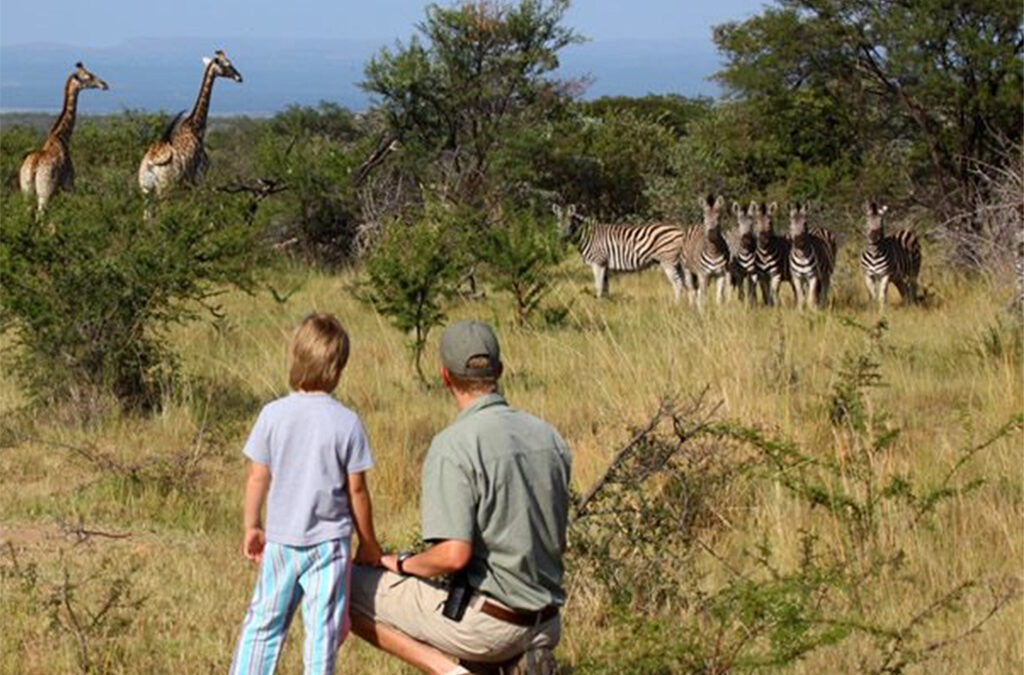
Short game drives, a Lake Ihema boat safari and two nights inside or near the park can create a balanced experience. Children can also enjoy cultural activities around Volcanoes National Park, gentle nature walks, art workshops and boat excursions on Lake Kivu.
They cannot participate in gorilla trekking, but that does not mean Volcanoes National Park should automatically be removed. Parents can trek on separate days while the other parent stays with the children. Alternatively, a trusted child minder or family-friendly guide can supervise an age-appropriate activity.
Families should never assume that childcare is automatically available. It must be confirmed in advance, including who will supervise the children, where the activity will take place and how the parents can be contacted.
Rwanda Safari with Teenagers
Rwanda becomes especially rewarding when children reach their teenage years. Teenagers who are at least 15 years old may participate in gorilla trekking, provided they are physically prepared and follow all park regulations. Rwanda’s official tourism authority currently sets the minimum gorilla-trekking age at 15. A standard international gorilla permit costs USD 1,500 per person, and the encounter with the gorillas is limited to one carefully managed hour. Visit Rwanda’s official gorilla-tracking information
Teenagers may also enjoy golden monkey tracking, hiking, cycling, kayaking and conservation experiences. Nyungwe Forest appeals to active families interested in primates, birdlife and rainforest ecosystems.
Before booking strenuous activities, parents should consider the teenager’s genuine interest and fitness. A young person who enjoys hiking may find gorilla trekking transformative. Another may prefer Akagera’s wildlife, photography and open landscapes.
Multigenerational Family Safaris
Rwanda is a strong choice for grandparents, parents and children travelling together. The family can share game drives, cultural visits, scenic transfers and Lake Kivu activities while separating for age-restricted or physically demanding excursions.
A private vehicle is essential for most multigenerational trips. It gives the family control over rest stops, photography time and daily pacing. Lodges should have accessible rooms, limited stairways and reliable assistance with luggage.
The itinerary should include occasional late starts and free afternoons. A holiday becomes exhausting when every morning begins before sunrise.
Akagera National Park: The Best Rwanda Safari with Kids
Akagera National Park is Rwanda’s primary savannah wildlife destination and one of the strongest foundations for a family safari. Its landscape includes open plains, wooded hills, lakes, wetlands and papyrus swamps.
Families can search for elephants, lions, rhinos, buffaloes, giraffes, zebras, topis, impalas, waterbucks, warthogs, baboons and many bird species. Leopards also live in the park, although sightings are never guaranteed.
Young travellers often stay engaged because the landscape changes throughout the drive. One section may contain open grassland with zebra herds, while another overlooks wetlands occupied by hippos and waterbirds.
Family Game Drives in Akagera
A private game drive gives families the best flexibility. The guide can adjust the pace, explain animal behaviour in child-friendly language and stop safely when someone needs a break.
Families staying for only one day can complete a longer drive through the park. However, two or three nights offer a much better rhythm. A typical stay might include an afternoon game drive on arrival, a full or half-day safari the following day and a Lake Ihema boat trip before departure.
Morning drives generally provide pleasant temperatures and active wildlife. Afternoon drives can produce beautiful light and fewer rushed departures. Night drives may appeal to teenagers, but they can be too late for small children.
Wildlife sightings remain unpredictable. Guides know common territories and animal movements, but no responsible operator should guarantee the Big Five in one drive.
Lake Ihema Boat Safari for Families
A boat safari on Lake Ihema introduces children to wildlife from a completely different perspective. Families may see hippos, crocodiles, waterbirds and animals approaching the shore to drink.
The boat excursion also breaks up the time spent inside a safari vehicle. Children who become restless on land often re-engage when they board a boat and begin looking for animals along the water.
Parents should supervise children closely, follow the boat guide’s instructions and confirm that suitable life jackets are available.
How Long Should Families Stay in Akagera?
Two nights work well for most families. Three nights are even better for travellers who want a relaxed schedule or several wildlife activities.
A one-day Akagera safari from Kigali is possible, but the early departure, long game drive and return journey can be tiring for children. Families with limited time may still choose it, but an overnight safari produces a more enjoyable experience.
Family-Friendly Accommodation in Akagera
Accommodation ranges from campsites and comfortable lodges to high-end tented camps. Families should evaluate the property’s room layout rather than relying only on the words “family-friendly.”
Important questions include:
- Does the lodge have a genuine family room or connecting rooms?
- Are children allowed in all room categories?
- Is there a swimming pool?
- How far is the room from the dining area?
- Are wild animals likely to pass through the unfenced property?
- Must children be escorted after dark?
- Can the kitchen prepare simple meals?
- Are early breakfasts and packed lunches available?
Some tented lodges provide a wonderful sense of adventure but require close adult supervision. Parents should explain that a safari lodge is not the same as a fenced city hotel.
Volcanoes National Park and Family Gorilla Safaris
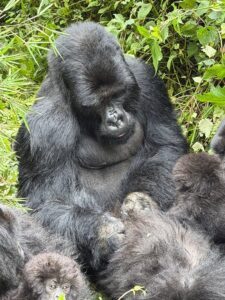
Volcanoes National Park is the centre of Rwanda’s mountain gorilla tourism. Its bamboo forests and volcanic scenery create one of Africa’s most distinctive landscapes.
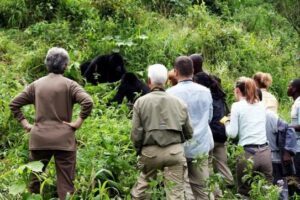
For families with children aged 15 or older, gorilla trekking can become the defining experience of the holiday. Visitors gather for a morning briefing at the park headquarters in Kinigi before travelling to the starting point for their assigned trek.
The hiking time varies because gorillas move freely through the forest. A trek may take a relatively short time or require several hours of walking over steep, muddy and uneven terrain. Official information advises visitors to book early because the number of daily permits is limited. Visit Rwanda
Why Gorilla Trekking Has a Minimum Age
The minimum age protects both visitors and gorillas. Trek participants must remain calm, follow ranger instructions and manage a potentially demanding hike. Mountain gorillas are also vulnerable to human illnesses, making responsible behaviour essential.
Parents should not promise a gorilla trek to a child who will still be under 15 on the trekking date. Rwanda’s official rule states that participants must be at least 15.
Children who cannot trek can still enjoy the wider Volcanoes region. Suitable alternatives may include a conservation education visit, cultural activities, village walks, craft demonstrations or time at a family-friendly lodge.
Preparing Teenagers for Gorilla Trekking
Teenagers should begin walking regularly before travelling. Training does not need to be extreme, but it should include hills, stairs or uneven paths where possible.
Good equipment makes the trek more comfortable. Each participant should have sturdy waterproof footwear, long trousers, a long-sleeved shirt, gardening gloves, rain protection and a small backpack. Gaiters provide extra protection from mud and vegetation.
Hiring a porter is strongly recommended. Porters carry bags and provide support on slippery or steep sections. Their work also allows tourism income to reach households around the park.
Families should disclose mobility concerns to their operator before the trekking date. Park staff consider fitness when assigning groups, although no particular gorilla family or trek length can be guaranteed.
Gorilla Trekking Rules Families Should Understand
Visitors must follow the ranger’s briefing. The group should remain together, avoid sudden movements and keep voices low. Eating and drinking near the gorillas are not allowed. Flash photography should be disabled.
Anyone who becomes ill shortly before the trek should inform the operator. Protecting gorillas from respiratory illness is more important than forcing an encounter to continue.
A gorilla trek is not an interaction with tame animals. Visitors observe a habituated wild gorilla family under the supervision of trained rangers and trackers.
Golden Monkey Tracking for Families
Golden monkey tracking provides another active experience in Volcanoes National Park. These colourful primates move through the bamboo forest quickly, making the activity energetic and enjoyable for photographers and nature-loving families.
The trek is generally discussed as less demanding than many gorilla treks, but conditions still vary. Families must confirm current age restrictions and permit rules before booking.
Golden monkey tracking works well as a second morning activity for families spending at least two nights near the park. It can also suit travellers who want a primate experience at a lower cost than gorilla trekking.
Family Activities Near Volcanoes National Park
The Musanze and Kinigi areas offer much more than primate trekking. Families can visit conservation centres, explore caves, join cultural experiences, take guided community walks or learn about traditional food, music and crafts.
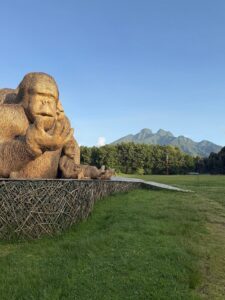
The Ellen DeGeneres Campus of the Dian Fossey Gorilla Fund provides an educational introduction to gorilla research and conservation. It can help children understand why Rwanda protects gorillas before older family members enter the forest.
Cultural activities should be respectful and genuinely hosted. A strong guide encourages conversation and learning instead of turning the visit into a rushed photo stop.
Lake Kivu: Relaxation During a Rwanda Family Holiday
Lake Kivu is one of the best additions to a family itinerary because it introduces rest without sacrificing scenery or activity. Its shoreline includes towns such as Rubavu, Karongi and Rusizi, each offering a different atmosphere.
Families can take boat trips, visit islands, kayak, walk along the waterfront or simply enjoy time at the hotel. Lake Kivu is particularly valuable after gorilla trekking or between long road transfers.
Rubavu for Active Families
Rubavu is easily combined with Volcanoes National Park. The town has a lively waterfront and views across the lake. Depending on the itinerary, families can enjoy a boat ride, kayaking, cycling or a relaxed afternoon by the water.
Its relative proximity to Musanze makes it suitable for a short extension after a gorilla safari.
Karongi for a Quieter Lake Experience
Karongi offers beautiful islands, green hills and a calmer holiday atmosphere. It can be incorporated into an itinerary travelling between Nyungwe and northern Rwanda, although the road journey must be planned carefully.
Boat excursions may include scenic islands, birdwatching and views of the surrounding hills. Families should use licensed operators, wear life jackets and follow local safety advice.
How Many Nights Should a Family Spend at Lake Kivu?
Two nights are ideal for most itineraries. One night often provides too little time because arrival and departure consume much of the stay.
Families seeking a slower holiday can spend three nights. This allows one active day and one largely free day before continuing the safari.
Nyungwe National Park for Adventurous Families
Nyungwe National Park protects a rich montane rainforest in southwestern Rwanda. It offers a completely different experience from Akagera’s savannah and Volcanoes National Park’s bamboo-covered slopes.
The forest is known for primates, birds, hiking trails, waterfalls and the canopy walkway. It is best suited to families who enjoy nature and do not mind early mornings, forest conditions and physical activity.
Chimpanzee Tracking with Older Children
Chimpanzee tracking can be exciting but demanding. Chimpanzees move quickly, and visitors may need to walk over uneven ground while following their calls through the forest.
Age restrictions and operating conditions should be confirmed before booking because rules can change and different primate activities may have different requirements.
Families should understand that chimpanzee sightings can feel more active and less predictable than a gorilla encounter. Gorillas frequently remain in a relatively concentrated area once located, while chimpanzees may move through the canopy.
Nyungwe Canopy Walkway
The canopy walkway offers elevated views of the forest. It appeals to adventurous families, although visitors who dislike heights may find it challenging.
The experience involves forest walking before reaching the suspended walkway. Weather can change quickly, so families should carry rain protection and wear shoes with a reliable grip.
Parents should ask about the current minimum age and any height, fitness or supervision requirements before confirming the activity.
Nature Walks, Birds and Waterfalls
Not every Nyungwe experience must involve primate tracking. Families can select guided forest walks that focus on plants, birds, insects and the wider ecosystem.
A good guide can transform a quiet forest walk into an outdoor lesson. Children may learn how trees communicate through ecological relationships, how primates spread seeds and why montane forests protect watersheds.
Some trails are more strenuous than they initially appear. Families must select routes based on the youngest participant’s ability.
Is Nyungwe Right for Every Family?
No. Nyungwe is rewarding, but it adds driving time and early starts. A family with very young children or only six days in Rwanda may enjoy a Kigali–Akagera–Volcanoes–Lake Kivu itinerary more than a rushed journey across the entire country.
Families with ten or more days can include Nyungwe at a comfortable pace. It works especially well for teenagers, birdwatchers and travellers with a strong interest in primates.
Kigali Activities for a Family Safari in Rwanda
Kigali should not be treated only as an airport stop. The city provides an accessible introduction to Rwanda’s history, creativity and everyday life.
A family city tour may include a market, art centre, local restaurant, coffee experience and panoramic viewpoint. The exact programme should reflect the children’s ages and interests.
Kigali Genocide Memorial with Children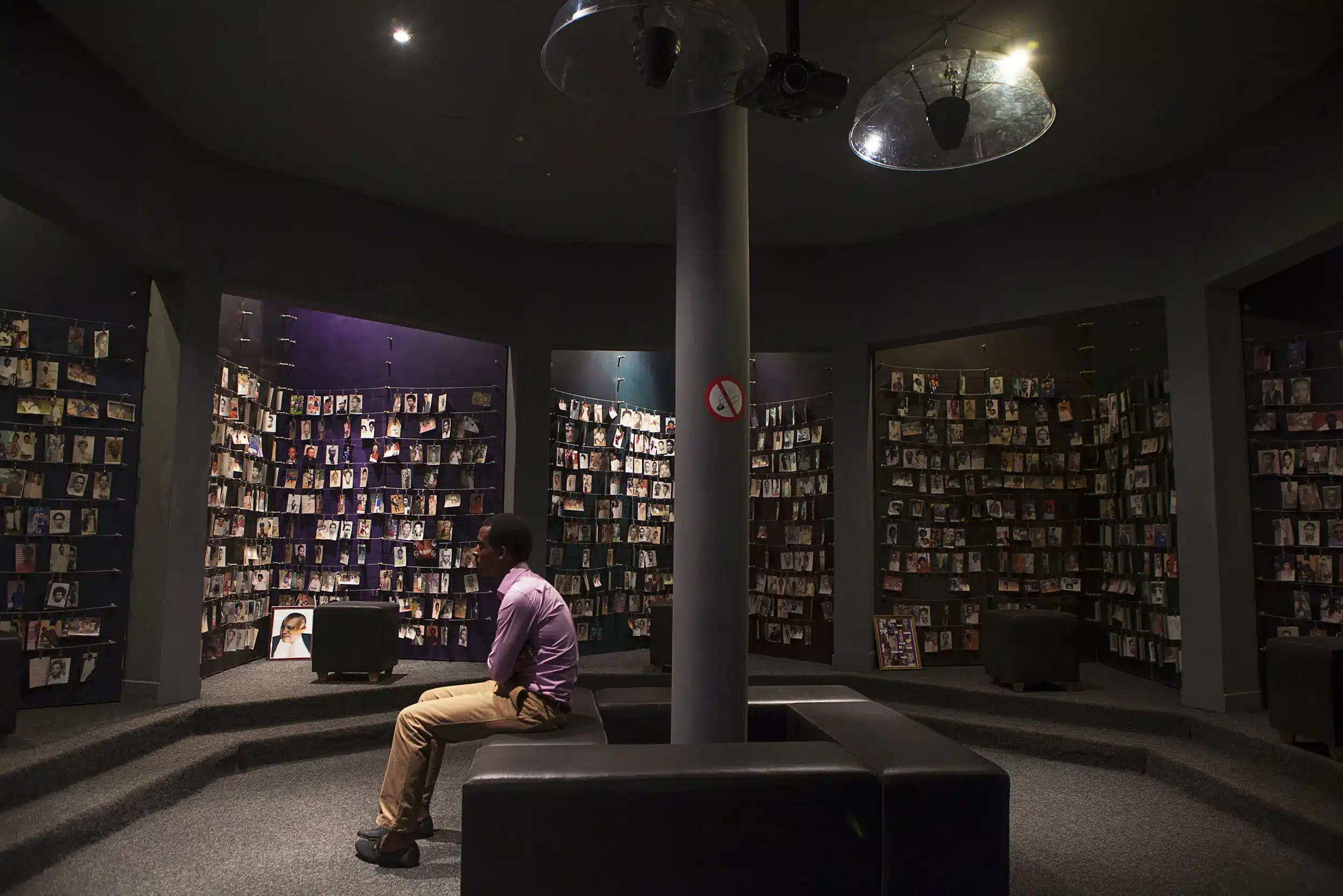
The Kigali Genocide Memorial is profoundly important, but its content is emotionally difficult. Parents should decide whether the visit is appropriate for each child.
Teenagers studying history may gain a deeper understanding of Rwanda through a carefully guided visit. Younger children may find some sections overwhelming. Parents can speak with the guide in advance and consider a shorter, age-sensitive introduction.
The visit should never be rushed between unrelated entertainment activities. Families need time for reflection.
Art, Food and Community Experiences
Kigali has a vibrant contemporary culture. Families can explore art galleries, craft centres, cafés and local food experiences. These activities help children see Rwanda as a living, modern country rather than viewing it only through wildlife and history.
A market visit becomes more meaningful when accompanied by a knowledgeable guide who can explain products, etiquette and daily life.
Kigali Accommodation for Families
Kigali offers international hotels, boutique properties, serviced apartments and guesthouses. Families arriving on a late flight should stay in Kigali before beginning a long transfer.
Useful hotel features include connecting rooms, airport transfers, breakfast, a swimming pool, flexible check-in and nearby dining. Families travelling with several children may find a serviced apartment more practical than separate hotel rooms.
Best Family Safaris in Rwanda: Recommended Itineraries
The following sample routes demonstrate how Rwanda family safari packages can be adapted to different ages and travel periods.
Five-Day Rwanda Family Safari
A five-day itinerary suits families with limited time who want wildlife and culture without attempting every national park.
Day One: Arrival in Kigali
Meet your private driver-guide at Kigali International Airport and transfer to a family-friendly hotel. If the flight arrives early, enjoy a gentle city introduction. Families arriving at night should proceed directly to the hotel.
Day Two: Kigali to Akagera National Park
After breakfast, drive toward Akagera. Stop when necessary and arrive in time for lunch. Enjoy an afternoon game drive or relax at the lodge before a later wildlife excursion.
Day Three: Akagera Game Drive and Lake Ihema Boat Safari
Explore the park with a private guide, searching for elephants, giraffes, zebras, buffaloes, antelopes and predators. Include a scheduled boat trip for hippos, crocodiles and waterbirds.
Day Four: Akagera to Kigali
Enjoy a final short activity before returning to Kigali. Families can visit an art centre, shop for locally made gifts or relax at the hotel.
Day Five: Kigali and Departure
Complete an age-appropriate city tour before transferring to the airport.
This itinerary works particularly well for young children because it avoids demanding forest treks and excessive driving.
Seven-Day Rwanda Family Safari with Akagera and Volcanoes
This route suits families with teenagers or parents who want to trek while younger children enjoy alternative activities.
Day One: Arrival in Kigali
Airport welcome and transfer to the hotel.
Day Two: Kigali City Tour and Transfer to Akagera
Visit selected Kigali attractions before travelling to Akagera National Park.
Day Three: Akagera Wildlife Safari
Enjoy a private game drive and Lake Ihema boat excursion.
Day Four: Akagera to Volcanoes National Park
Travel through Kigali toward Musanze, stopping for lunch and comfort breaks. Check in near Volcanoes National Park.
Day Five: Gorilla Trekking or Alternative Family Activities
Eligible participants complete their gorilla trek. Younger children enjoy a prearranged cultural, educational or nature-based activity under appropriate supervision.
Day Six: Conservation Experience and Lake Kivu
Visit a gorilla conservation centre or join a cultural activity before continuing to Lake Kivu for a relaxing afternoon.
Day Seven: Lake Kivu to Kigali and Departure
Enjoy a leisurely morning before returning to Kigali.
Ten-Day Best Family Safari in Rwanda
A ten-day tour gives families enough time to combine Rwanda’s principal destinations without turning every day into a transfer day.
Days One and Two: Kigali
Arrive, rest and explore the capital at an age-appropriate pace.
Days Three and Four: Akagera National Park
Enjoy afternoon and morning game drives, a boat safari and enough lodge time for children to rest.
Day Five: Akagera to Volcanoes National Park
Travel north with planned stops.
Day Six: Gorilla Trekking and Children’s Programme
Eligible travellers trek gorillas while younger family members join an arranged activity.
Day Seven: Volcanoes Region
Choose golden monkey tracking, cultural discovery, conservation education or a gentle nature experience.
Days Eight and Nine: Lake Kivu
Relax beside the lake and enjoy a boat trip, kayaking or an easy waterfront walk.
Day Ten: Return to Kigali
Travel back to Kigali for the onward flight or a final hotel night.
Nyungwe can replace Lake Kivu for families prioritising chimpanzees and rainforest hiking. Attempting to include both destinations within ten days is possible, but it produces more road travel.
Fourteen-Day Rwanda Family Adventure
Families with two weeks can explore slowly and include Kigali, Akagera, Volcanoes National Park, Lake Kivu, Nyungwe and cultural sites around Huye or Nyanza.
The additional time allows three nights in major destinations and breaks up difficult transfers. It also provides flexibility if children need an unscheduled rest day.
A two-week Rwanda family safari can include:
- Two nights in Kigali
- Three nights in Akagera
- Three nights near Volcanoes National Park
- Two nights at Lake Kivu
- Three nights near Nyungwe
- One final night in Kigali
The order can change according to permit availability, flight times, lodge space and road conditions
What We Learned from the Top Family Safari Competitors
A review of prominent Rwanda family safari pages shows that most competitors concentrate on four subjects: gorilla trekking, luxury lodges, Akagera National Park and general descriptions of travelling with children.
The strongest pages explain the gorilla trekking age limit and recommend alternatives for younger children. Others highlight Akagera’s traditional wildlife safari, Nyungwe’s primates and Lake Kivu’s relaxing atmosphere.
However, many competing articles provide limited practical guidance about pacing, transfer times, room arrangements, meal planning, private vehicles and how to keep younger children engaged when their parents trek gorillas.
This guide addresses those gaps by connecting each destination to an appropriate age group, explaining how to balance activities with rest and providing sample family safari itineraries.
The search results also reveal several important expectations among travellers:
- Families want to know whether Rwanda is suitable for younger children.
- Parents need clear information about gorilla trekking age restrictions.
- Travellers want lodges with family rooms, flexible meals and safe outdoor spaces.
- Families prefer private vehicles and manageable driving days.
- Visitors are comparing Rwanda with Kenya, Tanzania and Uganda.
- Many families want wildlife, culture and relaxation in the same holiday.
- Teenagers often want active experiences instead of passive sightseeing.
- Parents want transparent information about permits, park fees and additional costs.
The best family safaris in Rwanda should answer these needs through thoughtful itinerary design rather than simply adding child rates to a standard adult safari.
Best Family Safari Experiences in Rwanda
The best family safaris in Rwanda combine headline attractions with quieter experiences that allow children to connect with the country.
Akagera Big Five Wildlife Safari
A Big Five safari is often the easiest wildlife experience for all generations. Family members remain together in the vehicle, and the guide can adapt the drive according to the group’s interest and energy.
Akagera is particularly useful for families who want to combine gorilla trekking with a traditional African safari without adding international flights to Kenya or Tanzania.
Rwanda Gorilla Trekking for Families with Teenagers
For eligible teenagers, gorilla trekking can become a powerful shared family memory. The combination of physical effort, anticipation and close observation of a gorilla family creates an experience unlike an ordinary game drive.
Families should book permits before confirming non-refundable flights or accommodation. Rwanda issues a limited number of daily permits, and popular travel dates can sell out.
Cultural Experiences
Well-managed cultural activities allow families to learn through conversation, music, dance, food, crafts and storytelling.
The best experiences are respectful exchanges rather than staged photo opportunities. Ask how the programme benefits participants and whether the activities are appropriate for the children’s ages.
Lake Ihema Boat Safari
A boat safari complements Akagera’s game drives and introduces families to wetland ecology. Hippos, crocodiles and waterbirds are among the potential highlights.
The boat experience works especially well in itineraries that would otherwise include several consecutive days inside a vehicle.
Lake Kivu Family Holiday
Lake Kivu offers soft adventure and relaxation. It is ideal after gorilla trekking or before the journey to Nyungwe.
A family can spend one active morning on the water and leave the afternoon free. This balance prevents the safari from becoming an exhausting checklist.
Conservation and Educational Tours
Rwanda’s conservation story gives children an opportunity to understand how tourism, science, government, communities and protected areas interact.
The Ellen DeGeneres Campus of the Dian Fossey Gorilla Fund can complement a Volcanoes National Park visit. Akagera also presents an important example of ecosystem restoration and wildlife protection.
Birdwatching for Families
Rwanda’s varied habitats support an impressive range of birdlife. Birdwatching can be made accessible to children through simple challenges rather than long technical sessions.
A guide might ask children to find birds of different colours, compare beak shapes or record new species in a safari journal. This approach encourages them to observe the entire environment.
Best Time for a Family Safari in Rwanda
Rwanda is a year-round destination, but weather affects trekking trails, wildlife movement, photography and family comfort.
June to September
The longer dry season is one of the most popular periods for Rwanda safaris. Trekking trails may be less muddy, and the weather generally suits outdoor activities.
This period overlaps with school holidays in many countries, so family rooms, permits and experienced guides can become limited. Early booking is important.
December to February
The shorter dry period can also work well for a Rwanda family holiday. It is popular with travellers escaping winter in Europe and North America.
Availability around Christmas and New Year may be tight, while holiday supplements can increase accommodation costs.
March to May
The longer rainy season brings green landscapes and can provide rewarding photography. However, rainforest trails may become slippery, and heavy rain can complicate activities with younger children.
Some lodges may offer better seasonal value. Families who accept flexible schedules and wet conditions can still enjoy the country.
October and November
The shorter rains can produce dramatic skies, green scenery and fewer visitors than peak periods. Rainfall should be expected, particularly in forest and mountain regions.
No season guarantees completely dry weather. Volcanoes National Park and Nyungwe are rainforest environments, so families should carry waterproof clothing throughout the year.
How Long Should a Rwanda Family Safari Be?
Seven to ten days is ideal for many first-time families. This duration allows them to combine several destinations without changing hotels every night.
A shorter four- or five-day safari might focus on Kigali, Akagera and Volcanoes National Park. A ten- to fourteen-day holiday can include Nyungwe and Lake Kivu at a more relaxed pace.
The objective should not be to visit every destination. Families usually remember a slower, engaging journey more positively than a rushed itinerary filled with long transfers.
Sample 5-Day Rwanda Family Safari
Day 1: Arrival in Kigali
Meet your private driver-guide at Kigali International Airport and transfer to a comfortable family-friendly hotel. Keep the remainder of the day flexible.
Day 2: Kigali to Akagera National Park
Enjoy a relaxed morning departure for Akagera. After lunch and check-in, take a short game drive or Lake Ihema boat safari.
Day 3: Akagera Wildlife Safari
Explore Akagera with a private guide. The day can be divided into morning and afternoon drives for younger children.
Day 4: Akagera to Kigali
Complete a final wildlife activity before returning to Kigali. Stop for lunch and arrive with time to rest.
Day 5: Kigali Experience and Departure
Choose a cultural, artistic or historical experience according to the children’s ages, followed by an airport transfer.
This itinerary works particularly well for families with younger children who are not yet eligible for primate tracking.
Sample 7-Day Rwanda Family Safari
Day 1: Arrival in Kigali
Airport welcome and overnight in Kigali.
Day 2: Kigali to Akagera
Travel to Akagera and enjoy an afternoon activity.
Day 3: Akagera Game Drive and Boat Safari
Combine wildlife viewing with a boat trip on Lake Ihema.
Day 4: Akagera to Volcanoes National Park
Drive through Rwanda’s changing countryside to Musanze. Check in and enjoy a relaxed evening.
Day 5: Gorilla Trekking or Family Alternatives
Eligible family members trek gorillas. Younger children join a prearranged conservation or cultural programme with responsible supervision.
Day 6: Conservation Experience and Transfer to Kigali
Visit an appropriate conservation centre or enjoy a cultural activity before returning to Kigali.
Day 7: Kigali and Departure
Complete a short city experience, depending on the flight schedule.
Sample 10-Day Best Family Safari in Rwanda
Day 1: Arrival in Kigali
Meet your driver-guide and rest at your Kigali hotel.
Day 2: Kigali Cultural Tour
Explore selected parts of the city at a comfortable pace.
Day 3: Kigali to Akagera
Transfer to Akagera and take an afternoon game drive.
Day 4: Akagera National Park
Enjoy a longer wildlife safari with a picnic lunch or return to the lodge for a midday break.
Day 5: Lake Ihema and Transfer to Kigali
Take a boat safari before returning to Kigali.
Day 6: Kigali to Volcanoes National Park
Travel to Musanze, visit a conservation attraction and check in near the park.
Day 7: Gorilla Trekking and Children’s Programme
Eligible participants trek gorillas while younger family members follow their planned alternative programme.
Day 8: Volcanoes to Lake Kivu
Enjoy a gentle morning activity before transferring to Lake Kivu.
Day 9: Lake Kivu
Take a boat trip or kayaking excursion, then spend a free afternoon together.
Day 10: Return to Kigali and Departure
Travel to Kigali with suitable stops and transfer to the airport.
Sample 14-Day Rwanda Family Adventure
A two-week journey allows families to experience Rwanda without rushing.
The itinerary can begin with two nights in Kigali, followed by three nights in Akagera. The additional night in the park provides flexibility for shorter game drives.
After Akagera, the family can travel to Volcanoes National Park for two or three nights. Eligible travellers can trek gorillas, while everyone participates in a conservation or cultural programme.
Two nights at Lake Kivu provide rest before continuing south. The route to Nyungwe can include an overnight stop in Huye or another suitable location to break the journey.
Three nights near Nyungwe allow time for chimpanzee tracking, a canopy experience or shorter forest walks. The family then returns to Kigali for a final night before departure.
This longer programme is one of the best family safaris in Rwanda for active families who want wildlife, primates, culture and relaxation.
Family-Friendly Accommodation in Rwanda
The term “family-friendly” means more than simply accepting children. The right lodge should support the family’s safety, comfort and daily routine.
Important questions include:
- Are family rooms or connecting rooms available?
- Can the lodge add a cot or extra bed?
- Are rooms close enough for parents and children?
- Does the property accept children of all ages?
- Is the swimming pool supervised or fenced?
- Can meals be prepared earlier for children?
- Does the kitchen accommodate allergies?
- Are walking paths well lit?
- Are dangerous animals present around an unfenced camp?
- Does the lodge offer laundry services?
- Can staff arrange responsible child supervision?
- How far is the property from planned activities?
Families should never select a lodge solely from attractive photographs. Room configuration and child policies matter more than appearance.
Accommodation in Kigali
Kigali offers international hotels, boutique properties, apartments and comfortable midrange options. Families staying more than one night may appreciate a swimming pool, spacious rooms and access to restaurants.
Family Lodges in Akagera
Akagera accommodation ranges from campsites and simple lodges to luxury tented camps. Some properties lie inside the park, while others are near the entrance.
Inside-park accommodation reduces morning travel, but parents must understand wildlife safety rules. Children should never walk around an unfenced safari property without permission or supervision.
Accommodation Near Volcanoes National Park
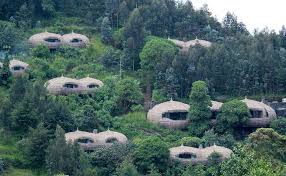
Musanze and Kinigi offer budget, midrange and high-end accommodation. Families should consider the driving time to park headquarters, room warmth, early breakfast arrangements and muddy-boot cleaning after trekking.
Lake Kivu Family Hotels
Lake Kivu accommodation ranges from larger waterfront hotels to intimate lodges. Parents should check water access, balcony safety, boat operators and the availability of family rooms.
Nyungwe Accommodation
Properties around Nyungwe vary greatly in comfort and location. Families should confirm which park reception point their activity uses because driving distances can affect early-morning departures.
Rwanda Family Safari Cost
The cost of a Rwanda family safari depends on the number of travellers, children’s ages, season, accommodation category, activities and vehicle type.
Gorilla permits create the largest single expense for families with eligible participants. The standard international visitor permit currently costs USD 1,500 per person for one trek. Official Visit Rwanda information should be checked again before payment in case fees or promotional rules change.
Other expenses may include:
- Private safari vehicle and professional driver-guide
- Fuel and guide accommodation
- Park entrance fees
- Game drives and park guides
- Lake Ihema boat safari
- Chimpanzee or golden monkey permits
- Accommodation
- Meals and drinking water
- Airport transfers
- Cultural and conservation activities
- Porter services
- Visa charges where applicable
- Travel insurance
- Tips and personal purchases
A budget or midrange family safari uses comfortable locally operated hotels and lodges while avoiding the highest-priced luxury camps. A luxury programme may include premium lodges, private activities, larger suites and sometimes helicopter transfers.
The lowest advertised price is not always the best value. A cheap package may exclude permits, park fees, meals, boat activities or the guide’s expenses. Families should request a detailed inclusion and exclusion list.
Saving Money on a Rwanda Family Safari
Families can control costs without sacrificing safety or quality.
Travel during selected shoulder-season dates when lodge rates may be lower. Choose good midrange accommodation instead of premium luxury properties. Limit one-night stays because frequent hotel changes increase transport costs and fatigue.
A private tour can become more economical per person for a larger family because vehicle costs are shared. However, the vehicle must have enough space for passengers and luggage.
Families with younger children who cannot trek gorillas may spend less because they do not require gorilla permits. The itinerary can still include Akagera, Lake Kivu, Kigali and Volcanoes-area conservation activities.
Never purchase permits from an unverified source. Work with a licensed tour operator and request written confirmation of services and payment conditions.
Private Versus Group Family Safaris
A private Rwanda family safari is usually the most comfortable choice.
Private touring allows the family to:
- Choose suitable departure times
- Stop for meals and bathroom breaks
- Adjust game-drive duration
- Carry children’s equipment
- Discuss sensitive subjects privately
- Select age-appropriate guiding
- Spend more time at preferred wildlife sightings
- Return to the lodge when a child becomes tired
Shared tours may reduce costs but offer less flexibility. Other travellers may have different interests, expectations and activity levels.
For gorilla trekking, visitors normally join the park’s assigned trekking group even when the overall safari is private. The private arrangement mainly covers transportation, accommodation and other tour services.
Health and Safety for Rwanda Family Safaris
Parents should consult a qualified travel-medicine professional well before departure. Medical advice depends on the traveller’s age, health history, itinerary and countries visited before or after Rwanda.
Discuss routine vaccinations, destination-specific recommendations, malaria prevention and protection against insect bites. Do not rely solely on a blog or general travel forum for medical decisions.
Families should carry:
- Prescribed medication in original packaging
- Copies of prescriptions
- A basic first-aid kit
- Insect repellent
- Sunscreen
- Hand sanitiser
- Oral rehydration supplies
- Child-appropriate pain or fever medication recommended by a doctor
- Travel insurance information
- Emergency contact details
Comprehensive travel insurance should cover medical treatment, evacuation, cancellation and the activities included in the itinerary. Gorilla permits and some lodge payments may be non-refundable or subject to strict conditions.
During the safari, drink safe water, follow food-safety guidance and wash hands regularly. Children should never approach wild animals, feed monkeys or leave a vehicle without the guide’s permission.
What to Pack for the Best Family Safaris in Rwanda
Packing should reflect Rwanda’s varied environments. Kigali may feel warm, while mornings near Volcanoes National Park can be cold. Rain can occur even during drier months.
Useful clothing includes lightweight long trousers, breathable shirts, a warm layer, a waterproof jacket and comfortable closed shoes.
For trekking, bring sturdy footwear with good grip, long sleeves, long trousers, gardening-style gloves and gaiters if possible. Avoid delicate clothing because trails may be muddy and vegetation can be rough.
Families may also need:
- Wide-brimmed hats
- Sunglasses
- Refillable water bottles
- Small daypacks
- Binoculars
- Camera equipment
- Power adapters
- Portable chargers
- Dry bags for electronics
- Familiar snacks
- Books or games for transfers
- A safari journal for children
- Swimwear
- Personal toiletries
- Copies of passports and insurance documents
Pack essential medication and one change of clothing in hand luggage in case checked bags are delayed.
Preparing Children for a Rwanda Safari
Children enjoy safaris more when they understand what to expect. Before departure, introduce them to Rwanda through maps, wildlife books, age-appropriate documentaries and simple Kinyarwanda greetings.
Explain that wild animals do not appear on demand. Some sightings happen quickly, while others require patience. Encourage children to appreciate birds, insects, landscapes and tracks as part of the safari.
Discuss the importance of staying quiet near wildlife and following the guide’s directions. Teenagers preparing for gorilla trekking should practice walking on hills and become comfortable with rain gear and hiking boots.
Families visiting historical sites should speak with children in advance. Sensitive subjects require preparation and honest, age-appropriate conversation.
Sustainable Family Travel in Rwanda
A family safari can teach children that conservation depends on responsible choices.
Follow park rules, maintain the required distance from wildlife and never pressure a guide to break regulations for a photograph. Do not feed animals or remove plants, stones or other natural objects.
Reduce disposable plastic where practical and refill water bottles when safe facilities are available. Stay at responsible accommodation, respect community photography rules and purchase crafts directly from legitimate local producers.
Porters can provide valuable assistance during gorilla trekking. Hiring a porter supports local employment while making the hike more manageable.
Rwanda channels part of its gorilla tourism revenue into conservation and community initiatives. The official tourism authority states that 10% of permit revenue supports local communities through projects such as schools, health centres and roads. Visit Rwanda also describes the employment created for guides, trackers, porters and lodge workers.
Common Family Safari Planning Mistakes
Trying to Visit Every Destination
Rwanda appears small on a map, but winding roads and sightseeing stops can make transfers longer than expected. A packed itinerary leaves little room for delays or rest.
Choose fewer destinations and stay at least two nights in most places.
Ignoring Gorilla Trekking Age Rules
Children under 15 cannot participate in Rwanda’s standard gorilla trekking experience. Do not confirm a family itinerary on the assumption that an exception will automatically be granted.
Planning Long Activities Every Day
A safari should include free afternoons and relaxed evenings. Even teenagers become tired after repeated early departures.
Selecting Lodges Without Checking Room Configuration
A “family room” can mean different things at different properties. Request written confirmation of the number of beds, privacy arrangements and maximum occupancy.
Forgetting Children’s Interests
Adults may dream about gorillas, while children may prefer giraffes, boats, swimming or cultural activities. Include something meaningful for every family member.
Booking Inadequate Transportation
A vehicle that technically fits the family may still be uncomfortable once luggage and camera equipment are added. Ask about seating, windows, air circulation and luggage space.
Underestimating Rainforest Conditions
Rainforest trails may be steep, muddy and slippery. Proper footwear and realistic expectations are essential.
Choosing the Cheapest Proposal Without Comparing Inclusions
Compare permits, meals, park fees, boat activities, accommodation, airport transfers and taxes. A lower headline price may produce a higher final cost.
Rwanda Family Safari Versus Kenya or Tanzania
Kenya and Tanzania are outstanding family safari destinations, particularly for large savanna ecosystems and seasonal wildlife movements. Rwanda offers a different advantage: compact diversity and world-renowned primate experiences.
Families can combine Rwanda with Kenya’s Maasai Mara or Tanzania’s Serengeti if time and budget allow. This arrangement joins mountain gorillas with an expansive East African plains safari.
However, Rwanda alone can provide Big Five wildlife in Akagera, gorilla trekking in Volcanoes National Park, primates in Nyungwe and relaxation at Lake Kivu.
Families with limited time may appreciate avoiding an additional international flight. Those seeking the Great Migration or a longer traditional safari may prefer a combined itinerary.
Rwanda Versus Uganda for a Family Gorilla Safari
Both Rwanda and Uganda protect mountain gorillas and offer extraordinary primate experiences.
Rwanda’s Volcanoes National Park is relatively accessible from Kigali, making it attractive to families with limited time. Uganda may suit families planning a longer circuit that includes Bwindi, Queen Elizabeth National Park, Kibale Forest and other destinations.
Permit prices, transfer times, accommodation and trekking conditions differ. The right choice depends on the family’s budget, schedule and wider travel interests.
Families can also trek gorillas in one country and finish in the other, but cross-border logistics must be planned carefully.
Frequently Asked Questions About the Best Family Safaris in Rwanda
Is Rwanda suitable for a family safari?
Yes. Rwanda offers wildlife drives, boat safaris, cultural experiences, conservation education, lakeside activities and primate adventures. The itinerary must reflect the children’s ages and energy levels.
Can children go gorilla trekking in Rwanda?
Only visitors aged 15 or older may participate in standard gorilla trekking in Rwanda. The minimum age is confirmed by the official tourism authority.
What can younger children do while parents trek gorillas?
They can join a prearranged conservation visit, cultural activity, suitable nature walk or supervised lodge programme. The exact arrangement should be confirmed before the trip.
What is the best national park for younger children?
Akagera National Park is usually the best choice because families can watch wildlife from a vehicle and add a boat safari.
How many days does a family need in Rwanda?
Seven to ten days works well for many first-time visitors. Families including Nyungwe may prefer ten to fourteen days.
Is a private vehicle necessary?
It is not always mandatory, but it provides valuable flexibility. Most families find private transport more comfortable than a fixed shared tour.
When is the best time to visit Rwanda with children?
June to September and December to February are popular because they often provide drier conditions. Rwanda remains a year-round destination, and rain can occur in any month.
Can families visit Rwanda during the rainy season?
Yes. Landscapes are green, and some lodges may offer better value. Bring waterproof clothing and expect slippery forest trails.
Are family rooms available?
Many hotels and lodges provide family rooms, connecting rooms or extra beds. Availability is limited at smaller properties, so book early and confirm the exact layout.
Is Akagera National Park a Big Five destination?
Yes. Akagera protects lions, leopards, elephants, buffaloes and rhinoceroses. Sightings depend on wildlife movement and cannot be guaranteed.
Can young children take a Lake Ihema boat safari?
This depends on the boat operator’s current rules and safety assessment. Confirm age requirements and ensure correctly fitted life jackets are available.
Is Rwanda good for teenagers?
Yes. Eligible teenagers can trek gorillas, while other options include golden monkeys, chimpanzees, kayaking, hiking and conservation experiences.
How much is a Rwanda gorilla permit?
The standard international visitor permit is currently USD 1,500 per person for one trek. Always reconfirm the price and availability before booking.
Should gorilla permits be booked early?
Yes. Daily availability is limited, particularly during popular travel months.
Are gorilla permits included in family safari packages?
They may be included, but this varies between operators. Request an itemised proposal that clearly identifies permit costs.
What meals are normally included?
Safari packages may operate on bed-and-breakfast, half-board or full-board arrangements. Ask for each day’s meal plan in writing.
Can dietary requirements be accommodated?
Many lodges can handle common dietary requirements with advance notice. Families with serious allergies should provide detailed written instructions and carry appropriate medication.
Is Lake Kivu worth including?
Yes, particularly when families need a restful break between active destinations. One or two nights can greatly improve the itinerary’s pace.
Can Rwanda be combined with a beach holiday?
Yes. Families often continue to Zanzibar or Kenya’s coast. Flight schedules and entry requirements should be checked before confirming the route.
Can Rwanda be combined with a Maasai Mara or Serengeti safari?
Yes. This combination pairs gorilla trekking with one of East Africa’s famous savanna destinations.
How to Choose a Rwanda Family Safari Operator
Select an operator that listens before proposing an itinerary. A reliable planner should ask about the children’s ages, room requirements, dietary needs, fitness, medical considerations and preferred travel pace.
The proposal should clearly state:
- Daily activities
- Approximate transfer times
- Accommodation and room categories
- Included meals
- Permit costs
- Park fees
- Vehicle type
- Airport transfers
- Child-care arrangements
- Inclusions and exclusions
- Deposit requirements
- Cancellation conditions
Ask whether the driver-guide has experience working with families. A knowledgeable guide should be patient, safety-conscious and able to make explanations interesting for different ages.
Written communication should remain clear from the first proposal through the final confirmation. Families should receive emergency contacts and a detailed itinerary before departure.
Why Choose a Customised Private Family Safari?
No two families travel in exactly the same way. Some children wake early and enjoy long wildlife drives. Others need slower mornings and regular swimming time. Some teenagers want challenging hikes, while others prefer photography or culture.
A customised itinerary considers these differences from the beginning.
Private family safaris can also adapt when circumstances change. If children are tired, an afternoon can be shortened. If wildlife activity is exceptional, the family may choose to stay longer. If rain affects a walk, the guide can recommend a suitable alternative.
This flexibility is one of the strongest reasons to arrange a private family safari in Rwanda.
Final Thoughts on the Best Family Safaris in Rwanda
The best family safaris in Rwanda are built around shared discovery rather than a crowded checklist. They give children time to watch elephants, listen to birds, learn about conservation and meet people whose daily lives may be very different from their own.
Akagera National Park provides accessible wildlife viewing for almost every age group. Volcanoes National Park creates extraordinary opportunities for eligible teenagers and adults to meet mountain gorillas. Nyungwe adds rainforest adventure, while Lake Kivu offers the rest that every successful family journey needs.
Kigali brings history, creativity and modern Rwandan life into the experience. Cultural and conservation programmes help families understand that Rwanda is not simply a collection of attractions but a living country with a powerful story.
Careful planning remains essential. Parents should respect activity age limits, choose genuinely family-friendly accommodation, avoid excessive driving and work with a knowledgeable local operator.
With the right route, private vehicle and realistic pace, a Rwanda family safari can become more than a holiday. It can be an educational, emotional and deeply memorable journey that parents and children continue discussing for years.
Plan Your Rwanda Family Safari with Universal Ventures Rwanda
Universal Ventures Rwanda arranges personalised family safaris, private wildlife tours, gorilla trekking experiences, Akagera game drives, Lake Ihema boat safaris, Lake Kivu holidays, Nyungwe adventures and cultural tours.
Every itinerary can be adjusted according to your children’s ages, travel dates, preferred accommodation category, budget and activity interests.
Universal Ventures Rwanda
Email: info@universalventuresrwanda.com
Telephone/WhatsApp: +250 781 441 853
Address: Kigali, Rwanda
Website: www.universalventuresrwanda.com